
Virtual home staging uses CGI technology to digitally furnish and style property photographs. Instead of physically placing furniture in a room, a designer works with high-resolution photos to add realistic furnishings, decor, and styling – all produced digitally.
It has become a standard tool in UK property marketing, particularly for vacant properties and new builds. But like any marketing technique, it works brilliantly when done well and creates real problems when done poorly.
This guide covers exactly how the process works, what quality CGI staging looks like, what it costs in the UK market, and the important ethical considerations that agents and homeowners need to understand.
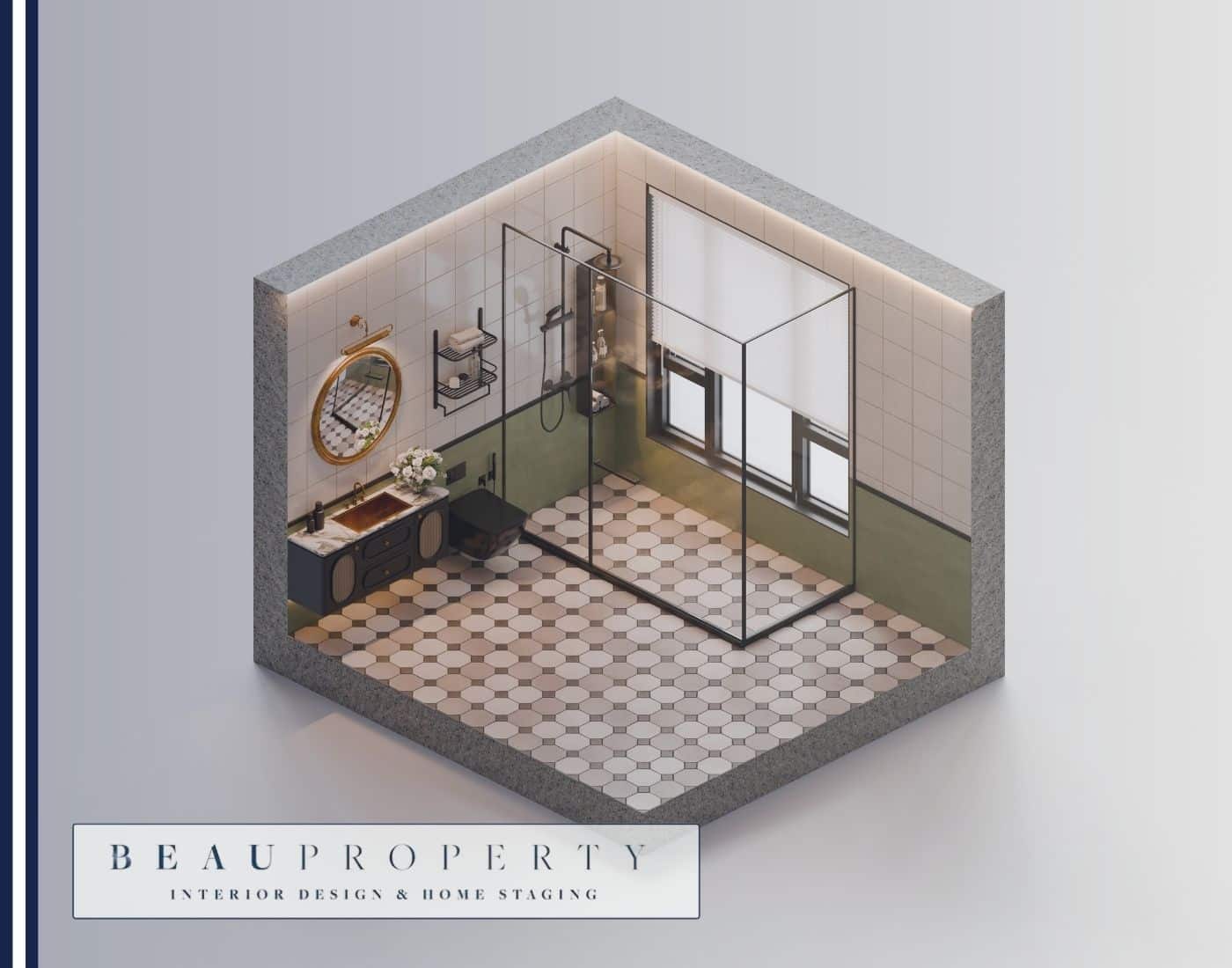
How Virtual Home Staging Works
The process begins with photography. High-quality, well-lit photographs of each room are taken – ideally using a wide-angle lens with consistent white balance and natural lighting. The quality of the source photograph directly affects the quality of the final result.
From there, a CGI designer works through several stages:
1. Room assessment and brief
The designer reviews the empty or outdated space and discusses the target buyer demographic with the agent or homeowner. A family home in Tunbridge Wells needs a different staging approach to a studio flat in central London.
2. Digital modelling and furniture placement
Using specialist software, the designer adds 3D-rendered furniture, soft furnishings, artwork, and accessories to the photograph. Each item must be placed with accurate perspective, matching the room’s vanishing points and proportions.
3. Lighting and shadow matching
This is where quality separates from gimmick. Good virtual staging matches the existing light source in the photograph – if natural light enters from the left window, shadows must fall consistently to the right. Poor virtual staging ignores this entirely, and the result looks obviously fake.
4. Final rendering and quality check
The completed image is rendered at full resolution and reviewed for realism. Furniture should look like it belongs in the room, not like it has been pasted on top of a photograph.
The entire turnaround for a single room typically takes 24 to 48 hours from a specialist provider, though some offer same-day services at a premium.
The Software Behind Virtual Staging
Several categories of tools exist, and the quality gap between them is significant:
Professional CGI platforms – Tools like 3ds Max, SketchUp, and Blender allow designers to build fully custom 3D scenes with precise lighting control. These produce the most realistic results but require genuine design skill and experience.
AI-assisted staging tools – Platforms such as Virtual Staging AI, Stagezy, and Apply Design use machine learning to automate parts of the process. They have improved dramatically in recent years, but still produce inconsistent results with complex room layouts or unusual lighting conditions.
DIY staging apps – Budget tools that let anyone drag and drop furniture onto photos. The results are almost always obvious and can actively harm a listing’s credibility.
For CGI specification design that genuinely convinces buyers, professional-grade tools paired with experienced designers remain the standard. The technology matters far less than the skill of the person using it.
How Virtual Staging Appears on UK Property Portals
When a virtually staged property goes live on Rightmove or Zoopla, the images appear alongside standard photographs in the listing gallery. Most portals do not have a separate label or flag for virtually staged images – they display exactly like any other photo.
This creates both an opportunity and a responsibility.
The opportunity: listings with virtual staging receive approximately 90% higher click-through rates compared to empty property photos. Properties with staged images also generate around 40% more online views, keeping potential buyers engaged with the listing for longer.
The responsibility: buyers scrolling through Rightmove cannot always distinguish between a photograph of a physically staged room and a CGI-enhanced image. This is precisely why disclosure matters – which we will cover shortly.
It is worth noting that virtual staging pairs well with other digital marketing tools. Combining staged photography with 3D virtual tours gives buyers both an aspirational view and a spatial understanding of the property – the staged photos draw them in, and the tour helps them understand the layout.
When Virtual Staging Works Best
Virtual staging is not a universal solution. It works genuinely well in specific situations:
Vacant properties – An empty room photographs poorly. Buyers struggle to judge scale, and empty spaces feel cold and uninviting. Virtual staging solves this by adding context and warmth without the logistics of physically furnishing the property.
New build developments – Show homes are expensive to stage physically, particularly when a developer has multiple unit types. Virtual staging allows each configuration to be presented with appropriate styling at a fraction of the cost.
Properties with dated interiors – Rather than photographing a kitchen with 1990s pine cabinets and floral wallpaper, virtual staging can present the space with a contemporary scheme that helps buyers see potential rather than problems.
Overseas or remote sellers – When the property owner is not local and cannot coordinate physical staging, virtual staging provides a practical alternative that requires only photographs and a brief.
For a deeper look at which approach suits which situation, our comparison of virtual staging versus physical staging covers the decision in detail.

What Good Virtual Staging Looks Like (and What Bad Looks Like)
The difference between convincing CGI staging and obviously fake work comes down to five quality indicators:
1. Lighting consistency – Does the furniture cast shadows that match the room’s actual light sources? If sunlight streams through a west-facing window but the sofa casts no shadow, the image fails immediately.
2. Perspective accuracy – Furniture must follow the room’s perspective lines. A dining table that appears to float above the floor or a sofa that seems to tilt backwards breaks the illusion entirely.
3. Scale realism – Oversized furniture is one of the most common mistakes. A king-size bed placed in a small single bedroom might look impressive in isolation, but any buyer who has ever moved furniture will spot that a 150cm bed frame could not physically fit through the doorway.
4. Style coherence – Every piece should look like it belongs in the same home. Mixing a mid-century modern sideboard with a traditional Chesterfield sofa and an industrial pendant light creates visual confusion, not aspiration.
5. Surface interaction – In high-quality CGI work, you can see subtle reflections in glossy surfaces, slight colour cast from nearby walls, and appropriate texture response to light. Budget virtual staging skips all of this, and the result is furniture that looks superimposed rather than placed.
When reviewing virtually staged images, ask yourself: if you did not know this was digitally enhanced, would anything look off? If the answer is yes, the staging needs more work.
UK Disclosure Requirements
This is where many agents and homeowners get it wrong – and where the real risk sits.
The Property Ombudsman’s Code of Practice states that marketing material must not be misleading. The Consumer Protection from Unfair Trading Regulations 2008 reinforces this – presenting digitally enhanced images as unedited photographs could constitute a misleading commercial practice under UK Trading Standards.
What the guidance means in practice:
- Virtually staged images should be clearly labelled as “virtually staged” or “digitally furnished” in the listing
- The original, unedited photographs should also be available for comparison
- Any CGI enhancements should be limited to furnishing and styling – digitally removing structural defects, damp patches, or other material issues crosses from staging into misrepresentation
- Estate agents have a duty to ensure buyers are not misled about the condition or contents of the property
Most reputable agents now include a small watermark or caption on virtually staged images. This is good practice and protects both the agent and the seller from complaints down the line.
The key principle: virtual staging should help buyers visualise potential, not deceive them about reality.
What Virtual Staging Costs in the UK
Pricing varies considerably based on quality, turnaround time, and the complexity of the room:
| Service Level | Typical Cost Per Room | Turnaround | Quality |
|---|---|---|---|
| Budget AI tools | £5-15 | Hours | Variable – often obviously digital |
| Mid-range providers | £20-35 | 24-48 hours | Good for standard rooms |
| Premium CGI staging | £35-50+ | 48-72 hours | Photorealistic, custom specification |
| Full property (5-7 rooms) | £100-300 | 3-5 days | Package pricing common |
For context, physical staging of a typical three-bedroom property in the South East costs between £1,500 and £4,000 for a 6 to 12 week hire period. Virtual staging of the same property might cost £150-250 for all key rooms – a significant difference, though the two deliver different buyer experiences.
Most providers offer revision rounds within the price. Expect one to two revisions as standard, with additional changes charged at £10-20 per room.
The advances in technology in home staging continue to bring professional-quality CGI within reach of more property sellers, but cutting costs too aggressively almost always shows in the final result.
When Virtual Staging Backfires
Virtual staging is not without risk. When it goes wrong, it can actively harm a sale:
Buyer disappointment at viewings – This is the most common problem. A buyer falls in love with beautifully staged photographs online, books a viewing, and walks into a completely empty property. The gap between expectation and reality can be jarring enough to kill their interest entirely – even if the property itself is perfectly good.
Mitigating this requires clear disclosure in the listing and ideally a conversation between agent and buyer before the viewing. “The property is being marketed with virtual staging – the rooms are currently unfurnished” is all it takes.
Legal exposure from misleading images – If virtual staging adds features that do not exist (a fireplace, built-in shelving, a kitchen island that could not physically fit), this moves from marketing into misrepresentation. Trading Standards complaints, Property Ombudsman referrals, and reputational damage follow.
Poor quality undermining credibility – Cheap virtual staging with floating furniture, mismatched shadows, and impossibly large sofas signals to buyers that corners are being cut. It raises questions about what else might not be as it appears. For an estate agent, this is worse than using no staging at all.
Over-reliance replacing proper preparation – Virtual staging enhances photographs. It does not fix a property that needs cleaning, decluttering, or minor repairs. If the physical viewing experience does not match the care taken in the photography, the staging has papered over problems rather than solving them.
The most effective approach combines virtual staging for online marketing with proper physical preparation for viewings. The benefits of professional home staging extend well beyond photography – they create a viewing experience that converts interest into offers.
Making Virtual Staging Work for Your Property
Virtual home staging is a genuinely useful tool when applied thoughtfully. It helps vacant properties compete online, gives buyers a vision of how a space could work, and does so at a fraction of the cost of physical staging.
But it is a marketing tool, not a magic trick. It enhances photos – it does not replace the viewing experience. Buyers still walk through the physical property, and that is where their decision solidifies.
For the best results:
- Invest in quality photography first – no amount of CGI can rescue a poorly lit, wide-angle-distorted photograph
- Choose a provider who understands UK property styles – American farmhouse decor in a Victorian terrace looks absurd
- Always disclose – label images clearly and keep originals available
- Match the staging to the target buyer – a young professional flat needs different styling to a family home
- Consider it part of a wider strategy – virtual staging works best alongside proper property preparation, professional photography, and strong listing descriptions
Virtual staging has earned its place in UK property marketing. Used honestly and executed well, it helps buyers see past empty rooms and imagine a home – which is exactly what good staging has always done, whether the furniture is physical or digital.