Introduction
Creating an inviting and appealing environment is crucial for attracting potential buyers. One of the most influential tools at home stagers’ disposal is colour psychology. This concept explores how colours impact emotions and perceptions, making understanding colour choices vital for effective home staging. By leveraging colour psychology, homeowners, real estate agents, and interior designers can enhance the allure of properties, leading to quicker sales and potentially higher offers. This blog post will delve into the intricacies of colour psychology, its significance in home staging, and how strategic colour choices can profoundly impact a buyer’s experience.
The Basics of Colour Psychology
Colour psychology is the study of how colours influence human emotions, behaviours, and perceptions. In various contexts, including marketing, art, and interior design, colours can evoke specific feelings and reactions. Understanding these emotional responses is critical in home staging, as the goal is to create an environment that resonates positively with potential buyers.
Research has shown that colours can affect mood and behaviour. For instance, a study conducted by the University of British Columbia found that warm colours like red and orange can evoke feelings of excitement and warmth, while cool colours such as blue and green tend to promote calmness and serenity. These psychological effects can vary across cultures, making it essential to consider the target audience when selecting colours for staging a property.
The scientific basis behind colour perception lies in how we interpret wavelengths of light. Each colour possesses unique wavelengths that can elicit different emotional responses. For example, red light has a longer wavelength and is often associated with energy and passion, whereas blue light has a shorter wavelength and is calming. By utilising this knowledge, home stagers can make informed decisions about colour schemes that will enhance a property’s appeal.
The Impact of Colour in Home Staging
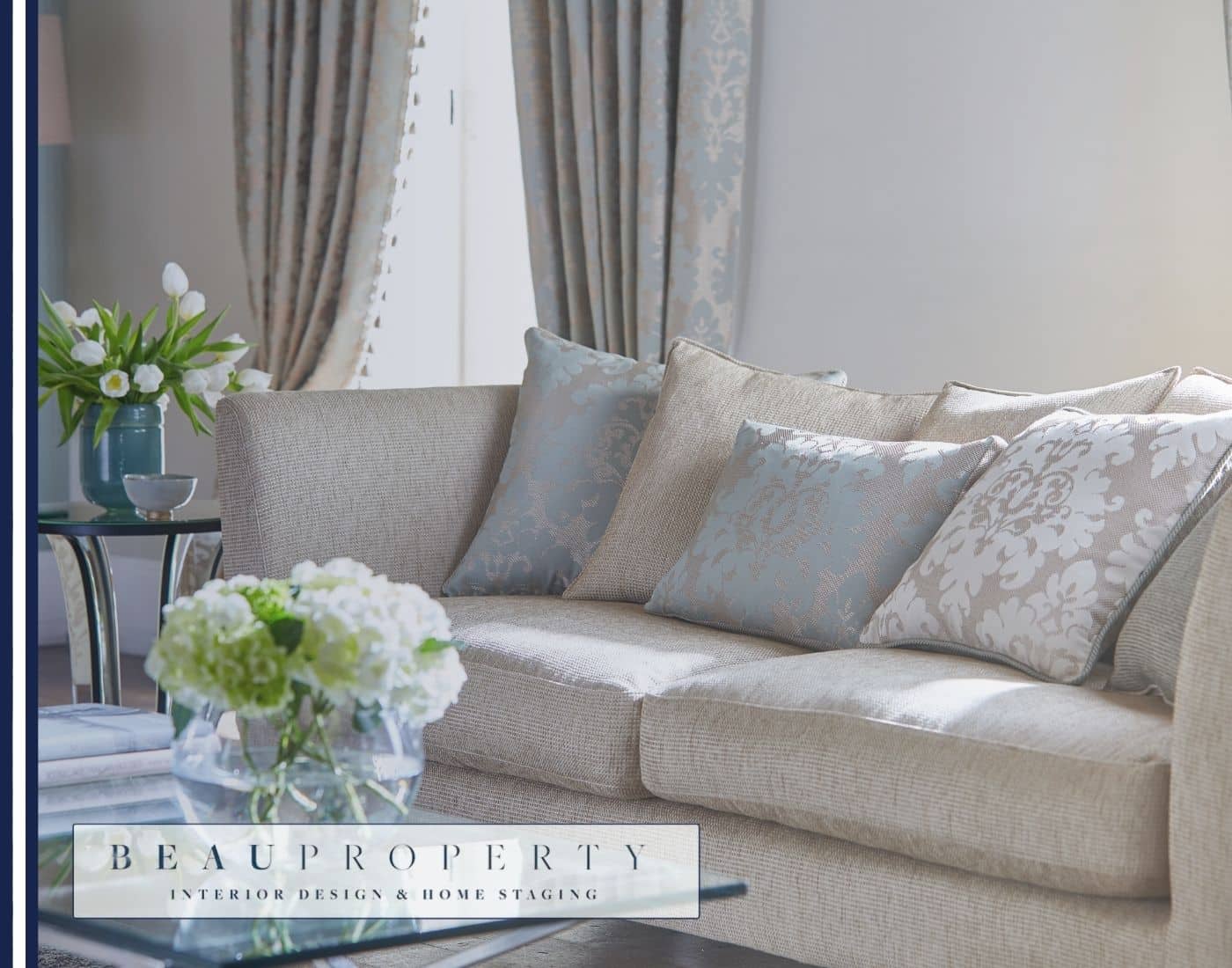
Colours play a significant role in shaping a buyer’s perception of space, size, and atmosphere. Strategic colour choices can manipulate how a room is viewed, creating illusions that enhance the overall aesthetics of a home. For instance, lighter colours can make small spaces feel larger, while darker hues can add warmth and intimacy to a room.
One essential aspect of colour in home staging is colour harmony, how well colours work together to create a cohesive design. A harmonious colour palette can guide a viewer’s eye, highlighting specific features of a property. For example, in a living room, a neutral palette with pops of vibrant colour can draw attention to a beautiful fireplace or a stunning piece of artwork.
Examples of Colour Applications in Different Rooms:
- Living Areas: In living spaces, a warm beige or soft grey can create a neutral backdrop while allowing colourful accessories or artwork to stand out. This approach not only adds visual interest but also invites potential buyers to envision their style within the space.
- Kitchens: Bright white or soft pastel colours can create an airy and inviting kitchen environment. Using warm accent colours, such as yellows or oranges, can stimulate appetite and create a welcoming atmosphere for gatherings. Colour temperature of the bulbs themselves matters just as much, see our home staging lighting guide for the Kelvin recommendations by room.
- Bedrooms: Calming shades of blue or green can transform a bedroom into a serene retreat. These hues promote relaxation, which is essential for a space intended for rest and rejuvenation.
By understanding the impact of colour on perception, home stagers can strategically choose colours that enhance the property’s strengths and create an inviting atmosphere that resonates with potential buyers.
Warm Colours and Their Effects
Warm colours, such as reds, oranges, and yellows, are known for their ability to evoke feelings of warmth, energy, and comfort. These colours can create an inviting atmosphere, making them particularly effective in spaces where social interaction occurs, such as living rooms and dining areas.
When staging with warm colours, it is essential to consider the context. For instance, a living room painted in a warm beige with accents of burnt orange can create a welcoming environment that feels both energising and comfortable. In dining areas, warm colours can stimulate appetite and encourage conversation, making these spaces feel inviting for gatherings.
However, while warm colours can be effective, it is crucial to balance them with neutral shades to avoid overwhelming potential buyers. Overly vibrant colours can distract from the home’s features and create a sense of chaos. For example, using a warm yellow as a feature wall in a dining room can effectively draw attention, but it should be complemented with soft, neutral furnishings to maintain an inviting atmosphere.
Cool Colours and Their Effects
Cool colours, including blues, greens, and purples, are often associated with feelings of calmness, relaxation, and serenity. These colours are ideal for spaces intended for rest, such as bedrooms and bathrooms. When used effectively in home staging, cool colours can create a sense of spaciousness and tranquillity, appealing to potential buyers seeking a peaceful environment.
For instance, a bedroom painted in soft blue can evoke feelings of relaxation and serenity, making it a desirable retreat for potential buyers. Similarly, a bathroom painted in light green can create a spa-like atmosphere, enhancing the appeal of the space.
Incorporating cool colours requires careful consideration of balance and cohesion. While these colours can be soothing, it is essential to ensure they do not create a dull or lifeless atmosphere. Accents of warmer tones can help to create visual interest and balance, such as pairing a cool blue with warm wooden furniture or vibrant artwork.
Neutral Colours: The Foundation of Home Staging
Neutral colours play a pivotal role in home staging due to their versatility and broad appeal. Shades such as whites, greys, and beiges create a blank canvas that allows potential buyers to envision their style and personal touches within the space. Neutrals also serve to enhance the natural light in a room, making spaces feel brighter and more open.
Popular neutral shades, like soft greys or warm whites, can be paired with accent colours to add depth and interest. For example, a living room with light grey walls can be adorned with colourful cushions and artwork, creating a vibrant yet cohesive aesthetic.
Maintaining a consistent colour palette throughout the home is crucial for creating a cohesive look. By using a unified neutral base, stagers can seamlessly transition from room to room, ensuring that the overall design feels harmonious and inviting.
Choosing the Right Colour Scheme for Your Property
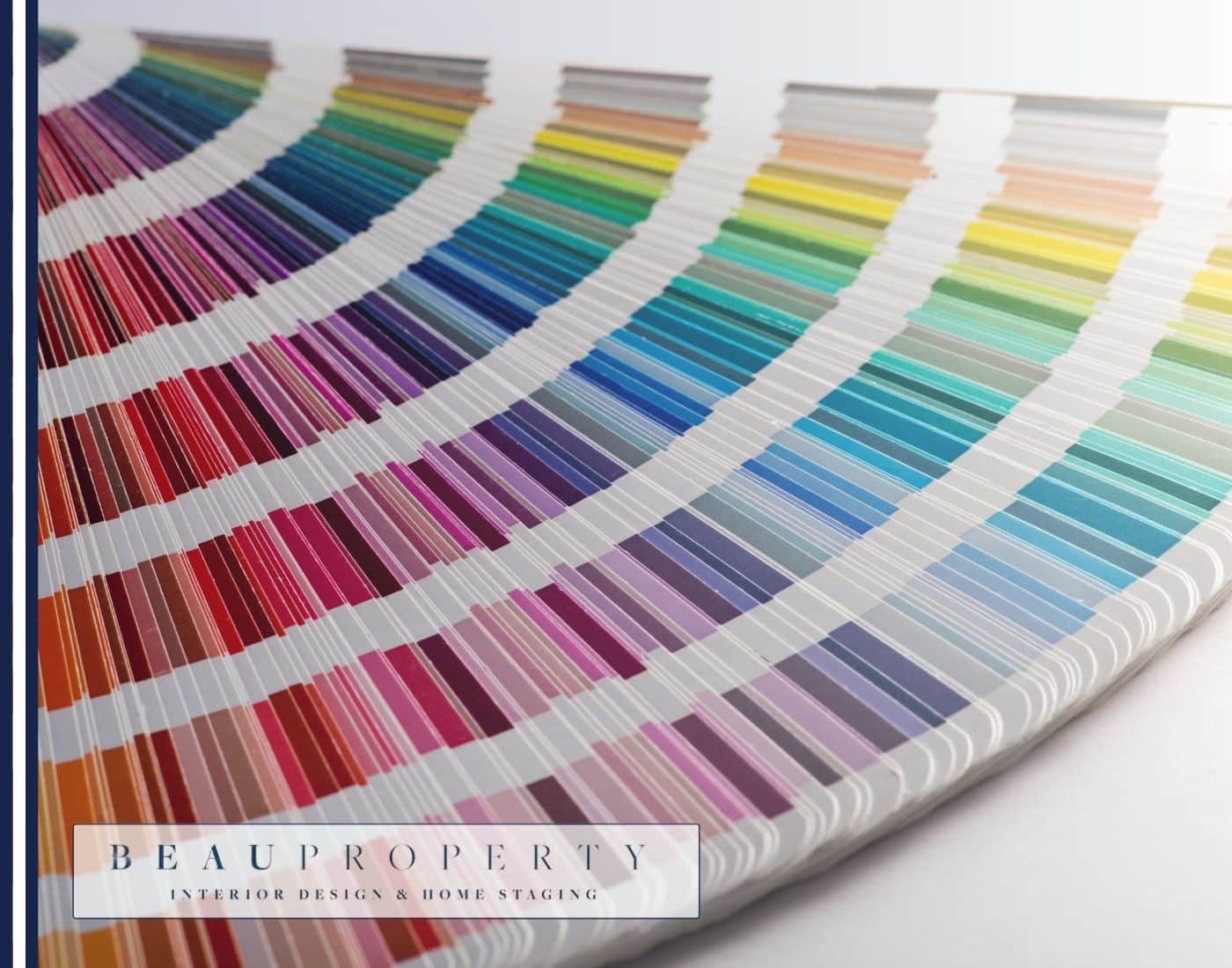
Selecting the appropriate colour scheme for a property involves considering various factors, including the style of the home, target demographics, and architectural features. Understanding these elements can help stagers create colour schemes that resonate with potential buyers.
Factors Influencing Colour Choices:
- Property Style: Modern properties may benefit from bold, contemporary colour choices, while traditional homes may be better suited for classic neutrals or soft pastels. For example, a sleek, modern apartment could be enhanced by a monochromatic palette with pops of bright colours, while a Victorian home may look best with warm creams and muted tones.
- Target Market: Understanding the preferences of the target market is essential. Families may respond positively to warm, inviting colours that create a sense of comfort, while young professionals may be attracted to cooler, more sophisticated hues.
- Architectural Features: The architectural characteristics of a home can also influence colour choices. For example, a home with large windows and abundant natural light may lend itself well to darker shades, while a property with limited light may benefit from lighter colours that reflect light and create a sense of openness.
Conducting a colour consultation can aid in aligning colour choices with the property’s strengths and potential buyer expectations. Engaging a professional stager or colour consultant can provide valuable insights into creating an effective colour scheme that enhances the property’s appeal.
Creating Atmosphere Through Colour
Different rooms serve specific purposes, and colour can be a powerful tool in aligning the atmosphere with these intended uses. For instance, energising colours like vibrant yellows or oranges can be effective in home offices or exercise areas, where motivation and creativity are key. Conversely, calming shades of blue or green are ideal for bedrooms and relaxation spaces.
Layering Colours:
Layering colours through furnishings, accessories, and artwork is a technique that can enhance the desired atmosphere while maintaining a harmonious flow throughout the home. For example, in a living room, a neutral base can be layered with colourful cushions, an accent rug, and artwork that ties the colour scheme together. This approach not only creates visual interest but also reinforces the intended atmosphere of the space.
Stagers should also consider the functionality of each room when selecting colours. A home office may benefit from warm, energising colours to stimulate productivity, while a bedroom should incorporate cooler hues that promote relaxation.
The Role of Lighting in Colour Perception
Lighting significantly influences how colours are perceived within a space. Natural light can enhance or diminish the vibrancy of colours, while artificial lighting can create warm or cool tones depending on the type of bulbs used. Understanding the relationship between colour and lighting is crucial for effective home staging.
Optimising Lighting:
To enhance the effectiveness of the chosen colour palette, stagers should consider several strategies:
- Utilising Natural Light: Maximising natural light can enhance the appeal of a property. Opening curtains and blinds can allow sunlight to flood the space, illuminating the chosen colours and creating a warm, inviting atmosphere.
- Choosing the Right Light Fixtures: The type of light fixtures used can impact the colour temperature of a room. Warm white bulbs create a cosy atmosphere, while cool white bulbs can make a space feel more modern and spacious.
- Considering Window Orientation: The orientation of windows can also affect how colours are perceived throughout the day. Rooms with south-facing windows may benefit from cooler colours, while north-facing rooms may require warmer tones to counteract the cooler natural light.
By carefully considering lighting, home stagers can optimise colour perceptions and create a more inviting and attractive environment for potential buyers.

Conclusion
Colour psychology is a powerful tool in the realm of home staging, influencing how potential buyers perceive and emotionally connect with a property. By understanding the psychological effects of colour and implementing strategic colour choices, homeowners, real estate agents, and interior designers can significantly enhance a property’s appeal and increase the likelihood of a successful sale.
The insights gained from colour psychology can guide effective home staging practices, creating inviting spaces that resonate with buyers. Whether opting for warm colours that encourage comfort or cool hues that promote relaxation, the principles of colour psychology can transform a property into an attractive offering in today’s competitive real estate market.
As you embark on your home staging journey, embrace the principles of colour psychology to craft inviting and appealing spaces that captivate potential buyers. By making informed decisions about colour schemes and ensuring cohesive design throughout the property, you can enhance the overall presentation and increase the chances of achieving a successful sale.
For the home presentation pillar guide, see the art of home presentation for sale.