Creating a home that feels stylish, functional, and comfortable is an ongoing journey. Whether you’re looking to modernise your interiors or stage your property for sale in Tunbridge Wells, understanding the latest design and styling trends can help you make informed decisions. These trends are not just about keeping up with what’s popular, they’re about enhancing your home’s character, value, and livability.
We’ve compiled 10 of the most inspiring and practical home design trends to guide you, with actionable advice to make these ideas work for your space.
1. Earthy Tones and Natural Materials
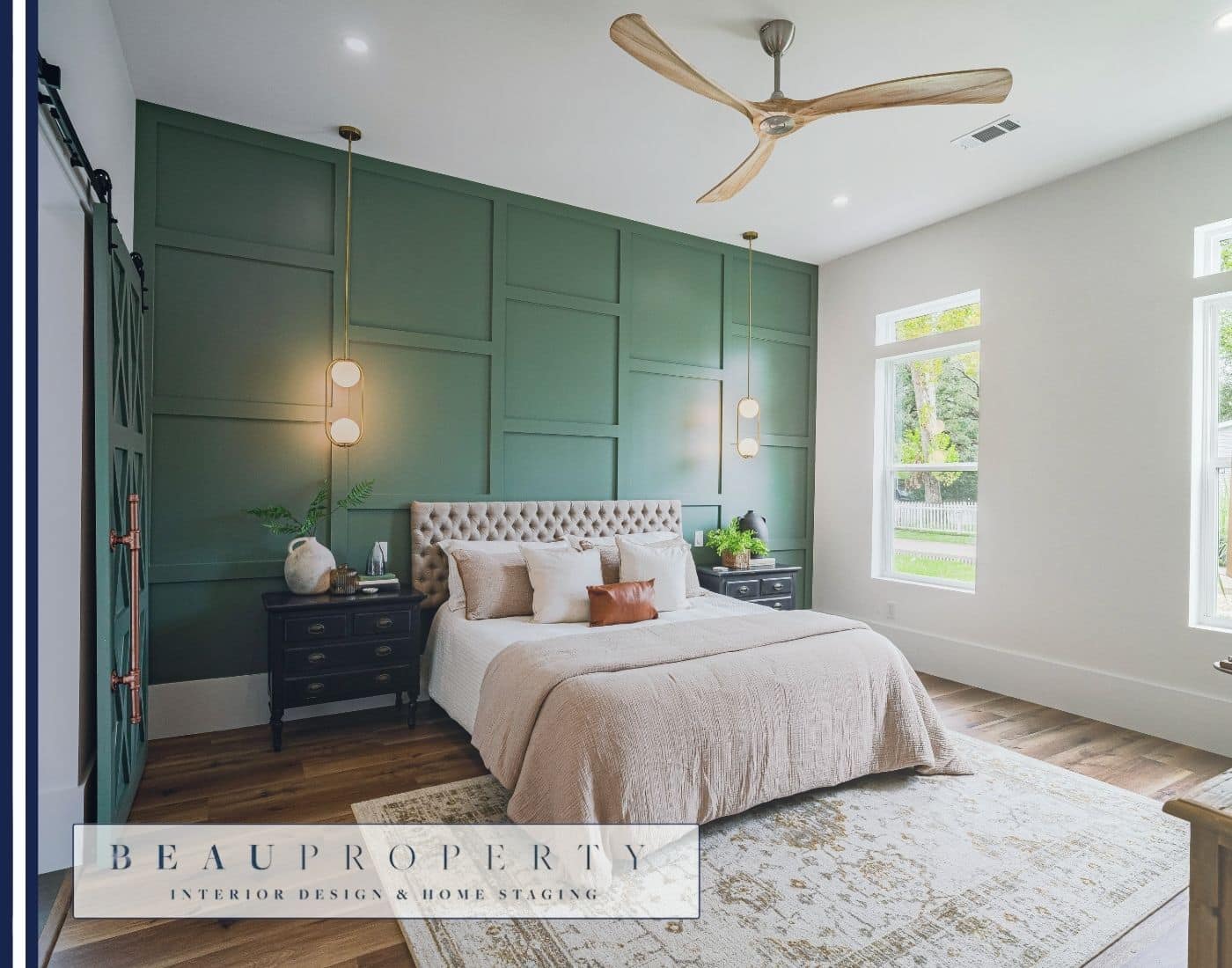
Earthy tones and natural materials are playing a central role in interior design, offering homeowners a way to create spaces that feel serene, grounded, and timeless. Inspired by the natural world, this trend incorporates warm, muted colours like terracotta, rich browns, taupe, and muted greens such as sage or olive. These tones are beautifully complemented by natural materials such as wood, rattan, jute, stone, and linen, which add texture and depth to any room.
This aesthetic is about creating a connection to nature, not just in colour but in form and material choice. By bringing in elements that reflect the world outside, interiors feel cosy and restorative, qualities that are particularly appealing in today’s fast-paced, technology-driven lives.
Why It’s Popular
The rise of this trend is closely linked to two driving forces: the focus on wellness and the push toward sustainability. Earthy tones have a cocooning effect, enveloping the space in warmth and making it feel more intimate, whether you’re relaxing at the end of the day or entertaining guests. These colours also tend to work well in both modern and traditional homes, making them highly versatile for UK properties, including the mix of period homes and newer builds in areas like Tunbridge Wells.
Natural materials, meanwhile, bring authenticity and durability to interiors. Materials like wood or stone are timeless, long-lasting, and, when sourced responsibly, eco-friendly. Rattan, jute, and bamboo have gained popularity for their organic textures and sustainable credentials, while linen and wool add softness and comfort.
In minimalist or modern spaces, earthy tones and natural materials add warmth and interest, preventing rooms from feeling too stark or impersonal. They also harmonise beautifully with more rustic or traditional interiors, enhancing the character of older homes.
How to Incorporate
You don’t need to overhaul your entire home to embrace this trend, small, thoughtful updates can go a long way in transforming a space. Here are some practical ideas:
- Start with Soft Furnishings: For a quick and budget-friendly update, introduce earthy tones through soft furnishings. A burnt orange throw or olive green velvet cushion can add a pop of colour to a neutral sofa. Layer these with textured materials like linen or wool for added depth. Rugs in natural fibres such as jute or sisal can ground a room while enhancing its overall warmth.
- Add Natural Materials with Furniture: Accent pieces like a rattan chair, a wooden coffee table, or a stone-topped side table can bring a tactile, organic element into your décor. Look for furniture with raw or unfinished surfaces to enhance the natural aesthetic.
- Create a Feature Wall: If you’re ready for a more impactful change, consider repainting a wall in a warm, earthy hue such as clay, terracotta, or taupe. A feature wall in the living room or bedroom can instantly transform the mood of the space. Pair it with neutral tones and natural materials for a cohesive look.
- Update Your Kitchen: Kitchens are an ideal place to embrace this trend. Replace high-gloss or synthetic cabinetry with wooden finishes, or opt for cabinet doors painted in muted green or taupe shades. Stone or quartz countertops with natural textures can add sophistication and durability. Small details such as wooden utensils, cutting boards, or stone bowls can also reinforce the natural aesthetic.
- Accessorise Thoughtfully: Even small accessories can make a big difference. Consider adding terracotta plant pots, ceramic vases, or natural woven baskets for storage. These items work particularly well in hallways, bathrooms, or utility spaces to add subtle earthy touches.
Why It Works in Tunbridge Wells
For homeowners in Tunbridge Wells, this trend is particularly well-suited to the area’s natural charm. With its abundance of green spaces, gardens, and picturesque countryside, the surrounding environment can serve as direct inspiration for your interiors. Homes with views of nature can use earthy tones to echo the colours outside, creating a seamless connection between indoor and outdoor spaces.
For example, a home overlooking a garden might use olive green walls or a jute rug to reflect the greenery outside. Wooden furniture and stone accents can add texture and depth, making the home feel cohesive and rooted in its environment. For homes with smaller outdoor spaces, bringing natural materials indoors can create a similar sense of connection to the outside world.
2. Biophilic Design
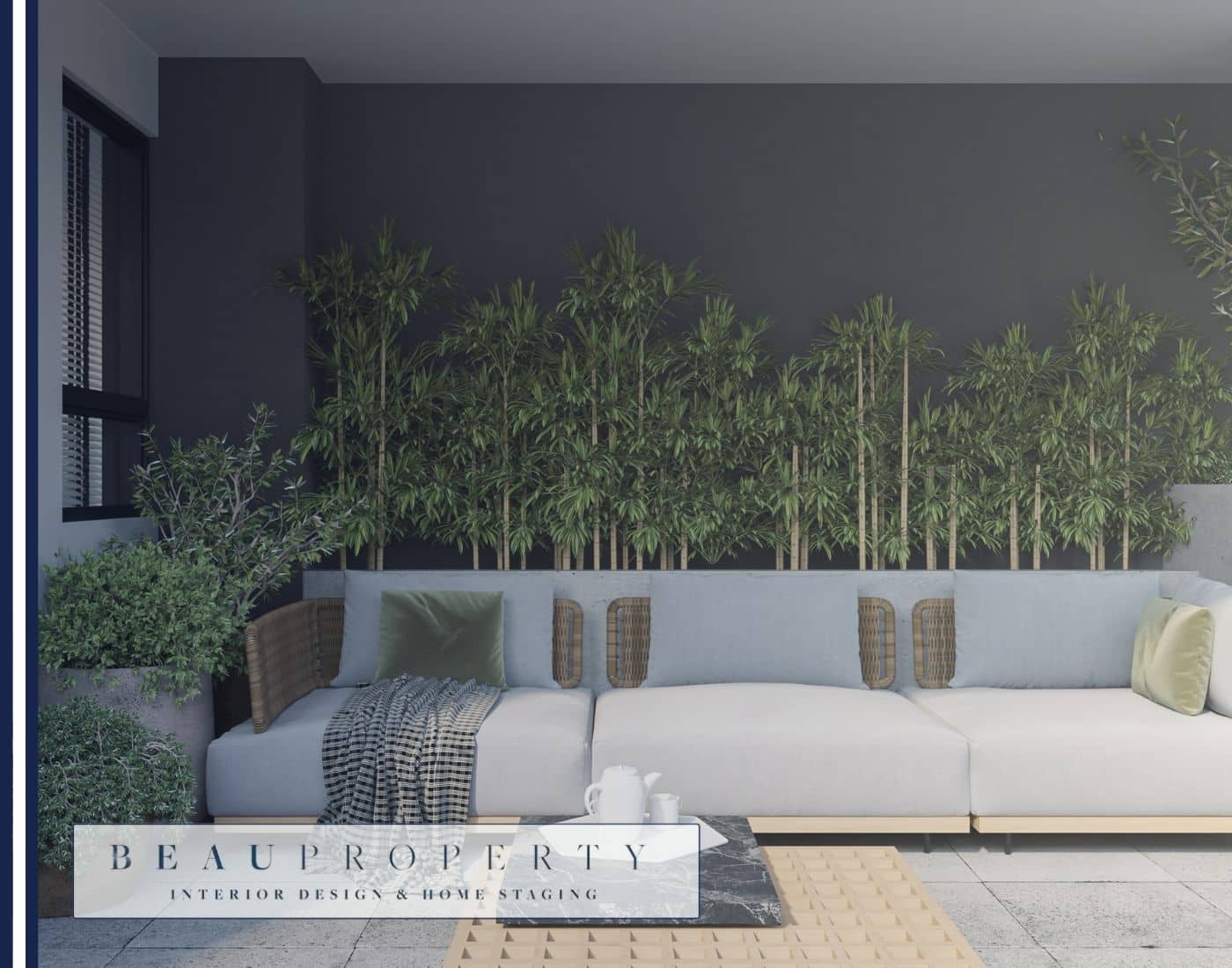
Biophilic design is a concept in architecture and interior design that seeks to strengthen the bond between human beings and the natural world by incorporating elements of nature into our living environments. Its roots lie in the principle that humans have an innate connection to nature, a concept known as “biophilia”, and that this connection has a profound impact on our mental, physical, and emotional wellbeing.
This design philosophy is particularly relevant today, as many people spend the majority of their time indoors due to work and lifestyle demands. By integrating natural elements into our homes, biophilic design helps create spaces that feel alive, refreshing, and restorative. It’s not just about aesthetics; it’s about improving the quality of life within a home.
- Core Elements of Biophilic Design:
- Greenery and Plants: One of the most visible aspects of biophilic design is the use of plants to bring life and vibrancy into indoor spaces. Plants not only add beauty but also improve air quality and create a calming atmosphere.
- Natural Light: Maximising natural light is fundamental to biophilic design, as sunlight has been proven to boost mood and energy levels.
- Natural Materials and Textures: Materials such as wood, stone, bamboo, and cork bring an organic feel to interiors, while textures like linen or wool reflect the tactile qualities of the natural world.
- Indoor-Outdoor Connections: Biophilic design often blurs the boundaries between indoor and outdoor spaces, creating a seamless transition that allows homeowners to feel more connected to their gardens or surrounding environment.
- Water Features: Incorporating water into a space, whether through a small indoor fountain or a garden pond visible through a window, can enhance tranquillity and provide soothing sounds.
Why It’s Popular
The popularity of biophilic design stems from its ability to address some of the challenges of modern living. In an era where people are spending more time indoors, often in urban settings, the need to reconnect with nature is more urgent than ever. Studies have shown that biophilic environments can reduce stress, enhance creativity, improve concentration, and even speed up recovery from illness.
For UK homeowners, particularly those in Tunbridge Wells, this trend resonates strongly. Surrounded by the picturesque Kent countryside, homeowners have the opportunity to reflect the beauty of the outdoors within their interiors, making their homes feel more harmonious with their surroundings.
How to Incorporate Biophilic Design
- Start with Plants:
Adding greenery is one of the simplest and most effective ways to embrace biophilic design. Start small with hardy, low-maintenance plants like snake plants or pothos if you’re a beginner. For those with a green thumb, create a feature wall of trailing plants or a cluster of potted plants in varying sizes to create a lush display. - Embrace Natural Light:
Replace heavy curtains with lightweight fabric or opt for blinds that can be adjusted to let in maximum sunlight. Skylights or larger windows can be a more ambitious yet rewarding investment, especially in key areas like the kitchen or living room. Mirrors can also be strategically placed to bounce light around the room, creating a brighter and airier feel. - Incorporate Natural Materials:
Swap out synthetic furniture or décor for items crafted from wood, stone, or bamboo. A wooden dining table, a rattan pendant light, or a cork noticeboard are simple changes that make a big impact. Textiles like jute rugs or linen cushions can also add natural textures to your space. - Blur the Indoor-Outdoor Divide:
If you have access to a garden, patio, or balcony, create a seamless connection by using similar materials or colours in both your indoor and outdoor spaces. Sliding glass doors, bi-fold doors, or even a window seat overlooking the garden can help make the outdoors feel like an extension of your home. - Add a Water Feature:
Introducing water into your home can be as simple as placing a small tabletop fountain in a quiet corner or framing a garden pond with a large window. The sound of gently trickling water can have a meditative effect, adding an extra layer of tranquillity to your space.
A Practical Example for Tunbridge Wells Homeowners
Imagine transforming your living room into a biophilic haven: a cluster of vibrant green plants near the windows, a natural jute rug anchoring the seating area, and soft filters of natural light streaming through sheer curtains. Add a wooden coffee table with organic curves and a small stone bowl filled with water and floating flowers as a centrepiece. If you’re lucky enough to have a garden, install patio doors to create a continuous flow between your indoor and outdoor spaces.
Incorporating biophilic design doesn’t require a complete overhaul; even small steps can make a noticeable difference in the way you feel about your home. Whether it’s adding a few plants or maximising your connection to natural light, this trend is one that’s both timeless and transformative.
3. Multifunctional Spaces
The concept of multifunctional spaces is transforming the way we think about home design. Gone are the days when each room had a single, defined purpose. Today, homeowners are looking to make the most of every square metre by creating spaces that can adapt to various needs throughout the day. Whether it’s a living room that doubles as a home office or a guest bedroom that transforms into a workout space, multifunctionality is key to modern living.
This trend is particularly relevant for UK homes, which often face space constraints, especially in towns like Tunbridge Wells, where period properties or compact terraces are common. By rethinking how we use our spaces, it’s possible to accommodate work, relaxation, and play without compromising on style or comfort.
What Are Multifunctional Spaces?
Multifunctional spaces are areas within the home designed to serve more than one purpose. They’re about flexibility and adaptability, allowing rooms to transform based on your needs. A single space might serve as a dining area during the day, a workspace in the afternoon, and an entertainment zone in the evening.
This approach focuses on practicality without sacrificing aesthetics. Clever planning, smart furniture choices, and creative layouts allow rooms to serve multiple functions seamlessly. With more people working remotely, this trend has become essential, but it’s also about accommodating hobbies, family life, and the changing demands of a home.
Why It’s Popular
Multifunctional spaces address two major concerns for modern homeowners: the need for practicality and the desire to maximise space.
- Adapting to Modern Lifestyles: The rise of remote work, homeschooling, and hybrid lifestyles has made it necessary for rooms to cater to multiple uses. Homeowners now expect their spaces to evolve throughout the day, whether it’s a kitchen table doubling as a workstation or a spare room transforming into a yoga studio.
- Space Efficiency: UK homes often have limited square footage, particularly in urban areas or older properties. Multifunctional design ensures that even the smallest spaces are used efficiently and creatively.
- Cost-Effectiveness: Instead of extending or renovating, multifunctional design allows homeowners to get more out of their existing spaces, saving money while increasing functionality.
How to Incorporate Multifunctional Spaces
Transitioning to multifunctional spaces doesn’t mean sacrificing style or comfort. Here are some practical ways to create adaptable rooms in your home:
- Invest in Modular and Multifunctional Furniture:
Furniture that can adapt to different needs is essential for multifunctional spaces. Look for:- Foldable desks or wall-mounted workstations that can be tucked away when not in use.
- Sofa beds or daybeds for guest rooms that also serve as home offices.
- Extendable dining tables that can accommodate both family meals and work meetings.
- Nesting tables or stackable chairs that can be stored compactly when not needed.
- Use Room Dividers to Create Zones:
Open-plan layouts are ideal for multifunctional spaces, but it’s important to define different zones to maintain order. Use dividers such as shelving units, folding screens, or even curtains to separate areas for work, dining, or relaxation. A bookshelf, for example, can act as a divider between a home office and a living area while providing extra storage. - Focus on Smart Storage Solutions:
Keeping a multifunctional space tidy is key to its success. Incorporate furniture with built-in storage, such as ottomans, beds with drawers, or benches with hidden compartments. Wall-mounted cabinets and floating shelves can also save floor space while keeping clutter at bay. - Add Visual Cues to Define Spaces:
Use rugs, lighting, or colour to differentiate areas within a multifunctional room. For example, a bold rug can define a seating area, while a pendant light above a desk can signal a workspace. Painting one wall in a different colour or using wallpaper on a single section can also help delineate zones. - Think Vertically:
Maximise vertical space by using tall shelving units or wall-mounted storage. In smaller homes, vertical solutions can free up floor space while keeping everything organised. For example, a fold-down desk attached to a wall is perfect for a compact home office. - Make Use of Underutilised Areas:
Don’t overlook spaces like hallways, under-stair areas, or alcoves. These can be transformed into functional nooks, such as a reading corner, a mini home office, or even a compact pantry.
Examples of Multifunctional Spaces
- Living Room/Home Office:
In smaller homes, the living room often becomes a workspace during the day. A foldable desk that blends with existing furniture can be tucked away once work hours are over. Pair it with a stylish ergonomic chair that complements your décor. Add a basket or box for storing office supplies to keep the area neat. - Guest Bedroom/Fitness Area:
Spare rooms are often underutilised. Transform yours into a multifunctional space by incorporating a sofa bed, which can double as a comfortable seating area. Add a compact storage rack for exercise equipment, and use a foldable yoga mat or treadmill that can be stored when not in use. Mirrors on the wall can enhance the feeling of space while serving as a practical addition for workouts. - Dining Room/Workspace:
If your dining room rarely gets used, make it multifunctional by adding a slimline desk that blends into the room’s design. Use a stylish desk lamp and organise work supplies in a nearby cabinet or sideboard. The dining table can still serve its primary function, but it’s ready to transform into a workspace when needed.
Why It Works in Tunbridge Wells
For homeowners in Tunbridge Wells, where space is often at a premium in period homes and terraces, multifunctional spaces are a practical solution. Many homes in the area feature cosy rooms that can benefit from adaptable layouts. For instance, a bay window could be transformed into a reading nook or a small home office. Similarly, loft conversions or conservatories can be designed as versatile spaces that cater to both work and relaxation.
4. Sustainable Design Choices
Sustainability has become an essential consideration for homeowners who want to create stylish yet environmentally conscious interiors. Sustainable design is about making choices that reduce environmental impact, conserve resources, and promote long-lasting quality. In practical terms, this means opting for materials, products, and furnishings that are eco-friendly, energy-efficient, and responsibly sourced.
This trend goes beyond aesthetics, offering a way for homeowners to contribute to global efforts to combat climate change while also enjoying the benefits of reduced energy bills and healthier living environments. Whether you’re building from scratch, renovating, or simply updating your décor, sustainability can be woven into every aspect of your home.
What Is Sustainable Design?
Sustainable design focuses on minimising the environmental footprint of your home. It emphasises the use of renewable materials, energy-efficient technology, and furniture designed for durability rather than disposability. Importantly, this approach also considers the lifecycle of products, choosing items that are produced responsibly and can be easily recycled or repurposed at the end of their life.
Key elements of sustainable design include:
- Energy Efficiency: Reducing energy consumption through better insulation, energy-efficient appliances, and renewable energy sources.
- Eco-Friendly Materials: Using materials like reclaimed wood, bamboo, cork, or recycled metals that have a lower environmental impact compared to synthetic or non-renewable materials.
- Durability and Longevity: Focusing on high-quality craftsmanship and materials that stand the test of time, reducing the need for frequent replacements.
- Waste Reduction: Avoiding throwaway culture by repurposing or upcycling items and reducing construction waste during renovations.
Why It’s Popular
The popularity of sustainable design is driven by several factors:
- Environmental Benefits: Homeowners are becoming more aware of the impact their choices have on the planet. Sustainable design allows individuals to play a part in reducing emissions, conserving resources, and protecting ecosystems.
- Cost Savings: While some sustainable upgrades, like solar panels or better insulation, may involve an upfront cost, they often result in long-term savings by reducing energy bills. Energy-efficient homes are also more appealing to buyers, increasing their market value.
- Healthier Living: Many eco-friendly materials, such as cork or low-VOC (volatile organic compounds) paints, contribute to better indoor air quality, creating a healthier environment for you and your family.
- Timeless Appeal: Sustainable design often focuses on classic, durable pieces rather than fast-moving trends, meaning your interiors are less likely to feel outdated in a few years.
How to Incorporate Sustainable Design
- Choose Energy-Efficient Technology:
Installing energy-efficient appliances, LED lighting, and smart thermostats can significantly reduce your home’s energy consumption. Many modern systems, such as programmable heating controls or motion-sensitive lighting, create both convenience and savings. Look for appliances with high energy ratings and consider adding renewable energy sources like solar panels or heat pumps if feasible. - Opt for Sustainable Materials:
When selecting furniture or building materials, prioritise options like reclaimed wood, recycled metal, cork, or bamboo. These materials are renewable, durable, and often add a unique character to your home. For textiles, go for natural fibres like organic cotton, jute, or linen, which are biodegradable and free from harmful chemicals. - Improve Insulation:
Proper insulation is one of the most effective ways to make your home more sustainable. Double or triple-glazed windows, draught-proofing, and high-quality wall and roof insulation help retain heat, reducing the need for excessive energy use. - Upcycle and Repurpose:
Instead of buying new, consider giving a second life to existing furniture or pre-loved pieces. A slightly worn wooden table can be sanded down and re-stained, or an old armchair can be reupholstered with eco-friendly fabric. This approach not only saves money but also reduces waste. - Use Low-VOC Paint and Finishes:
Traditional paints and finishes often release harmful chemicals into the air, which can negatively affect indoor air quality. Low-VOC or VOC-free options are now widely available in a range of colours, allowing you to decorate sustainably without compromising on style. - Reduce Water Usage:
Install water-saving fixtures like low-flow taps, dual-flush toilets, and efficient showerheads to conserve water. Rainwater harvesting systems can also be a great addition to homes with gardens, providing an eco-friendly way to water plants. - Support Local and Ethical Brands:
Choosing locally crafted furniture or materials not only supports the local economy but also reduces the carbon footprint associated with shipping and transportation. Look for brands that prioritise ethical labour practices and environmentally responsible production methods.
Why It Works for UK Homes
Sustainable design is particularly relevant in the UK, where many homes are older and less energy-efficient. Simple upgrades, such as improving insulation or switching to eco-friendly building materials, can make a significant difference in reducing energy use and costs. In towns like Tunbridge Wells, where there is a mix of period properties and modern builds, sustainable design can also help preserve the character of older homes while bringing them into the modern era.
For example, using reclaimed wood for flooring or furniture can enhance the charm of a Victorian terrace while minimising the environmental impact of your renovation. Similarly, installing double-glazed sash windows can improve energy efficiency without compromising the home’s original aesthetic.
5. Minimalist Yet Warm Interiors
Minimalism has long been a popular design philosophy, but in recent years, it has evolved into a more inviting and approachable aesthetic. While traditional minimalism often prioritised stark, clean lines and a “less is more” approach, it could sometimes feel cold or impersonal. The modern take on minimalism blends simplicity with warmth, creating interiors that are both functional and comfortable. This new iteration of minimalism focuses on clean, uncluttered spaces but softens them with textured materials, neutral tones, and cosy elements to make them feel livable and welcoming.
What Is Minimalism with Warmth?
At its core, minimalist design is about reducing clutter and focusing on the essentials. It prioritises functionality and simplicity, creating spaces that feel open, calm, and purposeful. However, the addition of warm textures, natural materials, and muted colour palettes transforms the traditionally stark aesthetic into something more homely.
Rather than adhering strictly to cold whites or greys, this style incorporates softer neutral tones like beige, taupe, cream, and warm greys. The addition of textures, such as wool throws, linen cushions, or jute rugs, brings depth and interest to a minimalist space, making it feel cosy rather than clinical.
Warm minimalism is also about quality over quantity. It encourages homeowners to invest in timeless, durable pieces that serve both a functional and aesthetic purpose. Every piece in a space is carefully chosen, contributing to a sense of balance and harmony.
Why It’s Popular
The popularity of this trend can be attributed to several factors:
- A Need for Calm: With the fast pace of everyday life, many people are seeking homes that feel like a retreat. Minimalist yet warm interiors offer a sense of calm and order, helping to reduce stress and create a peaceful environment.
- Functionality: The minimalist approach to design prioritises functionality, ensuring that every piece of furniture or décor serves a purpose. This makes it particularly appealing for smaller homes or those with open-plan layouts.
- Timeless Appeal: Unlike highly decorative or trendy interiors, minimalist yet warm designs are less likely to go out of style, providing long-term value for homeowners.
- Accessibility: This trend is versatile and can be adapted to suit a variety of tastes and budgets. Whether you’re working with a compact flat or a spacious home, the principles of warm minimalism can be applied to any space.
How to Incorporate Minimalist Yet Warm Interiors
- Declutter and Simplify:
Start by removing items that are unnecessary or don’t add value to your space. Minimalism is about embracing simplicity, so focus on keeping only those pieces that are functional or meaningful. Consider investing in smart storage solutions to keep surfaces clear. - Use a Neutral Colour Palette:
Stick to soft, neutral tones that create a calm and cohesive look. Warm whites, taupe, beige, and greys are perfect base colours. Add depth with accents in earthy tones like terracotta or muted greens. Avoid overly bright or bold colours, as they can disrupt the serene atmosphere. - Incorporate Natural Materials:
Natural materials like wood, linen, stone, and wool are essential for adding warmth to minimalist interiors. A light oak dining table, a wool rug, or linen curtains can instantly soften a space. Choose furniture with clean lines and simple designs to maintain the minimalist aesthetic. - Layer Textures:
Texture is key to making minimalist interiors feel inviting. Layer cushions and throws made from different materials, such as cotton, linen, or wool, to create a cosy vibe. A knitted throw draped over a sofa or a textured jute rug underfoot can make a room feel more tactile and welcoming. - Focus on Lighting:
Good lighting is essential in minimalist interiors. Use a mix of natural light, ambient lighting, and accent lighting to create a warm and inviting atmosphere. Swap harsh, cool-toned bulbs for warm white ones, and consider adding table lamps or floor lamps with soft, diffused shades to enhance the mood. - Choose Quality Over Quantity:
Invest in fewer, high-quality pieces that are both functional and beautiful. For example, a well-crafted wooden dining table or a neutral-coloured sofa with timeless appeal can anchor a room without the need for excessive decoration. - Add Subtle Décor:
Minimalist interiors don’t need to feel bare or sterile. Add subtle decorative touches, such as a single piece of artwork, a ceramic vase, or a stack of books. Keep these elements understated and cohesive with the overall colour scheme.
Why It Works for UK Homes
Minimalist yet warm interiors are well-suited to UK homes, where space constraints often demand clever design solutions. The emphasis on decluttering and simplifying helps smaller homes feel more open and spacious, while the addition of warm colours and textures ensures that rooms remain cosy.
For example, a Victorian terrace in Tunbridge Wells with its classic architectural details can benefit from this style. Stripping back excess furniture and focusing on clean-lined pieces allows period features like fireplaces or bay windows to take centre stage. The warm, neutral palette complements both traditional and contemporary interiors, making it a versatile choice for any home.
6. Bold Accent Colours
While neutral palettes continue to dominate interior design, bold accent colours are emerging as a way to add personality, energy, and visual interest to spaces. This trend is about embracing vibrant hues in a controlled and intentional way, using them to create focal points or highlight specific areas within a room. Bold colours like emerald green, mustard yellow, deep navy, and burnt orange are especially popular, offering a striking contrast to softer, muted tones.
Accent colours are versatile and can be tailored to suit individual tastes, whether you’re looking to make a dramatic statement or simply introduce a touch of vibrancy to an otherwise understated interior. The beauty of this trend lies in its flexibility, accent colours can be incorporated through something as simple as a piece of artwork or as transformative as a feature wall.
What Are Bold Accent Colours?
Bold accent colours are vivid, saturated hues that stand out against a more neutral or monochromatic backdrop. They are used sparingly to draw attention to specific elements of a room, such as a piece of furniture, a wall, or even architectural details. This approach allows homeowners to experiment with colour without overwhelming their interiors or committing to an entirely bright colour scheme.
The key to using bold accent colours effectively is balance. By limiting their use to one or two key areas, these colours can enhance a room’s visual appeal while maintaining a cohesive and harmonious design.
Why It’s Popular
The trend towards bold accent colours is a response to the growing desire for individuality and personal expression in home design. While neutral and minimalist interiors remain popular, homeowners are increasingly looking for ways to inject character and energy into their spaces.
- Personalisation: Bold colours allow homeowners to showcase their personality and style, making their interiors feel unique and customised.
- Flexibility: Accent colours are easy to experiment with and can be updated or changed more easily than a full-room colour scheme. For instance, a mustard yellow armchair or emerald green curtains can be swapped out without major renovation work.
- Visual Impact: Even a small amount of bold colour can have a big impact, creating a sense of drama or excitement within a room. This is particularly useful in spaces that might otherwise feel plain or uninspired.
How to Incorporate Bold Accent Colours
- Feature Walls:
One of the most impactful ways to introduce a bold accent colour is by painting a feature wall. This works particularly well in living rooms, bedrooms, or dining rooms. Choose a colour that complements the rest of the room’s palette, deep navy or emerald green can add depth and sophistication, while mustard yellow or burnt orange can create a cheerful, energising atmosphere. - Statement Furniture:
A single piece of bold-coloured furniture can act as a focal point in a room. For example, a velvet sofa in a rich jewel tone or a brightly painted sideboard can instantly elevate a neutral space. Pair the furniture with accessories in complementary or contrasting shades to tie the look together. - Soft Furnishings:
If you’re hesitant to commit to bold colours on walls or furniture, start small with soft furnishings. Cushions, throws, curtains, or rugs in vibrant shades can add pops of colour without overwhelming the space. For instance, a set of mustard yellow cushions on a grey sofa can completely transform the look of a living room. - Artwork and Décor:
Bold accent colours can also be introduced through artwork, decorative objects, or lighting. A large piece of artwork with bright, saturated tones can act as a statement piece, while smaller items like vases, lampshades, or even books can add subtle touches of colour. - Kitchen and Bathroom Accents:
Kitchens and bathrooms are great places to experiment with bold colours. In kitchens, consider coloured splashbacks, bar stools, or small appliances in vibrant hues. For bathrooms, colourful tiles or a painted vanity unit can make a striking statement. - Mix and Match:
Don’t be afraid to combine bold colours for a more eclectic look. For example, deep navy walls can be paired with mustard yellow cushions and a burnt orange rug to create a rich, layered effect. Just be sure to use a neutral base to ground the design and prevent it from feeling chaotic.
Why It Works for UK Homes
Bold accent colours are particularly effective in UK homes, where weather and light conditions can sometimes make interiors feel dull or uninspiring. Adding pops of colour can brighten up a space during the darker months, creating a more cheerful and inviting atmosphere.
In homes with period features, bold colours can be used to highlight architectural details such as fireplaces, mouldings, or alcoves. For example, painting the inside of a built-in shelf in a vibrant hue can make the space feel more dynamic while maintaining the character of the room.
For modern builds, where open-plan layouts are common, bold accent colours can help define different zones within a single space. For instance, a dining area could feature a deep navy feature wall, while the adjacent living area uses mustard yellow cushions to create a visual link between the two spaces.
7. Statement Lighting
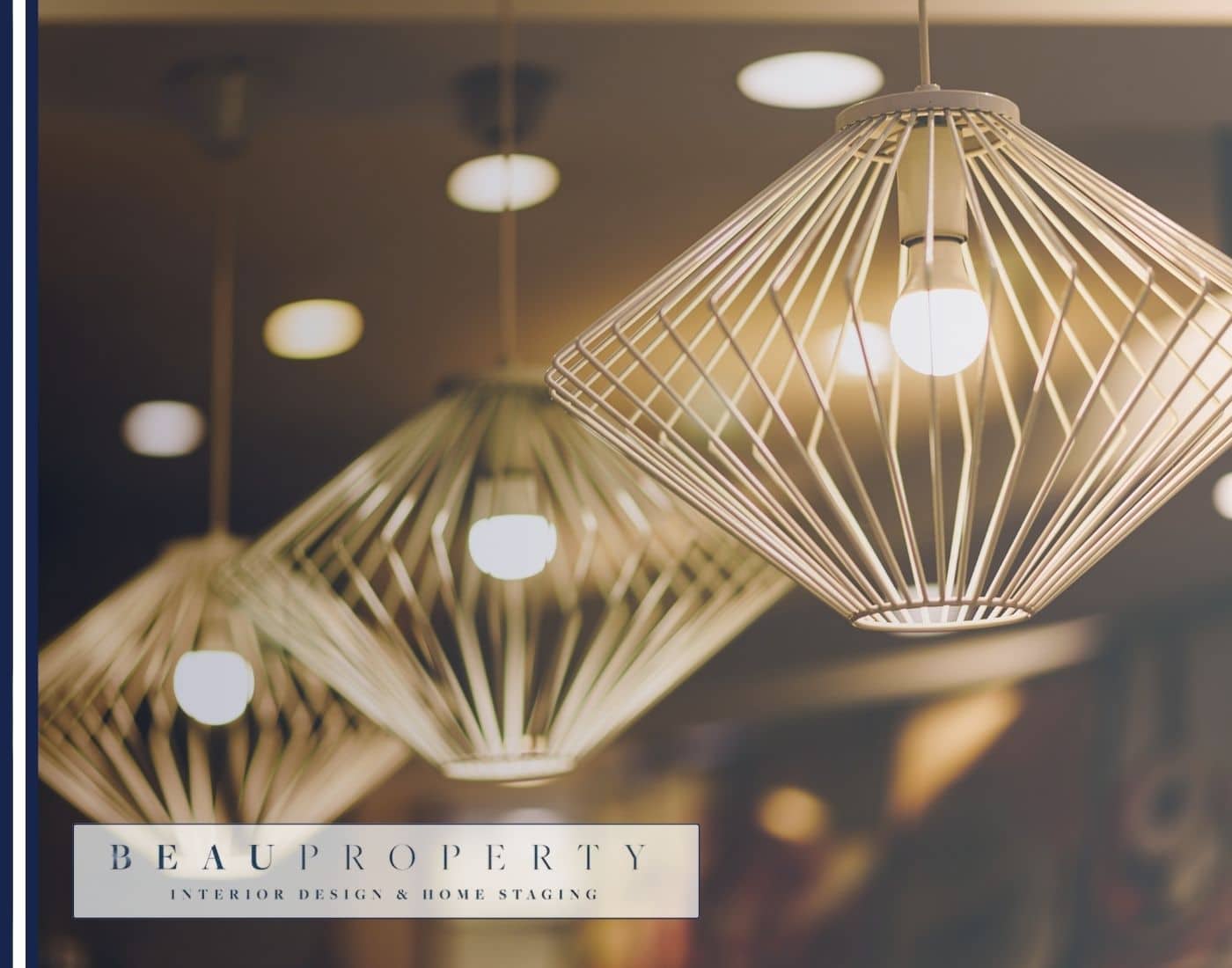
Statement lighting has become a defining feature of modern interiors. Statement lighting takes the spotlight (pun intended) as a key design element, combining practicality with striking visual impact. Rather than simply illuminating a room, lighting fixtures are now being used to create focal points, set moods, and add character to spaces. Sculptural designs, oversized fixtures, and layered lighting schemes are transforming how we think about lighting in our homes.
This trend is not limited to grand spaces; even smaller UK homes can benefit from the thoughtful use of statement lighting. By choosing the right designs and combining different layers of light, homeowners can elevate their interiors while improving functionality.
What Is Statement Lighting?
Statement lighting refers to bold, eye-catching light fixtures that serve as a design feature in a room. These pieces often go beyond their functional purpose, acting as focal points that draw attention and add an artistic flair to the space. From sculptural chandeliers and oversized pendant lights to unique floor lamps and modern wall sconces, statement lighting comes in a variety of forms and styles to suit different tastes and interiors.
Importantly, statement lighting also considers the layering of light. This involves combining ambient (general), task (focused), and accent (decorative) lighting to create a well-balanced and versatile lighting scheme. The result is a space that feels both beautiful and functional, with lighting that enhances the room’s overall atmosphere.
Why It’s Popular
Statement lighting has risen in popularity because it offers a way to merge style and functionality. Here’s why homeowners are embracing this trend:
- Visual Impact: A striking light fixture can act as a centrepiece in a room, adding drama and sophistication. It’s an easy way to make a design statement without the need for extensive renovations.
- Mood Enhancement: Lighting has a profound effect on the mood of a space. The right fixtures, combined with adjustable brightness levels, can create a warm, inviting ambience or a bright, energising atmosphere depending on your needs.
- Versatility: Statement lighting works in a variety of spaces, from kitchens and dining rooms to bedrooms and hallways. It’s a flexible trend that can be adapted to suit different styles, whether your home is sleek and modern or more traditional.
- Technology Integration: Many modern lighting designs incorporate smart technology, allowing homeowners to control brightness, colour temperature, and even colour via apps or voice commands. This fusion of functionality and design makes statement lighting a particularly appealing choice for tech-savvy homeowners.
How to Incorporate Statement Lighting
- Oversized Pendant Lights:
Large pendant lights are a popular choice for creating a dramatic focal point. They work particularly well over dining tables, kitchen islands, or in entryways. Choose a design that complements your décor, metallic finishes like brass or matte black add a modern touch, while woven rattan or glass pendants suit a more natural or traditional aesthetic. - Chandeliers with a Twist:
Forget the traditional crystal chandeliers of the past. Modern chandeliers come in a variety of styles, from minimalist geometric shapes to bold, sculptural designs. These are perfect for adding a touch of luxury to living rooms or bedrooms with high ceilings. - Unique Floor Lamps:
Floor lamps with sculptural designs can be both functional and decorative. Look for lamps with arched shapes, oversized shades, or unexpected materials like concrete or marble bases. Place them in corners or next to seating areas to add both light and character to the room. - Layered Lighting:
To achieve a dynamic and versatile space, combine different types of lighting. For example, in a living room, use ceiling lights for general illumination, table lamps for task lighting, and wall sconces to highlight artwork or architectural features. This layered approach not only improves functionality but also adds depth and interest to the room. - Wall-Mounted Fixtures:
Wall sconces or mounted lights are a great way to add a subtle statement, especially in smaller spaces like hallways or bathrooms. Choose designs with interesting shapes or materials, such as frosted glass globes, brass finishes, or asymmetric designs. - Coloured or Textured Shades:
For a softer approach to statement lighting, opt for fixtures with coloured or textured shades. A fabric lampshade in a bold colour or a glass pendant with a frosted or ribbed texture can add visual interest without overwhelming the space. - Smart Lighting Features:
Consider incorporating smart lighting systems that allow you to adjust the brightness and colour temperature of your lights. Some smart fixtures even let you change the colour entirely, providing endless options for setting the mood.
Why It Works for UK Homes
Statement lighting is particularly effective in UK homes, where natural light can often be limited due to overcast weather or smaller windows in older properties. Thoughtfully chosen lighting can compensate for these limitations, ensuring that spaces feel bright and welcoming.
For example, a large pendant light in the dining room can serve as both a functional source of light and a striking design element. In living rooms with lower ceilings, wall sconces or floor lamps can create a layered lighting effect without taking up excessive space.
In period properties, statement lighting can be used to highlight architectural features like high ceilings, bay windows, or original fireplaces. A modern chandelier in a Victorian home, for instance, can create an interesting juxtaposition between old and new, giving the space a contemporary edge while respecting its heritage.
8. Curved and Organic Shapes
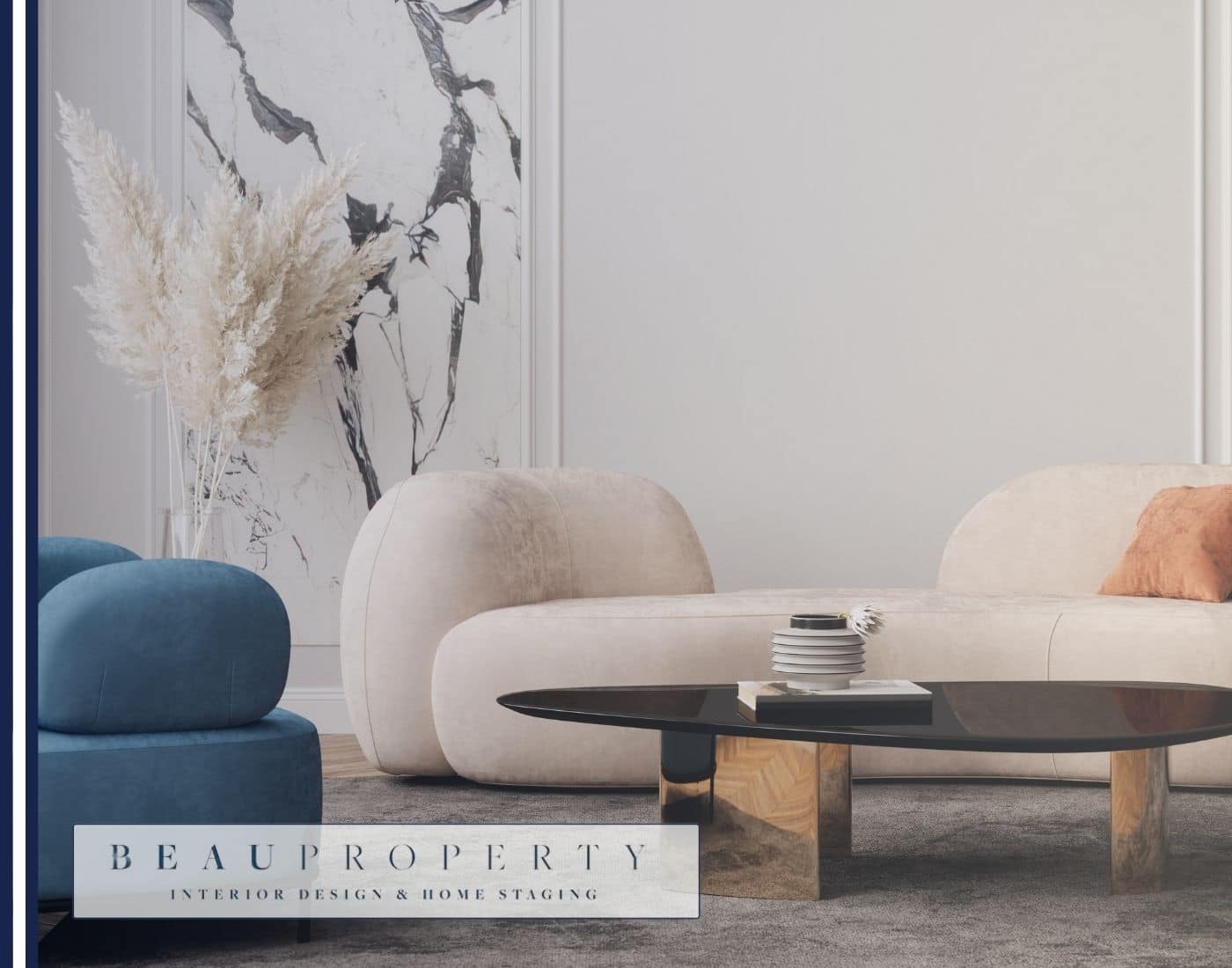
Curved and organic shapes are redefining modern interiors by bringing softness, fluidity, and a sense of movement into home design. This trend moves away from rigid, angular forms and sharp lines, favouring furniture, décor, and architectural features that embrace smooth curves, rounded edges, and flowing, organic silhouettes.
Inspired by natural forms, such as waves, arches, and circular patterns, curved and organic shapes create a sense of harmony and relaxation within a space. They add visual interest and help balance the boxy and geometric lines often found in modern interiors. From rounded furniture to arched doorways, this trend is all about creating interiors that feel inviting, elegant, and effortlessly stylish.
What Are Curved and Organic Shapes?
This design approach draws inspiration from nature, echoing the irregular yet graceful lines of the natural world. Rather than relying on perfect symmetry or stark angles, curved forms are softer and more approachable, making spaces feel more human and livable.
Key elements of this trend include:
- Rounded Furniture: Sofas, chairs, and tables with smooth, curved edges that soften the overall look of a room.
- Arches and Circular Forms: Architectural details like arched doorways, windows, or alcoves, as well as circular mirrors and lighting fixtures.
- Organic Silhouettes: Freeform shapes in furniture and décor that mimic the irregular curves found in nature.
- Layered Curvature: Combining multiple curved elements in a single room, such as a rounded coffee table paired with an arched shelving unit, to create a cohesive and flowing design.
Why It’s Popular
The popularity of curved and organic shapes can be attributed to several factors:
- Softening Modern Spaces: Many modern interiors are dominated by straight lines, right angles, and sharp edges, which can sometimes feel cold or rigid. Curved shapes introduce a sense of softness and balance, making spaces feel more welcoming.
- Influence of Nature: As people seek to bring more natural elements into their homes, the organic shapes found in nature are influencing everything from furniture design to architectural elements.
- Timeless Elegance: Curved forms have a timeless quality, appearing in design movements ranging from Art Deco to mid-century modern. This makes them a versatile choice that works across a variety of styles.
- Comfort and Relaxation: Rounded furniture is inherently more ergonomic and comfortable, both visually and physically. A curved sofa, for example, feels more approachable and inviting than a sharp-edged, boxy design.
How to Incorporate Curved and Organic Shapes
- Rounded Furniture:
Furniture is one of the easiest ways to embrace this trend. Look for sofas, armchairs, or ottomans with curved backs and rounded edges. A circular coffee table or a kidney-shaped side table can also introduce organic shapes into your living space. If you’re updating your dining area, consider a round dining table paired with chairs that have curved backs. - Arched Architectural Features:
Arches are a classic element of this trend and can be incorporated in a variety of ways. If you’re renovating, consider adding arched doorways, windows, or alcoves to soften the architecture of your home. For a less permanent option, use arched shelving units or mirrors to replicate the look without major construction work. - Organic Décor:
Smaller decorative items with fluid shapes can make a big impact. Think ceramic vases with asymmetrical silhouettes, abstract sculptures, or curved candleholders. Even textiles like rugs or cushions with wavy patterns can reflect the organic shape trend. - Lighting with Curves:
Lighting fixtures are another way to incorporate curved forms. Opt for pendant lights with rounded shades, arched floor lamps, or chandeliers with flowing, sculptural designs. These pieces not only provide illumination but also act as statement features. - Softened Walls and Ceilings:
For those looking to make a bold statement, consider curved walls or ceilings. This could mean creating a rounded corner instead of a sharp one or installing a curved ceiling feature that adds architectural interest. - Combine with Natural Materials:
Curved shapes work beautifully with natural materials like wood, stone, and rattan. For example, a wooden dining table with a rounded edge or a rattan chair with a curved frame integrates the trend seamlessly while maintaining an organic, grounded feel.
9. Retro-Modern Fusion
Retro-modern fusion is a design trend that blends the best of mid-century modern and retro styles with contemporary sensibilities. This approach combines nostalgic elements, think furniture with vintage silhouettes, funky patterns, and bold colours, with the clean lines and functionality of modern design. It’s a celebration of timeless aesthetics that have been updated to suit today’s lifestyles, creating spaces that feel both distinctive and effortlessly chic.
This trend is highly adaptable, appealing to those who love retro charm but don’t want their homes to feel stuck in the past. By carefully pairing vintage-inspired pieces with modern elements, homeowners can create interiors that feel fresh, playful, and full of character.
What Is Retro-Modern Fusion?
At its heart, retro-modern fusion is about finding harmony between the old and the new. It draws heavily from mid-century modern design (popularised in the 1940s–1960s), which is characterised by clean lines, organic forms, and a focus on functionality. Retro influences from the 1970s and 1980s, such as bold patterns, rich jewel tones, and funky shapes, are also incorporated to add a sense of fun and nostalgia.
The result is a style that feels familiar yet contemporary, with retro elements acting as a playful counterpoint to modern minimalism. Key features of this trend include:
- Mid-Century Modern Furniture: Iconic pieces like low-profile sofas, tapered wooden legs, and sideboards in walnut or teak.
- Bold Patterns and Colours: Geometric prints, abstract motifs, and vibrant hues like mustard yellow, burnt orange, teal, and deep navy.
- Retro-Inspired Décor: Vintage lighting, rounded mirrors, or funky artwork that nods to past eras.
- Modern Functionality: While the aesthetics may be retro-inspired, the design prioritises practicality to suit today’s needs, such as modular furniture or smart technology.
Why It’s Popular
The retro-modern fusion trend has gained traction for several reasons:
- Nostalgia with a Twist: Many homeowners feel drawn to the nostalgia of retro design, but they also want their spaces to feel relevant and practical. This fusion style allows them to enjoy the charm of vintage aesthetics without sacrificing contemporary functionality.
- Personality-Driven Design: Unlike ultra-minimalist spaces, this trend embraces character and individuality. By mixing retro pieces with modern elements, homeowners can create interiors that feel unique and personal.
- Sustainability: Incorporating vintage or second-hand furniture is an eco-friendly way to furnish your home, aligning with the wider trend toward sustainability in design.
- Timeless Appeal: Retro-modern fusion strikes a balance between classic and current, ensuring that spaces won’t feel dated in a few years.
How to Incorporate Retro-Modern Fusion
- Invest in Mid-Century Modern Furniture:
Furniture is the backbone of this trend. Look for pieces with clean lines, tapered legs, and natural wood finishes in materials like teak or walnut. A mid-century modern armchair or a wooden sideboard can act as a statement piece while blending seamlessly with modern décor. - Play with Patterns:
Retro-modern interiors often feature bold patterns, including geometric prints, abstract shapes, or even floral motifs. Incorporate these through wallpaper, upholstery, or rugs. For example, a geometric-print rug in the living room or a patterned cushion on a sleek sofa can add a playful touch. - Choose a Retro Colour Palette:
Retro-modern colour schemes typically include rich, saturated tones like mustard yellow, burnt orange, teal, and emerald green, often balanced by neutral shades such as cream, beige, or grey. Use these colours sparingly to avoid overwhelming the space, for instance, a teal velvet sofa can act as a focal point in an otherwise neutral room. - Add Retro Lighting:
Lighting is an easy way to bring retro charm into your home. Look for pendant lights with globe-shaped glass shades, Sputnik chandeliers, or table lamps with colourful bases. These pieces not only provide illumination but also act as decorative features. - Mix Old and New:
The key to retro-modern fusion is balance. Pair vintage-inspired pieces with modern elements to keep the look fresh. For example, a mid-century modern dining table can be paired with contemporary dining chairs, or a retro sideboard can house a sleek, modern TV. - Embrace Vintage-Inspired Décor:
Incorporate decorative items like vintage clocks, abstract art, or retro vases to enhance the nostalgic feel. Scour flea markets or online marketplaces for unique finds, or look for modern reproductions of retro designs from brands that specialise in mid-century-inspired furniture. - Incorporate Curved and Organic Forms:
Retro-modern fusion often overlaps with the trend for curved and organic shapes. Rounded furniture, circular mirrors, or kidney-shaped coffee tables can add a playful yet sophisticated touch to your interiors.

10. Smart Home Integration
Smart home integration is revolutionising the way we live by seamlessly blending technology into our daily routines and interior design. No longer just a luxury, smart home systems are becoming a standard feature in modern homes, offering greater convenience, energy efficiency, and enhanced functionality. From voice-controlled lighting and heating to discreet security systems and smart appliances, this trend combines cutting-edge technology with sleek aesthetics to create homes that are both high-tech and stylish.
Smart integration doesn’t mean your home needs to look like a scene from a futuristic movie. Today’s smart devices are designed with a minimalist and unobtrusive approach, blending seamlessly into a variety of interior styles. This makes it possible to enjoy the benefits of technology without sacrificing the character or design of your home.
What Is Smart Home Integration?
Smart home integration refers to the use of interconnected devices and systems that can be controlled remotely or automatically. These devices are typically managed through a smartphone app, voice commands, or a central hub, allowing homeowners to control various aspects of their home with ease.
Key components of smart home integration include:
- Smart Lighting: Lights that can be dimmed, brightened, or even changed in colour using a voice assistant or app. They often allow pre-set “scenes” for different moods or times of day.
- Smart Heating and Cooling: Systems like smart thermostats that learn your preferences, optimise energy use, and allow remote control from your phone.
- Home Security: Cameras, doorbell systems, and motion sensors that provide real-time monitoring and alerts, improving safety and peace of mind.
- Smart Appliances: Kitchen gadgets, washing machines, or refrigerators that can be controlled remotely or programmed to operate more efficiently.
- Voice-Activated Assistants: Devices like Amazon Alexa or Google Home that act as hubs to control other smart devices.
- Entertainment Systems: Smart TVs, speakers, and projectors that offer seamless streaming and multi-room audio capabilities.
Why It’s Popular
Smart home integration has become increasingly popular due to its ability to simplify everyday tasks, reduce energy consumption, and enhance the overall functionality of a home. Here’s why more homeowners are adopting this trend:
- Convenience: With smart devices, you can control your home from anywhere. Forgot to turn off the lights? Adjust them from your phone. Want to pre-heat the oven on your way home? Just use an app.
- Energy Efficiency: Smart systems help optimise energy use, reducing waste and lowering utility bills. For example, smart thermostats learn your schedule and adjust heating or cooling accordingly, while smart lighting can be set to turn off automatically when a room is empty.
- Safety and Security: Smart cameras, doorbells, and locks provide real-time updates and remote monitoring, giving homeowners peace of mind whether they’re at home or away.
- Customisation: Smart systems allow for a high level of personalisation. You can program devices to suit your preferences, from creating specific lighting scenes to scheduling appliance usage.
- Future-Proofing: As technology continues to advance, integrating smart devices ensures your home remains modern and desirable to potential buyers.
How to Incorporate Smart Home Integration
- Start with a Hub:
A smart home hub, such as Amazon Echo or Google Nest, acts as the central control point for your devices. Choose one that’s compatible with a wide range of products to ensure seamless integration as you expand your smart home system. - Upgrade to Smart Lighting:
Replace traditional bulbs with smart LED bulbs that can be controlled remotely or via voice commands. Many systems, such as Philips Hue, allow you to adjust brightness, colour, and even set schedules for different times of day. For example, you can create a “morning” scene with soft, warm lighting or a “movie night” scene with dimmed lights. - Install a Smart Thermostat:
Smart thermostats, such as Nest or Hive, are one of the most impactful ways to integrate smart technology into your home. These devices learn your routines and preferences, optimising energy use while keeping your home comfortable. You can also control the temperature remotely, ensuring your home is warm when you arrive or saving energy while you’re out. - Enhance Security:
Smart security systems are a practical addition to any home. Install a video doorbell, such as Ring, to monitor package deliveries or unexpected visitors. Combine it with smart locks and motion sensors for a comprehensive security setup that can be monitored from your phone. - Add Smart Appliances:
From fridges that monitor your groceries to washing machines that can be controlled remotely, smart appliances make household tasks more efficient. Look for appliances that integrate with your existing smart hub for easy control. - Incorporate Smart Entertainment:
Upgrade your entertainment system with a smart TV or wireless speakers that connect to your devices. Multi-room audio systems, such as Sonos, allow you to play music throughout your home, while voice-controlled projectors can transform your living room into a home cinema. - Keep It Discreet:
Many smart devices are designed to blend seamlessly into your décor. Choose minimalist designs and hide wires or hubs to maintain a clean, clutter-free look. For example, smart speakers can double as decorative objects, and wall-mounted smart lights can add a modern touch to your interiors.
Conclusion: Transform Your Home with Style and Functionality
Whether you’re updating a single room or reimagining your entire home, these trends offer endless opportunities to create a space that’s stylish, practical, and uniquely yours. Start small by adding a touch of nature, experimenting with bold colours, or upgrading your lighting. Before long, you’ll see how these thoughtful updates can completely transform your home into a modern haven.
Ready to bring these ideas to life? Let your creativity guide you, and enjoy the process of designing a home that truly reflects your personality and lifestyle.