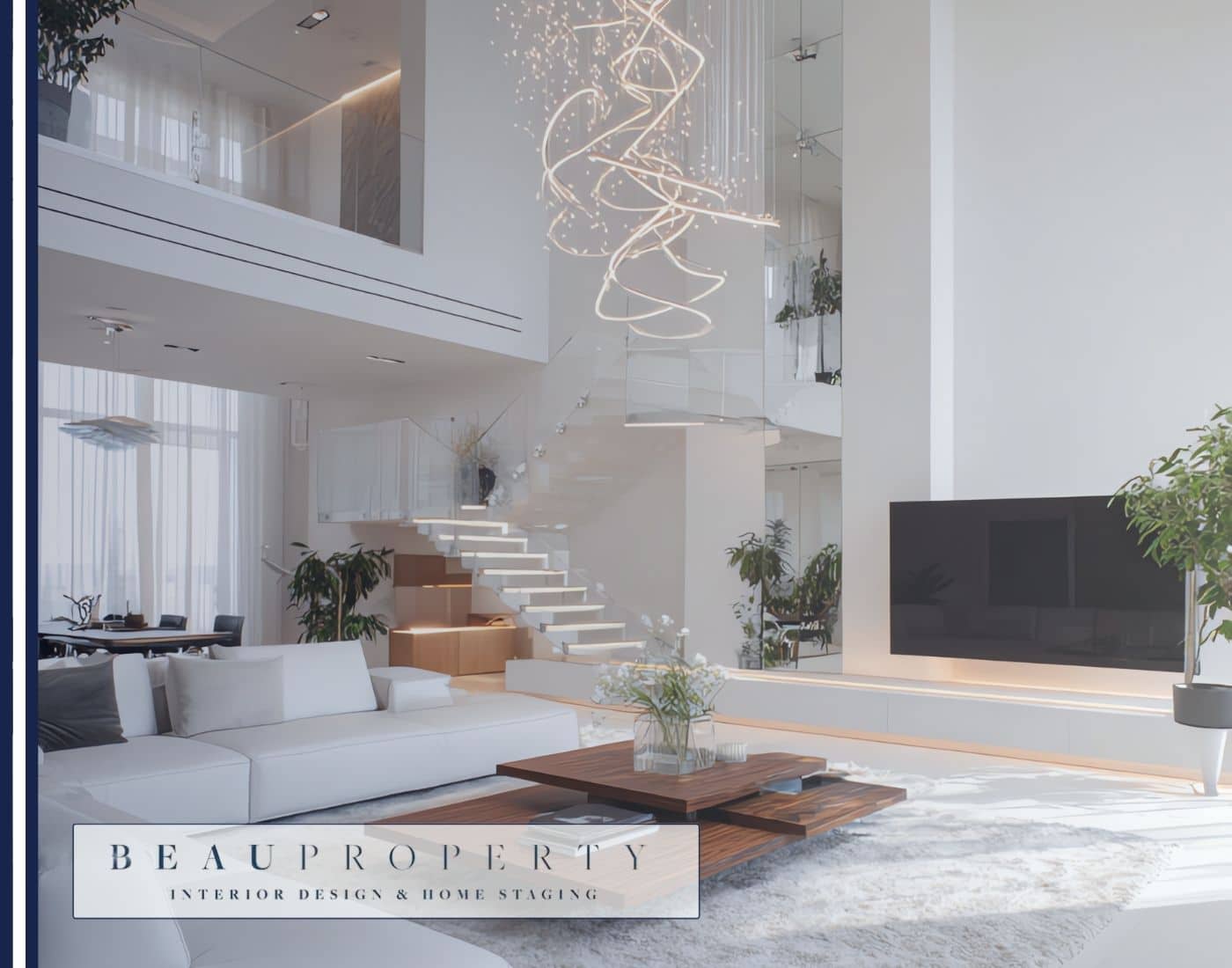
In the competitive world of property sales, creating an inviting atmosphere can significantly influence a buyer’s decision. Incorporating contemporary design elements into home staging enhances visual appeal and demonstrates how modern living spaces can be both functional and beautiful.
Understanding Contemporary Design Elements in Staging
Defining Contemporary Design
Contemporary design reflects current trends and encompasses a range of styles unified by simplicity, clean lines, and practicality. Key characteristics include:
- Minimalism: A preference for fewer, meaningful items that create uncluttered spaces.
- Natural Materials: The use of wood, stone, and metal to evoke warmth while maintaining a modern feel.
- Open Spaces: Designs that promote fluidity and interconnectedness among various areas, thereby enhancing usability.
- Neutral Colour Palettes: Soft whites, greys, and earthy tones establish a calming backdrop.
In staging, these contemporary elements resonate strongly with buyers, creating a familiar and inviting environment essential for helping them envision their future in the space.
Key Characteristics of Contemporary Design
To effectively employ contemporary design in staging, understanding the following attributes is vital:
- Colour Palettes: Neutral and muted colour schemes work best, accented by bold pops of colour through art and accessories, making spaces feel larger and more welcoming.
- Materials and Textures: A mix of textures, smooth metals combined with soft fabrics, creates visual interest.
- Furniture Style: Selecting pieces with clean lines and functional designs embodies modern aesthetics while ensuring comfort.
By incorporating these characteristics, staged properties can stand out, attract more viewers, and lead to quicker sales.
The Role of Space Planning
Importance of Space Optimisation
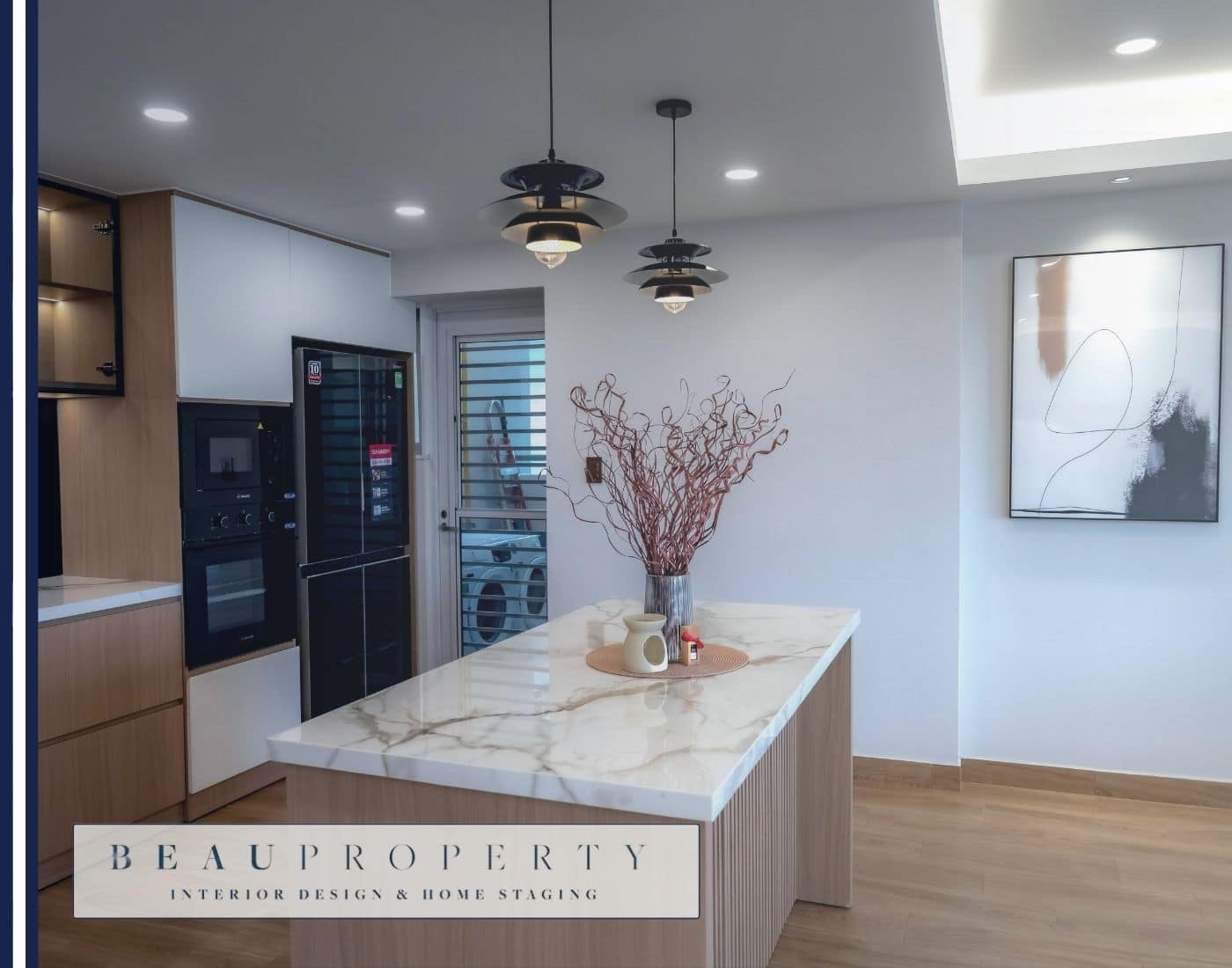
Space optimisation is crucial in home staging, particularly with contemporary design elements. A well-planned layout can make rooms feel larger and more inviting. Here’s how to incorporate effective space planning:
- Furniture Arrangement: Position furniture to support natural movement. For example, placing a sofa away from walls encourages conversation and warmth.
- Clear Flow: Ensure each area serves a distinct purpose while allowing a smooth flow between spaces. Open pathways can enhance the overall sense of space.
- Strategic Accessories: Use accessories thoughtfully. Placing them carefully can highlight key features without overwhelming the visual landscape.
Practical Examples of Effective Space Planning
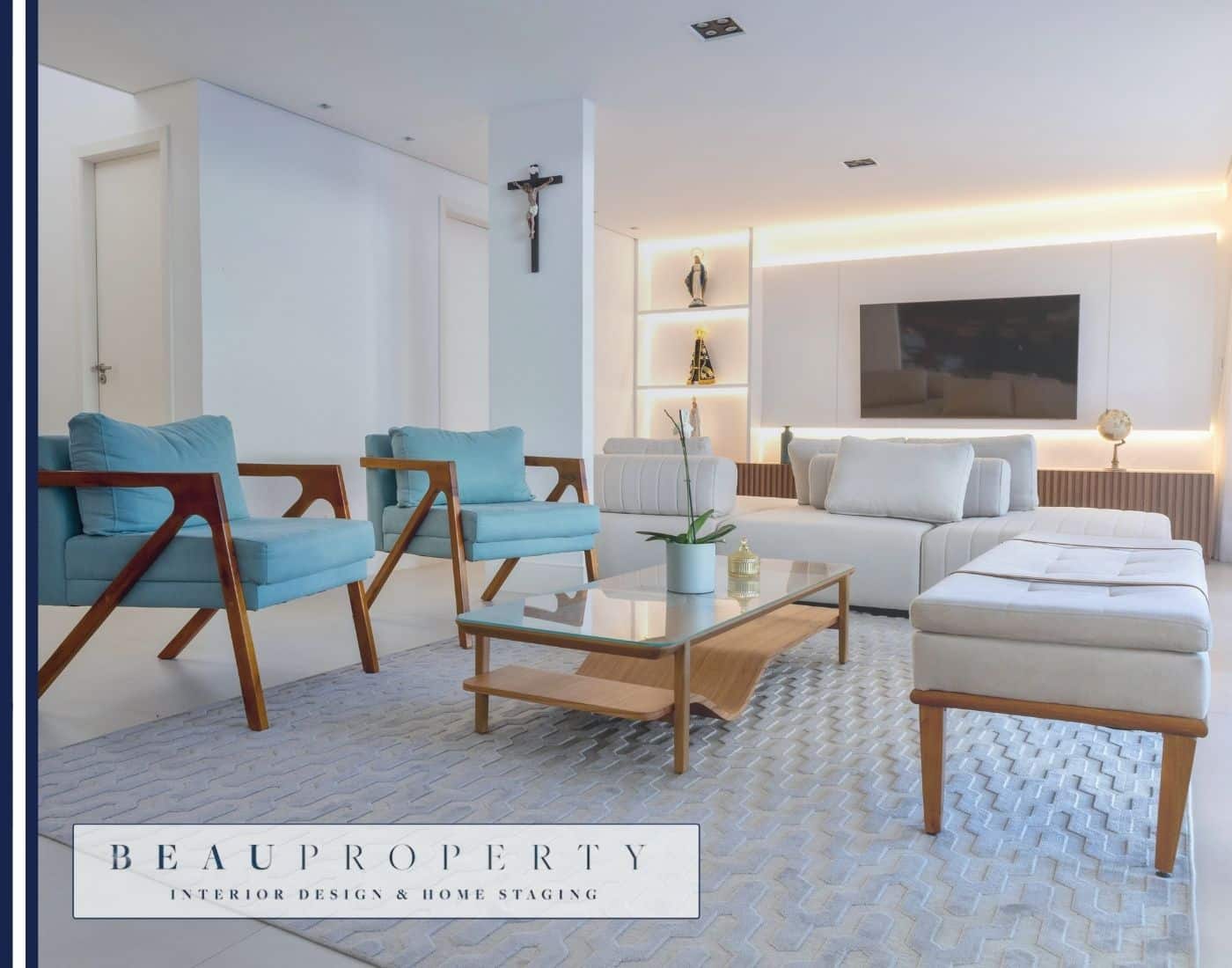
In staging a living room, consider a sectional sofa to create defined seating in a larger area, complemented by accent tables. For smaller spaces, multifunctional furniture, like coffee tables with storage, enhances utility while embodying contemporary design that resonates with functionality.
Selection of Furniture and Accessories
Choosing the Right Furniture
For staging, reflect contemporary design principles while considering the property’s target audience. Here are key guidelines:
- Versatility and Scalability: Choose adaptable pieces. Modular furniture can seamlessly fit various layouts.
- Current Trends: Incorporate styles like Scandinavian minimalism or mid-century modern that translate well into diverse interiors.
- Material Composition: Opt for sustainable materials, such as reclaimed wood dining tables paired with sleek metal chairs, blending rustic charm with contemporary style.
Highlighting Accessories
Accessories can emphasise contemporary design effectively. When selecting accessories, consider:
- Art and Decor: Choose pieces that align with the property’s colour scheme while enhancing its contemporary aesthetics. Large, bold artwork can create focal points in neutral spaces.
- Textiles: Use pillows, throws, and rugs to introduce warmth and texture, echoing the colour palette of the overall design ethos.
- Functional Pieces: Stylish storage units or contemporary lighting fixtures can enhance utility while improving visual appeal.
By choosing furniture and accessories that reflect contemporary design, homeowners and staging professionals can create functional and inviting properties.
Colour Schemes and Textures
Creating Impact with Colours
The colour scheme significantly influences contemporary home staging. A well-thought-out palette not only sets the mood but also shapes buyer perceptions. Popular colours include:
- Soft Whites and Greys: These tones act as a calming base that makes spaces appear larger.
- Earthy Tones: Integrating colours like olive green or terracotta adds warmth and a grounding influence.
- Accent Colours: Bold accents can create points of interest through decorative items or pillows without overwhelming the senses.
Combining Textures for Depth
Using various textures can enhance a space’s appeal. Here are effective methods:
- Mixing Textures: Pair soft textiles with hard surfaces, such as leather sofas with glass coffee tables, to create engaging contrasts.
- Focal Textures: Consider accent walls with textured finishes or wallpaper to draw attention and add sophistication.
- Layering: Use rugs to introduce both texture and comfort, defining spaces within open floor plans.
Understanding how colours and textures work together in contemporary design helps in staging properties that feel inviting and polished.
Lighting and Ambiance
The Importance of Lighting in Staging
Lighting alters a space’s perception during staging. The right illumination creates an inviting atmosphere that encourages buyers to linger. To maximise lighting:
- Natural Light: Make use of natural light. Clean windows, sheer curtains, and strategic mirror placements enhance brightness.
- Layered Lighting: Incorporate ambient, task, and accent lighting to create a warm and welcoming environment.
- Contemporary Fixtures: Choose lighting fixtures that reflect contemporary design trends, like minimalist pendant lights, to complement the overall aesthetic.
Practical Lighting Techniques
For illustration, stage a dining area with a statement pendant light above the table to anchor the space, complemented by wall sconces that highlight architectural features and create mood lighting for entertaining.
Taking full advantage of natural and artificial light sources ensures that staged properties appeal to buyers through a bright and inviting ambience.
Incorporating Art and Decoration
The Role of Art in Contemporary Staging
Art and decoration can enhance the beauty of a staged home while reflecting contemporary design philosophies. When incorporating art, consider:
- Curation over Volume: Select impactful pieces rather than overcrowding walls. This reinforces a sense of curation and sophistication.
- Universal Appeal: Choose art that resonates broadly. Abstract pieces often offer versatility, working with various colour schemes.
- Balancing Statement Pieces: A bold artwork can define a room but should be balanced with minimalistic furnishings to prevent chaos.
Practical Decoration Tips
For instance, when staging a living room, opt for a large, vibrant abstract painting above the sofa while keeping side tables and decor minimalist. Adding strategically placed plants can enhance aesthetics, introduce colour, improve air quality, and create a homely feel.
Conclusion
Incorporating contemporary design elements into property staging is about more than aesthetics; it’s about creating an environment that resonates with potential buyers. Establishing a clean, inviting space through thoughtful colour schemes, strategic furniture selection, and effective lighting can enhance any property’s appeal. As homeowners, real estate agents, and staging professionals prepare for the market, understanding and implementing these contemporary design principles will yield tangible results.
Embrace the facets of contemporary design in your staging efforts to improve aesthetic appeal and create welcoming, functional environments that prospective buyers can envision as their future homes. Start planning your next property staging project with these insights and witness how your spaces’ appeal heightens!