Introduction
In the competitive world of real estate, property staging is a critical tool for attracting potential buyers and securing a successful, profitable sale. Effective staging goes far beyond mere decoration; it involves curating an experience that resonates with prospective buyers and showcases your property’s absolute best features.
By adapting your interior design and staging techniques to suit the specific characteristics of your building, you can significantly enhance its market appeal. This guide delves into the nuances of property staging for different property types; from cosy residential homes and compact spaces to high-end luxury properties and commercial venues. By the end of this article, property owners will have the strategic insights needed to create inviting environments that captivate their target demographic.
Understanding Various Property Types
Before diving into specific staging techniques, it is crucial to understand the varying property types on the market. Each category possesses defining characteristics that should heavily influence your staging strategy:
Residential Homes
- Detached Homes: Stand-alone properties, often with larger gardens, that primarily appeal to families seeking privacy and space.
- Semi-Detached Homes: Sharing one wall with a neighbouring property, these homes blend communal charm with private living areas.
- Terraced Houses: Common in urban and suburban areas, these properties share common walls on both sides and frequently attract first-time buyers and young professionals.
Commercial Properties
- Retail Spaces: Designed for selling goods or services. Effective staging here must demonstrate commercial viability and customer flow.
- Office Spaces: These environments must reflect functionality, versatility, and efficiency to appeal to business owners.
- Industrial Properties: Often large, open-plan spaces where staging can help showcase operational efficiency and potential usage.
Unique Property Types
- Lofts: Converted spaces with open layouts that demand creative staging to highlight unique architectural features like exposed brick or high ceilings.
- Converted Spaces: Properties transformed from a previous use (such as barns or factories) require tailored staging to celebrate their history while proving their modern adaptability.
Staging Residential Properties
Staging residential properties is all about forming an emotional connection with potential buyers. The ultimate goal is to transform your rooms into environments that instantly evoke a sense of “home.”
Creating Emotional Connections
- Emphasising Living Spaces: Arrange your furniture to define specific areas without overcrowding the room. A well-placed sofa can create a cosy, inviting lounge, while a strategically positioned dining table highlights the connectivity of an open-plan kitchen.
- Choosing the Right Decor: Your decor should complement the property’s inherent style. For traditional period homes, consider warm colour palettes and classic furnishings. For contemporary new builds, minimalist aesthetics and clean lines work best.
- Utilising Accessories: Soft furnishings like cushions, textured rugs, and tasteful artwork make a space feel lived-in and welcoming. A carefully selected piece of art can serve as a stunning focal point, drawing the eye without overwhelming the space.
Techniques for Different Styles
- Traditional Interiors: Utilise classic furniture styles with rich woods and plush fabrics. Warm, inviting colour schemes are preferable to stark, ultra-modern palettes.
- Contemporary Aesthetics: Opt for sleek, minimalist furniture designs. Neutral tones accented with deliberate pops of colour create a highly appealing, modern finish.
Staging Luxury Homes
Luxury homes require a highly refined approach to staging that accurately reflects their exclusivity and premium price tag.
Reflecting Exclusivity and Sophistication
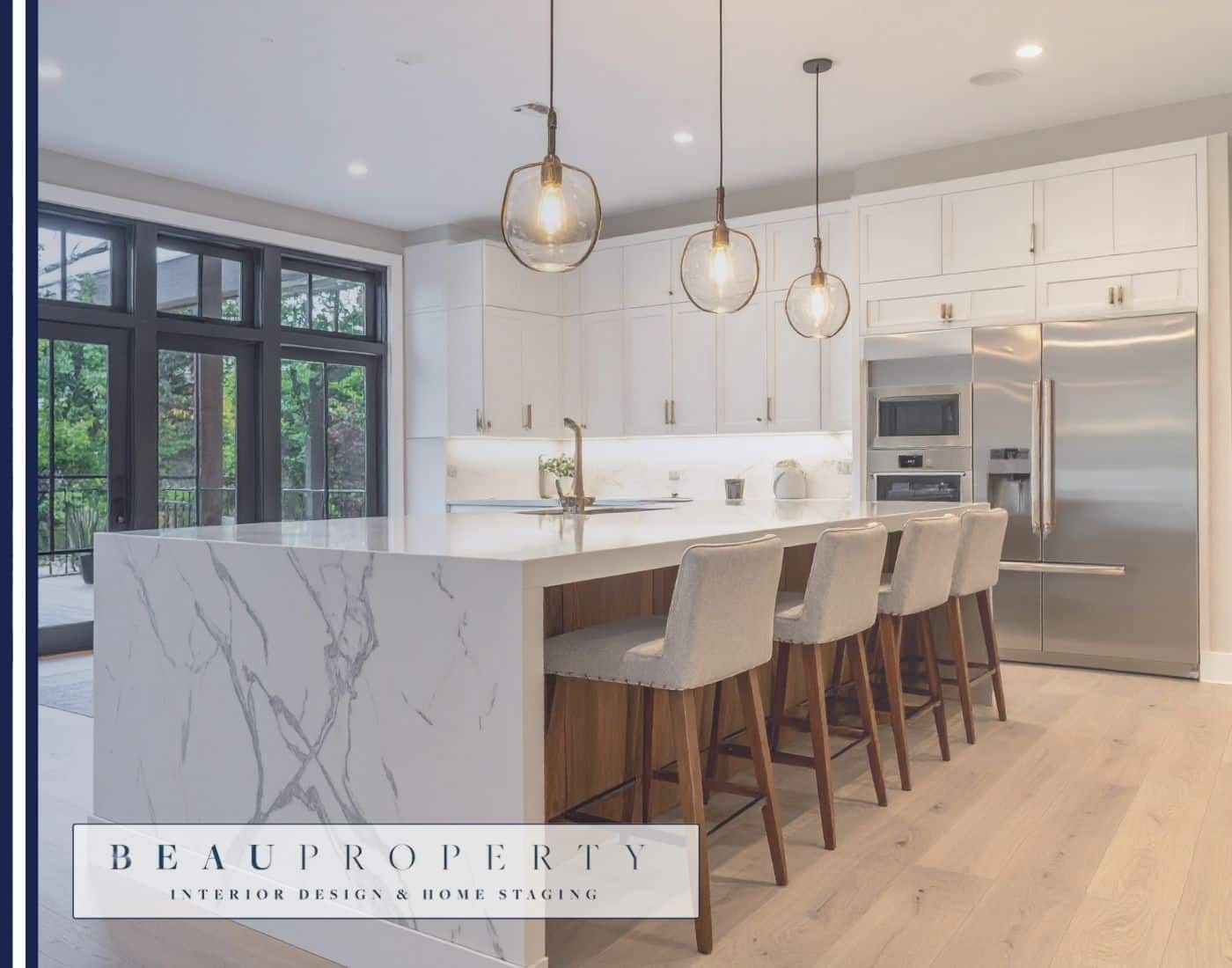
- High-End Furnishings: Select furniture crafted from premium materials that convey luxury—think supple leather sofas, statement marble coffee tables, and bespoke cabinetry.
- Attention to Detail: Luxury staging demands meticulous attention to the finer details. Freshly cut flowers, elegant dinnerware set on a polished dining table, and premium toiletries in the bathrooms imply a lifestyle of comfort and elegance.
- Creating an Aspirational Lifestyle: Showcase the lifestyle associated with the property. Staging a landscaped outdoor patio with luxurious lounge furniture and subtle lighting enhances the sense of prestige.
Essential Elements of Luxury Staging
- Artistic Touches: High-end homes benefit greatly from tasteful abstract sculptures or large-scale paintings that harmonise with the property’s architecture.
- Luxurious Textiles: Incorporate high-quality textiles, such as silk curtains, velvet cushions, and plush, deep-pile rugs, to create a rich, tactile environment.
Staging for Small Spaces
Staging smaller properties presents unique challenges, but it also offers fantastic opportunities to showcase clever design. The goal is to make the environment feel as spacious, bright, and functional as possible.
Maximising Space and Functionality
- Optimising Furniture Placement: Choose multi-functional furniture, such as sofa beds or stylish ottomans with hidden storage, to maximise utility without cluttering the floor plan.
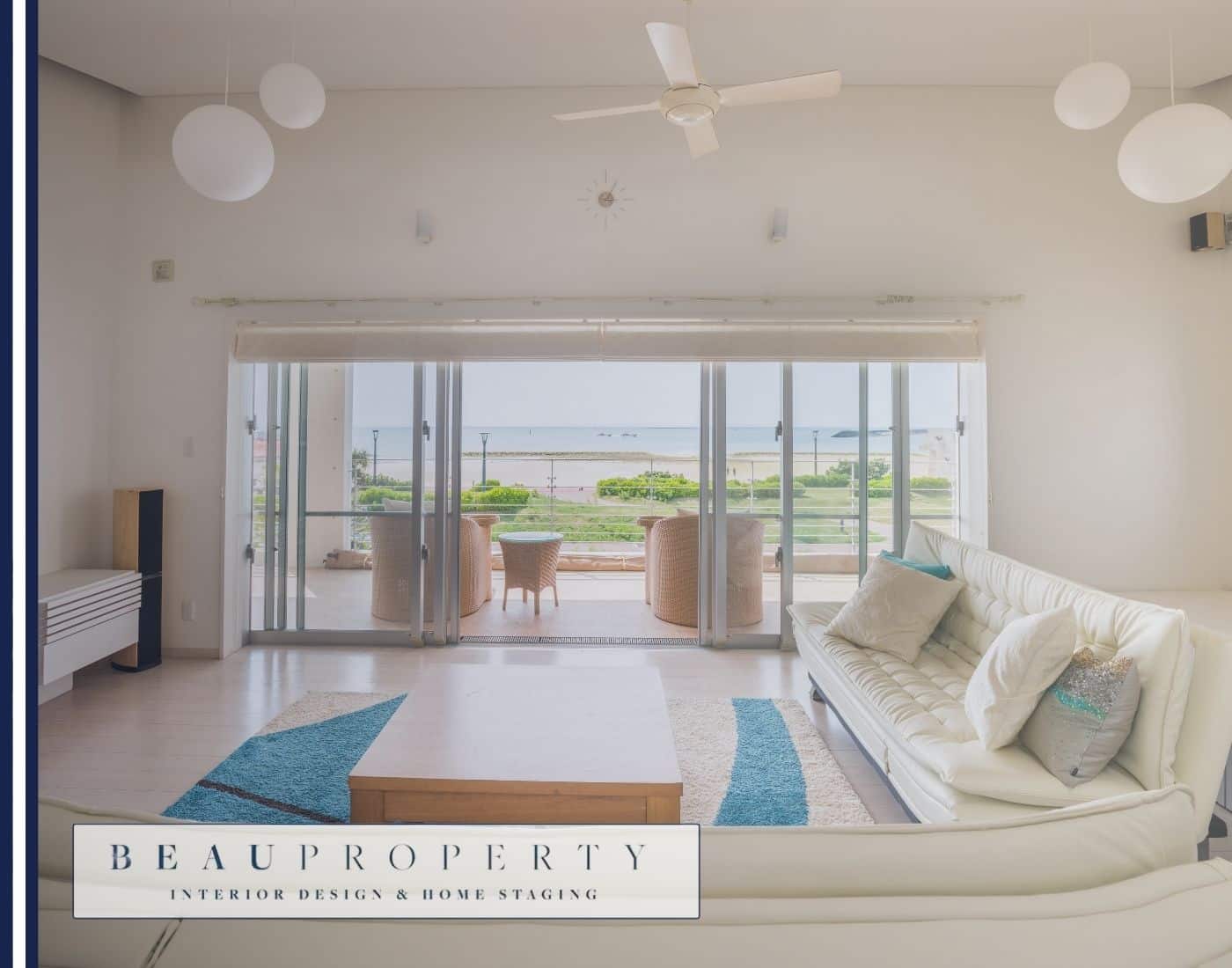
- Light and Bright Colour Schemes: Lighter colours create a powerful illusion of space. Opt for soft whites, gentle pastels, or light greys to reflect natural light and create an airy atmosphere.
- Clever Use of Mirrors: Strategically placing large mirrors opposite windows can double the natural light in a room and add visual depth, making a compact space feel significantly larger.
Cleanliness and Simplicity
- Decluttering: Keep all surfaces neat and tidy. Remove excess personal items while retaining just a few key decorative touches to maintain a homely, welcoming feel.
- Simple Decor: Stick to a minimalist approach. A few well-chosen, appropriately scaled pieces of furniture will convey style much better than a room crammed with oversized items.
Staging Commercial Properties
In commercial staging, the focus shifts away from emotional, homely connections towards practicality and return on investment. You must demonstrate how potential tenants or buyers can use the space efficiently.
Demonstrating Functionality and Versatility
- Open Layouts: Create office configurations that highlight flexibility. Using movable partitions or modular desks can showcase how the space can be adapted for various business needs.
- Signage and Branding: For retail spaces, staging should hint at brand visibility. Clear sightlines and strategic product placement areas enhance the property’s commercial appeal.
- Flexible Spaces: In industrial or mixed-use properties, setting up distinct zones can communicate the building’s versatility to potential investors.
Customising Staging Based on Buyer Demographics
Staging is never a one-size-fits-all endeavour. Understanding your target buyer demographic is critical, as each group has unique tastes and lifestyle preferences that drive their purchasing decisions.
Understanding Your Target Audience
- Families: Focus on functional, durable spaces that promote family interaction. Highlight welcoming living rooms, practical utility areas, and communal dining spaces.
- Young Professionals: Highlight modernity, low maintenance, and convenience. Emphasising tech-friendly features, home office potential, and entertaining spaces resonates incredibly well with this demographic.
- Downsizers and Retirees: Accentuate comfort, ease of movement, and practicality. Highlight features like accessible layouts, easy-to-maintain gardens, and abundant natural light.
Conclusion
Effective property staging is an essential component of marketing and selling any building. Mastering property staging for different property types—whether a charming suburban family home, a luxurious high-end estate, a compact urban apartment, or a versatile commercial space—requires tailored techniques that resonate with specific buyer demographics.
By understanding your property’s unique strengths and implementing these targeted design strategies, property owners can craft compelling visual narratives that turn viewings into firm offers.
Are you ready to maximise your property’s market appeal?
Explore our professional property staging and interior design services today. Consult with our expert team to transform your empty or uninspiring rooms into irresistible spaces that captivate potential buyers and secure the best possible sale price. Contact us to get started!