Introduction
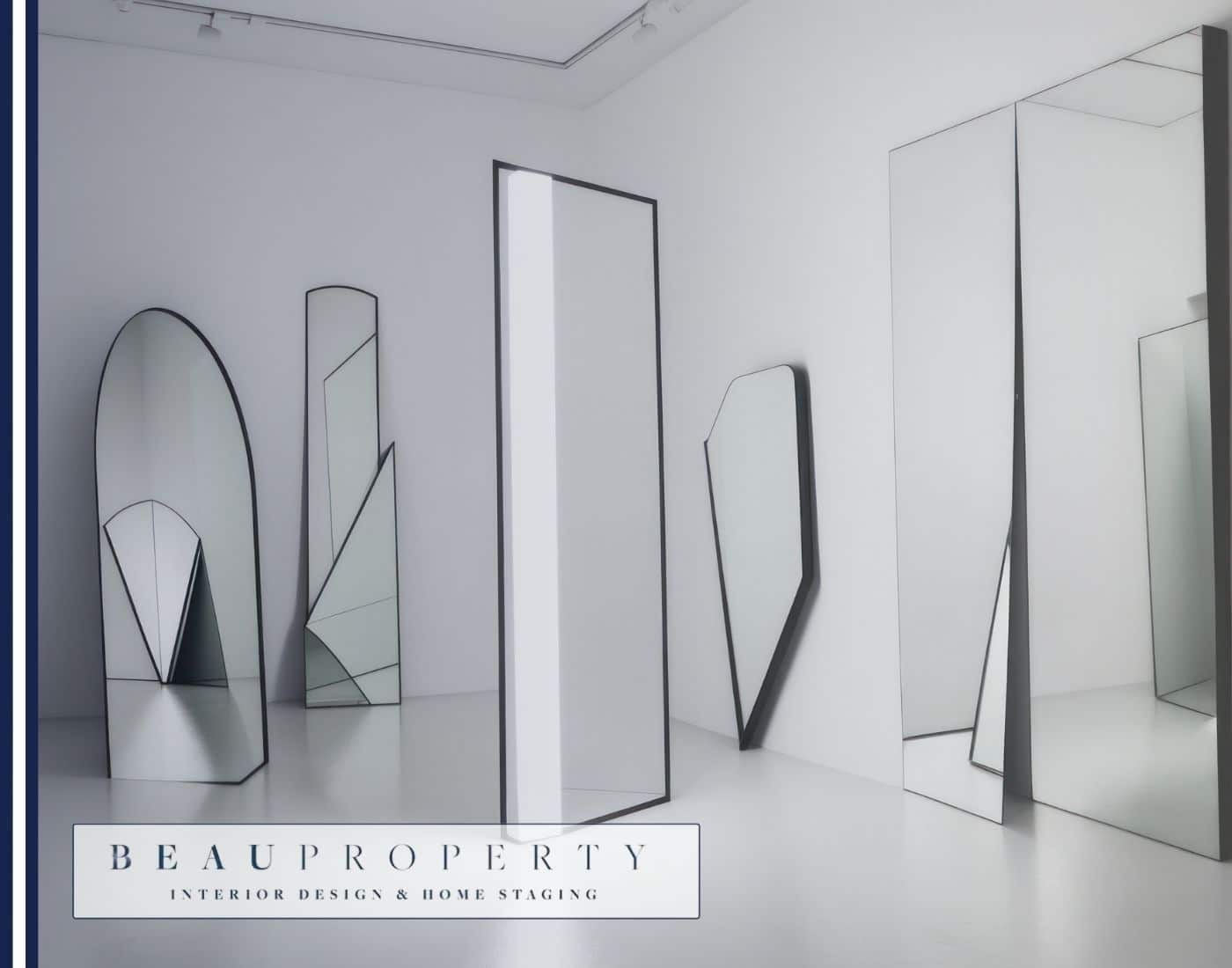
Mirrors have long been celebrated in interior design for their ability to transform spaces. They add depth, light, and unique aesthetic appeal. Their versatility spans various design styles, from modern minimalism to classic opulence, allowing homeowners and design enthusiasts to explore creative mirror techniques that enhance their living environments. By strategically placing mirrors, you can create optical illusions that make rooms feel larger and brighter, while also serving as captivating decorative elements.
The Role of Mirrors in Interior Design
The use of mirrors in interior design has a rich history. In ancient times, they were luxury items associated with wealth and power. Today, mirrors have evolved into essential design elements that serve both functional and decorative purposes. Beyond their reflective capabilities, mirrors can significantly influence the atmosphere of a space, contributing to a sense of sophistication and elegance.
Historical Context of Mirrors
Historically, mirrors were crafted from polished metals before evolving into glass forms with silver backing. This evolution reflects advancements in technology and artistry, culminating in a wide array of styles that cater to individual tastes. In modern design, mirrors are not merely functional objects but artistic features that can transform a room’s atmosphere.
Psychological Effects of Mirrors
Mirrors can profoundly affect how we perceive our surroundings. They create the illusion of larger, more open spaces, making them particularly advantageous in smaller rooms. Reflective surfaces bounce light around, enhancing brightness and creating a welcoming environment. This manipulation of space and light is a powerful tool in the interior designer’s toolkit.
Reflective Techniques for Space Enhancement
With a solid understanding of the role mirrors play in interior design, we can explore various techniques for using them effectively within different spaces. Each technique offers unique benefits and imparts specific effects to a room.
Creating Illusions of Space
One of the most celebrated techniques in interior design is using mirrors to create illusions of space. When placed strategically, mirrors can visually expand a room, making it feel more open and airy. This technique is especially effective in smaller areas, such as apartments or compact homes.
The Science Behind Light Reflection
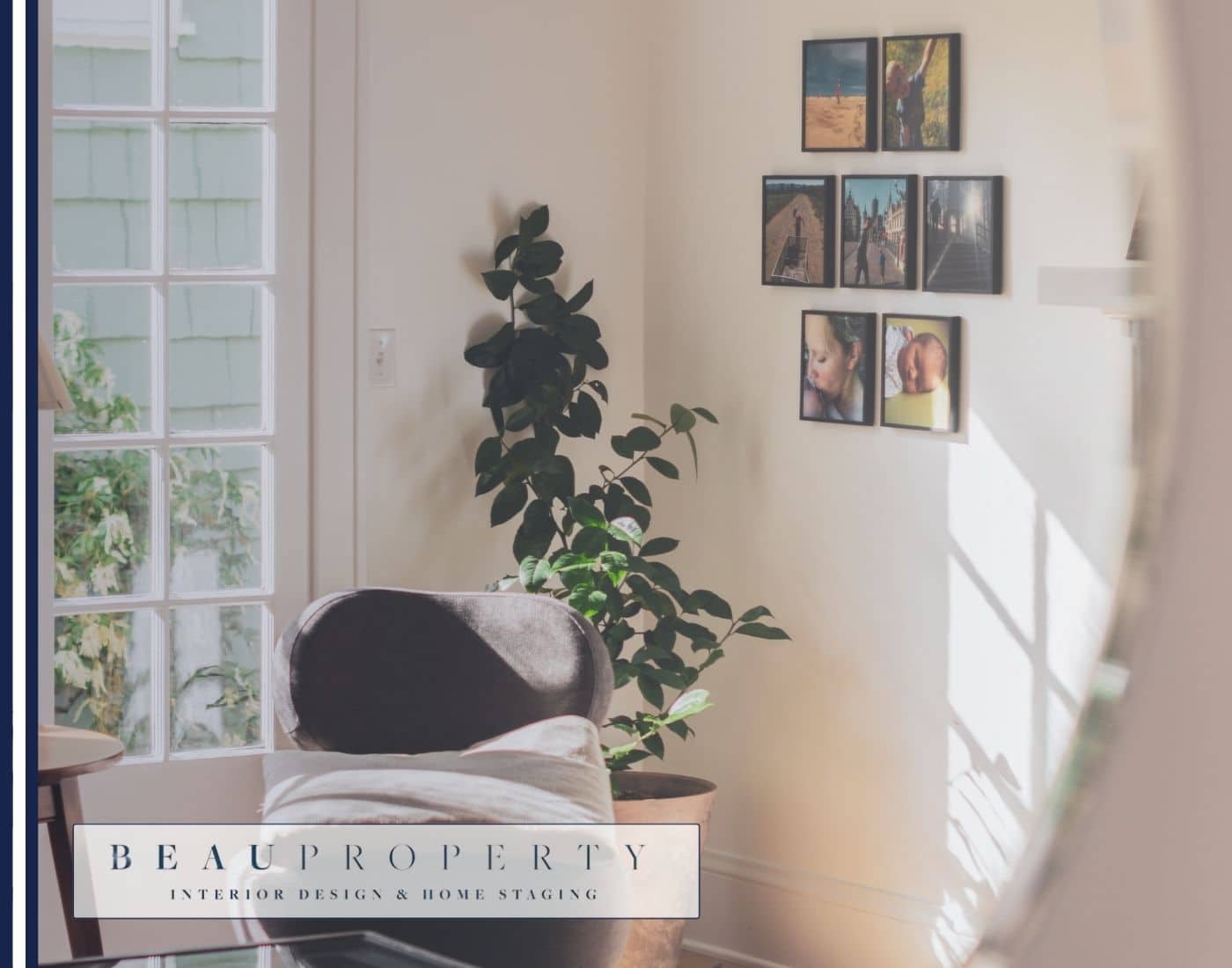
The principle behind this technique lies in the science of light reflection. Mirrors reflect not only light but also the views and colours of the surrounding environment. By positioning mirrors opposite windows or light sources, you can amplify natural light and create an illusion of depth. For instance, a well-placed mirror in a living room can reflect the garden outside, effectively bringing the outdoors in.
Enhancing Natural Light
Mirrors are exceptional tools for enhancing natural light within a space. By reflecting light from windows or skylights, they can brighten even the darkest corners of a room. This technique is especially valuable in areas that may lack adequate lighting.
Positioning for Maximum Effect
To maximise the effect of natural light, consider placing mirrors at angles that capture sunlight throughout the day. For example, a large mirror positioned across from a window can amplify the light entering the room, creating a warm and inviting atmosphere. In kitchens, mirrors can be positioned above countertops to reflect light and make the space feel more expansive.
Focal Points with Statement Mirrors
Large, decorative mirrors can serve as stunning focal points in any interior design scheme. By selecting a statement mirror with an eye-catching frame or unique shape, you can draw attention to specific areas of a room, creating visual interest and depth.
Choosing the Right Style
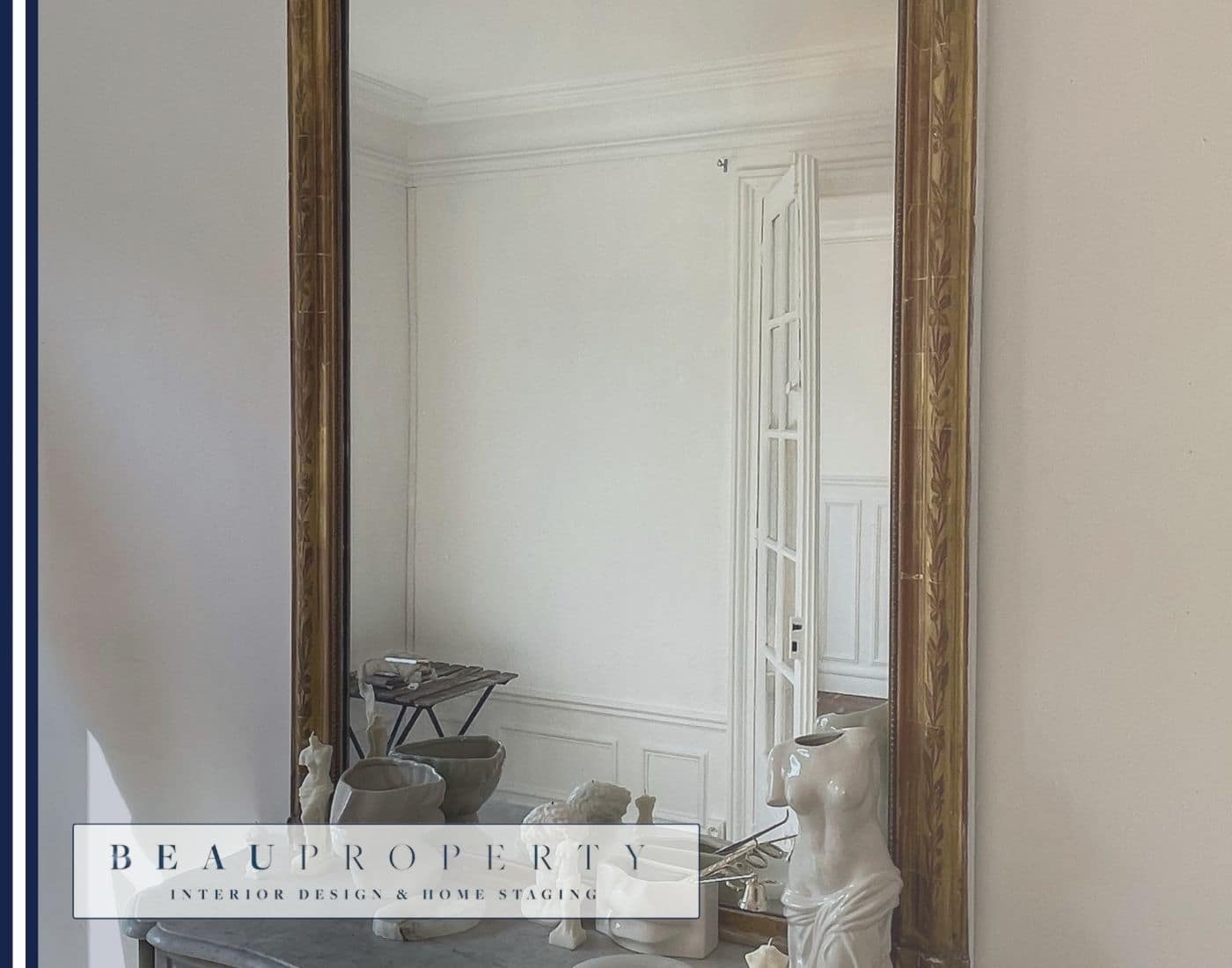
When choosing a statement mirror, consider the overall design theme of the space. For a contemporary look, opt for sleek, minimalist designs, while ornate frames may be better suited for traditional or vintage-inspired interiors. The placement of these mirrors is equally crucial—centering them above fireplaces, mantels, or sofas can create a captivating visual anchor.
Layering Mirrors for Depth
Layering mirrors with other decorative elements is an effective way to add texture and depth to a space. This technique involves combining mirrors of different sizes, shapes, and styles to create a dynamic visual experience.
Combining with Other Textures
To achieve a layered effect, consider pairing mirrors with other materials such as wood, metal, or fabric. For instance, a mirror framed in rustic wood can add warmth to a modern space, while a sleek, metallic mirror can enhance a contemporary aesthetic. Layering mirrors can also help create a sense of dimension, making a room feel more inviting and visually stimulating.
Mirrored Furniture and Accents
Incorporating mirrored furniture and decorative accents, such as side tables, dressers, or accessories, can add a touch of elegance and sophistication to a room. Mirrored furniture serves a functional purpose while also enhancing the overall aesthetic appeal of a space.
Selecting Mirrored Pieces
When selecting mirrored furniture, consider the scale and proportion relative to other elements in the room. A large mirrored dresser can create a stunning focal point in a bedroom, while smaller mirrored accents can complement existing decor. The reflective surfaces of these pieces can enhance lighting and create a cohesive design scheme.
Mirrors in Small Spaces
Mirrors can be particularly beneficial in small spaces, where every square inch counts. By using mirrors strategically, you can enhance both functionality and aesthetics in compact areas such as bathrooms, hallways, and studio apartments.
Optimising Functionality
In bathrooms, for instance, a large mirror above the sink not only serves a practical purpose but can also create the illusion of a larger space. In hallways, narrow mirrors can be used to reflect light and make the area feel more open. Additionally, using mirrors in conjunction with built-in storage solutions can maximise functionality without sacrificing style.
Using Mirrors in Entryways
Entryways play a crucial role in setting the tone for the rest of the home. Incorporating mirrors in this space can enhance the first impression visitors receive upon entering. Mirrors not only add style but can also serve practical purposes, such as providing a quick reflection before heading out.
Styles Suitable for Entryways
When selecting mirrors for entryways, consider styles that complement your home’s overall aesthetic. Options range from oversized mirrors that create a dramatic entrance to smaller, functional designs that incorporate hooks or shelves for added convenience. A well-placed mirror can also help create a welcoming atmosphere.
Reflective Art and Decor
Mirrors can be used as art pieces in themselves, offering unique artistic approaches to design. Custom shapes, artistic etching, and mixed-media installations can turn mirrors into captivating focal points that enhance the overall aesthetic of a space.
Artistic Approaches to Mirror Design
Consider exploring artistic mirrors that feature intricate designs or unique shapes. These mirrors can serve as statement pieces that not only reflect light but also contribute to the overall design narrative. For example, a mirror framed in an abstract design can add a contemporary touch to a modern space, while a vintage-style mirror can evoke nostalgia and charm.
Mirrors in Bedrooms
In bedrooms, mirrors can enhance the atmosphere, creating a sense of calm and tranquillity. The placement of mirrors in this intimate space is essential to fostering a relaxing environment.
Techniques for Placement
To create a serene atmosphere, consider positioning mirrors to reflect soft lighting or calming views. Avoid placing mirrors directly facing the bed, as this can create an unsettling energy. Instead, opt for bedside mirrors or dressing mirrors that reflect beauty and elegance without overwhelming the space.
The Impact of Mirrors in Living Rooms
Mirrors can dramatically transform living rooms, enhancing both space and light while complementing furniture arrangements. The use of mirrors can help balance the overall design, creating a cohesive and harmonious environment.
Balancing with Other Design Elements
When incorporating mirrors into living rooms, consider the existing elements in the space. For example, a large mirror can reflect artwork or views outside, drawing attention to these focal points. Additionally, the style and finish of the mirror should align with other design elements, such as furniture and colour schemes, to achieve a balanced aesthetic.
Mirrors in Dining Spaces
Mirrors can elevate dining spaces, making them feel more inviting and spacious. The strategic placement of mirrors can enhance the dining experience, creating a warm and welcoming atmosphere for family and guests.
Reflection Angles and Considerations
When placing mirrors in dining areas, consider the angles at which they reflect light and views. A mirror positioned to reflect the dining table can create a sense of abundance and elegance. Additionally, consider the scale of the mirror in relation to the dining area—oversized mirrors can create a dramatic effect, while smaller mirrors can complement existing decor without overwhelming the space.
Creative Uses of Mirrors in Kitchens
Kitchens are often bustling spaces where functionality and aesthetics must coexist. Innovative ways to incorporate mirrors, such as mirrored backsplashes or cabinet fronts, can add a fresh touch while making the space feel more spacious.
Enhancing Freshness and Light
A mirrored backsplash can reflect light and visually expand the space, making it feel more open. Additionally, mirrored cabinet fronts can create a sense of depth while allowing for easy visibility of contents. These techniques can enhance the overall design of a kitchen, making it both stylish and functional.
Incorporating Mirrors in Outdoor Spaces
Mirrors can also be employed in gardens and outdoor areas to create reflections that enhance the natural beauty of the surroundings. By strategically placing mirrors in outdoor spaces, you can create inviting atmospheres that connect the indoors with the outdoors.
Creating Reflective Landscapes
Consider using large outdoor mirrors to reflect lush greenery or beautiful landscaping, effectively blending the mirror with nature. This technique can create a sense of depth and intrigue, making outdoor areas feel more expansive. Additionally, mirrors can be used to frame views or highlight focal points in a garden, enhancing the overall landscape design.
Conclusion
Throughout this exploration of creative mirror techniques, it is evident that mirrors hold transformative potential in interior design. Their ability to enhance space, light, and aesthetics makes them invaluable tools for homeowners and design enthusiasts alike. From creating illusions of space to serving as artistic focal points, mirrors can elevate the overall ambiance of any room.
As you consider how to apply these reflective techniques in your own home, remember that mirrors are versatile elements that can adapt to various styles and settings. Embrace the possibilities that mirrors offer and discover how you can create unique and inviting environments in your living spaces.