
Virtual home staging has emerged as a revolutionary marketing tool, utilising computer generated imagery (CGI) to create attractive visual representations of properties. As digital marketing strategies gain traction across industries, virtual staging is capturing significant attention, driving engagement and consumer interest in real estate.
Understanding Virtual Home Staging
Virtual home staging breathes life into empty or outdated spaces, making them more appealing to potential buyers. Using CGI technology, real estate agents can craft photorealistic representations that enhance visual appeal and help buyers envision themselves in these environments.
The Purpose of Virtual Home Staging in Real Estate
The main goal of virtual home staging is to forge emotional connections between potential buyers and properties. Many individuals find it hard to envision the potential of a vacant home, leading to missed opportunities. Virtual staging addresses this issue by visualising how spaces could look, helping buyers imagine residing there.
The shift from traditional staging ( where physical furnishings are rented ) to virtual staging reflects broader trends in the real estate market. Key factors driving this transition include cost efficiency, convenience, and the rapid pace of modern property listings. Recent statistics show that homes with virtual staging generate up to 40% more online views than those without, highlighting its effectiveness in engaging buyers.
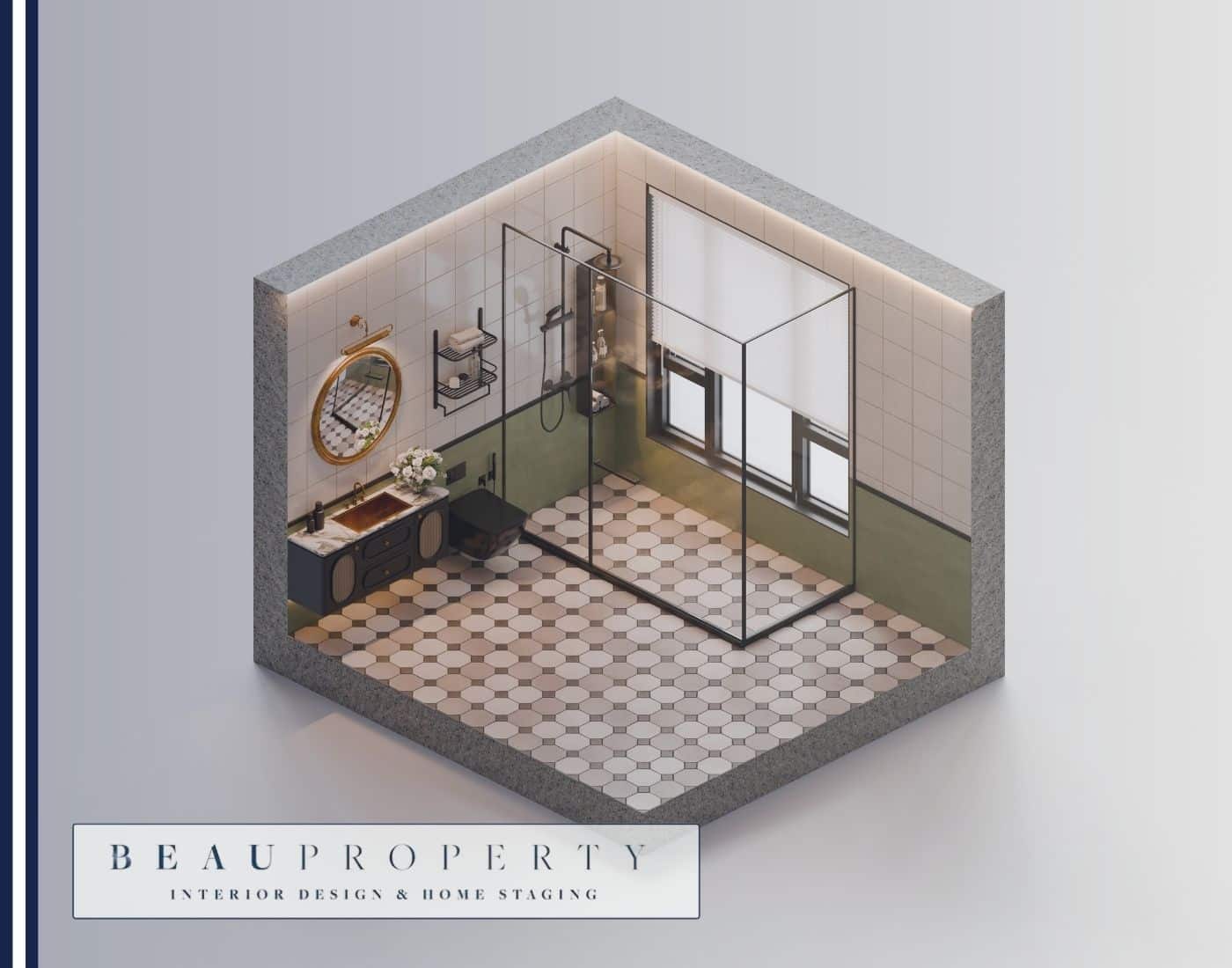
The Role of CGI Technology
Computer-generated images elevate property presentations to previously unimaginable levels. Advanced software allows for the creation of high-quality images that reflect realistic aesthetics. The emotional response elicited by these stunning images can significantly enhance a buyer’s perception of a property’s value, making virtual home staging a vital part of today’s property marketing.
The Process of Virtual Home Staging
Understanding how virtual home staging works provides insights into its effectiveness. This process involves several critical steps that lead to striking imagery that resonates with buyers.
Capturing High-Quality Photographs
The journey begins with capturing high-quality photographs of vacant rooms. This step is vital since these images will serve as the canvas for enhancements. Professional photographers often use advanced equipment and techniques to take well-lit, detailed images that accurately portray each space.
Digital Enhancements and Software Capabilities
After the photographs are taken, specialised software is used to add virtual furniture, decorations, flooring, and even structural elements. Some effective software tools in this realm include:
- Matterport: Known for 3D models, perfect for virtual tours.
- SketchUp: Popular for its user-friendly interface, allowing precise modifications.
- Photoshop: Utilised for post-editing to enhance photorealism.
These tools enable designers to manipulate scale and perspective effectively, ensuring the virtual staging appears as realistic as possible.
Modifiable Aspects
Virtual home staging offers immense flexibility, allowing the artistic placement of various elements tailored to different target markets. Key aspects that can be modified include:
- Furniture: Styles can resonate with prospective buyers, from modern to rustic or minimalist.
- Decorations: Art, rugs, and accessories can evoke a desired atmosphere.
- Lighting: Adjustments enhance the mood of a space, showcasing it in the best light.
- Structural Features: Visual appeal can be improved by altering walls, finishes, or layouts.
Such enhancements create an inviting presentation, showcasing each property’s potential while resonating with a targeted demographic.
Applications of Virtual Home Staging
Virtual home staging’s applications are diverse and can significantly boost marketing efforts. Understanding these applications is essential for real estate professionals aiming to optimise their sales strategies.
Vacant Properties
The most common use of virtual staging occurs in vacant properties. Without furniture, buyers may struggle to grasp the scale and potential of a space. Virtual staging transforms empty rooms into vibrant, lived-in environments that attract interest.
Properties with Outdated or Distracting Furniture
Another innovative application of virtual staging is enhancing homes with outdated or distracting furniture. By digitally replacing existing furnishings with modern options, virtual staging refreshes a property’s appearance without needing physical changes. This approach saves costs and positions the property within current market trends.
Flexibility for Different Property Types
Virtual staging can also adapt to various property types, including residential and commercial spaces. For example, offices can be virtually staged to emphasise functionality and aesthetic appeal, while homes might showcase family-oriented spaces like living rooms and kitchens.
Benefits of Virtual Home Staging
The advantages of virtual home staging are both tangible and significant. For real estate professionals and developers, understanding these benefits fosters informed decision-making about marketing strategies.
Cost-Effectiveness
One of the most compelling benefits of virtual staging is its cost-effectiveness. Traditional staging can be prohibitively expensive, involving rental costs for furniture and professional staging services. Virtual staging typically costs a fraction of these expenses, often offering over 90% savings compared to traditional methods. This financial advantage allows agents and developers to allocate resources to other marketing facets.
Increased Engagement
Properties using virtual staging experience a marked increase in engagement and online views. Listings featuring appealing, staged images can generate up to 40% more interest, leading to faster sales cycles. In a crowded marketplace, increased visibility is crucial for making a strong first impression that can close sales.
Flexibility and Customisation
Another notable advantage is the ability to quickly adjust furniture styles and layouts to suit target demographics. By tailoring property aesthetics to align with buyer preferences—be it modern, farmhouse, or industrial—real estate professionals can present each listing in its best light, adapting seamlessly to market trends or feedback.
Convenience
Finally, the digital nature of virtual staging streamlines the experience for both buyers and sellers. Only photographs are needed for staging, eliminating the hassle of physically moving furniture. This convenience is especially beneficial for quicker sales, as listings can be updated swiftly without logistical challenges.
Comparing Virtual Staging to Traditional Staging
Understanding the differences between virtual and traditional staging helps reinforce the case for adopting virtual strategies in real estate marketing.
Cost and Time Efficiency
Traditional staging typically involves rental costs, logistics of moving furniture, and lengthy setup times (often several days). In contrast, virtual staging can be completed in just 1-2 days, with numerous options available at a significantly lower price point.
Scenarios for Staging
While traditional staging may offer superior tactile experiences, it’s most beneficial for luxury or high-end properties requiring a striking in-person experience. As online property searches dominate virtual staging effectively caters to properties needing quick sales and enhanced online visibility.
Important Considerations for Virtual Staging
Despite its many advantages, digital staging requires careful consideration to adhere to ethical and professional standards in the real estate market.
Ethical Implications
Ethics surrounding virtual staging mostly involve accurately representing properties. It is crucial that virtual staging showcases potential without misleading buyers. Transparency about the digital enhancements made is essential, allowing buyers to form realistic expectations.
Scale Accuracy
Moreover, ensuring that virtual furniture is proportionately scaled to the room’s actual measurements is imperative. Misrepresenting dimensions can lead to undesirable outcomes, creating disappointment for buyers and possibly harming agents’ reputations. Thus, using high-quality software that produces accurate representations is vital.

Conclusion
In conclusion, virtual home staging stands as a transformative force in real estate sales. By utilising advanced CGI technology, property professionals can create engaging listings that foster emotional connections with potential buyers, enhancing the overall aesthetic and engagement of properties. The cost-effectiveness, increased engagement, customisation, and convenience associated with virtual staging make it an attractive alternative to traditional staging.
As future trends in property marketing unfold, embracing innovative solutions like virtual staging will be crucial for remaining competitive. Real estate professionals, property developers, and homeowners alike should consider the advantages of virtual home staging to improve property listings and refine sales strategies in a continuously evolving market.
Start leveraging the power of virtual home staging to elevate your property listings today. Embrace this innovative strategy to captivate potential buyers and enhance your sales approach in the dynamic real estate landscape.