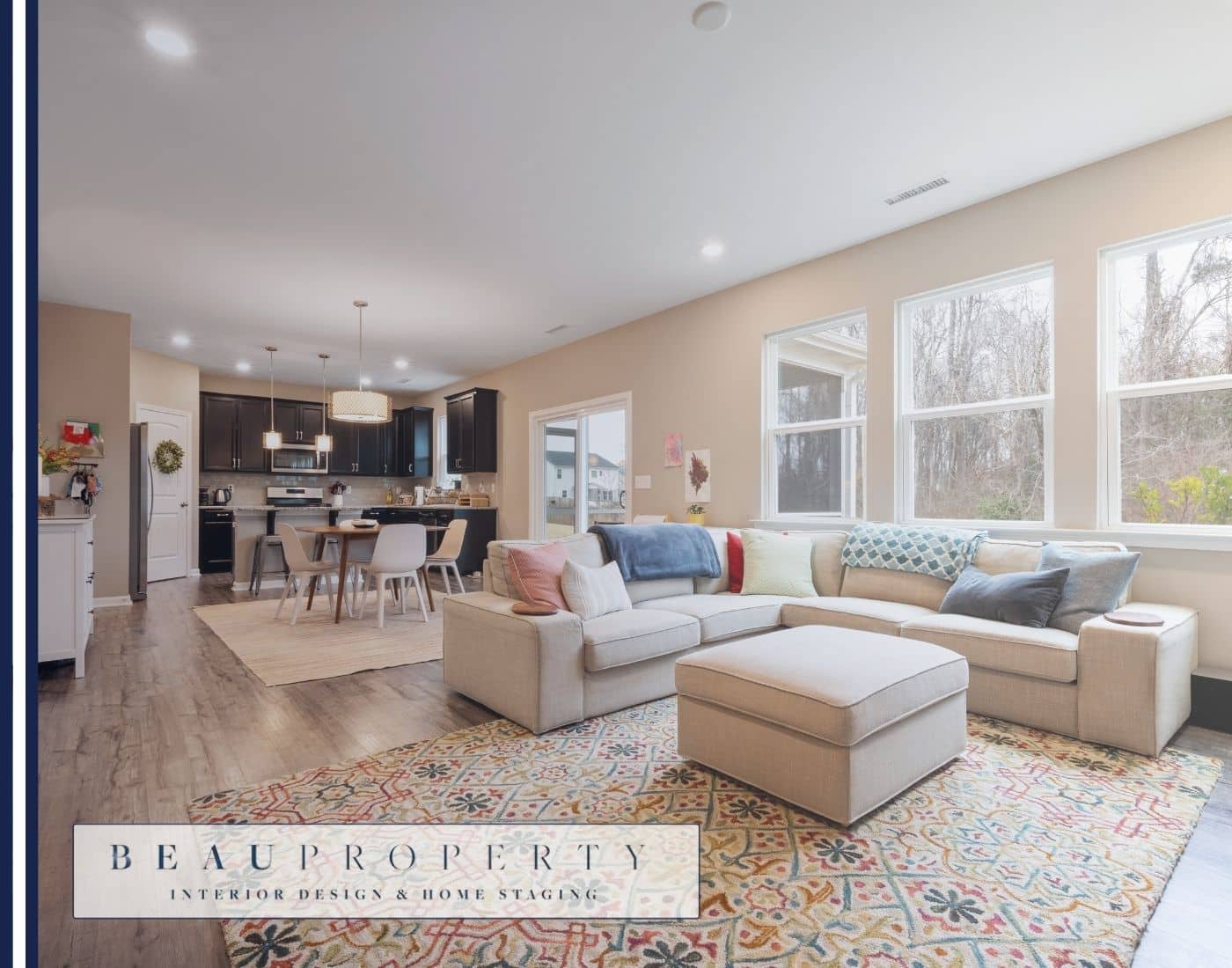
The presentation of a home can significantly impact its sale price and time on the market. Home staging has emerged as a vital strategy for homeowners, real estate agents, and property investors looking to enhance the appeal and value of properties before they enter the market. This comprehensive guide delves deep into the principles, techniques, and psychological strategies involved in effective home staging, offering practical insights to maximise property presentation.
What is Home Staging?
Home staging is the art and science of preparing a home for sale in the real estate market. Its primary purpose is to showcase a home’s best features, helping potential buyers envision themselves in the space. Effective home staging transforms a property from just a house into a desirable home, creating an inviting atmosphere that resonates with buyers emotionally.
The principles behind home staging are largely rooted in aesthetics and functionality. A well-staged home maximises the appeal of its spaces while deliberately minimising distractions. Through home staging, sellers can highlight the property’s strengths, while downplaying its weaknesses, such as limited storage or outdated decor.
When executed correctly, home staging can lead to quicker sales and potentially higher selling prices. It is crucial to understand the importance of first impressions; studies show that buyers typically decide whether they like a property within the first few minutes of viewing it. Understanding home staging is essential for anyone involved in real estate, as it can make a distinct difference in how properties perform on the market.
The Psychology Behind Home Staging
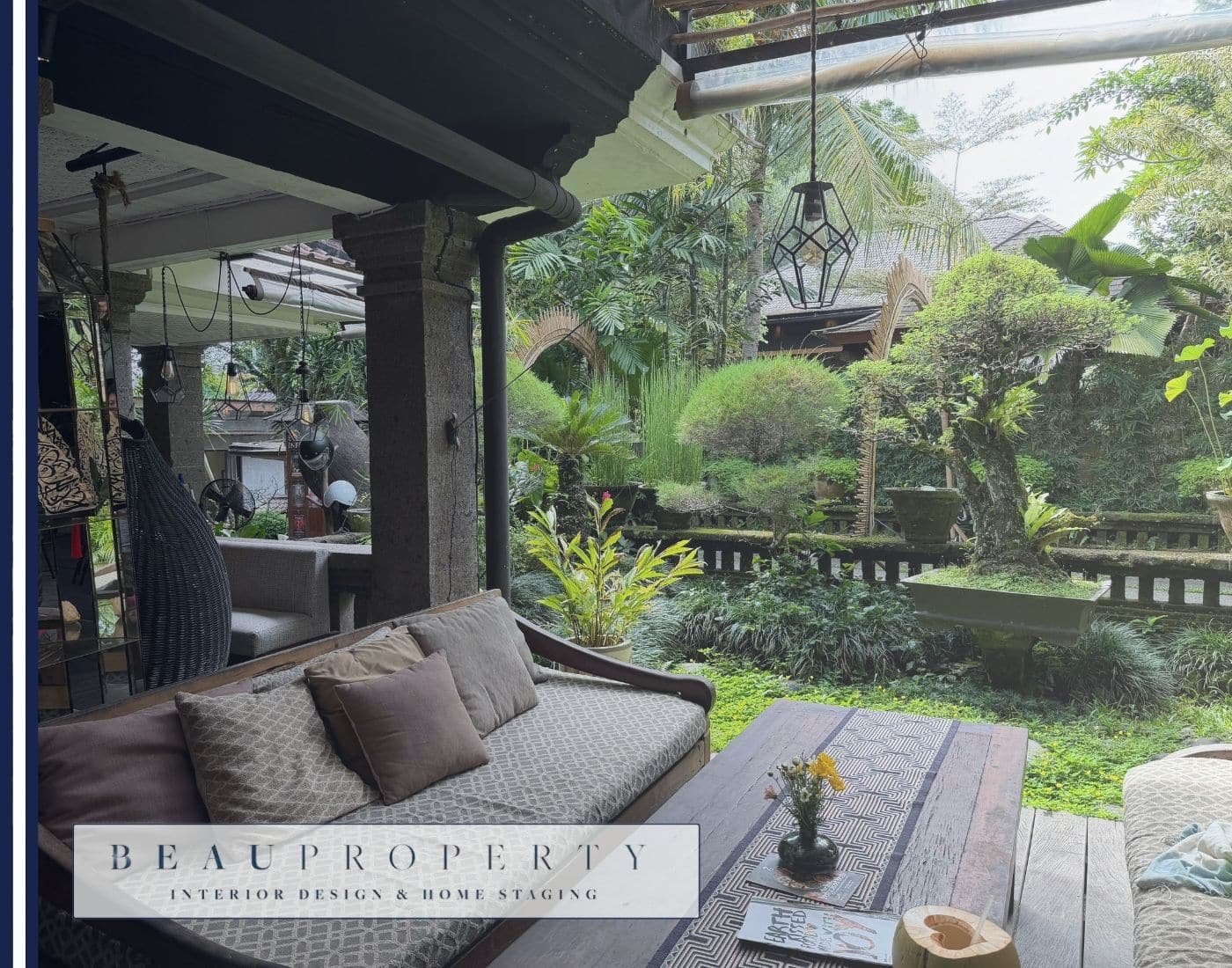
The psychology of home staging plays a crucial role in influencing buyers’ perceptions and emotions. When potential buyers enter a staged home, they experience a curated environment designed to evoke feelings of comfort, warmth, and belonging. These emotional triggers can significantly affect their willingness to purchase.
Space Perception
One key psychological principle at play in home staging is space perception. Buyers evaluate homes based on their sense of spaciousness. To create a feeling of openness, staging professionals often rearrange furniture to promote a natural flow through the home. For instance, positioning furniture to draw the eye towards windows or focal points can enhance the sense of space.
Emotional Engagement
Another crucial aspect of home staging is emotional engagement. Homes are more than mere structures; they represent potential lifestyles and future memories. Staging evokes emotional responses by creating environments that reflect particular lifestyles, such as relaxation in a serene bedroom or entertaining in a well-furnished living room. This emotional connection motivates buyers to envision themselves living in the space, making it more likely they will pursue a purchase.
Lighting Effects
The effect of lighting on perception cannot be underestimated in home staging. Proper lighting influences mood and enhances the overall atmosphere of a space. Techniques such as layering lighting can enhance aesthetic appeal and highlight essential features in a room, ultimately creating a more inviting atmosphere.
Key Elements of Effective Home Staging
Furniture Arrangement
Furniture arrangement is perhaps the most crucial element of effective home staging. The strategic placement of furniture can create inviting spaces that flow seamlessly from one area to another. The objective is to arrange furniture in a natural way, allowing easy movement while strategically defining functional areas in larger rooms.
Focal Points and Balance
Establishing focal points directs attention effectively. Balancing furniture placement, ensuring larger pieces are well-distributed throughout the space, helps maintain visual harmony.
Colour Schemes
Selecting the right colour schemes is another vital component of home staging. Colours evoke various emotions and reactions; for instance, soft blues and greens tend to create a calming effect, making them suitable for bedrooms and bathrooms. Warmer tones like yellows and oranges foster a welcoming atmosphere in living areas.
Universal Appeal
Considering that potential buyers come from diverse backgrounds, using neutral colour palettes can help create a welcoming space that appeals to a broader audience. This allows buyers to envision their own styles in the space rather than being put off by bold, unique hues.
Lighting
Lighting pairs with colour to create the right ambiance. An abundance of natural light makes a home feel inviting, so maximising it by drawing back curtains and cleaning windows is crucial.
Artificial Lighting
Strategic use of lamps and fixtures enhances the home’s attributes during evening showings. A well-lit space feels larger, safer, and more attractive, making buyers more likely to consider purchasing.
Decluttering and Cleaning
No staging effort succeeds without thorough decluttering and cleaning. An organised space allows potential buyers to envisage their belongings in the home rather than being distracted by the current owner’s items.
Minimalism as a Key Element
Removing personal items like family photos or unique decor allows the space to appeal to a wider range of tastes, ultimately helping prospective buyers imagine themselves in the home.
Accessorising
Effectively accessorising adds the finishing touches to a staged home. Decorative elements like cushions, artwork, and plants can make spaces feel warm and inviting.
Avoid Over-Personalisation
Striking a balance is essential. Overly personal touches can deter potential buyers; the goal is to create general appeal without losing individual character.
Home Staging Techniques for Different Spaces
Living Rooms
The living room often serves as the heart of a home. When staging this space, creating an inviting and functional environment is essential. Position furniture to facilitate conversation, arranging it to promote engagement.
Use of Accessories
Pillows, throws, and decorative items enhance comfort while helping buyers visualise social gatherings or family time. Ensure the space is not overcrowded, allowing for movement and accessibility.
Bedrooms
In staging bedrooms, the goal is to evoke a sense of retreat and personal sanctuary. Using soft linens, inviting colours, and minimal side tables helps create a restful atmosphere.
Key Features
Depersonalising the space is paramount. A well-made bed, paired with strategically placed accent pillows, can enhance the space’s appeal, ensuring it feels like the perfect retreat.
Kitchens
Kitchens often serve as a central hub in homes, so cleanliness is critical in staging this space. Remove any clutter from countertops and ensure the appliances are clean and functional.
Highlight Usability
Showcasing the kitchen’s usability is essential; consider placing attractive cookbooks or neatly arranged cooking utensils to convey functionality without overwhelming the space.
Bathrooms
Staging bathrooms is an opportunity to highlight both luxury and practicality. Use fresh towels, attractive toiletries, and carefully chosen accessories to present an inviting space.
Create a Spa-Like Atmosphere
Invest in decorative touches like candles or plants to enhance the ambience, focusing on luxury and comfort.
The Role of Home Staging in Real Estate Marketing
Home staging is crucial in real estate marketing, offering substantial advantages for homeowners and agents alike. Staged homes tend to sell faster and often at a higher price, leading to significant gains in returns for sellers and agents.
Faster Sales
Well-staged properties are more likely to attract interest, leading to quicker offers. In a competitive market, this can mean the difference between a property lingering unsold or successfully changing hands within weeks.
Higher Selling Prices
Statistics reveal that staged homes frequently sell for higher prices than non-staged counterparts. When buyers perceive a home as well-maintained and thoughtfully presented, they may be more inclined to offer a premium price.
Enhanced Marketing Materials
Well-staged homes translate into visually appealing marketing materials, such as photographs and virtual tours. Professional images showcasing lighter, more open spaces can enhance online listings, attracting potential buyers more effectively.
Trends in Home Staging
Staging practices evolve with changing market demands and buyer preferences. Keeping up with these trends is vital to ensure properties connect effectively with prospective buyers.
Sustainability in Staging
One trend gaining traction is the emphasis on sustainability. Buyers increasingly favour environments that reflect an eco-friendly ethos, prompting staging professionals to incorporate sustainable materials and practices into their staging efforts.
Versatile Spaces
Flexibility represents another motif in modern staging. With many now working from home, showcasing spaces that can double as home offices or multi-functional areas is essential. This flexibility resonates with buyers who appreciate homes that can accommodate their evolving lifestyles.
Conclusion
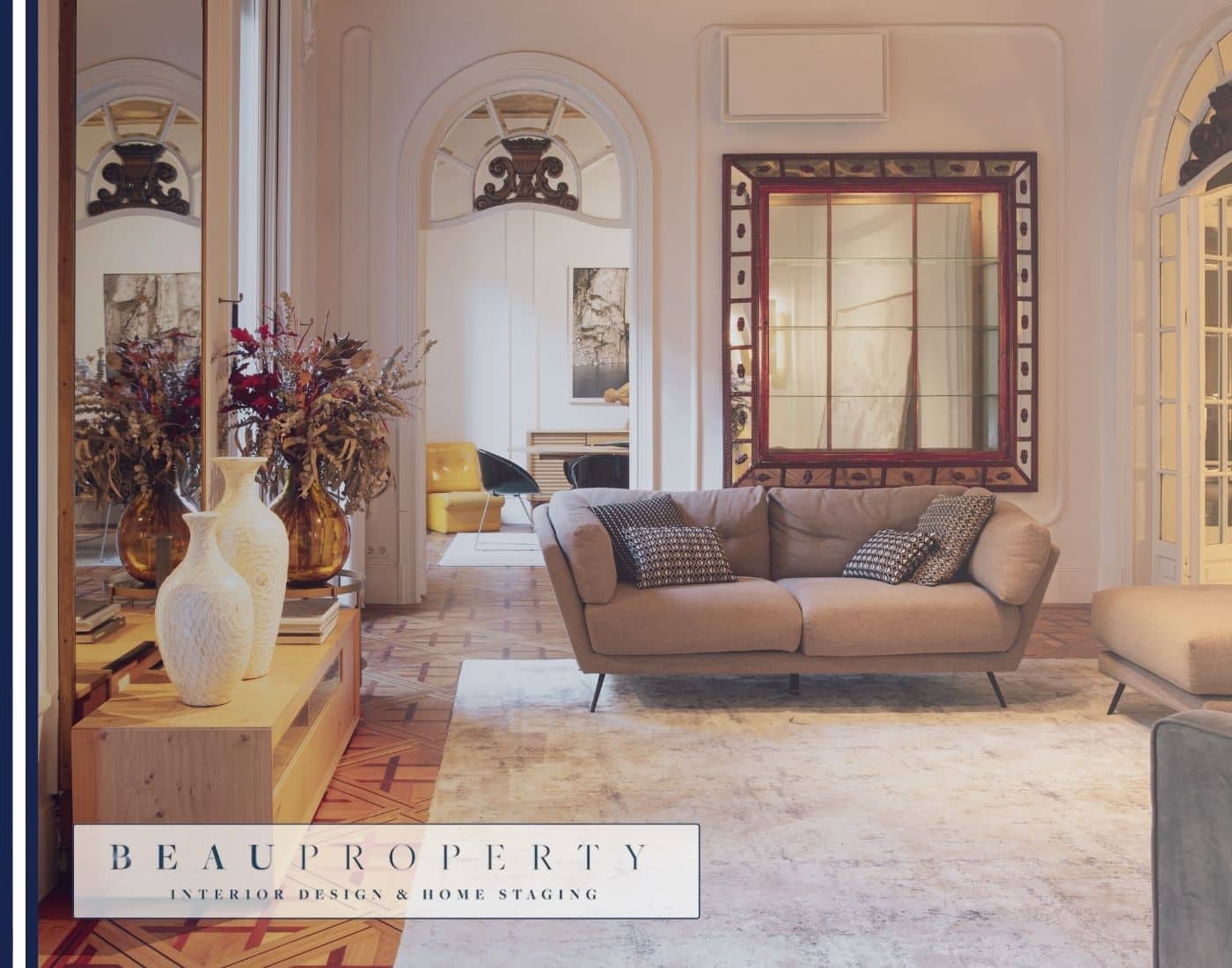
Home staging is a powerful tool that can significantly enhance property presentation, making it essential for anyone involved in real estate, whether homeowners, agents, or investors. By understanding the principles behind home staging, the psychology of potential buyers, and the tactics involved, all stakeholders can leverage this strategy to enhance the appeal and value of properties.
As you consider your property for sale, remember that well-executed home staging can make a meaningful difference. Take the time to explore your staging options and consult with professionals if necessary to achieve optimal results. Whether opting for a DIY approach or hiring a staging expert, investing in home staging can lead to quicker sales and higher offers, solidifying its importance in today’s real estate landscape.