The Evolution of Home Staging
Traditional Home Staging Practices
Historically, home staging involved physical enhancements to a property, including arranging furniture, applying fresh paint, and adding decorative elements to create an inviting atmosphere. These traditional methods required significant time and financial investment. Homes staged before listing sold 73% faster than those that were not. However, the process was primarily manual and constrained by the availability of physical resources.
Technology-Driven Staging
The advent of technology has revolutionised home staging, introducing new methods that enhance efficiency and creativity. The rise of digital photography enabled high-quality images of properties to be showcased online. As technology has continued to evolve, so have the capabilities of home staging.
Statistics show that 97% of buyers use the internet to search for homes, highlighting the increasing importance of digital presentations. This shift has prompted the industry to embrace technology, leading to the development of various tools that enhance property appeal without extensive physical staging.
Innovative Technologies in Home Staging
Virtual Staging Software
One of the most significant advancements in home staging technology is the emergence of virtual staging software. This technology allows real estate professionals to digitally furnish and decorate spaces, creating visually appealing images that showcase a property’s potential.
How Virtual Staging Works
Virtual staging software uses computer-generated images to add furniture and decor to photos of empty rooms. Professionals can select from a library of furniture styles, colours, and accessories, tailoring the presentation to align with the target market’s preferences.
Advantages of Virtual Staging
- Cost-Effective: Virtual staging is significantly cheaper than physical staging, which involves renting furniture and hiring professionals.
- Flexibility: Agents can easily modify designs based on buyer feedback or market trends, enabling quick adaptations.
- Enhanced Visual Appeal: High-quality virtual staging creates inviting spaces that resonate with potential buyers, increasing the likelihood of a sale.
Augmented Reality Apps
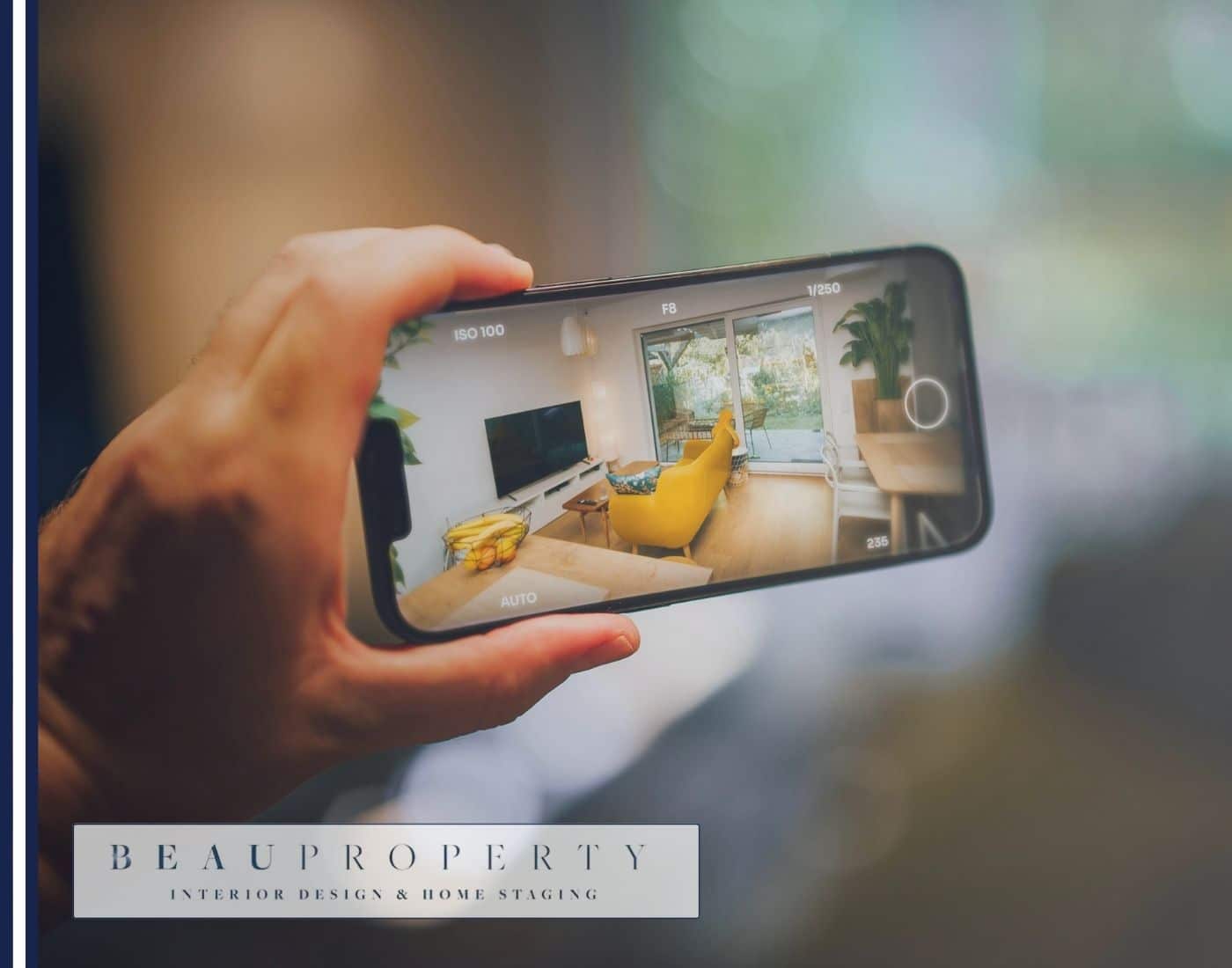
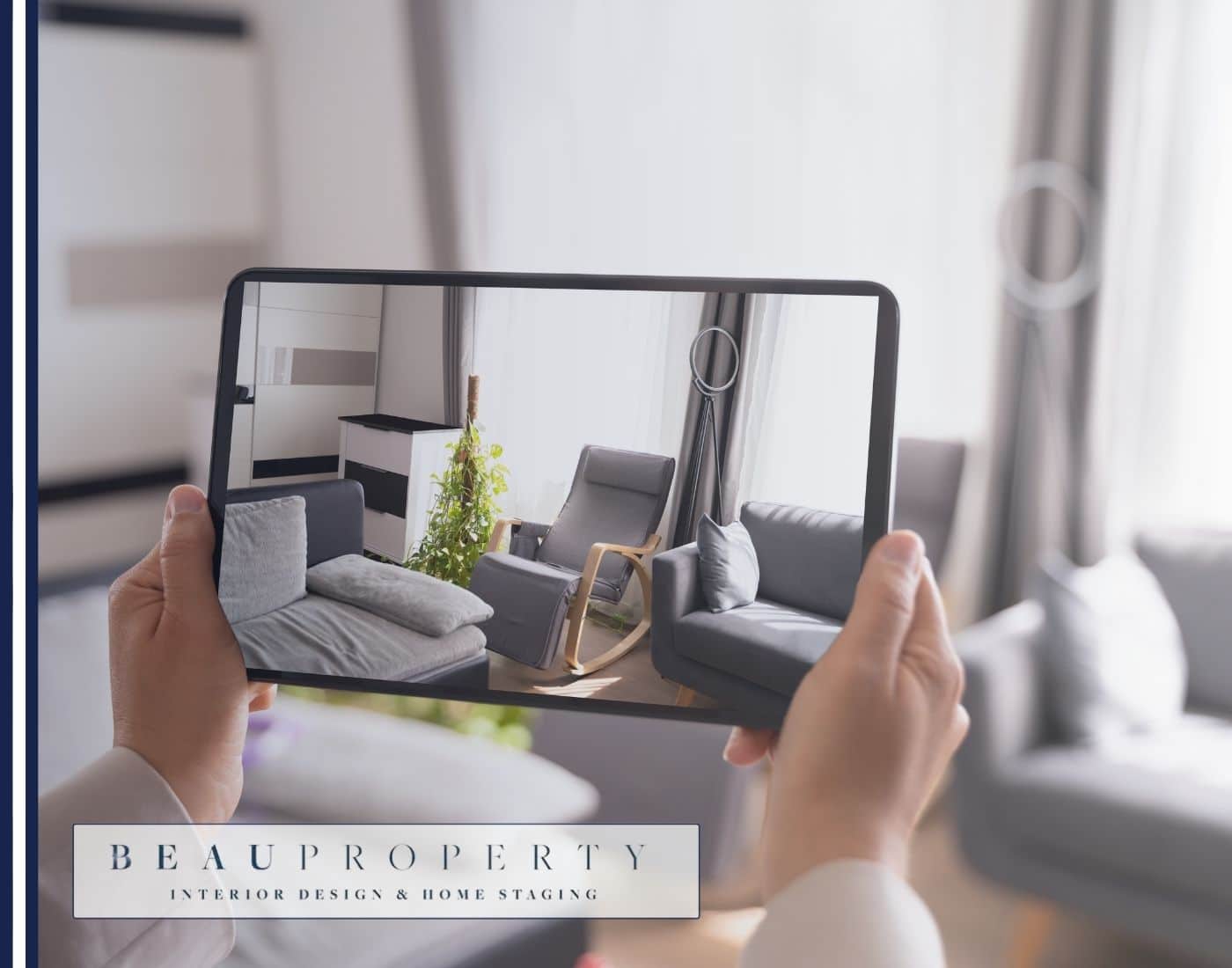
Augmented reality (AR) is another groundbreaking technology that has made significant inroads into home staging. AR apps allow potential buyers to visualise how furniture and decor would look in a space using their smartphone or tablet.
How Augmented Reality Works
These applications overlay digital images onto real-world environments. Users can select furniture items from catalogues and place them within their physical space via their device’s camera, providing an interactive experience that traditional staging cannot match.
Advantages of Augmented Reality
- Interactive Experience: Buyers can engage with the property dynamically, enhancing their connection to the home.
- Personalisation: AR allows users to tailor the staging experience, experimenting with different styles and layouts before making a purchase decision.
3D Rendering Technology
3D rendering technology has also become a staple in modern home staging practices, providing high-quality visualisations that can dramatically enhance property listings.
How 3D Rendering Works
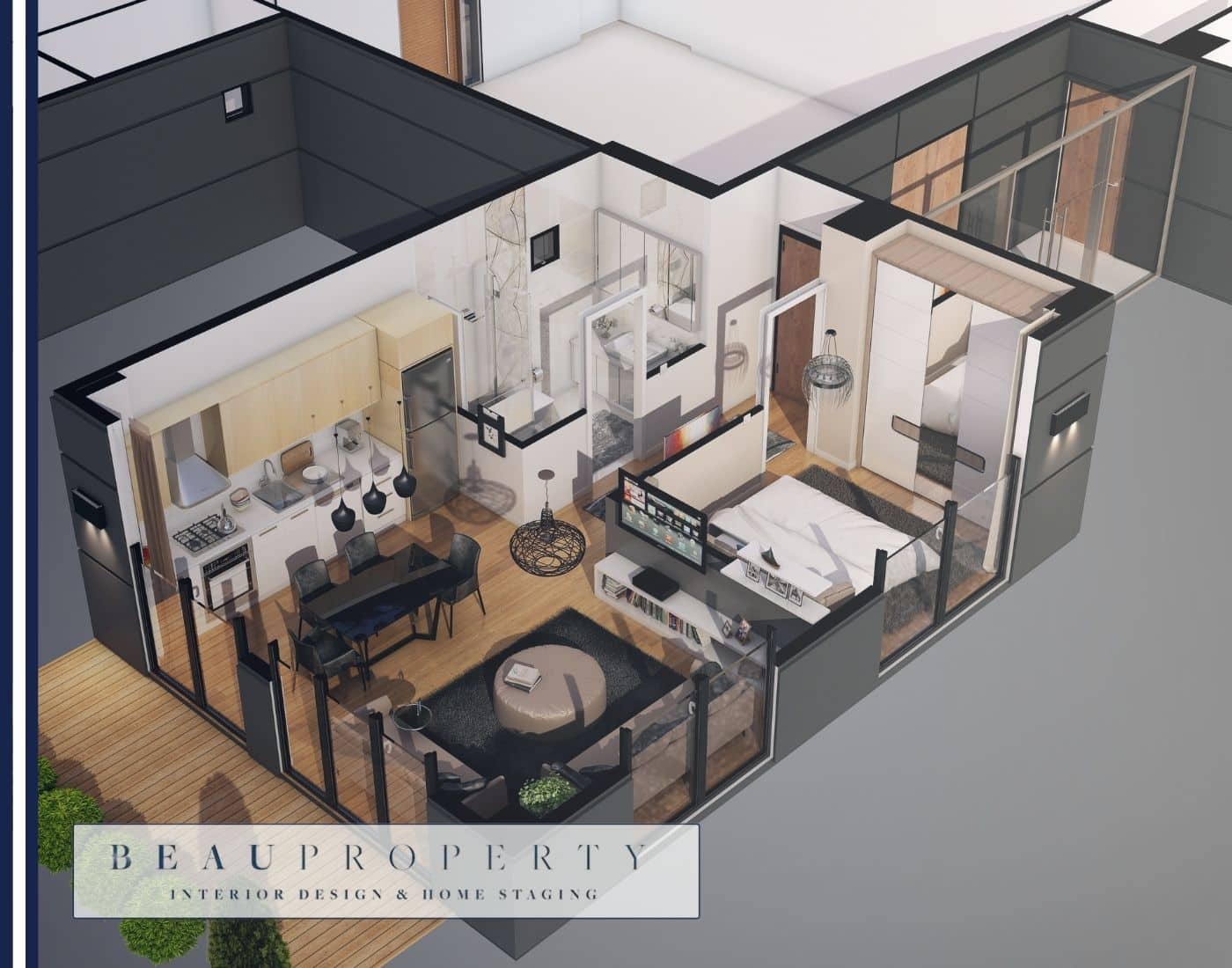
3D rendering involves creating lifelike images of a property using computer graphics. This technology allows for detailed representations of both the interior and exterior of a home, showcasing its features with stunning clarity.
Advantages of 3D Rendering
- High Visual Fidelity: 3D renderings offer photo realistic depictions of spaces, capturing light, texture, and spatial relationships.
- Comprehensive Presentations: These renderings can be used in various marketing materials, from online listings to brochures, enhancing the overall appeal of a property.
Virtual Staging: A Game Changer
Understanding Virtual Staging
Virtual staging has quickly become a game changer in the home staging industry. By combining technology with creativity, virtual staging provides a cost-effective solution for presenting properties.
Benefits of Virtual Staging
- Cost-Effectiveness: Traditional staging can be expensive, especially for larger homes. Virtual staging eliminates the need for physical furniture rental and storage costs.
- Speed: Virtual staging can be completed in a fraction of the time required for traditional staging, allowing properties to be market-ready faster.
- Wide Reach: With online listings being the primary method for showcasing properties, virtual staging allows for high-quality images that attract more online views.
Transforming Spaces with Virtual Staging
Virtual staging can dramatically alter the perception of a property, turning empty or cluttered spaces into attractive environments.
3D Home Tours and Their Influence
The Rise of 3D Home Tours
The introduction of 3D home tours has revolutionised the way buyers interact with properties. These immersive experiences allow potential buyers to navigate through homes at their own pace, providing a more comprehensive understanding of the space.
Advantages of 3D Home Tours
- Enhanced Engagement: 3D tours keep potential buyers engaged longer than traditional photos, increasing the likelihood of a sale.
- Informed Decision-Making: Buyers can explore the layout and flow of a home, leading to more informed decisions about their purchase.
- Broader Reach: 3D tours can attract buyers from outside the local area, increasing the property’s exposure to a wider audience.
Practical Applications of 3D Tours
Real estate agents can leverage 3D home tours to provide an exceptional viewing experience for potential buyers.
Social Media and Marketing Technology
The Role of Social Media in Home Staging
Social media has become an essential tool in the home staging and real estate marketing landscape. Platforms like Instagram and Facebook provide avenues for showcasing staged properties and engaging with potential buyers.
Advantages of Social Media Marketing
- Visual Appeal: Social media platforms are inherently visual, making them ideal for showcasing beautifully staged homes.
- Targeted Advertising: Real estate professionals can use social media advertising to target specific demographics, ensuring that staged properties reach the right audience.
- Engagement Analytics: Social media platforms offer analytics tools that allow marketers to track engagement and refine their strategies.
Practical Strategies for Social Media Marketing
Real estate agents can implement various strategies to maximise their social media presence and reach potential buyers effectively.
Tips
- Create a Stunning Visual Portfolio: Use high-quality images and videos of staged properties to create an eye-catching portfolio on platforms like Instagram.
- Leverage Stories and Live Videos: Use Instagram Stories or Facebook Live to host virtual tours, engaging your audience in real time.
- Utilise Targeted Ads: Implement targeted social media advertising campaigns to reach specific buyer demographics based on their interests and behaviours.
Conclusion
In conclusion, the impact of technology on home staging cannot be overstated. From virtual staging and 3D home tours to the role of social media, technological advancements have transformed how properties are presented and marketed. Embracing these innovations is essential for homeowners, real estate professionals, and interior designers seeking to enhance property appeal and engage potential buyers effectively.
The ongoing evolution of technology in the home staging industry will continue to shape how we buy and sell homes, making it a crucial consideration for anyone involved in the real estate market. As we look to the future, it is clear that technology will play an increasingly vital role in the art of home staging, offering exciting possibilities for enhancing the buyer experience.