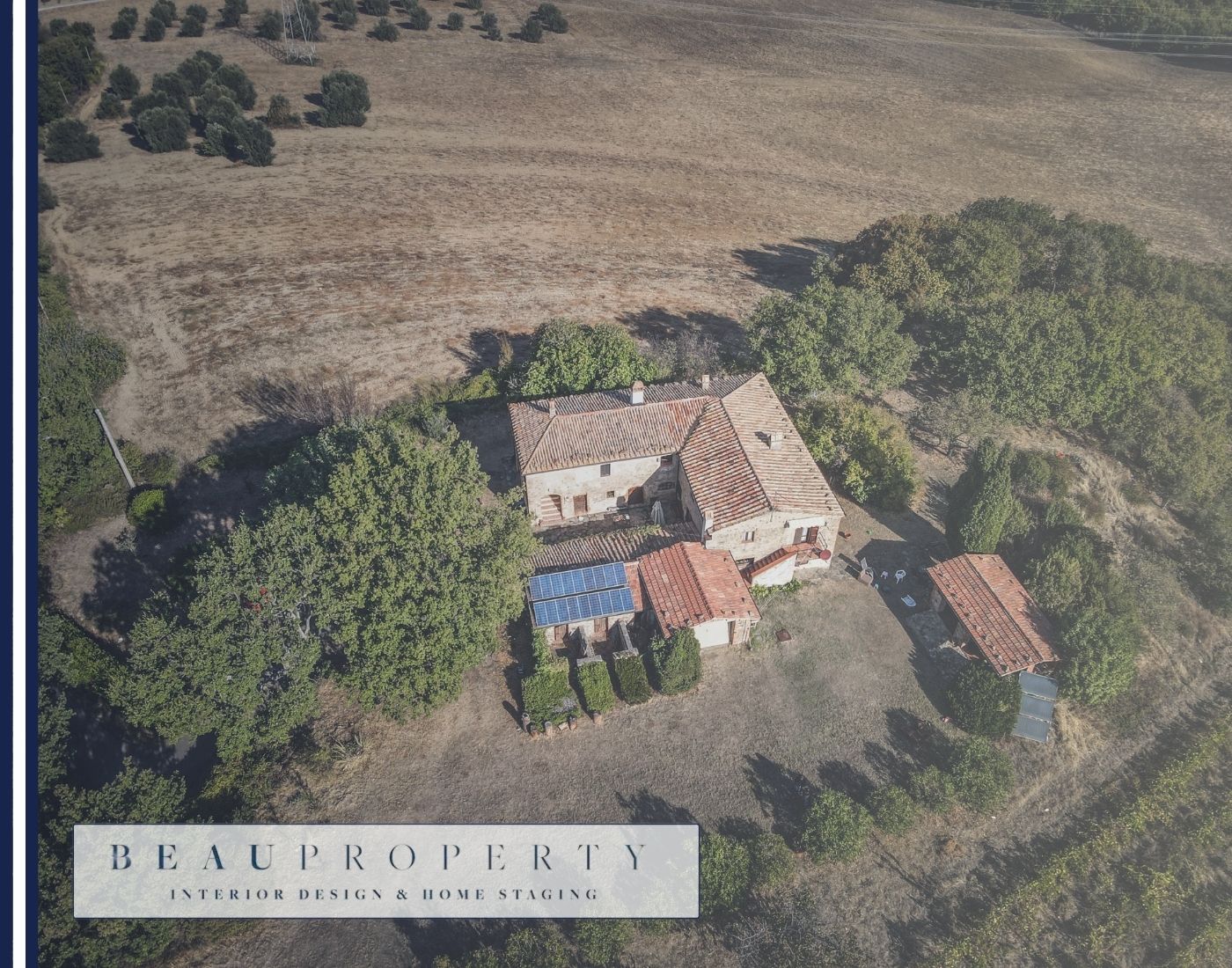
Eco-friendly homes are no longer a niche corner of the UK property market. With rising energy costs, tighter building regulations, and a growing number of buyers actively seeking sustainable living, green features have become genuine selling points. But here is the challenge – many of those features are invisible to the naked eye.
A heat pump sitting quietly outside, triple-glazed windows that look like any other window, or an EPC rating of A tucked away in the listing details. These are the things that save a buyer thousands of pounds a year, yet they rarely make an emotional impact during a viewing. That is where staging comes in.
Staging an eco-friendly home is not about placing a potted plant on the kitchen island and calling it sustainable. It is about creating a visual narrative that connects buyers to the home’s green credentials while still delivering the warmth, aspiration, and lifestyle appeal that drives purchasing decisions.
Understanding What Eco-Conscious Buyers Actually Want
Before selecting a single piece of furniture, it is worth understanding the mindset of today’s eco-conscious buyer. Research from Rightmove consistently shows that homes with higher EPC ratings sell faster and for more money. But the motivation goes deeper than savings on utility bills.
Eco-conscious buyers tend to care about:
- Energy efficiency – Low running costs, good insulation, efficient heating systems
- Material provenance – Where things come from and how they are made
- Indoor air quality – Low-VOC finishes, natural ventilation, non-toxic materials
- Longevity – Quality over disposability, items built to last
- Connection to nature – Biophilic design, natural light, outdoor living spaces
When you stage with these priorities in mind, every choice you make reinforces the story the home is already telling.
Let the Home’s Green Features Take Centre Stage
The biggest mistake sellers make with eco-friendly properties is burying the best features. A beautifully staged living room means nothing if the buyer walks straight past the underfloor heating controls without understanding what they are.
Make the Invisible Visible
Consider how you can draw attention to features that buyers might otherwise miss:
- Smart energy displays – If the home has a smart meter or energy monitoring system, make sure it is switched on and positioned where viewers will notice it. A display showing real-time energy usage is far more compelling than a line in the property particulars.
- Heating controls – Modern heat pump systems and smart thermostats are selling points. Ensure they are clean, well-lit, and easy to see. A small framed card nearby explaining annual running costs can be remarkably effective.
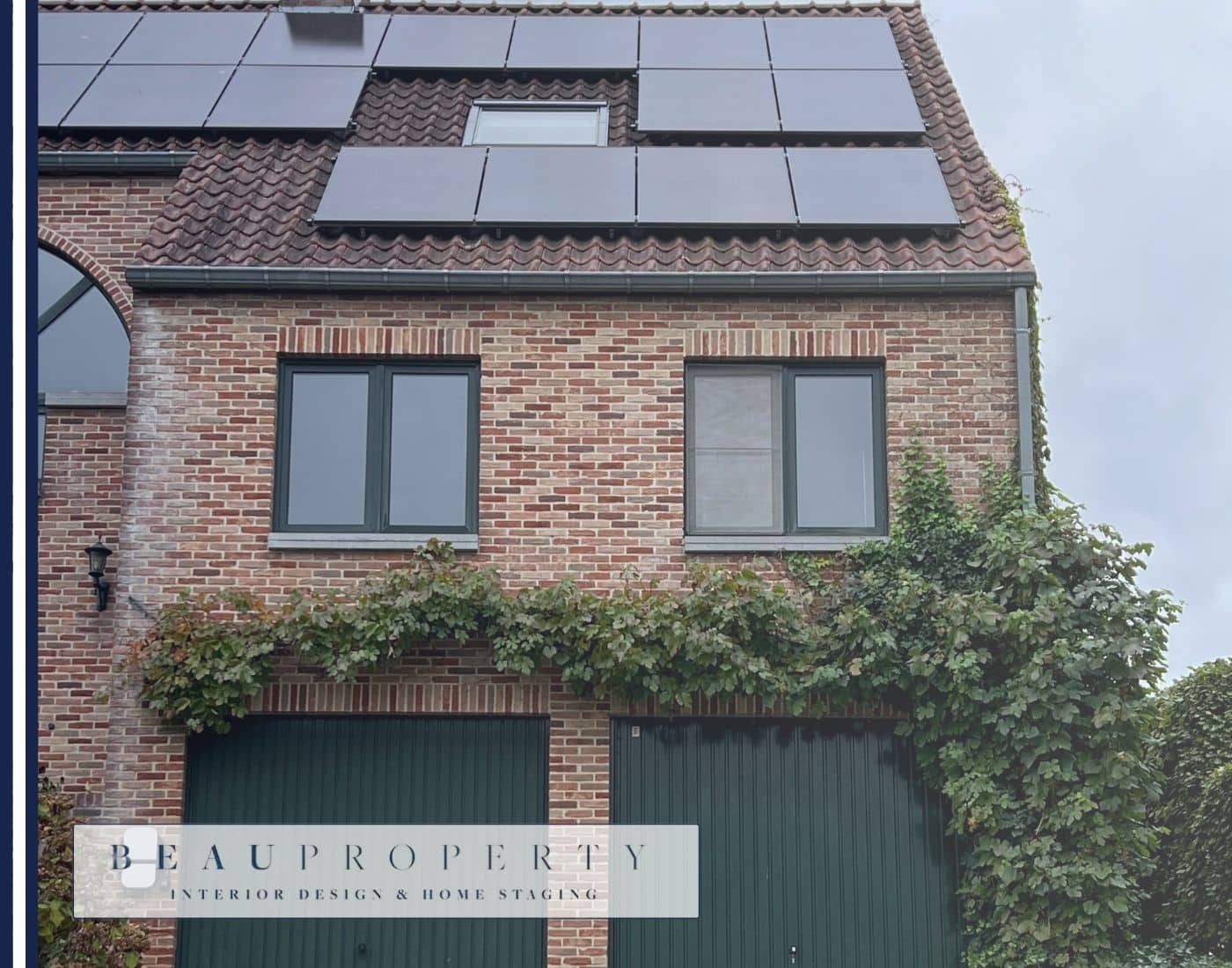
- Solar panels – If the property has solar panels, stage an area where the generation data is visible. Some homeowners have apps that show monthly savings – displaying this on a tablet in the kitchen is subtle but powerful.
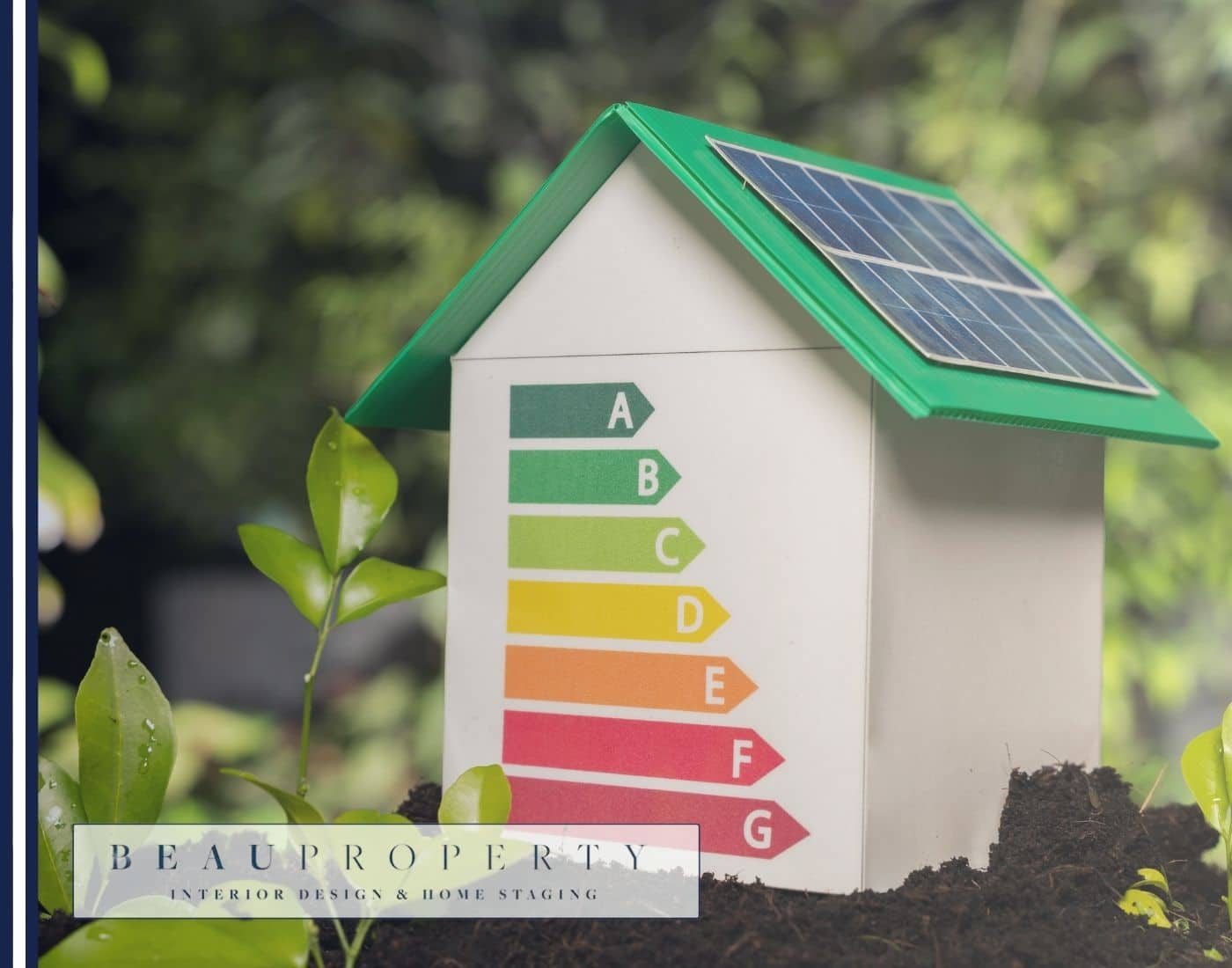
- EPC certificate – Frame it. Seriously. If the home has an A or B rating, treat that certificate like an award. Place it somewhere prominent in the hallway or kitchen where it catches the eye during viewings.
Water and Waste Features
Rainwater harvesting systems, greywater recycling, or even a well-designed composting area in the garden all tell a story about thoughtful, sustainable living. Make sure these are clean, tidy, and clearly identifiable. A discreet label or small information card is far better than leaving buyers to guess what that tank in the utility room does.
Choose Staging Materials That Match the Message
Nothing undermines an eco-friendly home faster than filling it with cheap, mass-produced furniture wrapped in plastic. The staging itself needs to reflect the values the home represents. If you are unsure where to start with furniture selection, our guide on top furniture styles for property staging covers the fundamentals.
Natural Materials First
Opt for furniture and accessories made from:
- Solid wood – Oak, walnut, ash, or reclaimed timber pieces add warmth and authenticity
- Linen and organic cotton – For soft furnishings, throws, cushions, and bedding
- Wool – Rugs and blankets in natural wool create texture without synthetic fibres
- Rattan, jute, and seagrass – For baskets, rugs, and accent pieces
- Ceramic and stoneware – For vases, bowls, and decorative objects
These materials photograph beautifully, feel premium to the touch, and align perfectly with the sustainability message. They also tend to work well with the neutral, earthy colour palettes that suit most eco-friendly properties.
Avoid the Greenwashing Trap
Resist the temptation to overdo the “green” aesthetic. A home staged entirely in shades of sage with a recycled wood sign reading “Live Simply” on every wall feels contrived. The goal is sophistication, not a statement. Let the materials and quality speak for themselves.
Colour Palettes That Complement Sustainable Design
Eco-friendly homes often feature natural building materials – exposed timber frames, lime-rendered walls, stone floors, or cork surfaces. The staging palette should complement these rather than compete with them.
Colours that work particularly well include:
- Warm neutrals – Oatmeal, sand, soft clay, and warm greys
- Earth tones – Terracotta, olive, moss green, and muted ochre
- Soft blues and greens – Reflecting sky and foliage without being literal about it
- Charcoal and deep navy – For grounding accent pieces and creating contrast
The key is restraint. Eco-friendly homes often have a calmness to them, and the staging should amplify that feeling rather than disrupt it. For more on how colour influences buyer decisions, see our guide to home staging colour schemes.
Biophilic Design: Bringing the Outside In
Biophilic design – the practice of incorporating natural elements into interior spaces – is one of the most effective staging strategies for eco-friendly homes. It creates an emotional connection to nature that resonates strongly with environmentally conscious buyers.
Plants With Purpose
Indoor plants do more than look attractive. They improve air quality, add life to a room, and reinforce the home’s connection to the natural world. But choose carefully:
- Low-maintenance varieties such as snake plants, pothos, or peace lilies work well for staging because they stay looking fresh throughout the sales period
- Herbs in the kitchen – A small collection of potted herbs on the windowsill suggests a lifestyle of growing your own, even on a modest scale
- Larger statement plants – A fiddle leaf fig or olive tree in a living space creates a focal point that draws the eye and softens hard edges
Natural Light
If the home has been designed to maximise natural light – large south-facing windows, skylights, or light tubes – make sure the staging does not block it. Keep window treatments minimal. Sheer linens work well, allowing light to filter through while maintaining privacy. Pull furniture away from windows to let light flood the floor area.
Stage the Outdoor Space as a Living Area
For many eco-friendly homes, the garden is not just an outdoor space – it is an extension of the sustainable lifestyle. As we explored in our post on exterior home staging and kerb appeal, the outside of a property sets the tone for everything that follows. Wildflower areas, vegetable patches, composting stations, and rainwater butts all tell a story, but they need to look intentional rather than neglected.
- Define zones – Use outdoor furniture to create clear living, dining, and growing areas
- Tidy the productive areas – A vegetable garden is a selling point, but only if it looks cared for. Weed, mulch, and add plant labels so buyers can see what is growing
- Add outdoor seating – A simple table and chairs near the kitchen door suggests al fresco dining and an easy indoor-outdoor flow
- Wildlife features – Bird feeders, bee hotels, and hedgehog houses are charming details that reinforce the eco message without any additional cost
Declutter With Sustainability in Mind
Decluttering is essential in any staging project, but in an eco-friendly home, it carries extra weight. The spaces should feel calm, considered, and free from excess. This aligns perfectly with the sustainable living ethos of buying less, choosing well, and making things last.
Encourage sellers to:
- Remove anything that contradicts the eco message (single-use plastics, fast fashion items on display, excessive packaging)
- Keep surfaces clear to let architectural features and natural materials breathe
- Store personal items out of sight, but avoid creating the impression of an empty show home – the space should still feel lived in and loved
Scent and Atmosphere
Synthetic air fresheners and plug-in diffusers have no place in an eco-friendly home. Instead, consider:
- Fresh flowers from a local florist or the garden itself
- Natural beeswax or soy candles – Unscented or with essential oil fragrances
- A bowl of dried lavender or eucalyptus in the bathroom
- Simply opening the windows before a viewing to let fresh air circulate
The aim is a home that smells clean and natural, not perfumed.
Tell the Story With Thoughtful Details
Small, considered touches throughout the home can reinforce the sustainability narrative without being heavy-handed:
- A reusable coffee cup beside the kettle
- Cloth napkins on the dining table instead of paper
- A stack of well-chosen books on sustainable living or architecture on a side table
- A woven basket by the front door for reusable shopping bags
- Beeswax wraps in the kitchen instead of cling film
These details may seem minor, but they build a cumulative impression of a lifestyle that is both aspirational and achievable. Buyers do not just see a house – they see themselves living in it. Understanding how different buyer personas respond to staging can help you tailor these touches even further.
Why Professional Staging Makes a Difference for Eco-Friendly Homes
Eco-friendly properties often represent a significant investment from the seller – in solar panels, insulation upgrades, sustainable materials, and energy-efficient systems. Without professional staging, these investments can go unnoticed during viewings, leaving money on the table.
A professional home stager understands how to translate technical specifications into emotional appeal. We know how to make a heat pump feel like a luxury feature rather than a metal box in the garden, and how to present a home’s sustainability credentials in a way that connects with buyers on a personal level.
At Beau Property Staging, we work across Kent, Sussex, and Surrey, helping homeowners and developers present their properties at their very best. Whether you are selling a self-build eco home, a retrofitted period property, or a sustainable new build development, we tailor our staging approach to each property type to highlight what makes your property special.
Ready to Stage Your Eco-Friendly Home?
If you are preparing an eco-friendly property for sale and want to ensure its green credentials translate into buyer appeal, we would love to help. Get in touch with our team to discuss how professional staging can help your sustainable home stand out in today’s market.