
Introduction
Whether you’re a homeowner, renter, or a real estate enthusiast, the challenge of maximising space in these compact environments is crucial. Staging, the process of arranging and decorating a home to enhance its appeal, plays a vital role in transforming limited spaces into inviting and functional living areas. This comprehensive guide will explore the importance of staging in smaller homes, off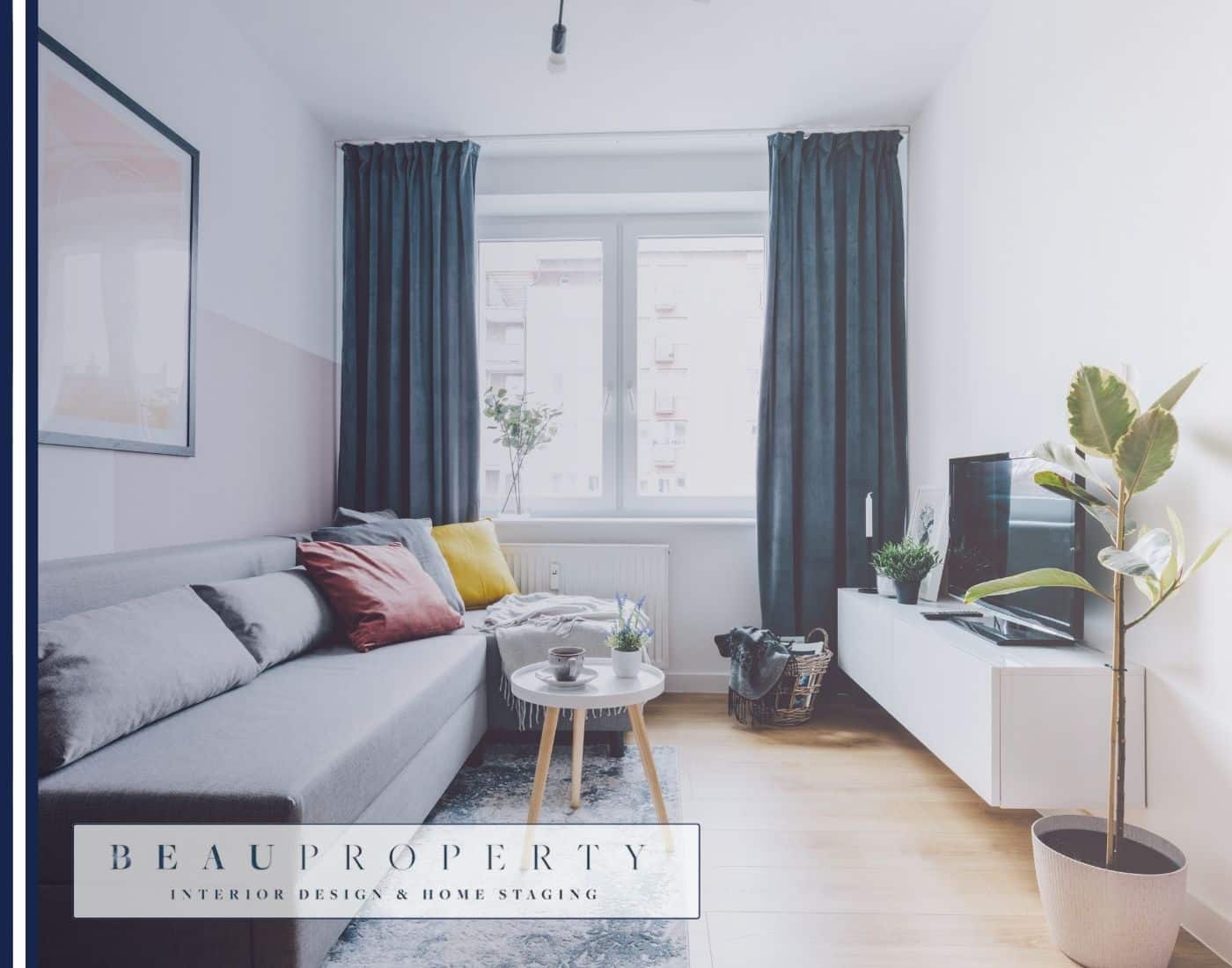 ering practical tips and techniques that can help you create a sense of openness and functionality.
Throughout this blog, we will delve into powerful staging tips that focus on maximising space, providing you with actionable insights. From understanding the psychological impact of staging to exploring innovative furniture arrangements, this guide is designed to empower you to optimise your smaller living spaces effectively. Let’s begin our journey to enhance your home’s appeal through strategic staging techniques.
Understanding the Importance of Staging in Smaller Homes
The Psychological and Practical Benefits of Staging
Staging is more than just a decorative process; it’s a strategic method of showcasing a home’s best features while minimising its drawbacks. In smaller homes, effective staging can significantly influence how potential buyers or renters perceive the space. By creating a welcoming atmosphere, staging can evoke positive emotions, making visitors feel at ease and envisioning themselves living in the space.
- Creating a Sense of Flow and Openness: One of the primary benefits of staging is the ability to manipulate how space is perceived. Cleverly placed furniture and decor can create a seamless flow between rooms, making the entire home feel more expansive. For instance, using strategic colour choices can enhance light and openness, giving the illusion of larger areas.
- Appealing to Potential Buyers: In the competitive real estate market, well-staged homes often lead to quicker sales and higher offers. A beautifully staged home allows prospective buyers to see the potential of the space, making it more appealing than a cluttered or poorly arranged property. A study conducted by the National Association of Realtors revealed that 77% of buyers’ agents said staging a home made it easier for a buyer to visualise the property as their future home.
- Enhancing Functionality: Staging is not just about aesthetics; it’s about creating spaces that are functional. By arranging furniture and decor thoughtfully, you can demonstrate how each area of a smaller home can be utilised effectively. This functionality can resonate with prospective renters or buyers, showcasing how they can maximise their limited space.
The Impact of Staging on Space Perception
The impact of staging on the perception of space cannot be overstated. When homes are staged correctly, they appear more inviting and spacious. Here are some key ways staging influences space perception:
- Light and Colour: Light colours can open up a room, while darker tones can make it feel smaller. Staging with lighter hues can enlarge the visual perception of the space.
- Decluttering: Removing unnecessary items not only clears visual distractions but also allows the eye to travel freely around the room, enhancing the feeling of space.
- Strategic Furniture Placement: Positioning furniture in a way that defines areas without overcrowding can create a sense of organisation and flow.
By understanding these principles, homeowners and renters can leverage staging to transform their smaller homes into desirable living spaces.
Key Principles of Staging for Small Spaces
Creating Cohesive Design
When staging smaller homes, it’s crucial to maintain a cohesive design that enhances the natural flow of the space. Here are some key principles to consider:
- Consistent Colour Schemes: A unified colour palette can enhance the perception of space. Stick to light, neutral colours for walls and larger furniture pieces, while adding pops of colour through accessories and artwork. This approach not only makes the space feel larger but also creates a harmonious look throughout the home.
- Lighting Considerations: Good lighting is essential in staging smaller homes. Use a mix of ambient, task, and accent lighting to create a warm and inviting atmosphere. Install dimmable lights to adjust brightness levels according to different moods and times of the day.
- Furniture Selection: Opt for appropriately sized furniture that complements the scale of the room. Avoid oversized pieces that can overwhelm a small space. Instead, consider lightweight and multifunctional furniture that serves multiple purposes, such as a coffee table with storage or a sofa bed.
Strategic Use of Colour to Create Illusions
Colour plays a pivotal role in staging, particularly in smaller homes. Here are some strategies to use colour effectively:
- Light Walls: Painting walls in light shades, such as whites, soft greys, or pastel hues, can make a room feel airy and spacious. Consider using a satin or eggshell finish to reflect light, enhancing the overall brightness of the space.
- Accent Walls: If you wish to introduce darker colours, do so with an accent wall. This technique adds depth without closing in the space. Choose a wall that naturally draws attention to a focal point, such as a fireplace or an art piece.
- Cohesive Tones: Keep the colour scheme cohesive throughout the home. This continuity creates a seamless look, making the space feel larger and more connected.
By applying these principles, homeowners can create a beautifully staged environment that maximises the potential of smaller living spaces.
Furniture Arrangement Strategies
Optimising Layouts for Functionality
Furniture arrangement is a critical aspect of staging smaller homes. A well-thought-out layout can optimise functionality and enhance the visual appeal of the space. Here are some strategies to consider:
- Defining Spaces in Open-Plan Areas: In open-plan layouts, it’s essential to create defined areas for different functions. Use furniture placement to establish boundaries without the need for walls. For example, position a sofa to separate the living area from the dining space, or use a bookshelf as a room divider.
- Choosing Functional Furniture: Select furniture that enhances usability without compromising space. Consider pieces that offer storage solutions, such as ottomans or benches that can be used for seating and stowing away items. Multi-functional furniture helps to keep the space clutter-free and organised.
- Creating Walking Paths: Ensure that furniture placement allows for easy movement throughout the space. Leave at least 60cm of walking space between pieces to prevent the area from feeling cramped. This arrangement not only enhances functionality but also creates a more open and inviting atmosphere.
Examples of Effective Furniture Arrangements
To illustrate the impact of furniture arrangement, consider these examples:
- Living Room: In a small living room, position a sofa against the longest wall to create a focal point. Flank it with slim side tables and a compact coffee table. If space allows, add a single accent chair opposite to provide additional seating without overwhelming the area.
- Bedroom: In a small bedroom, place the bed against the wall with the most natural light. Use bedside tables that are narrow but functional. Consider wall-mounted shelves for books and decor to free up floor space.
- Dining Area: In a compact dining area, choose a round table that can be expanded when needed. Surround it with lightweight chairs that can be easily moved or tucked away when not in use.
By implementing these furniture arrangement strategies, homeowners can maximise both the functionality and visual appeal of smaller homes.
Maximising Vertical Space
The Power of Vertical Storage Solutions
In smaller homes, utilising vertical space is often overlooked, yet it can significantly enhance storage and aesthetics. Here are some effective strategies:
- Wall-Mounted Shelving: Installing shelves above furniture or along unused walls allows for additional storage without taking up floor space. Use these shelves to display decor, books, or plants, drawing the eye upwards and creating a sense of height.
- Tall Furniture Pieces: Consider incorporating tall bookshelves or cabinets that take advantage of vertical space. These pieces provide ample storage while adding visual interest to the room. Ensure they are stable and secured to prevent tipping.
- Hanging Storage Solutions: In kitchens or bathrooms, hanging pots, pans, or towels can free up counter and floor space. Use hooks or magnetic strips to keep frequently used items within reach while maintaining a tidy appearance.
Drawing the Eye Upwards
To create a sense of spaciousness, it’s important to direct attention upwards. Here are some techniques to achieve this:
- High Curtains: Hanging curtains closer to the ceiling creates an illusion of taller windows and higher ceilings. This trick can make a room feel more expansive and elegant.
- Vertical Artwork: Use tall, narrow pieces of art or mirrors to extend the visual lines of the room. This approach enhances the overall perception of space and adds a stylish element to the decor.
- Lighting Fixtures: Opt for pendant lights or chandeliers that hang from the ceiling. These fixtures can draw the eye upward while providing necessary illumination, enhancing the overall ambience of the room.
By maximising vertical space and directing attention upwards, homeowners can significantly alter the perception of smaller living areas.
Creating Multi-functional Areas
The Importance of Multifunctionality
In smaller homes, creating multi-functional areas is essential to maximise space and enhance usability. Here are some strategies to consider:
- Flexible Furniture: Invest in furniture that serves multiple purposes, such as a sofa that converts into a bed or a dining table that can double as a workspace. This versatility allows homeowners to adapt their spaces to their changing needs.
- Defined Zones: Use rugs or furniture placement to define different zones in an open area. For instance, a rug can delineate a living space from a dining area, while a console table can create a boundary between the kitchen and living room.
- Storage Solutions: Incorporate storage solutions that can be used for various purposes. For example, a storage ottoman can serve as both seating and a place to stow blankets or games, maintaining a tidy environment while offering functionality.
Examples of Multi-functional Areas
To illustrate the benefits of multi-functionality, consider these examples:
- Living Room/Office Combo: In a small living room, create a dedicated workspace by placing a compact desk against a wall. Use a stylish chair that complements the decor, ensuring the area feels cohesive. When not in use for work, the desk can serve as a decorative surface for plants or books.
- Dining Room/Play Area: For families, a dining room can double as a play area. Use a large table that accommodates meals and activities. Incorporate storage bins for toys that can be easily accessed and put away, maintaining an organised look.
- Bedroom/Guest Room: In a compact bedroom, consider a Murphy bed or a fold-out sofa to accommodate guests. This arrangement allows the room to serve dual functions without sacrificing space.
By embracing multi-functional areas, homeowners can effectively maximise their smaller living spaces while enhancing overall usability.
Utilising Mirrors and Light
Enhancing Space Perception with Mirrors
Mirrors are powerful tools in staging smaller homes, as they can create the illusion of depth and brightness. Here are some effective strategies:
- Strategic Placement: Place mirrors opposite windows to reflect natural light, amplifying brightness and creating a sense of openness. This technique can make even the smallest rooms feel airy and inviting.
- Oversized Mirrors: Consider using oversized mirrors as statement pieces. They not only serve a functional purpose but also act as decorative elements that enhance the visual appeal of the space.
- Mirrored Furniture: Incorporate mirrored furniture, such as coffee tables or accent cabinets, to reflect light and create a sense of elegance. This approach can add depth without cluttering the space.
The Role of Lighting in Staging
Lighting plays a crucial role in staging smaller homes. Here are some lighting techniques to consider:
- Layered Lighting: Use a combination of ambient, task, and accent lighting to create a warm and inviting atmosphere. Ambient lighting provides overall illumination, while task lighting focuses on specific areas, such as reading nooks or kitchen counters.
- Dimmable Fixtures: Invest in dimmable lighting fixtures to adjust brightness levels according to different needs. This versatility allows homeowners to create different moods, from bright and energising to soft and relaxing.
- Highlighting Features: Use accent lighting to highlight architectural features or decor elements. For example, wall sconces can draw attention to artwork, while under-cabinet lighting can illuminate kitchen countertops, enhancing both functionality and aesthetics.
By utilising mirrors and effective lighting techniques, homeowners can enhance the perception of space and create an inviting atmosphere in their smaller homes.
Decluttering for a Fresh Start
The Psychological Benefits of Decluttering
Decluttering is a fundamental step in staging smaller homes, as it not only creates a clean environment but also promotes psychological well-being. Here’s why decluttering is essential:
- Reducing Stress: A cluttered space can contribute to feelings of anxiety and overwhelm. By decluttering, homeowners can create a serene environment that promotes relaxation and calmness.
- Enhancing Presentation: A clean, organised space allows potential buyers or renters to focus on the home’s features rather than being distracted by clutter. This presentation can significantly impact their perception of the property.
- Simplifying Maintenance: Fewer items in the home lead to easier cleaning and maintenance. A decluttered space is simpler to manage, allowing homeowners to enjoy their living environment without the burden of excessive belongings.
Effective Decluttering Strategies
To declutter effectively, consider these strategies:
- The 30-Day Rule: Adopt the 30-day rule, where you assess items based on whether you have used them in the last month. If not, consider letting them go. This approach helps in making quicker decisions about what to keep.
- Organising by Category: Tackle decluttering by category rather than by room. For example, focus on clothing first, then move to books or kitchen items. This method allows for a more thorough evaluation of each category.
- Storage Solutions: Invest in storage solutions, such as bins or baskets, to keep items organised. Label storage containers for easy identification, ensuring that everything has a designated place.
By prioritising decluttering, homeowners can create a fresh start that enhances the appeal of their smaller homes.
Incorporating Personal Touches
Balancing Aesthetic Appeal with Personalisation
Staging a home involves creating an inviting atmosphere while incorporating personal touches. Here’s how to achieve this balance:
- Curating Meaningful Decor: Select decor items that resonate with your personality and experiences. Personalised items, such as framed photos or travel souvenirs, can add warmth and character to the space.
- Avoiding Overcrowding: While personal touches are important, it’s essential to avoid overcrowding the space with too many items. Choose a few impactful pieces that truly reflect your personality, allowing them to stand out.
- Creating a Welcoming Environment: Use textiles, plants, and other decorative elements to create a welcoming environment. Soft throws, decorative pillows, and indoor plants can add warmth and comfort without overwhelming the space.
Examples of Personal Touches
Here are some examples of how to incorporate personal touches while maintaining a staged aesthetic:
- Art Displays: Curate a gallery wall of personal artwork or photographs that tell your story. This approach adds character while serving as a focal point in the room.
- Textile Choices: Use cushions and throws in colours or patterns that reflect your style. Opt for a cohesive colour scheme that ties the space together while showcasing your personality.
- Plants and Greenery: Incorporate indoor plants to add life and freshness to your home. Choose low-maintenance plants that enhance the decor without requiring excessive care.
By thoughtfully incorporating personal touches, homeowners can create a space that feels both inviting and uniquely theirs while still appealing to potential buyers or renters.
Conclusion
In conclusion, staging smaller homes requires a strategic approach that maximises space while enhancing functionality and appeal. By understanding the importance of staging, embracing key principles, and implementing effective strategies, homeowners can successfully transform their living spaces into inviting environments that resonate with potential buyers or renters.
Remember that effective staging involves a thoughtful combination of colour, lighting, furniture arrangement, and personal touches. With the right techniques, even the smallest homes can feel spacious, warm, and ready for new occupants. Embrace your unique space and utilise the staging tips outlined in this guide to create a home that is not only functional but also a true reflection of your personality.
Start applying these staging tips today, and watch as your smaller home transforms into a welcoming haven that maximises every inch of space!