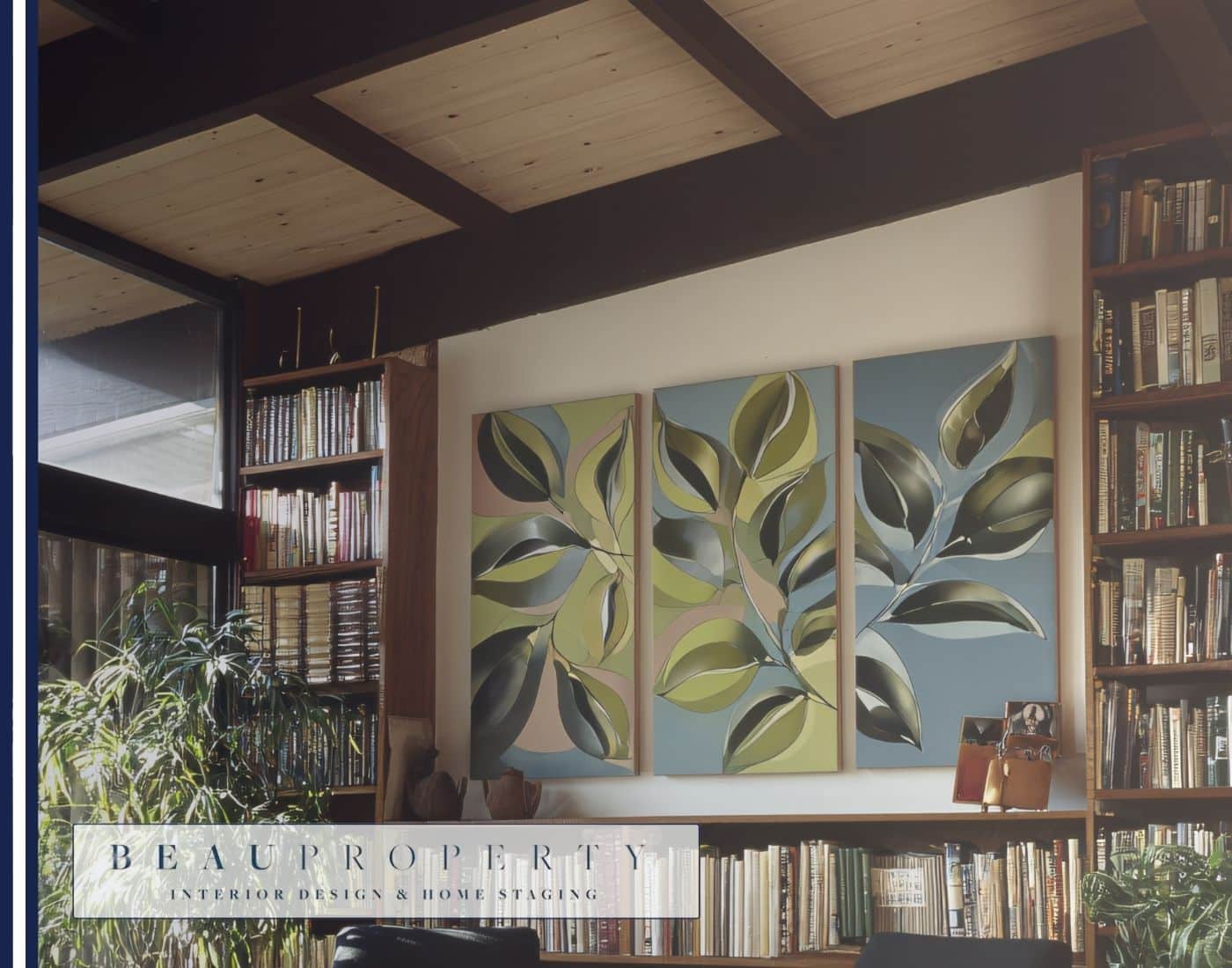
When preparing to sell your home, the importance of home staging cannot be overstated. It plays a crucial role in presenting the property in its best light, enhancing its appeal and increasing its marketability. By leveraging the unique features of your home ( be it architectural elements, natural light, or outdoor spaces ) you can leave a memorable impression on potential buyers and significantly influence their purchasing decisions. In this comprehensive guide, we will explore various facets of effective home staging, providing homeowners and real estate professionals with actionable insights for maximising a property’s potential.
Understanding Home Staging
Home staging is the art of preparing a residential property for sale in the real estate marketplace. The primary objective is to make a home more attractive to prospective buyers, helping them envision themselves living in the space. This involves not only decluttering and cleaning but also applying psychological design principles to evoke positive emotions and perceptions.
The Purpose and Importance of Home Staging
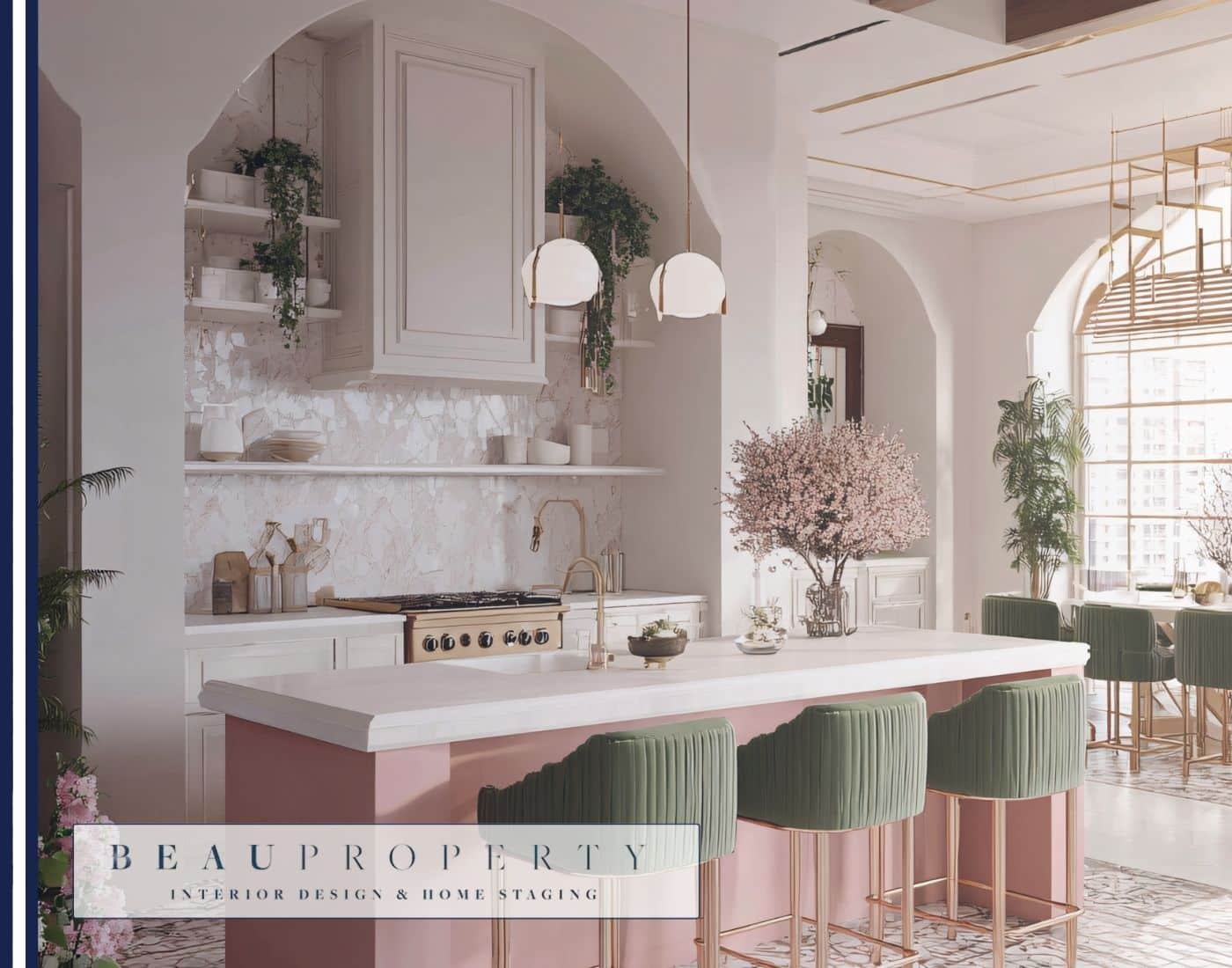
The significance of home staging in real estate cannot be overlooked. Listings that incorporate staging often receive more interest, showcasing homes in a way that highlights their strengths. Well-staged properties have been shown to sell faster and sometimes even at higher prices than their unstaged counterparts.
Research indicates that staging can reduce the time a property remains on the market, with staged homes selling approximately 73% faster on average. This rapid turnover is largely attributed to the emotional connections staged spaces evoke, enticing buyers to take that next step toward making an offer.
Psychological Aspects of Home Staging
Understanding the psychological impact of staging is essential. Buyers often make decisions based on their emotional reactions before rationalising their choices with logic. A well-staged home allows buyers to imagine their lives within the space, whether it’s family gatherings in the living room or serene evenings in a beautifully arranged garden.
Current Trends in Home Staging
Staging trends evolve, but consistency in highlighting a home’s unique attributes remains fundamental. Contemporary and traditional styles can be effectively mixed, appealing to a broad audience while ensuring the home feels warm and inviting. This combination is critical to presenting a property that feels like a potential home.
Key Features to Leverage in Home Staging
Identifying and showcasing a home’s distinctive features is vital for effective staging. Several essential aspects should be considered:
Architectural Features: Showcasing Original Tray Ceilings and More
Original architectural details, such as tray ceilings, mouldings, and working fireplaces, are appealing elements that can set a home apart. These features should be preserved and highlighted.
Presentation Techniques: To showcase a fireplace, consider arranging seating around it or using decorative elements like candles or art to draw the eye toward it. For tray ceilings, ensure the lighting enhances them rather than overwhelms; subtle downlights may be the perfect choice to direct attention upwards.
Natural Light: Optimising Daylight Exposure
Light plays a substantial role in determining the mood of a room. Spaces filled with natural light feel larger, more inviting, and can significantly affect perceived value.
Tips for Maximising Light: Position furniture to avoid obstructing windows, use sheer window treatments to allow light in, and strategically place mirrors to amplify natural light reflections. Ensure that daytime viewings are optimised by opening curtains and blinds to create an airy atmosphere.
Outdoor Spaces: Creating Inviting Gardens and Patios
Today’s market places high value on outdoor spaces. Whether it’s a garden, patio, or balcony, these areas can significantly impact a buyer’s decision.
Creating Inviting Settings: Tend to gardens and lawns with care, remove weeds, and consider using potted plants or fairy lights to enhance the ambiance during evening viewings. For patios, arrange outdoor furniture to create a welcoming lounge area, perhaps staging a small bistro setting.
Functional Spaces: Highlighting Purposeful Use of Rooms
Designating specific areas for functionality can greatly enhance a home’s appeal. As remote working becomes more common, buyers may seek homes with dedicated workspaces.
Emphasising Usability: If you have a spare bedroom, stage it as an office with a desk, chair, and accessories that suggest productivity. Ensure the room communicates its function while also retaining warmth, perhaps by including decorative items that add character, like artwork or a rug.
The Role of Colour and Decor in Home Staging
Colour choices and decorative elements are not merely aesthetic; they profoundly influence perceptions and emotions during a property viewing.
The Power of Neutral Palettes
Neutral colours create an inviting atmosphere that appeals to a broad audience, allowing potential buyers to visualize their tastes against a clean backdrop.
Benefits of Neutral Tones: These tones can make spaces appear larger and more cohesive, creating a calming environment that fosters a positive viewing experience.
Decorative Elements: Art and Textiles that Enhance Features
Accessories, art, and textiles serve as powerful tools in home staging, enhancing features and guiding the eye to highlight special attributes without becoming distractions.
Effective Techniques: Choose textiles that complement yet accentuate key features. Rich textiles in a modern dining area can evoke warmth and a sense of family connection. Consider statement pieces of artwork that reflect the home’s character but do not dominate the space.
Creating a Cohesive Flow Throughout the Home
Cohesion in home design creates seamless transitions between spaces, allowing buyers to move effortlessly from one room to the next without distractions. A coherent flow reinforces the idea of functional living.
The Importance of Flow and Continuity
A well-designed flow ensures buyers can easily imagine their lives unfolding within the home, from vibrant dinners in the kitchen to peaceful moments in the living room.
Tips for Maintaining Cohesion: Use complementary colours across rooms for consistency, arrange furniture to encourage easy movement between spaces, and maintain similar styles across rooms without losing individuality. This also includes integrating similar patterns or textures, providing continuity without feeling monotonous.
The Process of Home Staging
Staging a home involves multiple steps, each contributing to the overall appeal of the property. Below is an essential overview of the staging process:
Initial Assessment: Identifying Key Features
Start by conducting a thorough assessment of the home’s features. This involves taking inventory of architectural elements, natural light sources, and outdoor areas, identifying what can be enhanced, and determining any areas that require attention.
Strategising for Maximum Impact
Next, develop a strategy to highlight these unique qualities. This might mean decluttering spaces to make them appear larger, repainting to neutral colours, or formatting room functions to draw attention to desirable aspects.
Implementing Changes: Enhancing the Home
Implement the changes outlined in your strategy. This may involve deep cleaning, arranging furniture, adding decorative elements, and strategically placing lighting features to maximise visual appeal.
Final Touches: Preparing for Photography and Viewings
Once staging is complete, conduct a final walkthrough. Make adjustments based on your observations, ensuring rooms are tidy, well-lit, and welcoming. Cleanliness is integral, and minor touches ( like fresh flowers or inviting scents ) can create a lasting impression.
Preparing for Viewings and Open Houses
The effort invested in staging culminates during viewings, where the atmosphere plays a significant role in influencing buyer impressions.
Strategies for Last-Minute Adjustments
In the hours leading up to a viewing or open house, ensure that the home is immaculate. Clear away any clutter or personal items that could distract buyers from envisioning themselves in the space.
Cleanliness and Organisation: Maintain tidiness, kitchens and bathrooms should shine, and living spaces should feel open and inviting. Ensure furniture is arranged optimally, allowing easy movement and access.
Creating the Right Atmosphere
The mood during viewings matters. Incorporate ambient elements like soft music or subtle fragrances to create a welcoming environment. Adjust lighting to ensure spaces feel bright and open, making a positive impact on potential buyers.
Conclusion
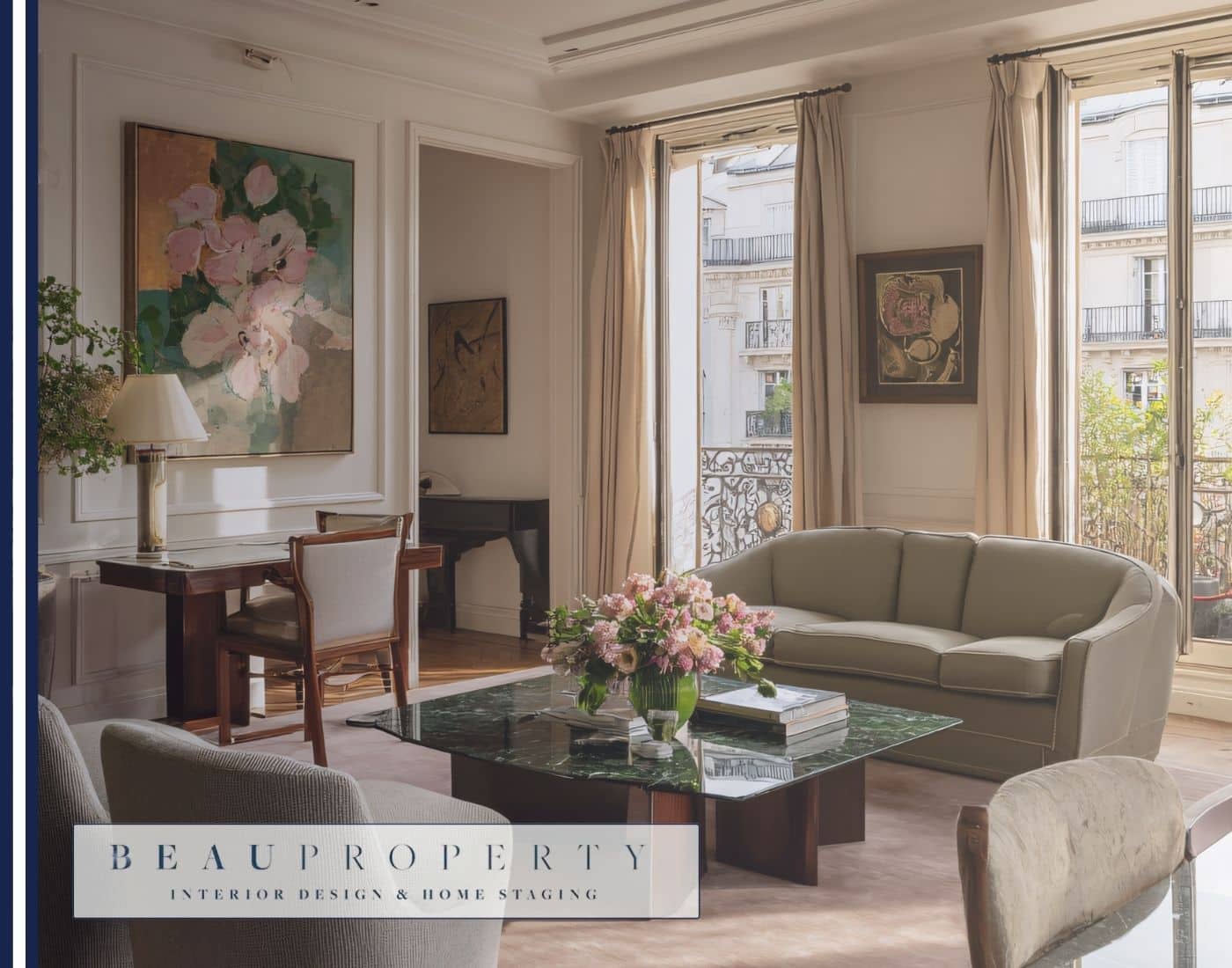
In summary, effectively leveraging your home’s features through staging practices is vital for enhancing marketability and appeal. By understanding the principles of home staging, recognising key features, and implementing cohesive design elements, homeowners can create inviting spaces that resonate with potential buyers.
As you prepare your home for sale, recognise the potential within each room and the significant influence staging can have on your selling prospects. Start planning today to maximise the unique attributes of your home for a successful sale.