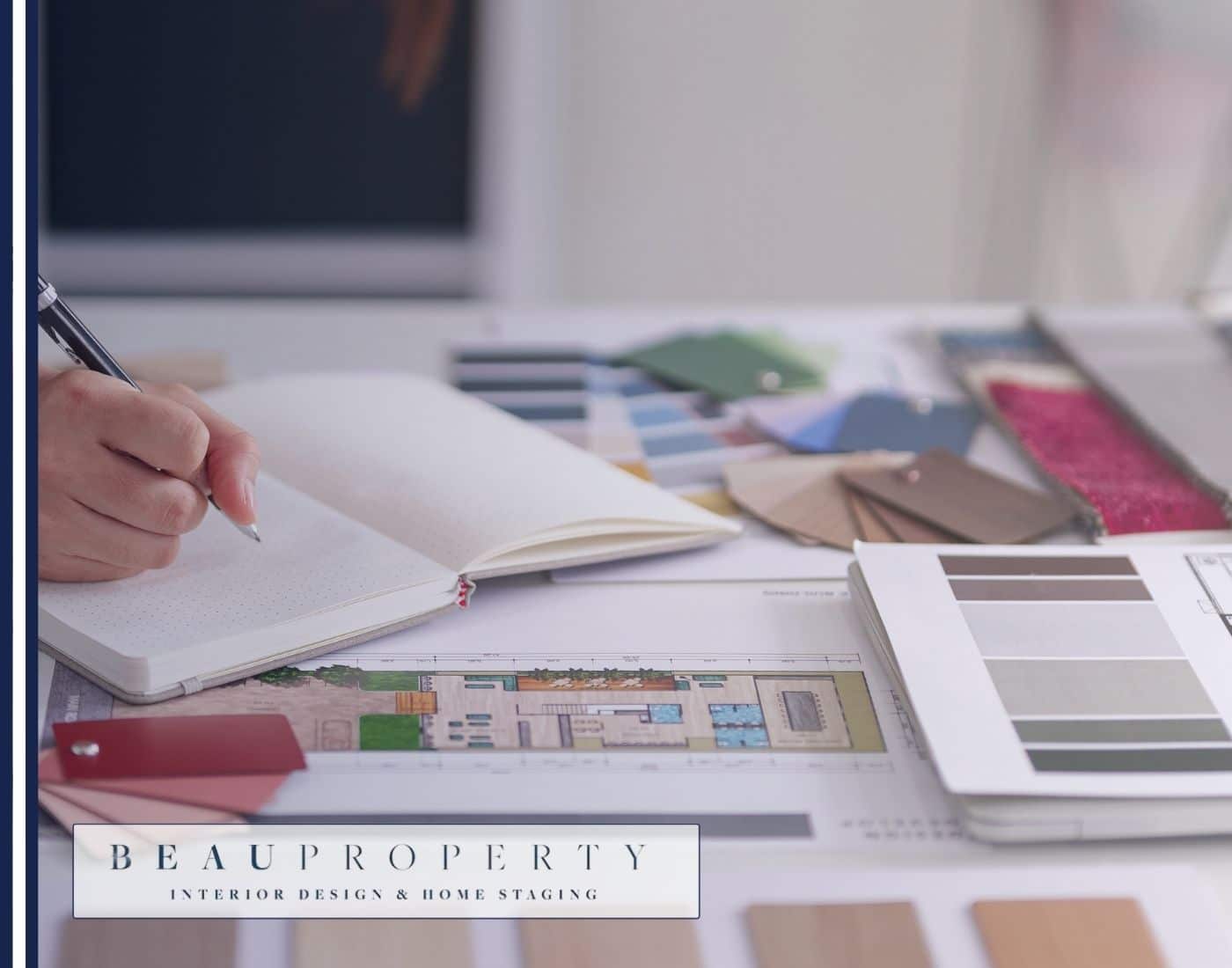
Selling a house can often seem daunting; however, one effective strategy can significantly ease the process: home staging. This comprehensive guide explores the various facets of home staging, its psychological ramifications, room-specific techniques, and the undeniable marketability it provides when selling a house. Effective presentation techniques are pivotal in today’s property market, significantly impacting the sale’s speed and sale price. With a focus on home staging, this blog aims to empower homeowners and real estate agents alike by providing valuable insights into making properties more appealing to potential buyers.
Understanding Home Staging
Home staging is the process of preparing a home for sale by optimising its visual appeal and showcasing its full potential. Unlike mere cleaning or decluttering, home staging goes much further, involving strategic furniture arrangement, decor selection, and creating an inviting atmosphere that resonates with potential buyers. The goal is to present a space that buyers can envision living in, and it encompasses:
Defining Home Staging and Its Importance
At its core, home staging is about strategically enhancing a property’s appeal without undergoing significant renovations. Through professional staging, sellers can create environments that are flattering and inviting, encouraging buyers to imagine their lives within the space. This approach is essential because home buyers often make decisions based on emotional reactions rather than merely logical analysis. When properties are visually compelling, they can elicit emotional responses that translate into offers.
Components of Home Staging
- Furniture Arrangement: The layout of furniture is crucial in facilitating flow and showcasing the home’s features. Staging should highlight the best aspects of each room, whether it be a beautiful view or spaciousness.
- Colour Palettes: Neutral colours are preferable during staging; they appeal to broader audiences and allow buyers to envision their colour preferences in the space. Light, inviting colours can create openness, making rooms feel larger.
- Cohesion: A home should possess a harmonious look that flows from room to room. Staging is not merely about individual spaces but about creating an overall atmosphere that feels coherent and thoughtfully designed.
- Emphasis on Cleanliness and Orderliness: This is non-negotiable; a clean and orderly environment is fundamental. A property needs to appear as if it has been lovingly maintained, allowing prospective buyers to appreciate its value.
In summary, home staging is a multifaceted approach designed to enhance a property’s presentation, making it more appealing to potential buyers by creating inviting and attractive spaces.
The Psychological Impact of Home Staging
Understanding how home staging impacts buyer perceptions hinges on the psychology of space and human emotions. When potential buyers walk into a staged home, they are often influenced subconsciously by what they see and feel.
Perception and Emotions in Real Estate
- First Impressions: These are critical in real estate transactions. A well-staged home can create a positive encounter right from the entrance. Buyers often form opinions within seconds, making it crucial for the home to make an immediate impact.
- Cognitive Triggers: Home staging can manipulate various cognitive triggers, such as space perception and warmth. An optimally staged living room, adorned with comfortable yet stylish furniture, can evoke feelings of relaxation and belonging.
- Visual Appeal: The overall visual aesthetics can stimulate emotional connections. When a home is beautifully presented, it resonates with buyers, leading them to fantasise about their life in that specific space.
- Creating an Inviting Atmosphere: Light, airy environments tend to feel more welcoming. Staging with lighter fabrics and strategically placed mirrors can enhance brightness, making spaces feel larger and more inviting.
By influencing the buyer’s emotional landscape, effective home staging can significantly enhance the chances of selling the property in a competitive market.
Key Aspects of Effective Home Staging
For home staging to be effective, several key aspects must be considered. Each of these elements plays a vital role in alluring potential buyers and making the home more marketable.
Cleanliness and Orderliness
A hallmark of effective staging is cleanliness. Homes that exhibit spotless kitchens and bathrooms as well as organised living spaces signal that they have been well cared for, ultimately increasing perceived value.
Importance of Neutral Colour Palettes
Neutral colour schemes work wonders in staging. They create a welcoming backdrop and allow for potential buyers to imagine their decor and lifestyle without the distraction of overly bright or unique colours. Palettes such as soft greys, beiges, or pastels can contribute significantly to the room’s overall appeal.
Optimising Natural Light
Natural light is vital in staging. Homes filled with sunlight appear more appealing and spacious. Techniques to enhance natural light include ensuring windows are clean, using sheer curtains, and strategically arranging mirrors to reflect light throughout the property.
Furniture Arrangement
Strategically arranged furniture can significantly influence buyers’ perceptions of space. Rather than overcrowding a room with large furnishings, opting for smaller, appropriately scaled pieces can enhance flow and functionality.
Accessories and Decor Elements
Carefully chosen accessories can accentuate a home’s best features. Decor elements such as artwork, fresh flowers, or stylish cushions should complement the overall design without overwhelming the senses. These items should primarily serve to highlight the home’s attributes while fostering an inviting atmosphere.
Together, these elements create an enticing and marketable environment that can persuade buyers to make an offer.
Staging Specific Rooms
Differentiating staging strategies for various spaces within the home is essential for capturing buyers’ interest. Each room serves a different purpose and thus requires tailored staging strategies.
Living Room Staging
The living room often serves as the heart of the home and must be staged to feel welcoming and functional.
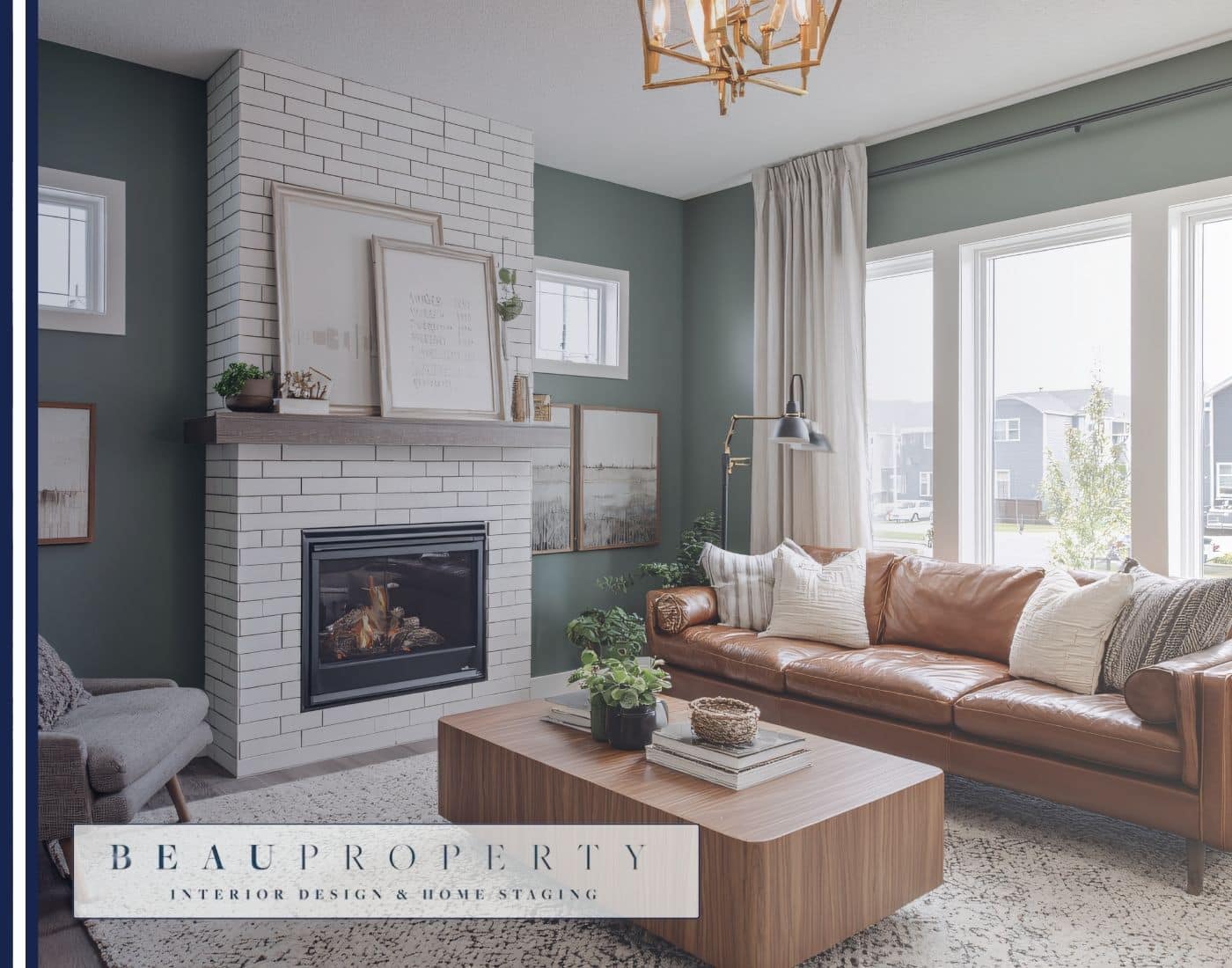
- Furniture Placement: Arrange furniture to foster conversation. Grouping seating together creates a cozy atmosphere, while ensuring pathways remain clear enhances flow.
- Focus on Focal Points: If there is a fireplace or a large window, arrange furniture to draw attention to these features.
Kitchen Staging
The kitchen is a vital selling point, often being seen as the home’s soul.
- Clutter-Free Surfaces: Keeping counters clear and clean will demonstrate the kitchen’s potential utility.
- Showcasing Space: Open shelving can exhibit stylish dishware, while strategically placed decor can add warmth.
Bedroom Staging
Bedrooms should emanate tranquility and sanctuary.
- Bedding Accents: Luxurious linens combined with soft pillows can create an inviting atmosphere.
- Use of Space: Make sure the bed is the focal point without overcrowding the room with excess furniture.
Bathroom Staging
Bathrooms can significantly influence buyers’ perceptions of a property.
- Spotlessness is Key: Ensure all surfaces are impeccably clean. Fresh towels and new toiletries can enhance the luxury feel.
- Mood Lighting: Soft lighting can create spa-like atmospheres, inviting buyers to envision relaxation.
Emphasising Multifunctional Spaces
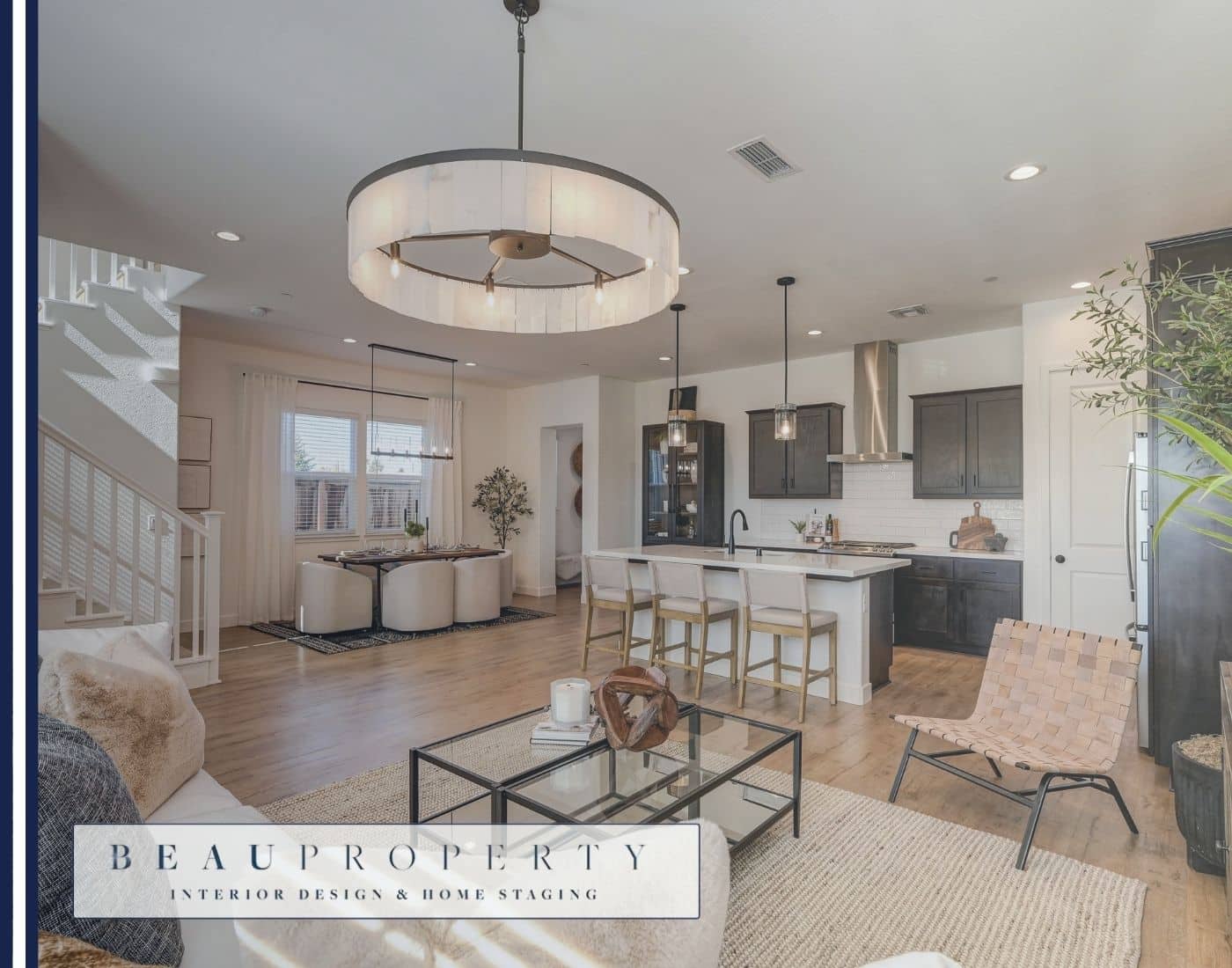
Many modern homes highlight multifunctional spaces. Staging should underscore this capability by organising rooms to display varied functions. Whether it’s showcasing a home office within a bedroom or an entertainment space within a living room, demonstrating versatility can resonate with potential buyers.
The Role of Outdoor Spaces in Staging
Outdoor spaces often get overlooked during the staging process, yet they are integral to enhancing a property’s overall appeal.
Importance of Outdoor Areas
Buyers often seek outdoor environments as extensions of their living space. Well-maintained gardens, balconies, and patios can dramatically influence a buyer’s perception of the home’s value.
Cultivating an Inviting Outdoor Atmosphere
- Landscaping: Simple landscaping techniques, such as strategically placed flowers and trimmed greenery, can significantly elevate outdoor spaces.
- Furniture Placement: Outdoor furniture should mirror the comfort level and aesthetic of indoor staging. Arranging seating in clusters encourages outdoor enjoyment while cleverly delineating spaces.
- Creating Functional Spaces: Consider adding a dining area or a relaxation zone. Outdoor rugs and cushions can make patios feel like an extension of the home while offering usability that buyers can appreciate.
By emphasising outdoor areas alongside indoor spaces, sellers can present a complete and compelling lifestyle offer.
Home Staging and Marketability
The effects of effective home staging extend beyond aesthetics. They play a vital role in a property’s marketability, impacting both sale prices and the speed of sale.
Market Statistics
Numerous studies indicate that staged homes generally sell faster and for higher prices than their non-staged counterparts. According to the National Association of Realtors, homes that were staged can lead to a 20% increase in sale prices and are likely to sell 73% faster than similar homes not staged. The strategic investment in staging can yield significant returns, making it an essential aspect of selling a house in competitive markets.
Competitive Edge in Real Estate Markets
In bustling real estate markets, having a competitive edge can be a game-changer. Effective home staging can transform a property into a standout listing, fuelling greater interest from potential buyers.
Collaborating with Professionals
While DIY staging is feasible, enlisting professional home staging services can yield impressive results. Professional stagers come equipped with expert insights and resources that can elevate property presentations.
The Expertise of Professional Home Stagers
- A Keen Eye for Design: Experienced stagers possess a strong understanding of interior design trends, colour theories, and buyer psychology.
- Tailored Staging Solutions: They can customise their approach to fit the unique characteristics of the property, leveraging its strengths to appeal to the target demographic.
- Cost Considerations: Though hiring a professional requires an upfront investment, the benefits often outweigh the costs, especially in terms of potential sale price increase and quicker sales.
In essence, collaborating with professional stagers can streamline the selling process and amplify home appeal, making them valuable partners in successfully selling a house.
Conclusion
Home staging is a crucial step in the property selling process that can significantly influence buyer interest and the ultimate sale price. By understanding its importance, psychological impacts, key staging elements, and the significant role it plays in marketability, homeowners and real estate agents can make informed decisions that elevate their property’s appeal. Integrating both interior and exterior staging strategies can ensure that every aspect of a home shines. Whether you choose to stage it yourself or hire professionals, the commitment to enhancing a home’s visual allure can lead to rewarding results in your endeavour to sell a house successfully.