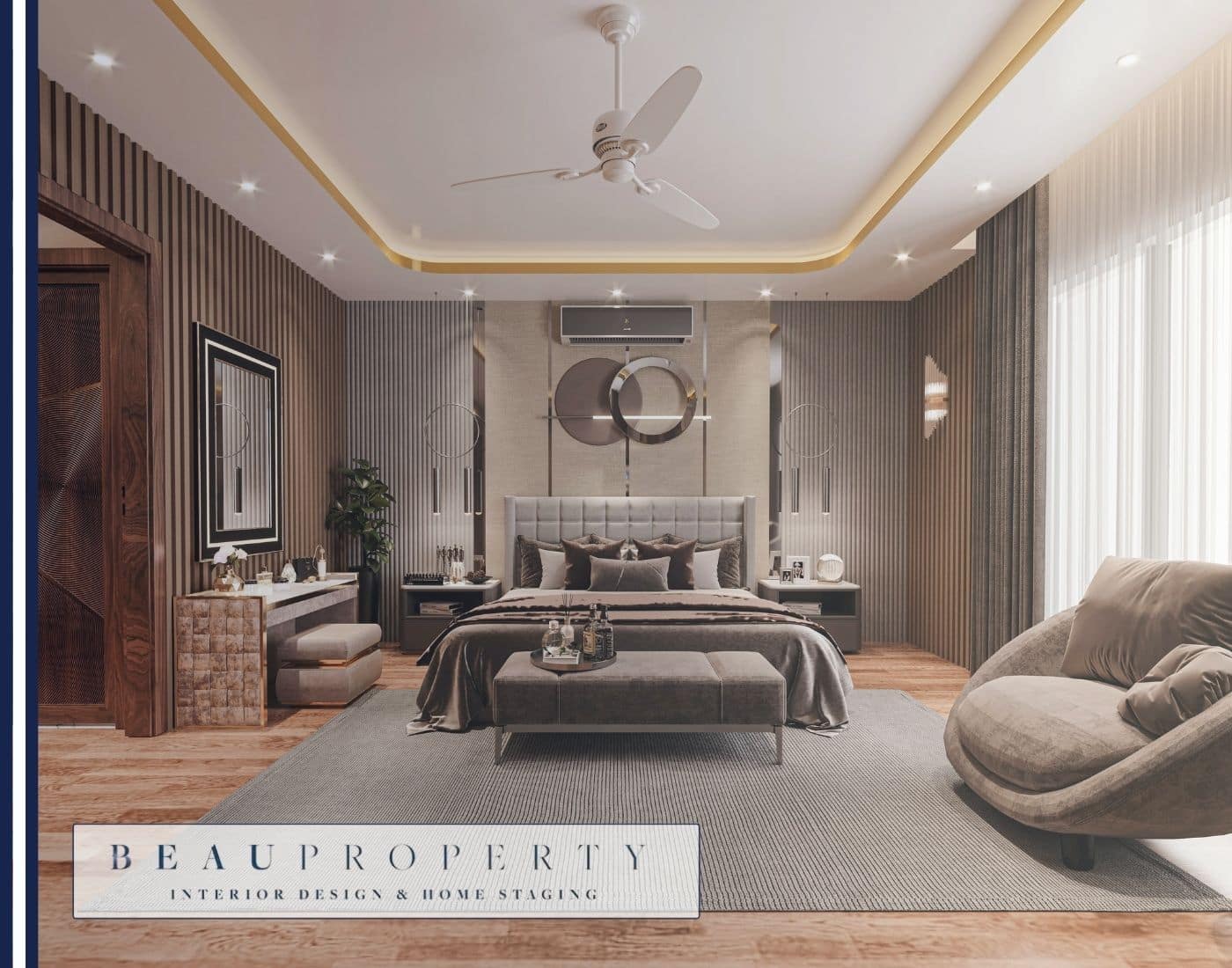
In the competitive world of the UK property market, securing a sale isn’t just about bricks and mortar, it is about selling a lifestyle. As buyers become increasingly discerning, presenting a property in its “raw” state is rarely enough to secure the asking price.
This is where home staging becomes your most powerful tool. It is not merely about tidying up; it is a strategic marketing tool designed to highlight your home’s strengths and downplay its weaknesses.
As professional stagers, we are pulling back the curtain to reveal the home staging secrets that can transform a stagnant listing into a hot property. Here is what the professionals know, and what you need to apply to your own sale.
The Psychology of the “First Impression”
You have likely heard that buyers make up their minds within seconds of stepping through the door. This is scientifically grounded. Home staging is less about decoration and more about psychology.
The goal is depersonalisation. When a buyer sees your family photos, your toiletries, and your specific taste in bold art, they feel like intruders in your home. When those items are removed and replaced with neutral, aspirational decor, they can visualise themselves living there.
The Secret: You are not selling your home as it is; you are selling the potential of what it could be. You are selling a dream.
The “Big Three” Techniques Used by Pros
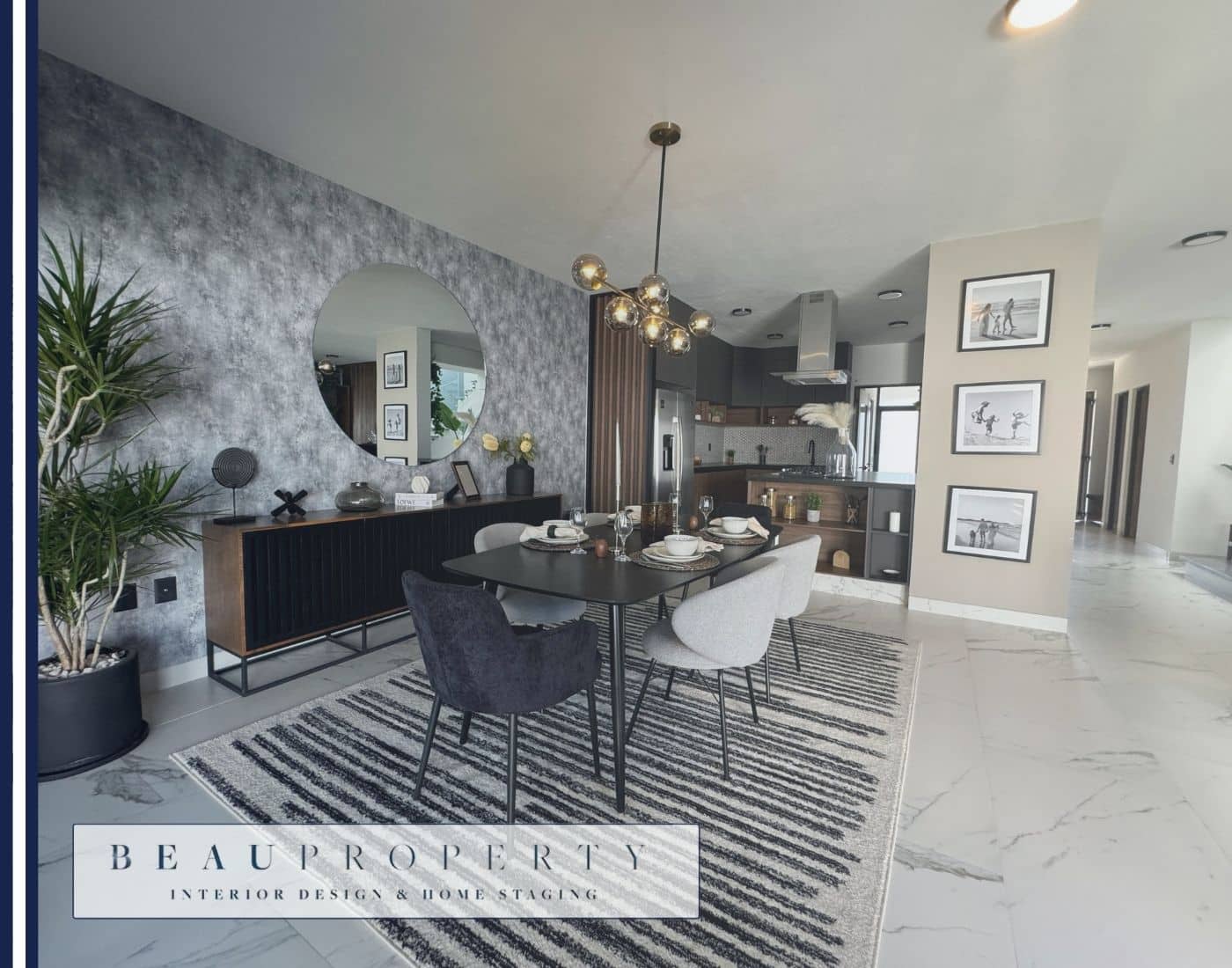
If you want to replicate the results of a professional staging team, you must master these three fundamental elements.
1. Zoning and Flow
In modern British homes, particularly those with open-plan layouts, buyers can get confused about how to use a space.
- The Fix: Use furniture to define “zones.” A rug and two armchairs can turn a dead corner into a “reading nook.” A console table behind a sofa can separate a lounge area from a dining space.
- The Secret: Pull furniture away from the walls. It seems counter-intuitive, but “floating” furniture often makes a room feel more spacious and luxurious than pushing everything against the skirting boards.
2. The Power of Lighting
Lighting is the unsung hero of property sales, especially during the darker British months.
- The Fix: Layer your lighting. Relying on a single “big light” (ceiling pendant) makes rooms feel flat and cold.
- The Secret: Turn on every lamp for viewings, even in the daytime. Use warm-white bulbs (2700k-3000k) to create a cosy, inviting glow. Ensure curtains are pulled right back to flood the room with natural light.
3. The “Hotel” Clean
Cleanliness in home staging goes beyond the Sunday chores. It needs to be “hotel standard.”
- The Fix: Deep clean carpets, grouting, and windows.
- The Secret: Scent matters, but keep it subtle. Avoid heavy air fresheners that suggest you are hiding a smell. Fresh air, brewed coffee, or a very subtle linen diffuser are the safest bets.
Optimising the Exterior: Kerb Appeal
The staging process begins before the front door opens. If the exterior looks neglected, buyers assume the interior is too.
- Landscaping: You don’t need a complete garden redesign. Mow the lawn, jet wash the patio, and trim overgrown hedges.
- The Entrance: A fresh coat of paint on the front door and a new doormat can work wonders.
- Lifestyle cues: If you have a patio, set up a small bistro table and chairs. Show the buyer that this is a space for relaxation, not just maintenance.
Common Mistakes to Avoid
Even with good intentions, sellers often fall into specific traps:
- Over-Personalisation: We cannot stress this enough, remove the gallery wall of family holidays. It distracts the buyer.
- Bold Colour Choices: You might love your dark teal feature wall, but it might make the room feel small to a buyer. Neutral tones (off-whites, soft greys, warm beiges) appeal to the widest demographic.
- Ignoring Maintenance: A dripping tap or a cracked tile suggests the house hasn’t been cared for. Fix the “snagging” list before you list the property.
The Digital Shift: Virtual Staging
If you are selling an empty property, you are at a disadvantage. Empty rooms look smaller and colder than furnished ones.
If physical staging isn’t an option, Virtual Staging is a modern solution. This technology allows us to digitally insert furniture into high-resolution photographs. It helps online browsers understand the scale of the room (e.g., “Will a double bed fit there?”) before they even book a viewing.
Conclusion: An Investment, Not a Cost
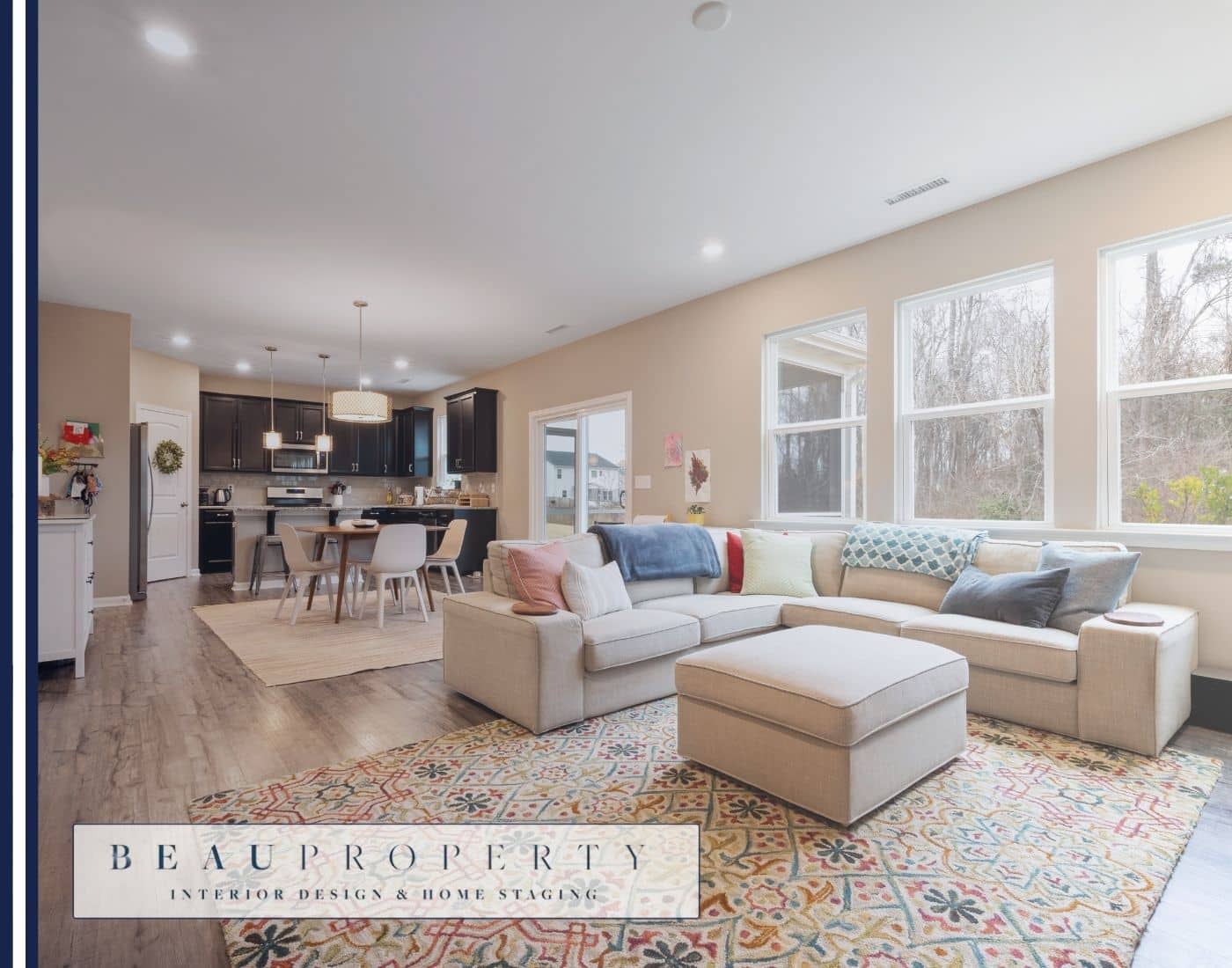
Home staging is not an expense; it is an investment in the value of your asset. A well-staged home photographs better, attracts more Rightmove/Zoopla clicks, and typically sells faster than a non-staged competitor.
By applying these home staging secrets, you move from being a passive seller to an active marketer of your property.
Ready to maximise your property’s value? Whether you need a full furniture rental package or a consultation on how to style your current home, contact our team today to discuss your sale.