
In the competitive landscape of the UK real estate market, homeowners, real estate agents, and potential sellers are continually seeking strategies to enhance property sales. One such strategy that has gained significant attention is home staging. But what exactly is home staging, and is it a worthwhile investment for homeowners? This blog will delve into the intricacies of home staging, exploring its benefits, financial implications, effective techniques, and the significant roles that real estate agents play. By the end of this article, you will have a comprehensive understanding of home staging and whether it is a valuable investment for your property.
What is Home Staging?
Home staging is the process of preparing a residential property for sale in the real estate market. It involves the strategic arrangement of furniture, décor, and overall aesthetics to make the home more appealing to potential buyers. The primary objective of home staging is to create an environment that allows buyers to envision themselves living in the space, thus increasing the likelihood of a sale. Essentially, home staging transforms a space into a product that speaks to the emotions and imaginations of prospective buyers.
Methods of Home Staging
Home staging can be approached in various ways, including hiring professional staging services or taking a DIY approach. Professional stagers often possess a wealth of experience and knowledge about current market trends, allowing them to make informed decisions about what will most appeal to potential buyers. These experts understand the nuances of buyer psychology and can curate spaces that not only look good but also feel inviting.
On the other hand, DIY staging can be a cost-effective option that allows homeowners to inject their personal touch while still adhering to general staging principles. Those who choose the DIY route can find numerous online resources and guides to assist them in the process. Whether hiring a professional or opting for a personal touch, the goal remains the same: to create a warm and welcoming environment that resonates with buyers.
Home Staging vs. Interior Decorating
While both home staging and interior decorating focus on aesthetics, they differ significantly in their objectives. Interior decorating is centred around personal style and comfort, allowing the homeowner to express their unique tastes. In contrast, home staging is about creating a neutral, inviting space that appeals to a broad audience. The goal of home staging is not to express the homeowner’s personality but rather to highlight the property’s potential through an objective lens, enabling buyers to envision how they would make the space their own.
The Benefits of Home Staging
Enhanced First Impressions
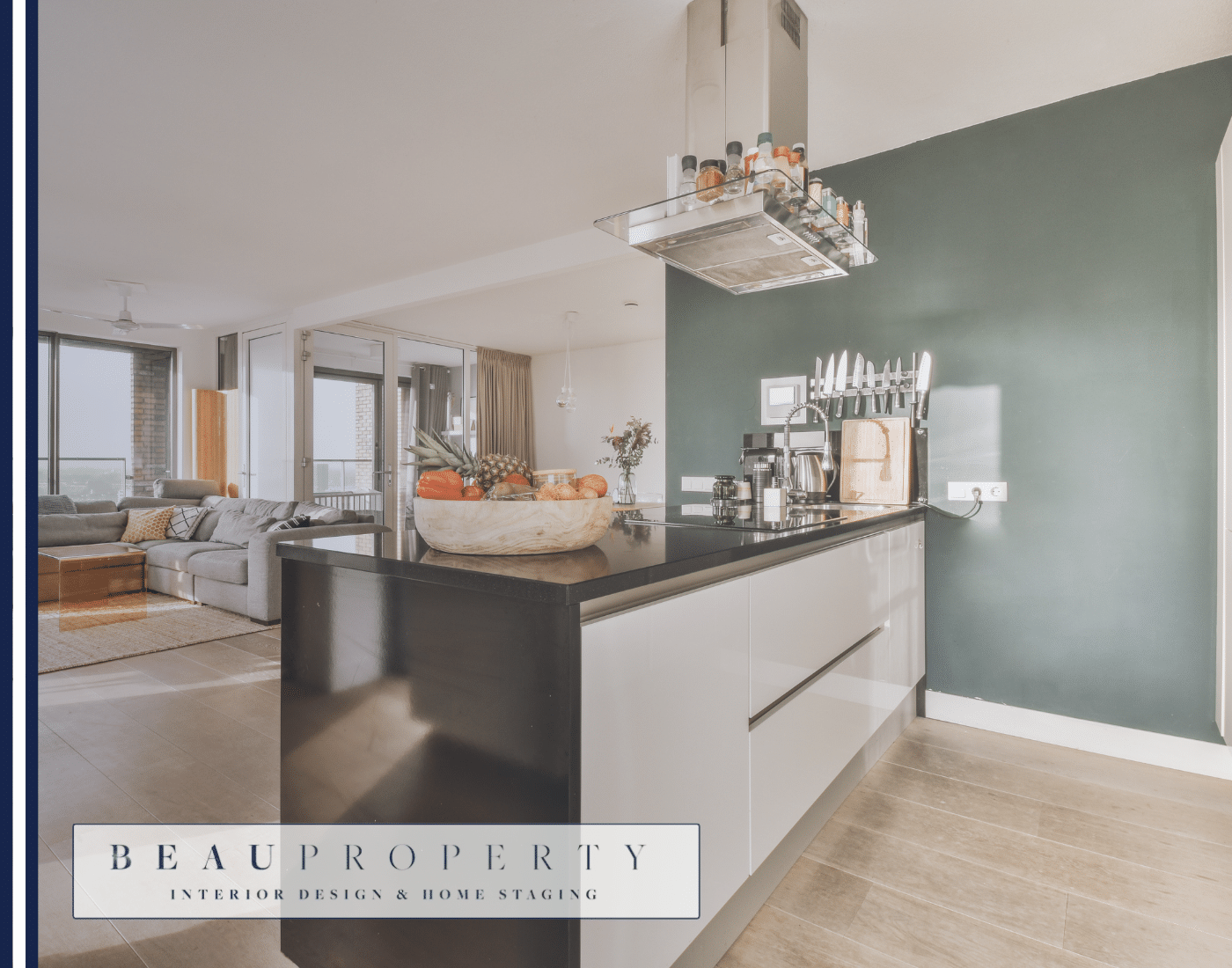
First impressions are crucial in real estate. Well-staged homes create a positive initial impact on potential buyers, making them more likely to engage further with the property. A well-presented home can evoke emotions and spark interest, encouraging buyers to picture themselves living there. This emotional connection is often the deciding factor in a buyer’s willingness to make an offer.
Increased Perceived Value
Home staging can significantly raise the perceived value of a property. By presenting a home in its best light, staging can make a property feel more luxurious and desirable, potentially justifying a higher asking price. This is particularly important in the competitive UK real estate market, where buyers are often looking for properties that stand out from the crowd. Staging can help differentiate a property in a saturated market, making it more memorable for potential buyers.
Faster Sales
Statistics indicate that staged homes in the UK tend to sell faster than their unstaged counterparts. According to various studies, homes that are staged sell up to 73% faster than those that are not. This is especially relevant in a market where time on the market can significantly impact the eventual sale price. A quicker sale not only minimises the stress and uncertainty for sellers but can also lead to better financial outcomes.
Broader Buyer Appeal
Staging helps create a neutral canvas that appeals to a wider range of buyers. By removing personal items and clutter, potential buyers can better envision how they would utilise the space. A well-staged home can cater to various demographics, making it easier to attract different buyer segments. This broader appeal is particularly important in diverse markets where homes are purchased by a variety of individuals and families.
Showcasing Space and Potential
Effective staging highlights the property’s best features, making spaces appear larger and more functional. Stagers use techniques such as furniture arrangement and décor choices to draw attention to the home’s strengths, which can influence buyer perceptions and decisions. By showcasing the potential of each room, staging can help buyers see how they can live in and enjoy the space.
Home Staging Techniques
Decluttering and Depersonalising
One of the most crucial steps in staging is decluttering and depersonalising the space. Removing personal items, such as family photos and memorabilia, helps create a neutral environment that allows buyers to envision themselves in the home. Additionally, decluttering enhances the sense of space, making rooms feel larger and more inviting. It’s advisable to approach this task with a critical eye, assessing what is truly necessary for the staging process.
Furniture Arrangement
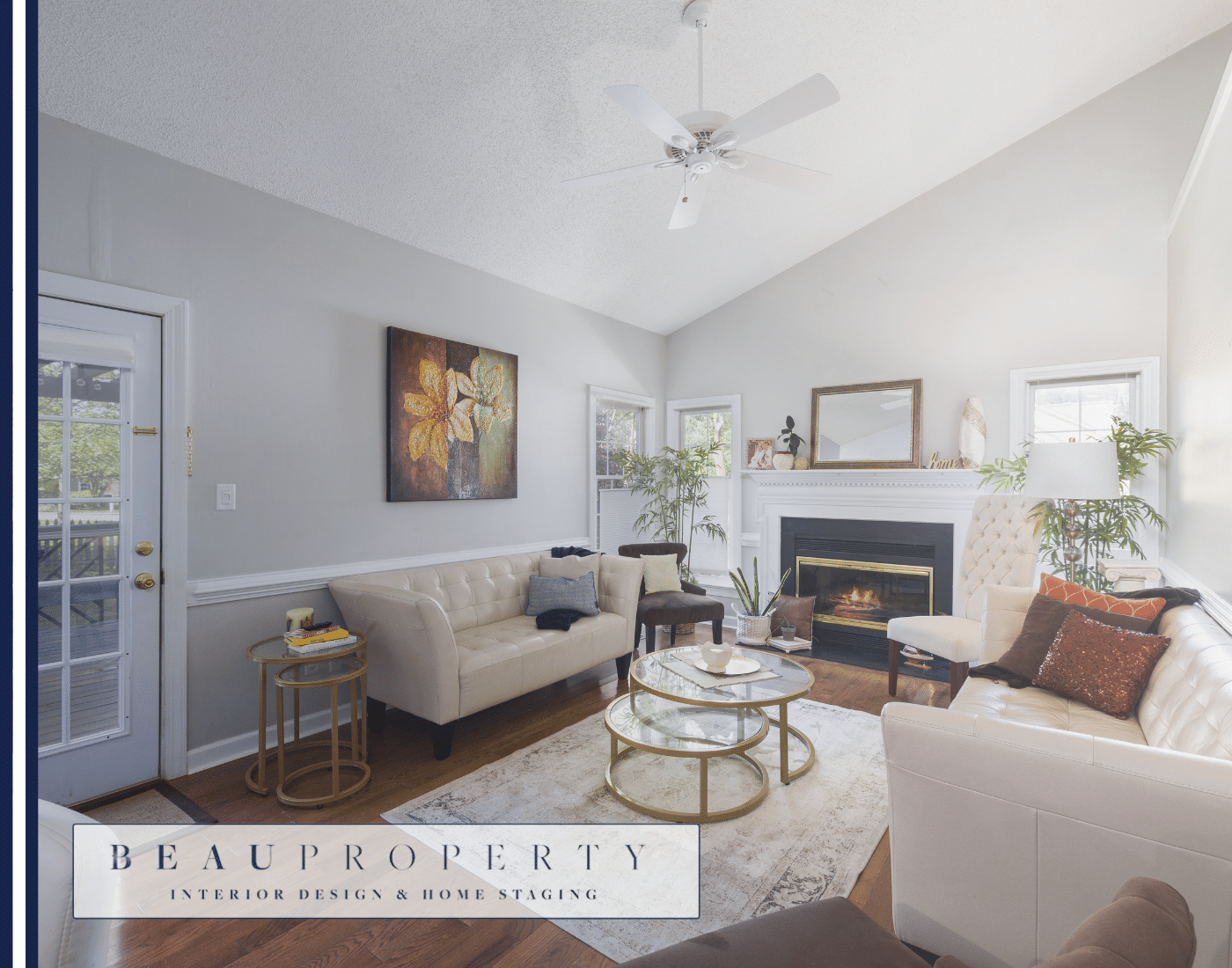
The arrangement of furniture plays a vital role in how a home is perceived. Strategic furniture placement can improve flow and functionality, allowing for better navigation through the space. For instance, positioning sofas and chairs to create conversational areas can foster a welcoming atmosphere. Thoughtful arrangement not only showcases the home’s features but also allows buyers to see how the space can be lived in.
Use of Colour and Lighting
Colour schemes and lighting significantly impact a home’s appeal. Neutral colours tend to resonate well with buyers, as they create a blank canvas that allows for personalisation. Furthermore, good lighting can enhance the mood of a space, making it feel brighter and more inviting. Stagers often recommend using a combination of natural light and warm artificial lighting to create a welcoming environment. This careful consideration of colour and lighting can help create the right atmosphere for prospective buyers.
Accessorising and Detailing
Accessories, artwork, and detailed décor elements can transform a space from ordinary to extraordinary. Thoughtfully chosen accessories can add character and warmth while enhancing the overall aesthetic. However, it’s essential to avoid over-accessorising, as this can create a cluttered look that detracts from the home’s appeal. Striking the right balance is key to ensuring that the accessories complement rather than overwhelm the space.
The Role of Real Estate Agents in Home Staging
Agent Recommendations
Real estate agents play a crucial role in the home staging process. Many agents recommend staging to their clients, citing its effectiveness in enhancing property sales. Agents understand the local market and can provide valuable insights into what buyers are looking for, helping sellers make informed choices about staging their home. This expert guidance can be invaluable, particularly for first-time sellers navigating the complexities of the real estate market.
Market Insights
Experienced agents leverage their knowledge of the local real estate market to guide sellers on effective staging strategies. They often provide suggestions on what improvements will yield the best results, ensuring that the staging aligns with current buyer preferences and expectations. Their insights can help sellers prioritise which areas of the home to focus on, maximising the impact of their staging efforts.
Collaborative Efforts
Collaboration between real estate agents and home stagers can lead to successful outcomes. Agents and stagers can work together to develop a cohesive strategy for showcasing the property, ensuring that all aspects, from marketing to presentation, are aligned. This collaborative effort can maximise the home’s appeal and expedite the sales process, ultimately benefiting both the seller and the agent.
Current Trends in Home Staging
Virtual Staging
With advancements in technology, virtual staging has emerged as a popular option in the real estate market. This technique involves digitally staging a property using software, allowing potential buyers to visualise how spaces can be utilised without the need for physical staging. Virtual staging is often more cost-effective than traditional staging and can be particularly appealing in markets where properties are selling quickly. This innovative approach to staging allows sellers to showcase their homes in a dynamic and engaging manner.
Sustainable Staging
Sustainability is becoming increasingly important in home staging practices. Many stagers are now incorporating eco-friendly materials and furnishings, reflecting a growing desire among buyers for environmentally responsible options. Sustainable staging not only aligns with modern buyer preferences but also adds an attractive selling point for environmentally conscious consumers. By embracing sustainability, stagers can appeal to a demographic that values eco-friendly living.
Staging for Specific Markets
As the real estate market evolves, staging techniques are adapting to cater to different buyer demographics and market segments. For instance, staging a home in a family-oriented neighbourhood may involve creating child-friendly spaces, while a property in a trendy urban area may focus on showcasing modern aesthetics. Tailoring staging strategies to specific markets can enhance appeal and increase the likelihood of a successful sale. This market-specific approach ensures that staging efforts resonate with the target audience.
Conclusion
In conclusion, home staging is a powerful investment for homeowners looking to enhance property sales in the UK real estate market. By creating inviting and neutral spaces, staging can significantly improve first impressions, increase perceived value, and lead to faster sales. While the costs associated with home staging can vary, the potential return on investment often justifies the expenditure.
As the market continues to evolve, understanding the benefits of home staging and implementing effective techniques can make all the difference in attracting potential buyers. Ultimately, presenting a home in its best light is crucial for standing out in a competitive landscape. If you’re considering selling your property, investing in home staging may be the key to unlocking its full potential. Don’t miss out on the opportunity to make a lasting impression—start your home staging journey today!