
The Crucial Role of Furniture in Property Staging
Why Furniture Selection Matters
When staging a property, furniture selection plays a pivotal role in shaping how potential buyers perceive a space. A well-furnished home creates an inviting atmosphere that fosters an emotional connection—a crucial element when trying to secure an offer. In fact, research shows that staged properties can sell up to 73% faster than unstaged ones, underscoring the influence of thoughtfully chosen furnishings.
Choosing the right furniture showcases a property’s best features, making rooms feel larger, more functional, and highly inviting. Buyers often rely on visual cues to imagine themselves living in a space; therefore, the style, colours, and arrangement of your furniture significantly impact that experience.
Visual Impact and Emotional Appeal
The physical presence of furniture establishes the foundation for how each room is perceived. For instance, heavy, dark antique furniture can make a space feel cramped and dated, whereas lighter, airy pieces can enhance a room’s openness and brightness.
Here is a quick breakdown of how different furniture styles contribute to the staging process:
| Furniture Style | Perceived Atmosphere | Impact on Potential Buyers |
|---|---|---|
| Contemporary | Sleek, modern, minimal | Appeals to modern sensibilities and young professionals |
| Scandinavian | Warm, inviting, functional | Evokes comfort, simplicity, and a sense of calm |
| Industrial | Edgy, urban, unique | Attracts creative buyers looking for character |
| Transitional | Balanced, versatile | Highly adaptable; appeals to a very wide audience |
| Rustic | Homely, organic | Creates a lived-in, cosy, and welcoming feel |
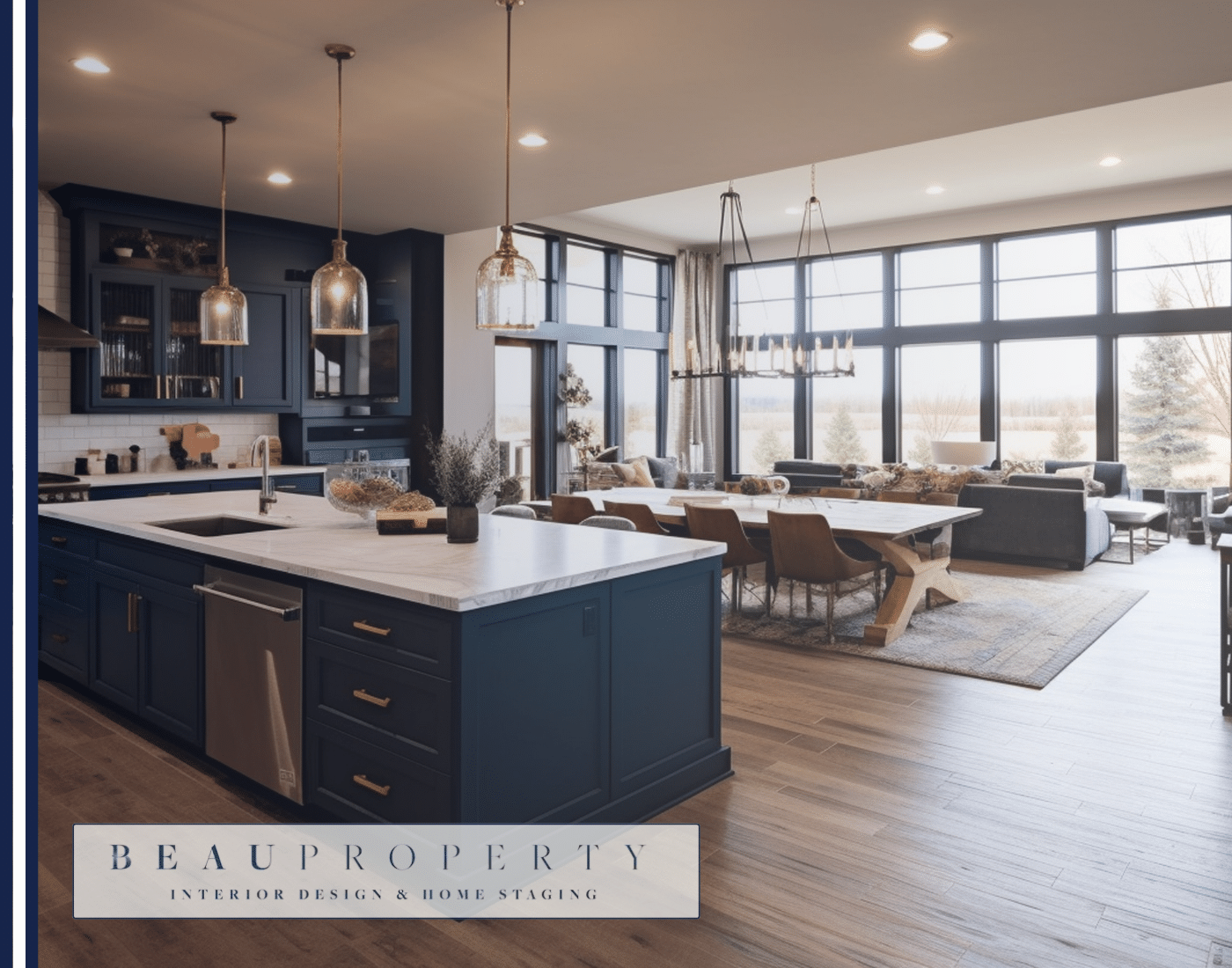
Leading Furniture Styles for Property Staging
1. Contemporary Furnishings
Contemporary furniture styles are defined by clean lines and a minimalist design, appealing to modern buyers who prefer an uncluttered aesthetic. This style often features neutral colour palettes and low-profile silhouettes, creating a seamless flow that makes spaces feel larger.
- Key Features: Commonly includes glass, metal, and smooth fabrics, reinforcing a sleek look.
- Ambience: Embodies a sense of calmness and order, helping buyers visualise a serene living space.
- Staging Example: A modern flat featuring a large modular sofa in a neutral fabric, complemented by a glass coffee table.
- Pros: Emphasises space, offers timeless appeal, and fits various interior styles without clashing.
- Cons: Can risk feeling impersonal or “cold” if not softened with textured accessories.
2. Scandinavian Design
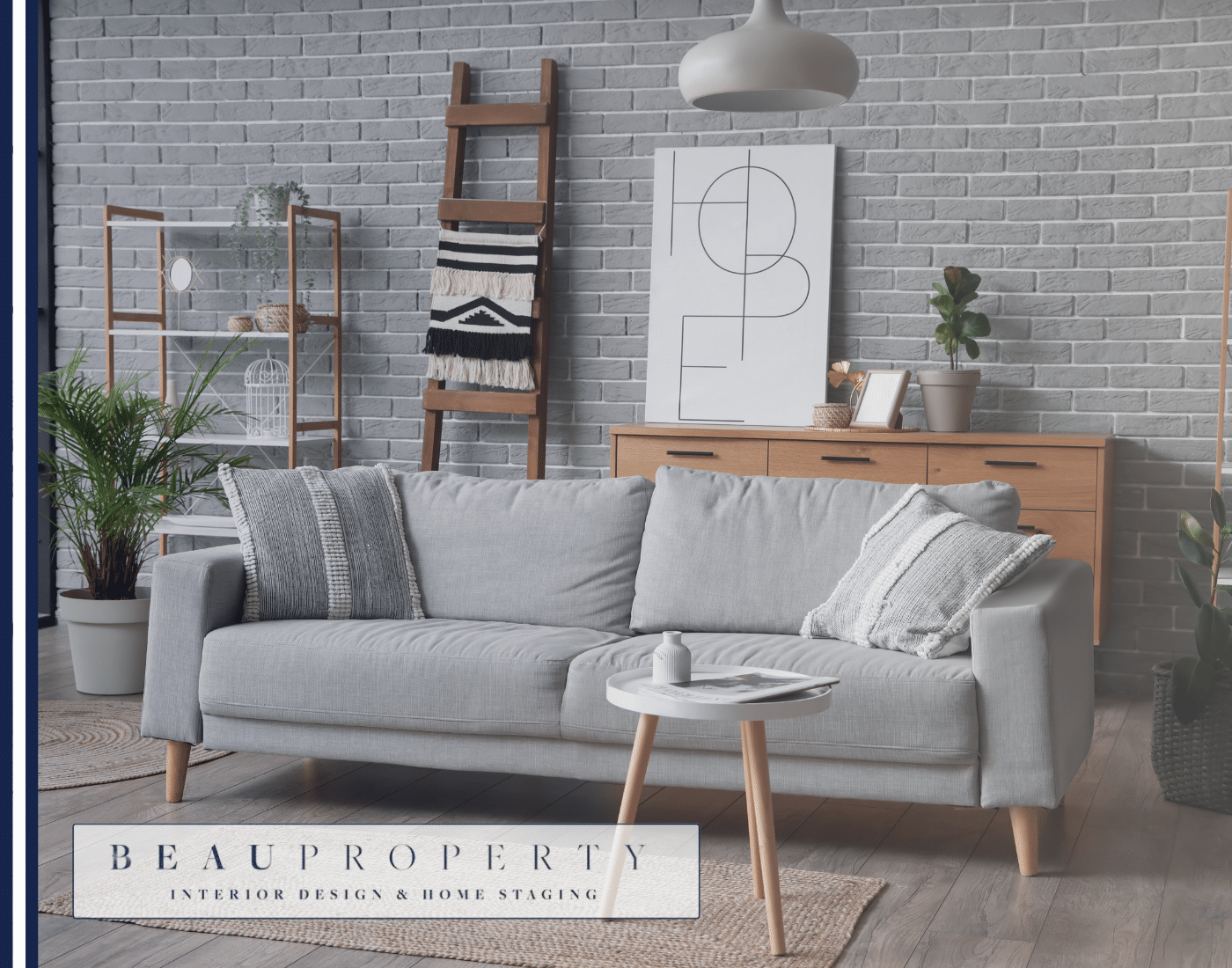
Scandinavian design has surged in popularity across the UK for its simplicity, functionality, and connection to nature. This aesthetic employs light woods, muted colours, and geometric shapes.
- Key Features: Every piece serves a purpose, avoiding excess clutter. Organic materials enhance the connection to the outdoors.
- Staging Example: A living room featuring a pale oak coffee table, a large textured neutral rug, and streamlined seating that optimises space.
- Pros: Brightens spaces beautifully; light wood and soft colours enhance the perception of size.
- Cons: The limited, muted colour palette may not resonate with buyers who prefer bold, vibrant interiors.
3. Industrial Aesthetics
Industrial furniture makes a statement by embracing raw materials and a slightly unfinished look. Perfect for urban settings or warehouse conversions, this style includes elements like exposed metal, reclaimed wood, and concrete finishes.
- Key Features: Features steel, iron, and weathered woods packed with character.
- Staging Example: A dining area staged with a reclaimed wood table and matte black metal chairs, evoking a trendy, modern vibe.
- Pros: Infuses personality that attracts creative-minded buyers and boasts incredible durability.
- Cons: The raw materials can sometimes feel less inviting to families looking for a traditional, cosy home.
4. Transitional Pieces
Transitional furniture blends traditional and contemporary styles, making it incredibly versatile. This hybrid style caters to various tastes, making it a firm favourite in professional property staging.
- Key Features: Soft curves from traditional pieces blend seamlessly with the clean lines of modern designs.
- Staging Example: A dining room where a classic, heavy wooden table is paired with modern, sleek upholstered chairs.
- Pros: Casts the widest net for broad buyer appeal and avoids drastic, fleeting trends.
- Cons: If not executed carefully, it can sometimes come across as slightly generic.
5. Rustic Charm
Rustic furniture brings warmth and an inviting feel to spaces, often featuring natural materials and handcrafted details. This style is perfect for country cottages or suburban family homes.
- Key Features: Emphasises grainy woods, wrought iron, and tactile textiles like linen and wool.
- Staging Example: Staging a kitchen-diner with a chunky farmhouse table and mismatched chairs to cultivate a family-centric environment.
- Pros: Evokes strong feelings of nostalgia, comfort, and a welcoming atmosphere.
- Cons: Natural materials require more upkeep, and the style may feel out of place in an ultra-modern city apartment.
Choosing the Right Furniture for Each Space
Selecting appropriate furniture for specific spaces is critical to effective staging. Each room serves a unique purpose, and the furniture should reflect that.
- Living Areas: This space requires seating that encourages interaction. Large sofas paired with accent chairs create conversational zones while maintaining a clear walkway.
- Dining Spaces: Dining rooms should evoke social interaction. Opt for substantial tables with comfortable chairs to foster a welcoming atmosphere.
- Bedrooms: Comfort is crucial. A well-chosen bed frame, dressed in crisp white linens and complemented by matching bedside tables, creates a serene retreat.
- Kitchens: Furnishings should enhance functionality. Selecting furniture that doubles as storage, or adding stylish bar stools to a kitchen island, is a smart move.
Colour Schemes and Their Impact
Understanding how colour influences perception can dramatically affect your staging success.
- Neutral Tones: The gold standard in staging. Whites, beiges, and soft greys make a space feel open, adaptable, and ready for the buyer to make their own.
- Earthy Tones: Warm browns, terracotta, and muted greens are currently dominating interior design trends for their calming, nature-inspired effects.
- Complementary Accents: Choosing neutral furniture allows you to use complementary colours in your soft furnishings (like cushions and throws) to provide visual interest without overwhelming the viewer.
Conclusion
Understanding dominating furniture styles is essential for anyone looking to sell a property. By creating inviting atmospheres and appealing to modern buyers, the right furniture choices can dramatically influence the desirability and market value of your home. Remember that every style tells a unique story, inviting potential buyers to envision their future life in your property.
By embracing these insights, you will be better equipped to present your home at its absolute best, setting your property apart in a competitive market.
Looking to maximise your property’s potential? Staging a home requires an expert eye. If you want to ensure your property captures the hearts (and offers) of potential buyers, consider reaching out to a professional property staging team today to see how we can transform your space.