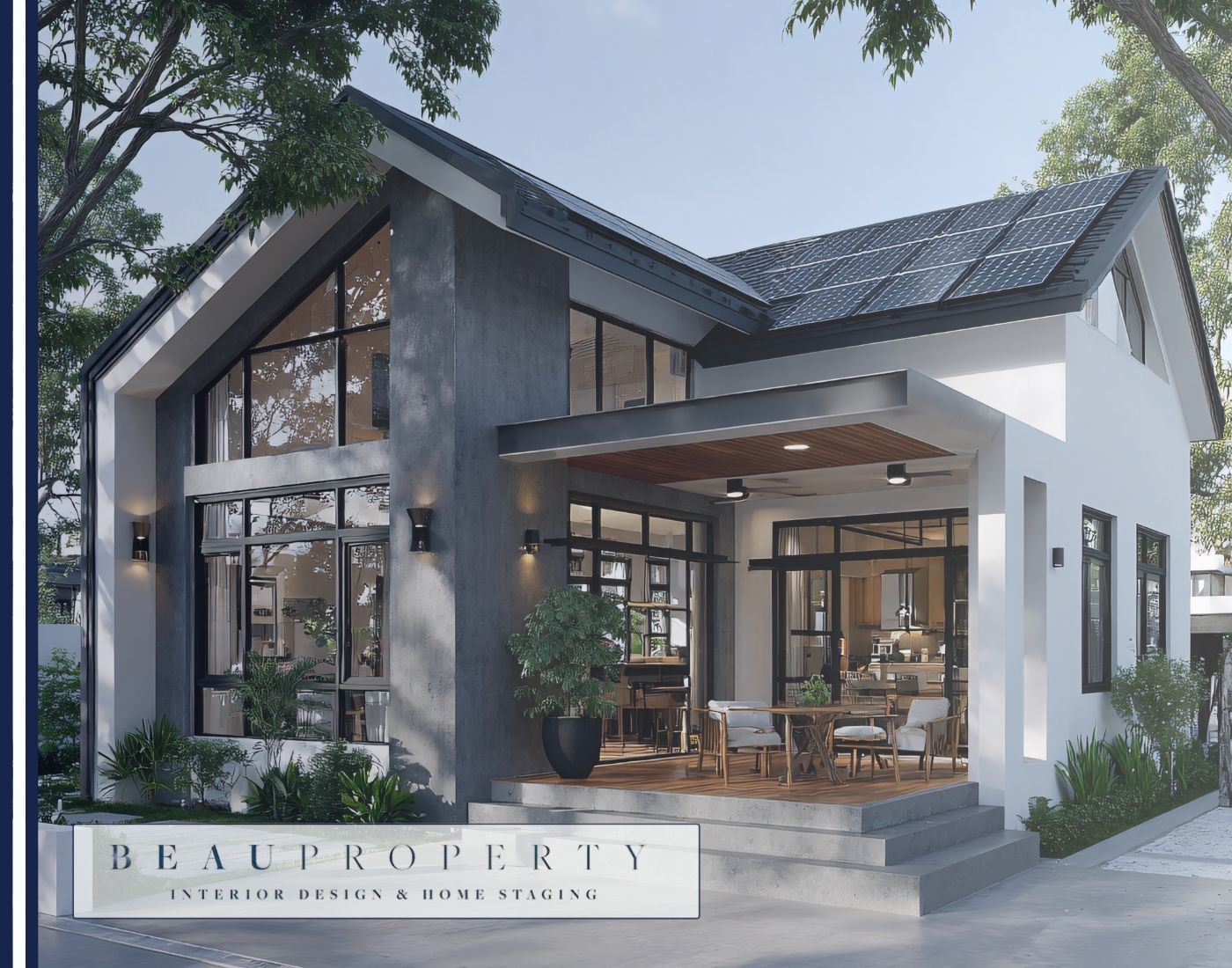
As the global spotlight increasingly focuses on sustainability, the real estate market is transforming to emphasise eco-friendly practices. Environmentally conscious homeowners and real estate professionals recognise the importance of integrating eco-friendly concepts into home staging. Eco-Friendly Staging is not just about aesthetic appeal; it’s about creating a Green Home that reflects a commitment to sustainability.
The Philosophy Behind Eco-Friendly Staging
At its core, eco-friendly staging embodies a philosophy centred on sustainability. This approach prioritises lasting materials, waste reduction, and a healthier living environment. As consumers become more aware of climate change, they are increasingly drawn to homes that promote sustainable values.
The Impact of Sustainability on Home Staging Decisions
The principles of eco-friendly staging encourage real estate professionals to consider not just the aesthetics but also the environmental impact of a space. For instance, the choice of furnishings, colour palettes, and decorative elements can either positively or negatively affect a home’s ecological footprint.
When staging, it’s vital to choose items that lessen the environmental impact. Opting for sustainably sourced materials, energy-efficient appliances, and non-toxic paints is essential. Homes staged with eco-friendly elements often present warm, inviting spaces that leave a lasting impression on potential buyers, leading to quicker sales at higher prices.
Psychological Benefits of a Green Environment
A green home is not only attractive but also promotes a sense of well-being. Numerous studies indicate that natural elements and sustainable features positively affect mood and mental health. Integrating eco-friendly elements can evoke feelings of tranquillity and comfort, making potential buyers more likely to envision themselves living in such spaces. This psychological appeal enhances the property’s overall desirability.
Incorporating Sustainable Materials
Sustainable materials are fundamental to eco-friendly staging. Selecting items with minimal environmental impact helps create appealing spaces that stand out in the market.
Reclaimed Wood
Reclaimed wood is a popular choice for eco-friendly staging due to its durability and unique character. Used in furniture, flooring, and wall accents, it tells a story and adds texture to any room, sourced from old buildings or furniture, which helps preserve forests.
Advantages:
- Reduced environmental impact: Using reclaimed wood conserves natural resources.
- Unique aesthetic: Each piece has distinct characteristics, allowing creativity in design.
- Durability: Often more robust than new wood, it withstands wear and tear.
Bamboo Furniture
Bamboo is a sustainable material recognised for its rapid growth and strength. Bamboo furniture is visually appealing, lightweight, and durable, making it an excellent choice for home staging.
Advantages:
- Sustainability: Bamboo grows quickly and needs minimal resources.
- Aesthetic appeal: It offers a modern look that complements various design styles.
Non-Toxic Paint
Using non-toxic, low-VOC (volatile organic compound) paints is crucial for creating a healthy indoor environment. Traditional paints release harmful chemicals that affect air quality and overall health.
Advantages:
- Healthier living space: Low-VOC paints contribute to better indoor air quality.
- Wide variety of colours: Non-toxic paints come in many hues, ensuring stylish design without compromising health.
Incorporating these sustainable materials promotes eco-friendliness and elevates the home’s visual appeal, allowing potential buyers to appreciate both aesthetics and the values underpinning the property.
Energy-Efficient Lighting Solutions
Lighting plays a pivotal role in staging strategy. It affects how spaces are perceived and can significantly reduce energy costs, aligning perfectly with eco-friendly staging objectives.
LED Bulbs
LED (light-emitting diode) bulbs are among the most energy-efficient lighting options. They consume significantly less energy than traditional incandescent bulbs and have a longer lifespan, making them practical for staged homes.
Advantages:
- Energy efficiency: They use approximately 75% less energy, contributing to reduced utility bills.
- Variety of styles: Available in diverse shapes and colours, LED bulbs complement various design aesthetics.
- Mood enhancement: The ability to choose warm or cool lighting tones provides versatility in creating desired atmospheres.
Solar-Powered Fixtures
Including solar-powered lighting installations in outdoor areas enhances staging while offering sustainability. These fixtures harness the sun’s energy, eliminating electricity costs and promoting an eco-friendly image.
Advantages: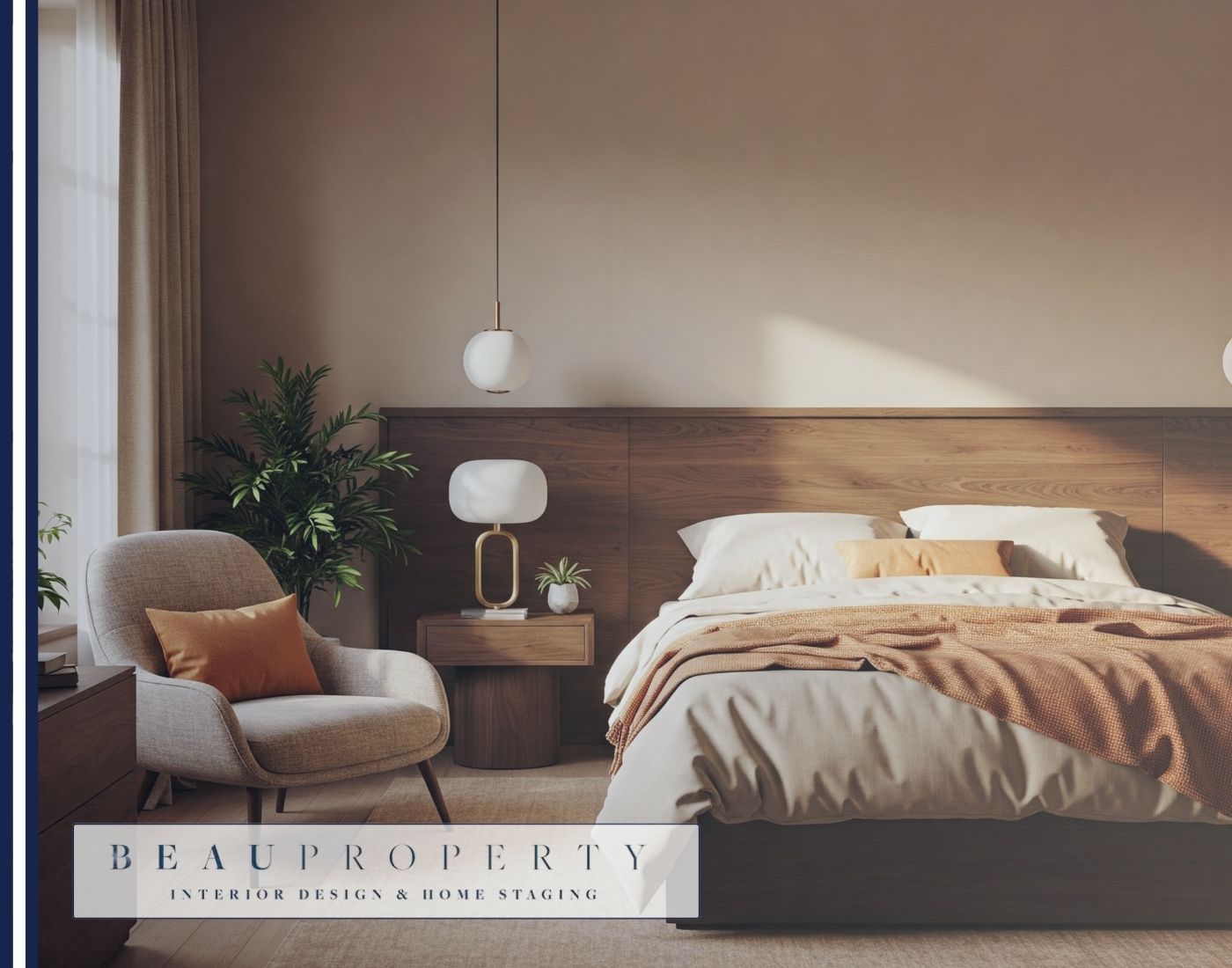
- Zero energy costs: Once installed, they provide lighting without ongoing electricity expenses.
- Environmentally friendly: Solar lighting reduces reliance on non-renewable energy sources.
By implementing energy-efficient lighting solutions, homeowners create inviting atmospheres while minimising their environmental footprint, an attractive feature for many modern buyers.
The Role of Indoor Plants
Indoor plants are not merely decorative; they significantly contribute to a home’s appeal while promoting environmental health. Staging houses with plants enhances aesthetics and air quality, making them ideal for eco-friendly strategies.
Benefits of Indoor Plants
Plants such as snake plants, peace lilies, and spider plants effectively improve indoor air quality. They absorb common toxins like formaldehyde, benzene, and carbon monoxide, contributing to a healthier environment.
Aesthetic Appeal
Indoor plants can add natural colour and life to any room. Their varied textures and shapes create visual interest, softening the starkness of furniture and fixtures.
Selecting and Placing Plants
When staging a home, consider a variety of plants to suit different lighting conditions and room sizes. Larger potted plants can anchor spacious rooms, while smaller varieties accentuate tabletops or shelves.
Care Tips:
- Select low-maintenance plants to keep them vibrant and healthy during staging.
- Position plants in areas receiving adequate light, like near windows or under grow lights.
Strategically incorporating indoor plants can achieve a fresh, inviting feel that resonates with potential buyers while promoting the essence of a Green Home.
Recycled and Upcycled Décor
Using recycled and upcycled décor adds character and uniqueness to a home while furthering sustainable practices. This approach decorates spaces and tells a story of waste reduction and creativity.
Integrating Recycled Décor
Recycled décor often includes items made from discarded materials, such as furniture crafted from salvaged wood or art pieces made from metal scraps. These items are not only appealing but also contribute to environmental conservation.
Advantages:
- Unique designs: Each piece’s distinct character offers a tangible connection to sustainability.
- Cultural storytelling: This décor communicates values and narratives, enhancing the overall ambiance.
Upcycled Items
Upcycling creatively reimagines existing materials instead of discarding them. For instance, turning old glass jars into vases or wooden pallets into coffee tables.
Advantages:
- Cost-effective: Utilizing available resources reduces staging costs.
- Promotes sustainability: Upcycling shows a proactive approach to waste reduction.
To incorporate recycled and upcycled décor, visit local thrift stores or online marketplaces specialising in second-hand goods. Creative placement and arrangement can elevate a room’s appearance while adhering to eco-friendly principles.
Eco-Friendly Outdoor Spaces
Outdoor spaces significantly contribute to a home’s overall appeal. Eco-friendly landscaping enhances property attractiveness while promoting sustainable living.
Sustainable Landscaping Options
Choosing native plants for gardens is appealing and environmentally friendly. Native plants require fewer resources and less maintenance than non-native species, making them ideal for landscaping.
Factors include:
- Drought resistance: Many native plants adapt to local climates, withstanding low water availability.
- Biodiversity promotion: Planting local flora supports local fauna and a balanced ecosystem.
Eco-Friendly Outdoor Furniture
When staging outdoor areas, consider furniture made from recycled materials or sustainably sourced wood. Many manufacturers offer stylish, weather-resistant outdoor furniture that aligns with green living.
Advantages:
- Durability: Eco-friendly outdoor furniture typically withstands varying weather conditions.
- Minimal environmental impact: Reduces reliance on new materials, contributing to a sustainable lifestyle.
Creating inviting and sustainable outdoor spaces enhances properties and resonates with buyers who value green living.
Mindful Waste Management in Staging
Staging a home often involves renovation and decoration. Mindful waste management is crucial, demonstrating real commitment to sustainability.
Strategies for Reducing Waste
Effective waste management starts with careful planning and decision-making:
- Renting vs. Buying: Consider renting furniture for staging instead of purchasing new items. This reduces demand for new products, conserving resources.
- Donating Unused Items: Before staging, assess existing furnishings. Donating items to charities or local organisations helps reduce waste while assisting those in need.
- Composting: For organic materials associated with staging, like outdated plants, consider composting to reduce landfill contributions.
- Recycling: Ensure materials like cardboard, wood, and plastics are properly recycled when not needed. Planning for waste can significantly lower environmental impact.
Incorporating waste management practices into staging reinforces commitment to eco-friendly living while creating appealing spaces for buyers.
Conclusion
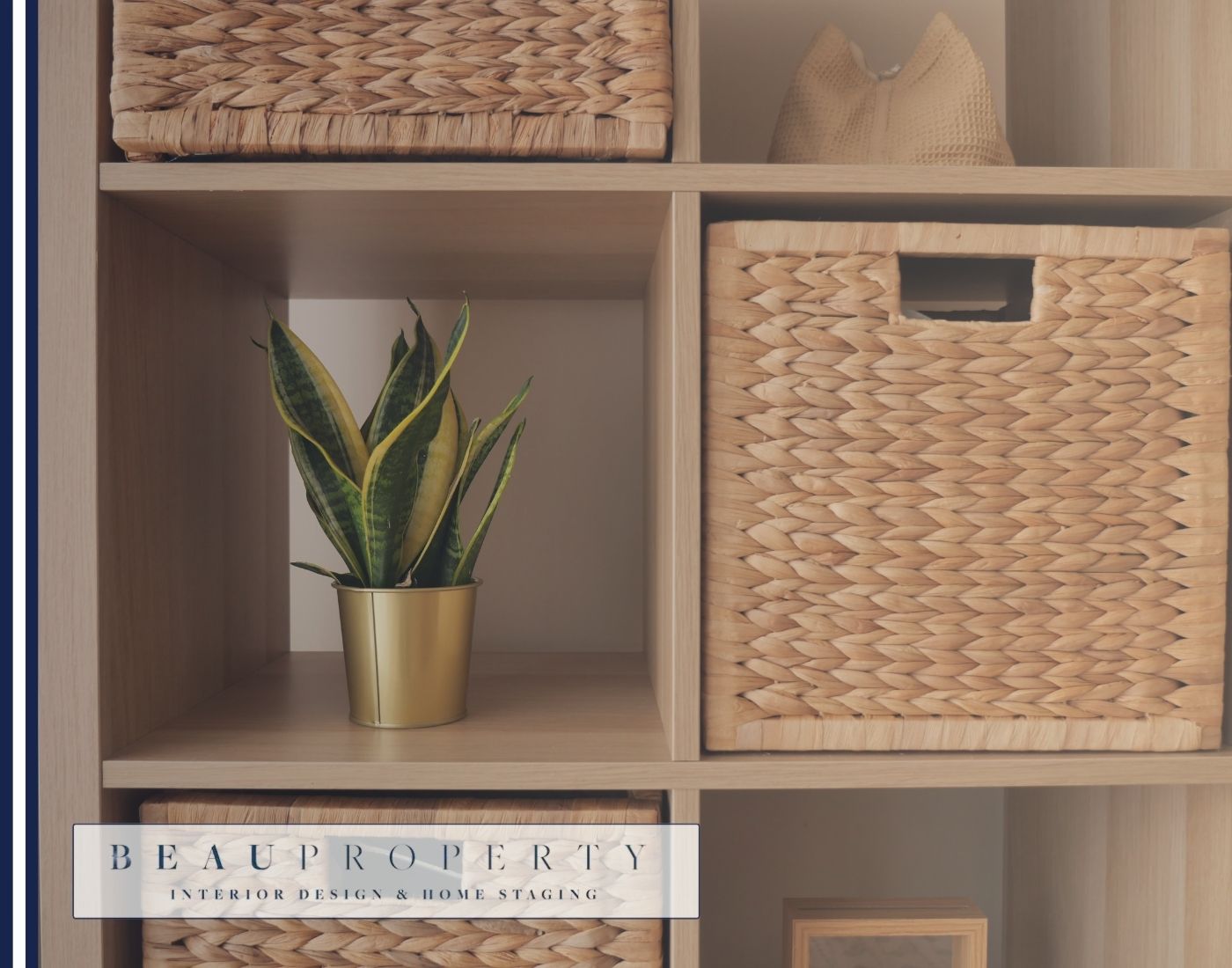
In conclusion, eco-friendly staging is more than just a trend; it reflects a deep commitment to sustainable living in home design. By utilising sustainable materials, energy-efficient solutions, indoor plants, recycled décor, and thoughtful waste management, homeowners and real estate professionals can create spaces appealing to environmentally conscious buyers.
The importance of eco-friendly staging cannot be overstated in today’s market, where consumers increasingly seek homes that resonate with their values. By adopting these sustainable practices, those in the home staging industry can lead the way towards a greener future.
As you consider your staging strategies, remember to embrace eco-friendly practices that beautify spaces and positively contribute to the environment. Begin your journey into creating a green home today; it’s an investment in both aesthetics and the future of our planet.