Introduction
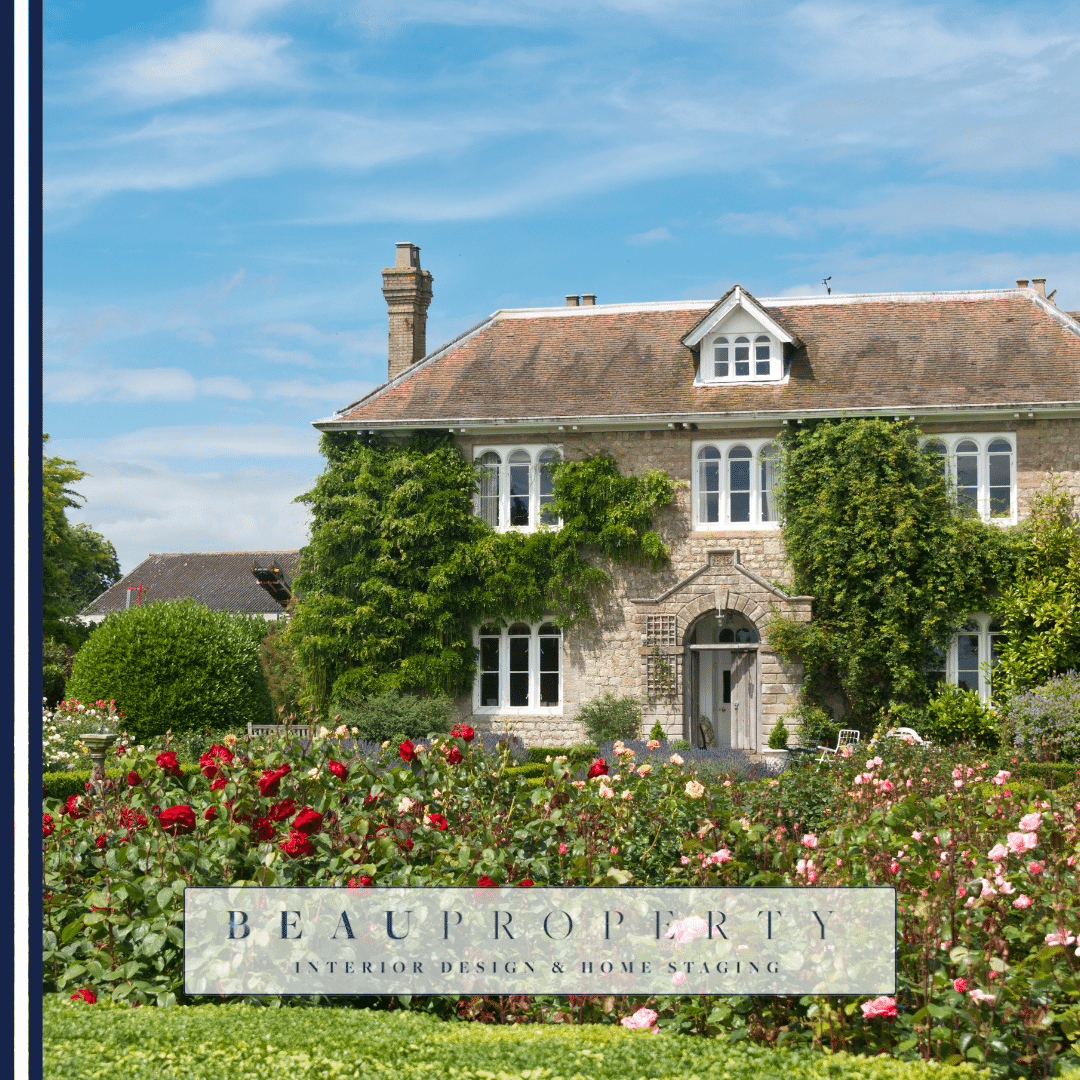
Staging a country home effectively is crucial for appealing to potential buyers, especially in the competitive real estate market of the UK. Country home staging is not just about arranging furniture; it’s about creating an ambiance that reflects rustic charm and highlights the unique features of a home nestled in the countryside. This blog will explore the importance of country home staging and how emphasising rustic elements can enhance a property’s appeal. By understanding the intricacies of home staging and the essence of rustic charm, homeowners and real estate professionals can make informed decisions that resonate with potential buyers looking for an idyllic country lifestyle.
In this comprehensive guide, we will delve into the concept of country home staging, the elements that define rustic charm, key areas to focus on during staging, the incorporation of vintage items, the role of lighting, and practical tips for presenting a country home effectively. Whether you are preparing to sell or simply looking to enhance your living space, this guide will provide you with valuable insights and actionable strategies.
Understanding the Concept of Country Home Staging
The Essence of Country Home Staging
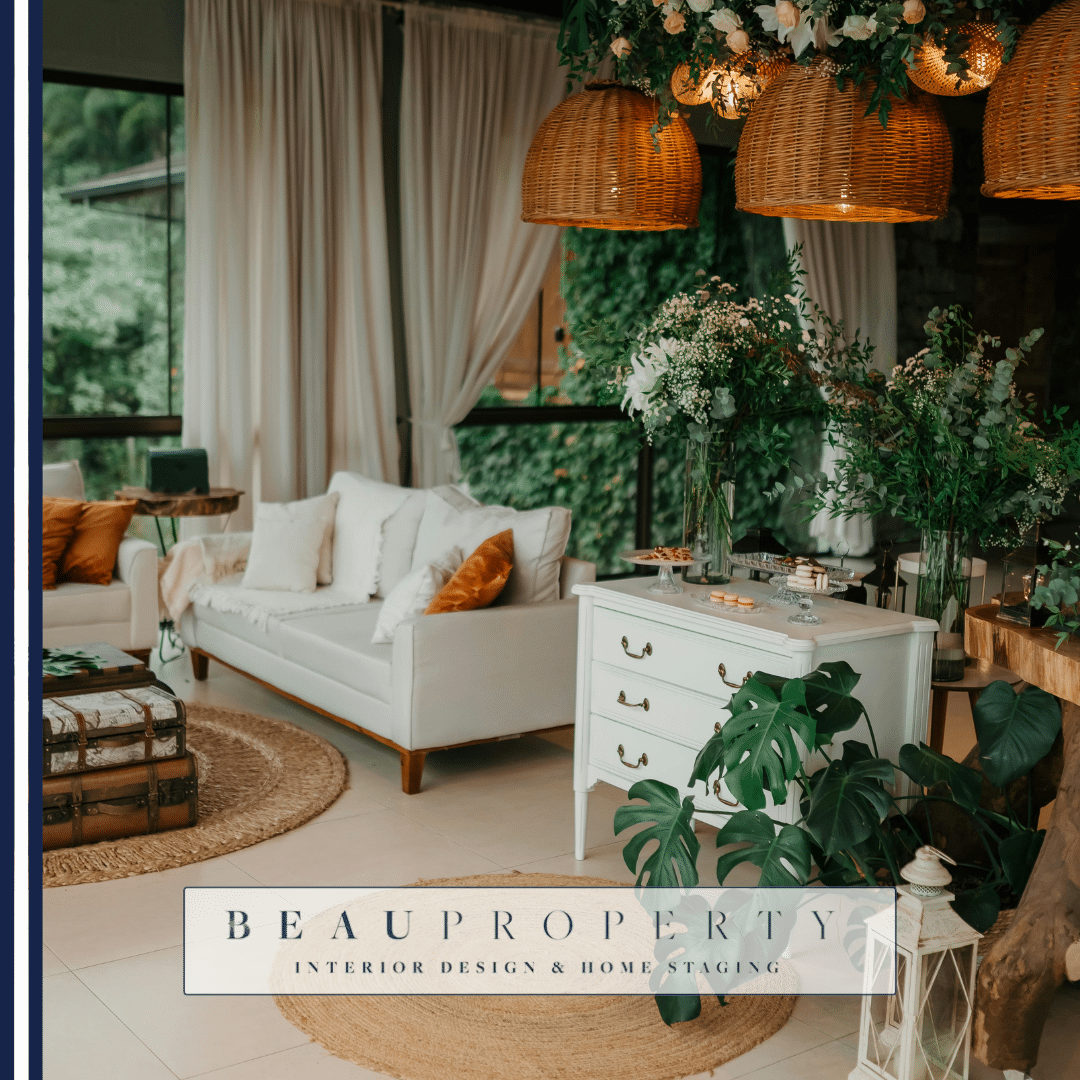
Country home staging is the art of preparing a rural property for sale by highlighting its unique features, charm, and overall appeal. Unlike urban home staging, which often focuses on modern aesthetics and minimalism, country home staging embraces warmth, comfort, and a connection to nature. This approach is particularly vital in the UK, where many buyers are drawn to the allure of country living, seeking homes that offer tranquility and a rustic lifestyle.
The significance of country home staging cannot be overstated. A well-staged property allows potential buyers to envision themselves living in the space, fostering an emotional connection that can lead to quicker sales and higher offers. When staging a country home, it’s essential to focus on the property’s strengths, be it a stunning view, original features, or outdoor space, and present them in a way that appeals to the target audience.
Current Trends in Home Staging
Recent trends in home staging, particularly in rural settings, highlight a shift towards more authentic and lived-in aesthetics. Buyers are increasingly looking for homes that reflect their lifestyle aspirations, often favouring properties that feel welcoming and comfortable rather than overly polished or sterile.
In the UK, there’s a growing appreciation for biophilic design, which emphasises the connection between indoor and outdoor spaces. Staging country homes involves incorporating elements that blur these lines, such as large windows that showcase the surrounding landscape or outdoor seating areas that invite relaxation and enjoyment of nature.
Furthermore, eco-friendly and sustainable practices are becoming more prominent in home staging. Buyers are increasingly aware of environmental issues, and homes that demonstrate sustainable living through the use of reclaimed materials, energy-efficient appliances, and local sourcing are gaining popularity.
Elements of Rustic Charm in Home Staging
Natural Materials: The Backbone of Rustic Charm
When it comes to creating a rustic atmosphere, the choice of materials plays a pivotal role. Natural materials such as wood, stone, and clay can transform a space, infusing it with warmth and character.
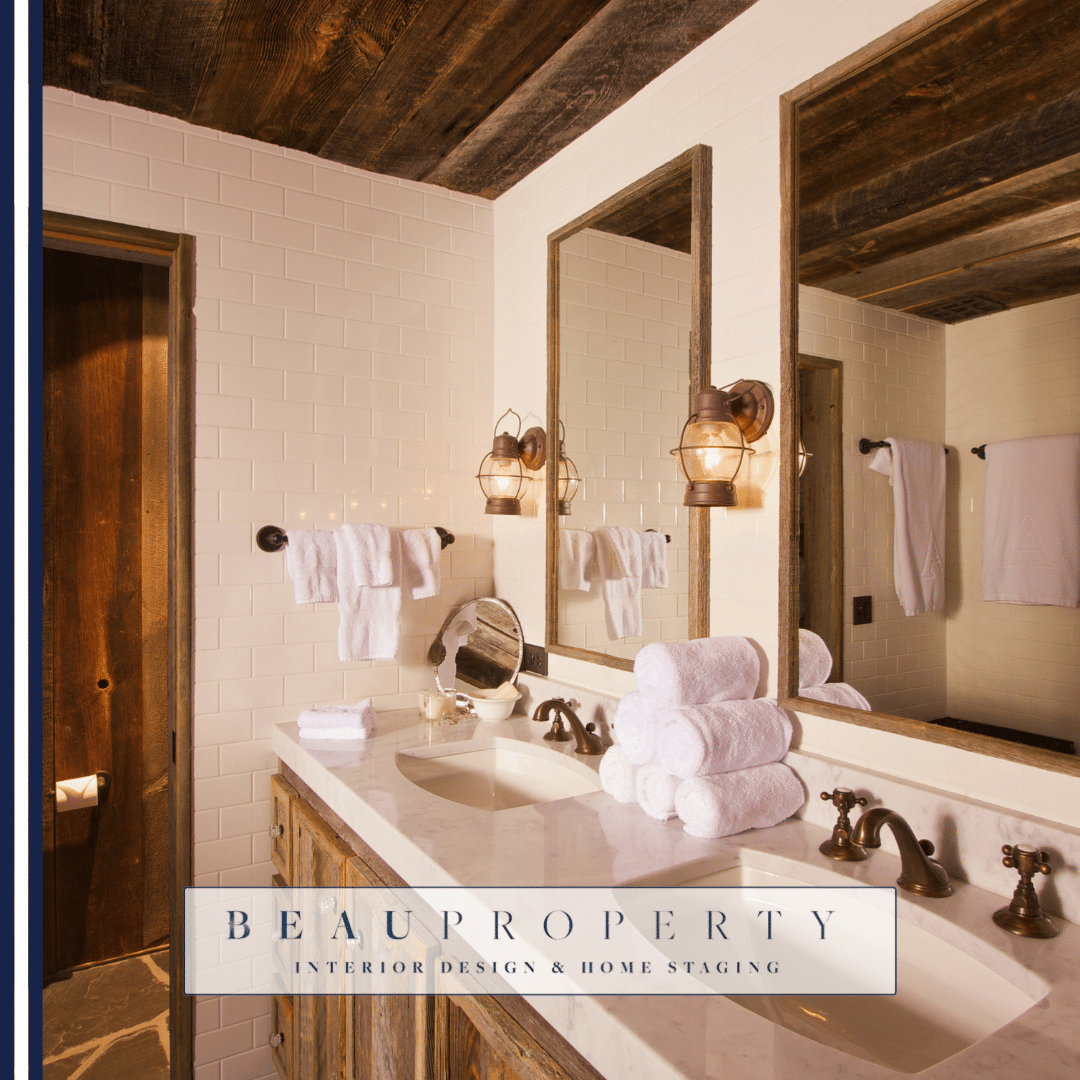
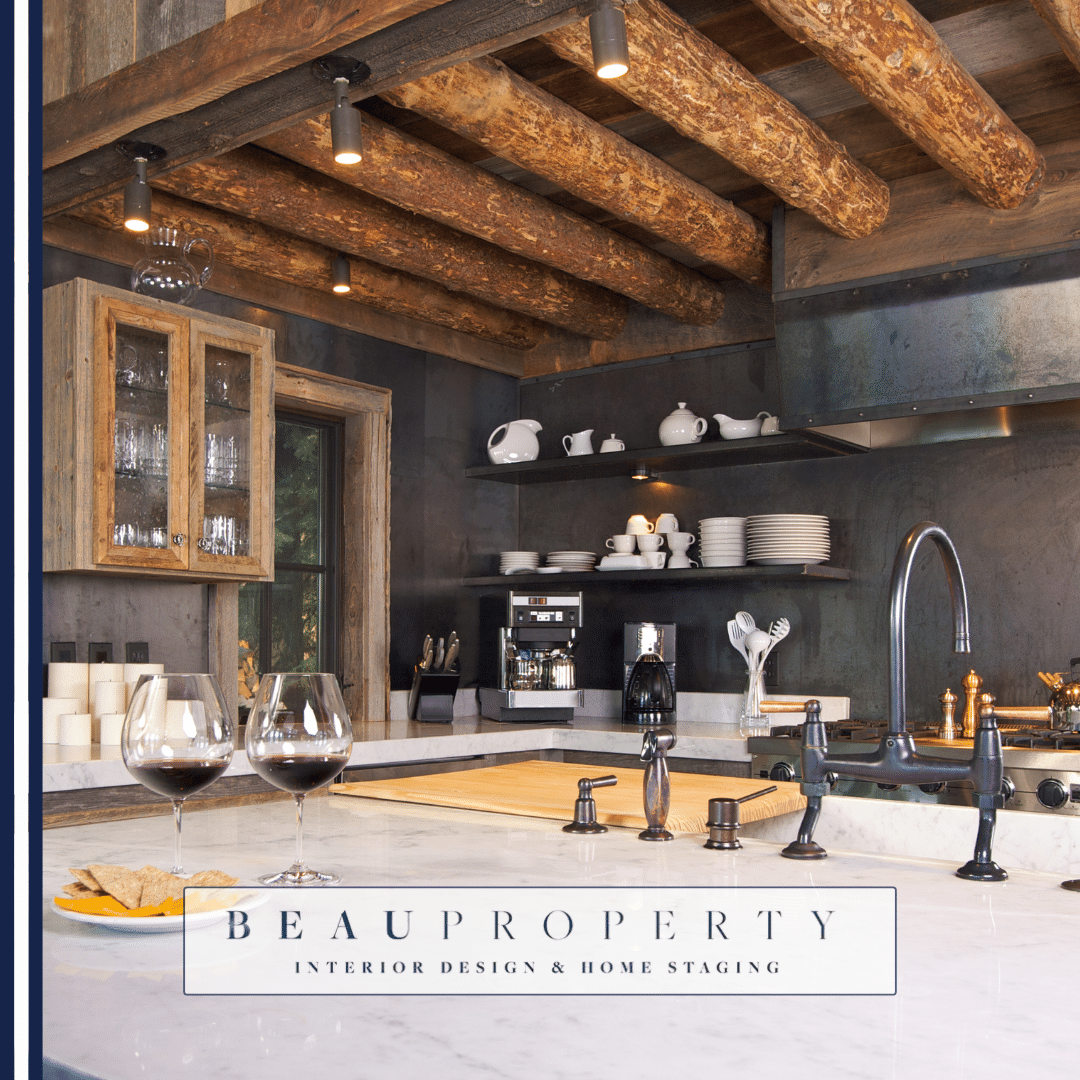
Wood: Exposed beams, hardwood floors, and reclaimed wood furniture are quintessential elements that evoke a sense of history and authenticity. For instance, a living room with a wooden coffee table, wooden beams, and a stone fireplace can create a focal point that draws attention to the home’s rustic charm.
Stone: Incorporating stone in various forms, be it through a feature wall, a fireplace, or flooring, adds texture and a natural feel to the home. In a country setting, stone is not just a material but a connection to the surrounding landscape, enhancing the overall aesthetic.
Clay and Natural Fibres: Items such as terracotta pots or clay tiles can further reinforce the rustic vibe. When staging a kitchen, consider using clay pots for herbs or rustic bread baskets, which not only serve a practical purpose but also add to the visual appeal.
Colour Palettes: Reflecting the Countryside
The colour palette in country home staging should evoke the hues found in nature. Earthy tones, soft pastels, and muted shades are ideal for creating a calming and inviting atmosphere.
Earthy Tones: Colours such as olive green, warm browns, and soft taupes can connect the interior of a home with its natural surroundings. For example, painting a living room in a soft green can mimic the colour of the countryside and create a seamless transition between indoor and outdoor spaces.
Soft Hues: Light blues, pale yellows, and gentle creams can brighten up a space while maintaining a rustic feel. These colours can be used effectively in bedrooms to promote relaxation, while kitchens can benefit from light, airy tones that enhance the feeling of openness.
Accent Colours: Incorporating deeper shades as accents can add depth and interest to a room. For instance, a deep forest green throw pillow on a neutral sofa can evoke the beauty of a woodland setting while maintaining a cohesive look.
Textiles and Fabrics: Enhancing Comfort and Warmth
The right textiles are essential for completing the rustic charm of a country home. Fabrics play a vital role in creating a welcoming atmosphere, and choices should reflect comfort and warmth.
Linen and Cotton: These natural fabrics are perfect for soft furnishings such as curtains, cushions, and throws. Their breathable nature adds to the comfort of a room, while their texture enhances the rustic appeal.
Wool: Incorporating wool in the form of blankets or rugs can add warmth, especially in colder months. A thick wool rug in a living room or bedroom can create a cosy environment that invites relaxation.
Patterns: Consider using plaid, floral, or checked patterns to add character and warmth. These patterns can be introduced through cushions, bed linens, or even wall art, reinforcing the country aesthetic.
Creating Inviting Spaces: Key Areas to Focus On
Living Rooms: Evoking Warmth and Comfort
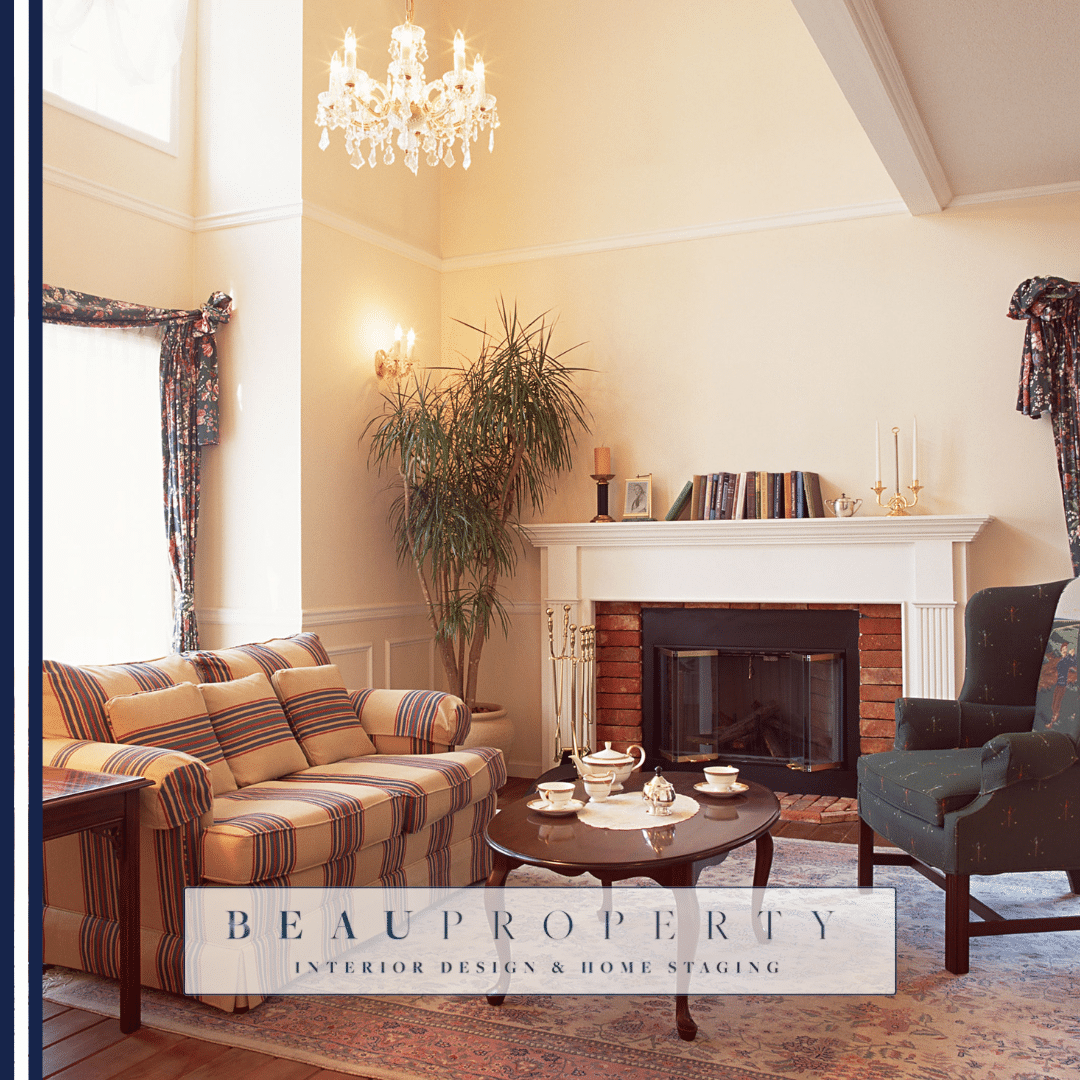
The living room is often the heart of a home, and staging it effectively is crucial for making a lasting impression. To evoke warmth and comfort, consider the following strategies:
- Focal Points: Use furniture arrangements to create a focal point, such as a fireplace or a stunning view. Arrange seating to encourage conversation and relaxation.
- Layered Textures: Incorporate a mix of textures through cushions, throws, and rugs. Layering adds depth and invites potential buyers to envision themselves in the space.
- Natural Decor: Use natural decor elements like wooden shelves, potted plants, or seasonal floral arrangements to add life and colour to the room.
Kitchens: The Appeal of a Country-Style Kitchen
The kitchen is often a key selling point in a country home, and staging it effectively can highlight its charm. Here are some ways to stage a country-style kitchen:
- Open Shelving: Consider open shelving to display rustic dishware, glass jars, or cookbooks. This not only showcases functionality but also adds a personal touch.
- Farmhouse Sink: If possible, install or highlight a farmhouse-style sink to enhance the rustic feel. Pair it with vintage-style taps for an authentic look.
- Dining Area: Create an inviting dining area with a sturdy wooden table and mismatched chairs. Add a centrepiece, such as a vase of fresh flowers or a bowl of fruit, to bring warmth and life to the space.
Bedrooms: Promoting Relaxation and Quaint Atmosphere
Staging bedrooms requires a focus on creating a tranquil environment that promotes relaxation. Here’s how to achieve this:
- Neutral Bedding: Use neutral-coloured bedding with soft textures to create a calming atmosphere. Layer with decorative pillows for added comfort.
- Personal Touches: Incorporate personal touches, such as family photos in rustic frames or a stack of well-loved books, to make the space feel lived-in and inviting.
- Natural Light: Ensure that window treatments allow for natural light while providing privacy. Sheer curtains can soften the light and create a dreamy atmosphere.
Outdoor Spaces: Enhancing Curb Appeal and Connection to Nature
Outdoor areas are essential in country home staging, as they highlight the beauty of the surrounding landscape. Here are strategies to enhance outdoor spaces:
- Landscaping: Ensure the garden is well-maintained, with trimmed hedges, blooming flowers, and clear pathways. A tidy garden enhances curb appeal and invites potential buyers to explore.
- Seating Areas: Create inviting outdoor seating areas with rustic furniture, such as wooden benches or wrought iron chairs. Adding cushions can make these spaces more comfortable.
- Outdoor Decor: Incorporate decorative elements like lanterns, garden art, or a fire pit to enhance the outdoor atmosphere and create a space for relaxation.
Incorporating Vintage and Antique Items
The Charm of Vintage Decor
Vintage and antique items can add a unique touch to country home staging, enhancing the rustic charm and creating a sense of history. When incorporating these items, consider the following:
- Authenticity: Look for authentic pieces that reflect the era of the home. This could include vintage furniture, decorative pottery, or old books.
- Cohesion: Ensure that the vintage items you choose work harmoniously with the overall decor. A cohesive look can be achieved by selecting pieces that share a common colour palette or style.
- Sourcing Authentic Pieces: Antique shops, flea markets, and online marketplaces are excellent places to find unique vintage items. When sourcing, keep an eye out for pieces that tell a story or have a special charm.
- Displaying Vintage Items: Use vintage items as focal points in your staging. For instance, a vintage trunk can serve as a coffee table, while an antique mirror can enhance the light in a room.
The Role of Lighting in Country Home Staging
Maximising Natural Light
Lighting plays a crucial role in creating the right atmosphere in a country home. Natural light can enhance rustic charm and make spaces feel larger and more welcoming.
- Window Treatments: Use light, airy curtains that allow for natural light to filter through while providing privacy. Avoid heavy drapes that can darken a room.
- Reflective Surfaces: Incorporate reflective surfaces, such as mirrors or glass decor, to bounce light around the room and create a sense of openness.
Strategic Use of Artificial Lighting
While natural light is essential, strategic use of artificial lighting can enhance the overall aesthetic of a country home.
- Layered Lighting: Incorporate a mix of ambient, task, and accent lighting. For example, overhead fixtures can provide general illumination, while table lamps can create cosy reading nooks.
- Warm Bulbs: Opt for warm-toned light bulbs to enhance the cosy feel of the home. Soft lighting can create a welcoming atmosphere, especially in the evening.
- Highlighting Features: Use spotlights or accent lighting to highlight architectural features, artwork, or vintage decor. This draws attention to the unique characteristics of the home.
Tips for Presenting a Country Home to Potential Buyers
Decluttering and Depersonalising Spaces
One of the most important steps in staging a country home is decluttering and depersonalising the space. Potential buyers need to envision themselves in the home, and this can be hindered by personal items and excessive decor.
- Clear Surfaces: Remove unnecessary items from countertops, tables, and shelves to create a clean and spacious feel. This allows the home’s features to shine.
- Depersonalise: Take down family photos and personal memorabilia, replacing them with neutral artworks or decorative pieces that appeal to a broad audience.
Creating a Narrative
Creating a narrative that resonates with potential buyers can enhance their emotional connection to the home. Consider the following strategies:
- Highlight Lifestyle: Showcase how the home can facilitate a desirable lifestyle. For example, stage outdoor areas for entertaining or set up a cosy reading nook by the fireplace.
- Use Storytelling: Provide potential buyers with a sense of the home’s history and character. This can be done through informative brochures or guided tours that emphasise the unique features and surroundings.
- Engage the Senses: Use scents, such as freshly baked bread or brewed coffee, to create an inviting atmosphere during viewings. Engaging the senses can leave a lasting impression.
Conclusion
In summary, staging a country home to emphasise its rustic charm is a vital aspect of the selling process that can significantly impact its appeal to potential buyers. By understanding the core elements of country home staging, such as the use of natural materials, colour palettes that reflect the countryside, and the importance of inviting spaces ,homeowners and real estate professionals can create environments that resonate with those seeking a rural lifestyle.
Incorporating vintage and antique items can enhance the unique character of a property, while effective lighting can highlight its best features. Moreover, presenting a home effectively involves decluttering, depersonalising, and creating a narrative that engages potential buyers on an emotional level.
As the UK real estate market continues to evolve, the emphasis on rustic charm in country home staging will remain relevant. By utilising the insights and strategies discussed in this guide, you can enhance your property’s appeal and attract buyers who appreciate the beauty of country living.
If you’re considering staging your country home, or if you’re a real estate professional looking to enhance your listings, think about the principles outlined here. Start planning your country home staging today to create inviting, warm, and appealing spaces that highlight the rustic charm of country living!