Introduction
Photography plays a crucial role in enhancing the appeal of residential properties, especially in today’s competitive real estate market. Effective home photography not only highlights a property’s best features but also boosts its visibility to potential buyers and renters alike. Thoughtfully captured images can significantly enhance the perception of space, light, and design, making a property more attractive for sale or personal enjoyment.
Understanding the Basics of Home Photography
To effectively showcase features through home photography, it is vital to grasp some fundamental photography concepts that shape the visual appeal of images.
Key Terms Explained
Exposure: This refers to the amount of light that reaches the camera sensor. It fundamentally affects the brightness or darkness of your images. Adjusting exposure ensures that the features of a home are captured accurately, highlighting textures, colours, and subtly designed areas without creating overly dark or bright spots.
Composition: Composition involves how various elements within a photograph are arranged. It creates a visually pleasing image that directs the viewer’s attention strategically through well-placed subjects. Understanding composition techniques (like framing, symmetry, and the rule of thirds) is essential for balancing various elements.
Framing: This technique focuses on using architectural features or furniture to create a ‘frame’ around your subject, drawing the viewer’s eye to the highlighted area. This can be particularly effective when photographing intricate details, such as a stunning fireplace or an ornate window.
Camera Settings and Techniques
Mastering your camera’s manual settings offers more creative control:
Aperture: This setting influences the depth of field in your photographs. A lower f-stop (e.g., f/2.8) creates a shallow depth of field, blurring backgrounds and foregrounds while keeping the subject in focus. This technique is ideal for highlighting a feature with interesting textures. Higher f-stops (e.g., f/11) can be used for cleaner compositions, capturing wide angles and ensuring multiple aspects of a scene are sharp, often best for showcasing entire rooms.
Shutter Speed: Understanding shutter speed helps capture motion, which is particularly relevant when shooting spaces that may not be perfectly still, such as gardens swaying in the wind. For still images, a faster shutter speed (1/125 or higher) can be beneficial to reduce camera shake when shooting handheld.
By delving into these fundamentals, homeowners and real estate professionals can capture compelling images that represent the essence of each room.
The Role of Lighting in Home Photography
Lighting is arguably one of the most critical aspects of home photography and can profoundly impact how features are showcased.
Natural Lighting
Natural lighting can dramatically alter the ambiance of a space, making it look more inviting and vibrant. Here are key aspects concerning natural light:
Optimal Times for Photography: The “golden hour”, the hour after sunrise and before sunset, offers soft, diffused light that enhances photographs’ aesthetic appeal. During these hours, shadows are softer, and colours are warmer and more vibrant, ideal for both interiors and exteriors.
Window Placement: When photographing a room, consider the placement of windows. Rooms with large windows or those facing south typically receive optimal sunlight throughout the day. Positioning the camera to capture these angles will allow you to take advantage of natural light effectively.
Artificial Lighting
While natural light is invaluable, artificial lighting may also be necessary, especially in poorly lit spaces.
Types of Artificial Lighting: Using soft white bulbs and lamps can simulate natural light. It is often beneficial to turn on lights in all rooms, particularly in darker areas, to create an inviting glow that makes the home feel warm and welcoming.
Balancing Lights: Balancing levels of natural and artificial light is crucial. Overexposure from artificial lights can result in harsh shadows, while insufficient lighting can render areas dull. Techniques such as using softboxes or diffusers can help achieve the perfect balance for maximum effect.
Understanding how both lighting sources can be effectively manipulated enhances the quality of home photographs dramatically, ensuring all important features are accentuated.
Selecting the Right Angles and Compositions
When aiming to showcase features, choosing the right angle and composition is vital. The framing of a photograph can significantly alter the viewer’s perception of space.
Importance of Composition
Utilising proper composition techniques allows you to create visually compelling images that draw the viewer’s eye in. Here are various strategies to consider:
Rule of Thirds: This technique involves dividing the image into a grid of nine equal parts. Placing key elements along grid lines or at intersections creates a more dynamic and balanced composition. For example, positioning an elegant chair or a piece of artwork at these intersections can capture attention more effectively than placing them centrally.
Leading Lines: Architectural lines( such as staircases, long windows, or pathways) can serve as leading lines that guide the viewer’s gaze throughout the photograph. This approach not only adds depth but also encourages a sense of movement towards the showcased features.
Dynamic Angles
Exploring different angles can reveal stunning perspectives.
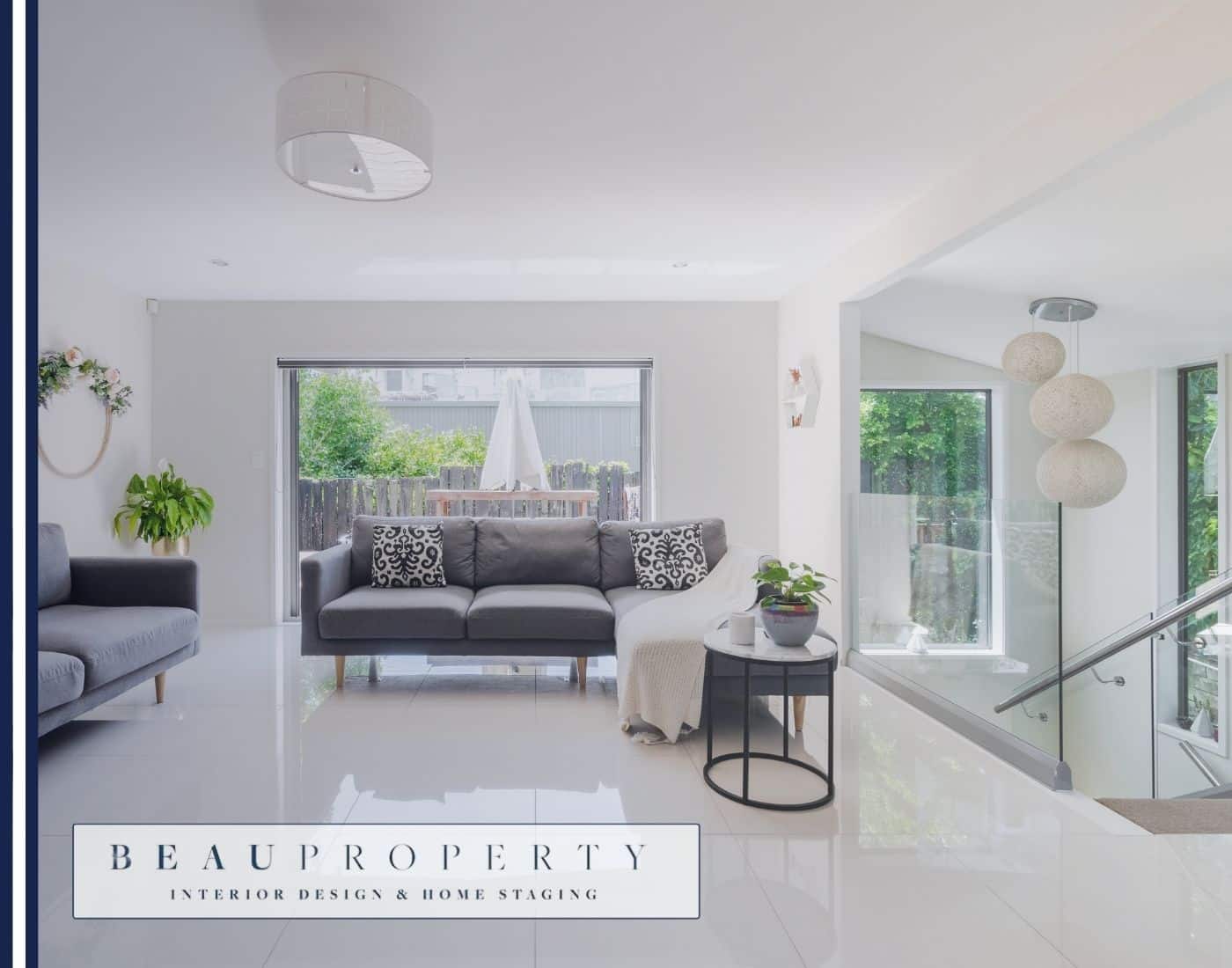
Lower Angles: Shooting from a lower angle can make a space appear larger and more inviting. This is particularly effective when capturing features like tall ceilings or statement light fixtures.
Wide-Angle Lenses: A wide-angle lens allows you to capture more of the room in a single image, emphasising spatial flow and the connection between features. Widely used in real estate photography, this lens helps convey both intimacy and opulence found in the home.
These techniques not only enhance visual storytelling but also invite viewers to engage with the home’s design, making them feel as though they are walking through the space themselves.
Staging and Preparing a Home for Photography
Before snapping pictures, staging plays a significant role in how a home is perceived through photography. Thoughtfully arranging a space ensures it reflects its best features and character.
Practical Steps for Staging
Decluttering: Start by decluttering surfaces, like tables, countertops, and shelves. Removing unnecessary items helps showcase architectural features and furniture arrangements, making spaces feel airier and more appealing.
Furniture Arrangement: Consider the flow of each room. Arranging furniture to create clear pathways not only makes a space functional but presents a sense of openness when photographed. Highlighting key features, like room focal points, is essential.
Enhancing Curb Appeal
For exterior photography, curb appeal cannot be overlooked:
Gardening and Maintenance: A well-maintained garden enhances exterior shots. Simple additions, such as fresh flowers, potted plants, and tidy lawns, can do wonders. Ensure pathways are clear and any clutter is stored away to keep the focus on your home.
Small Details Matter
Adding well-thought-out touches can differentiate your photograph:
Decor Elements: Items such as soft throws, tasteful artwork, or strategically placed decorative objects can enhance comfort and warmth. Aim for a balance between personal touches and a clean aesthetic; spaces should feel lived-in but not cluttered.
By investing time in staging, you can present your spaces in the best light, ensuring that the resulting photographs highlight both the functionality and charm of each room.
Editing and Post-Processing Techniques
Once photographs are captured, editing plays an essential role in refining images to boost their visual impact.
Software Tools for Enhancement
Several software options can assist in post-processing, with Adobe Lightroom and Photoshop being popular choices for real estate photography.
Adjusting Exposure and Contrast: Carefully adjusting exposure can help achieve a balanced look, ensuring highlights and shadows harmoniously align. Increasing contrast can lend depth, making images appear more dynamic.
White Balance: Ensuring accurate colour representation is vital. Adjusting the white balance allows for natural skin tones in depictions of living spaces and ensures that the home’s true colours shine through.
Maintaining a Natural Look While Editing
While editing is transformative, maintaining natural representation is essential. Surreal images can detract from authenticity, misleading prospective buyers:
Perspective Correction: Preventing distortion in architectural images is crucial. Software can help straighten lines, ensuring that images appear as true representations.
Removing Distracting Elements: Editing allows you to remove unwanted items, such as stray cords or objects that might distract from important home features, ensuring that the images remain focused on the most appealing aspects.
Effective editing can significantly elevate the quality of home photography, ensuring the visuals achieve their intended impact while retaining authenticity.
Presenting Home Photography in Marketing
Now that stunning photographs are captured and perfected, showcasing them appropriately is essential to maximise visibility.
Platforms for Showcasing Home Photography
In today’s digital age, there are several platforms for presenting home photography, including:
Social Media: Platforms like Instagram and Facebook serve as effective channels for sharing property images. Engaging posts that highlight key features alongside quality visuals can draw significant attention. Use relevant hashtags to enhance visibility, targeting audiences interested in property and interior design.
Real Estate Listings: For real estate professionals, the quality of images on listings can make or break a sale. High-resolution images should be combined with concise, powerful descriptions that reflect the home’s selling points.
Cohesive Brand Image
Whether for personal or professional use, maintaining a consistent visual identity across branding channels is key:
Stylistic Consistency: Aim for a uniform editing style and aesthetic that reflects the property type and target audience. Consistency can enhance trust and recognition among potential clients, leaving a lasting impression.
Print vs. Digital: While high-resolution images are essential for print materials, such as brochures and flyers, digital platforms can accommodate different formats and sizes. Tailoring images for specific mediums ensures that the home is presented optimally in every scenario.
Strategically presenting home photography can significantly enhance marketing efforts, attracting attention while effectively showcasing the property’s best features.
Conclusion
In conclusion, the role of photography in showcasing a home’s best features cannot be overstated. A firm understanding of lighting, composition, and the nuances of post-processing empowers homeowners and real estate professionals to create stunning images that resonate with potential buyers. High-quality photography boosts property appeal, making it essential in today’s market.
By implementing the strategies outlined in this guide, you can refine your photography skills, whether for personal use or as part of professional marketing efforts. Investing time and resources into understanding and executing each step can lead to remarkable results, ensuring that every property looks its absolute best.
Start applying these insights today and watch your home photography efforts transform! Share your experiences and don’t hesitate to tag us on social media with your stunning photos!