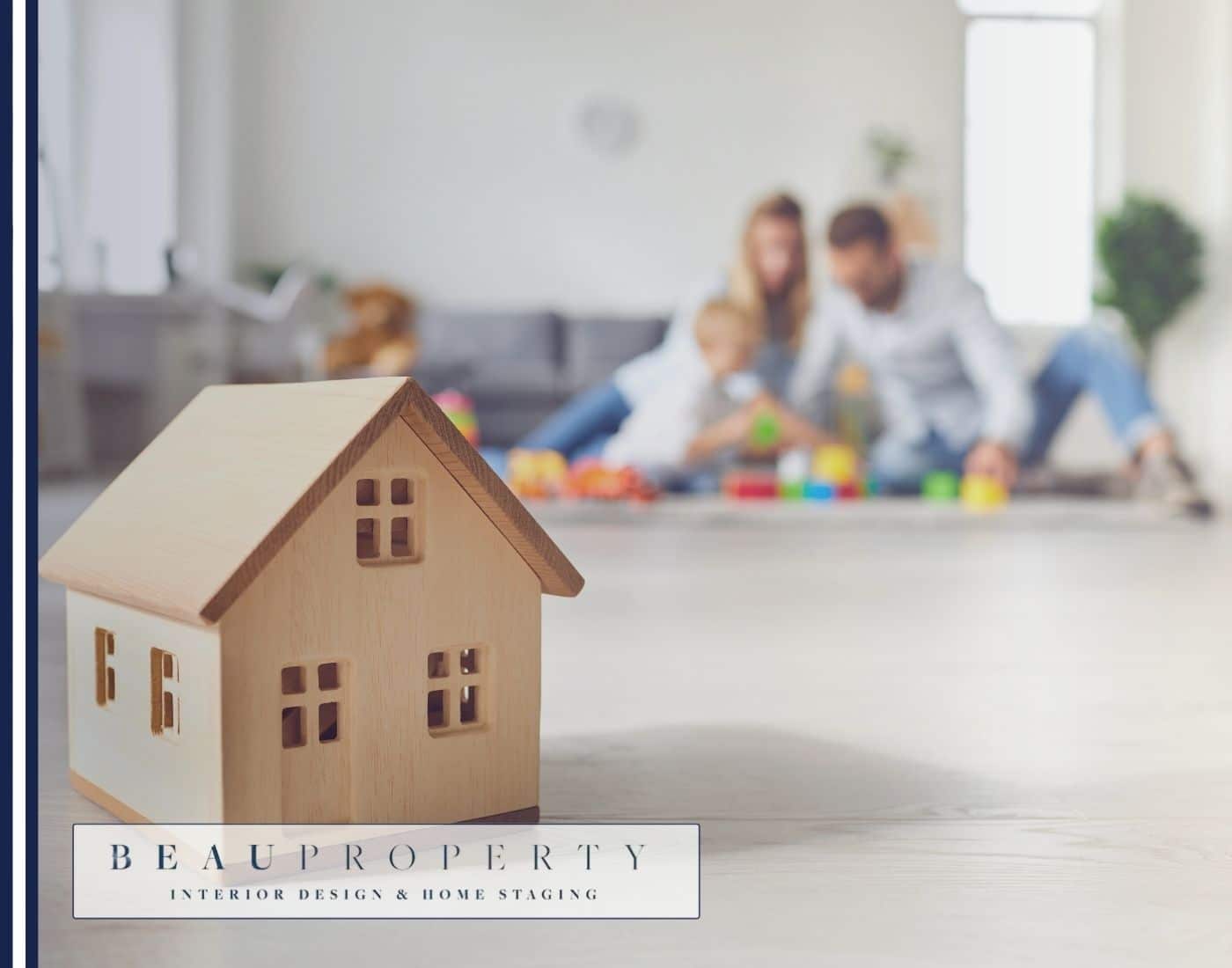
In today’s competitive property market, staging family homes has become essential for homeowners looking to sell. Whether you’re preparing your family home for a sale or you’re a real estate agent aiming to enhance your listings, understanding the significance of staging can greatly bolster your success. Effective home staging can lead to faster sales and potentially higher offers by creating an inviting atmosphere that resonates with potential buyers. This blog will explore the fundamentals of staging family homes, the importance of favourable home presentation, and how home selling can be optimised through effective property appeal.
Understanding Staging: The Concept and Its Importance
To grasp the essence of staging, it’s crucial to understand its evolution in real estate marketing. Staging started in the 1970s as a strategy to attract buyers by enhancing a property’s visual appeal. Since then, it has become a fundamental part of the home-selling process, especially for family homes that rely heavily on emotional connection.
When families consider home buying, they seek more than just a structure; they are looking for a place to create cherished memories. Thus, staging family homes plays a key role in helping potential buyers envision their lives within the property. In the competitive real estate market, it is imperative for sellers to present their homes in a way that stands out. Staging not only highlights the unique features of a property but also addresses buyers’ practical concerns, such as functionality, space, and lifestyle.
Key Aspects of Home Staging
- Emotional Engagement: Effective staging speaks to the emotional needs of buyers, helping them visualise their family life in the space.
- Competition: Well-staged homes are more likely to attract attention in a crowded marketplace, driving interest.
- Maximising Value: Homes that are effectively staged can often command higher offers, making it a worthwhile investment.
Key Principles of Effective Home Staging
Having established the importance of staging, let’s delve into the fundamental principles that drive successful staging efforts.
Create a Welcoming Atmosphere
Creating an inviting environment is paramount. Buyers should feel at home the moment they step through the door. This can be achieved through thoughtful colour palettes, furnishings, and decorative touches.
- Neutral Colour Palettes: Utilising neutral tones creates a blank canvas, allowing buyers to imagine their personal styles in the space. Natural colours, like beiges, greys, and soft whites, provide warmth and familiarity, making it easier for families to envision themselves living there.
Decluttering and Cleanliness
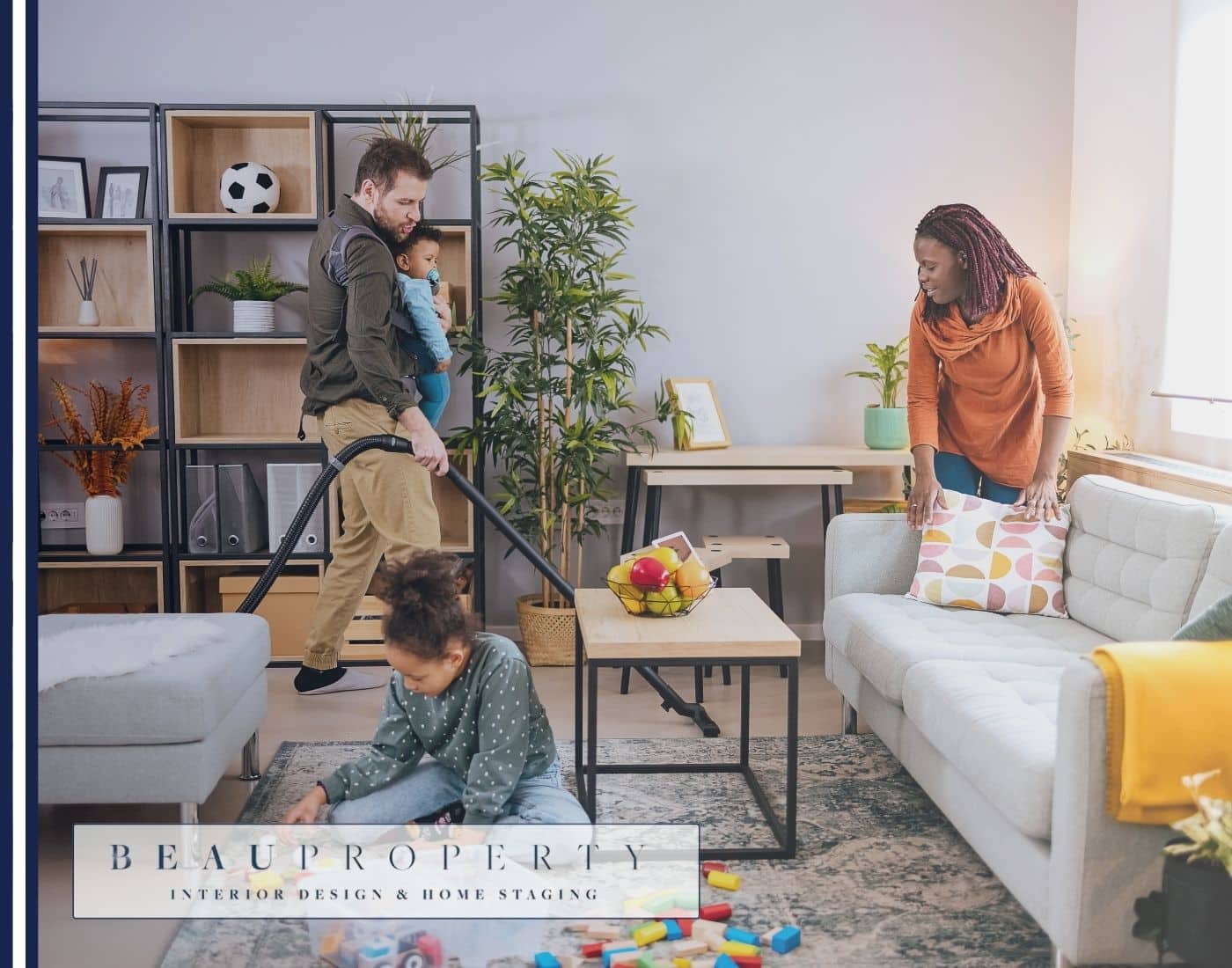
Clutter can deter potential buyers when showing a home. A tidy space makes rooms appear larger and more functional. Here are some decluttering tips:
- Personal Belongings: Remove personal photos, mementos, and excessive items that make the home feel less welcoming.
- Surface Spaces: Clear surfaces, like counters, tables, and shelves to create an open and airy environment.
Smart Furniture Arrangement
The arrangement of furniture is key in demonstrating the functionality of a space. Buyers should visualise how they will use each area. It’s advisable to:
- Define Spaces: Use furniture to separate different areas, such as living rooms and dining spaces, making them feel distinct yet cohesive.
- Create Flow: Ensure the layout allows easy movement from one space to another, promoting a sense of openness.

The Role of Curb Appeal: First Impressions Matter
Curb appeal refers to the first impression a home makes from the street. This initial perception can significantly influence a prospective buyer’s interest in the property.
Enhancing Exterior Elements
A carefully curated exterior can entice buyers and set the tone for what they can expect inside. Here are some strategies to improve curb appeal:
- Landscaping: Basic landscaping, pruning bushes, mowing the lawn, and planting flowers, can instantly elevate a home’s exterior presentation.
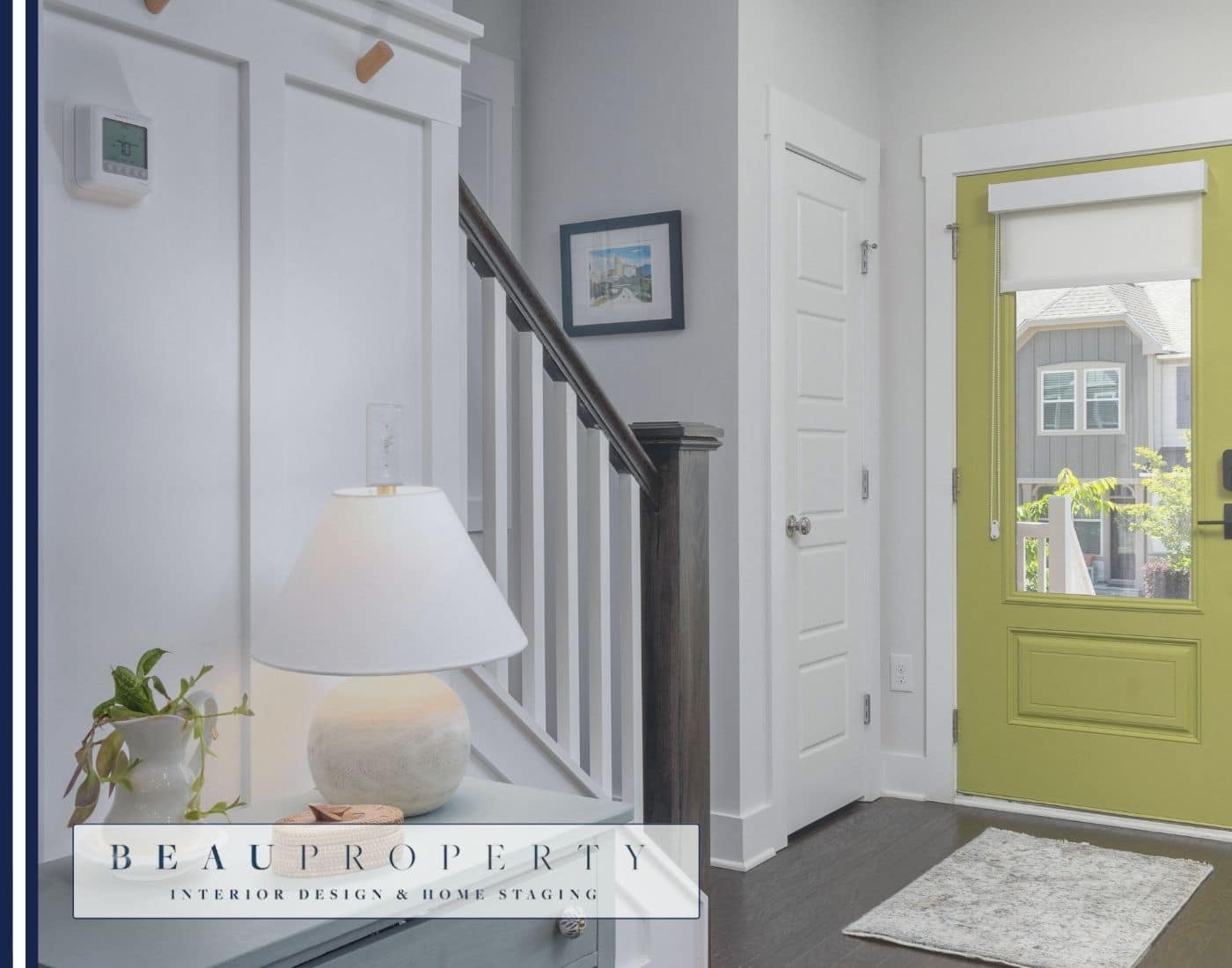
- Entryway Focus: Make the front door area welcoming. A fresh coat of paint on the door, clean windows, and attractive lighting can enhance the first impression.
- Outdoor Features: Ensure outdoor elements, like patios or decks, are clean and well-maintained for seamless outdoor living appeal.
Optimising Interior Spaces for Family Living
Staging the interior is crucial in optimising spaces for family living. Highlighting functionality and cohesion in areas that cater to family life can greatly enhance a home’s appeal.
Defining Family Spaces
Family homes often consist of communal areas such as living rooms, dining rooms, and children’s spaces. Here’s how to showcase these areas effectively:
- Living Areas: Arrange seating to promote conversation and comfort. Use soft textiles to create a welcoming ambience and incorporate family-friendly elements, like bookshelves or games spaces.
- Dining Spaces: A well-staged dining room invites family gatherings. Use an attractive table setting to highlight dining experiences.
- Children’s Areas: Show how rooms can be functional yet playful. Include age-appropriate décor while ensuring the space can be easily visualised as functional for families.
Highlighting Key Features
Homes often come with unique features, such as fireplaces, built-in shelving, or architectural details, that can be showcased through strategic staging techniques. Here are tips for highlighting these traits:
- Focal Points: Arrange furniture to direct the eye towards these features, positioning seating or artwork nearby.
- Accents: Use accessories, like candles or plants, to draw attention to potential selling points.
Utilising Accessories and Decor Thoughtfully
Accessories and décor play a vital role in the overall appearance of staged family homes. They provide aesthetic appeal while fostering warmth that potential buyers crave.
Thoughtful Selection of Decor
The key to effective accessorising lies in making choices that enhance rather than detract from the existing space:
- Artwork: Pick neutral or family-oriented artwork that adds personality without overshadowing the home’s features.
- Textiles: Incorporate cushions, throw blankets, and rugs for comfort. Consider varying textures for depth in décor.
- Plants: Potted plants can infuse life. Choose low-maintenance varieties that thrive indoors.
Highlighting Storage Potential
In family homes, effective storage solutions are as appealing as decorative elements. Homebuyers often seek functionality alongside aesthetics.
Showcasing Storage
Smart staging can underscore the practicality of storage spaces. Here are methods to maximise storage appeal:
- Organise Closets: Ensure closets are neat and organised. Use uniform hangers, clear on-shelf baskets, and limit hanging clothes to display space availability.
- Smart Solutions: Highlight under-bed storage or built-in shelving to showcase that every inch of the home serves a purpose.
Creating a Lifestyle Appeal
Staging should evoke a lifestyle that resonates with buyers. By portraying spaces that cater to family dynamics, leisure activities, and community gatherings, you can enhance your property’s appeal.
Representing Daily Life
Creating the right atmosphere within staged family homes helps potential buyers envision their daily lives:
- Defined Zones: Showcase areas for family activities, like a gaming corner for children in the living room or a workspace for adults.
- Furniture Arrangement: Position furniture to encourage engagement, like clustering seating around a fireplace or creating conversational areas in communal spaces.
The Impact of Lighting and Ambiance
Lighting serves as one of the most crucial components of successful staging, dramatically affecting the mood and perception of spaces.
Maximising Natural Light
Natural light fosters a sense of openness and warmth. Here are strategies to enhance this element during staging:
- Window Treatments: Use sheer curtains to allow natural light to filter in. Limit heavy, dark window treatments that can make rooms feel smaller.
- Layered Lighting: Incorporate a combination of ambient, task, and accent lighting. Use strategically placed lamps to create a warm and inviting atmosphere.
Creating Inviting Ambiance
The right lighting choices can significantly affect the perceived warmth of a home. Dimmer switches and strategically placed lights can create an inviting mood that appeals to family buyers.
Final Considerations Before the Sale
Once the staging process is complete, a thorough final walkthrough is essential before listing the home. Here are critical steps to consider:
Final Inspection
Conduct a meticulous walk-through to ensure every detail aligns with your home presentation goals. This includes:
- Spotless Cleanliness: Ensure that every corner shines. Hire professional cleaners if necessary.
- Touch-Ups: Address any painting needs, repair minor damages, and ensure all hardware is functioning accurately (e.g., door handles and lights).
Maintaining the Staged Home
One often-overlooked aspect of staging is the necessity to maintain presentation throughout the selling process. Regular cleaning and repositioning of decor can enhance ongoing appeal.
Conclusion
Staging family homes for sale is a pivotal undertaking that can significantly influence the selling experience for both homeowners and real estate agents. By focusing on effective home presentation strategies, from establishing a welcoming atmosphere and optimising interior spaces to enhancing curb appeal and maintaining cleanliness, sellers can increase property appeal and secure higher offers. Viewing staging as a crucial part of the home-selling process makes a world of difference in achieving successful sales.
Prepare your family home for sale today by embracing the essentials of staging; it could be your ticket to a faster sale and a more lucrative offer.