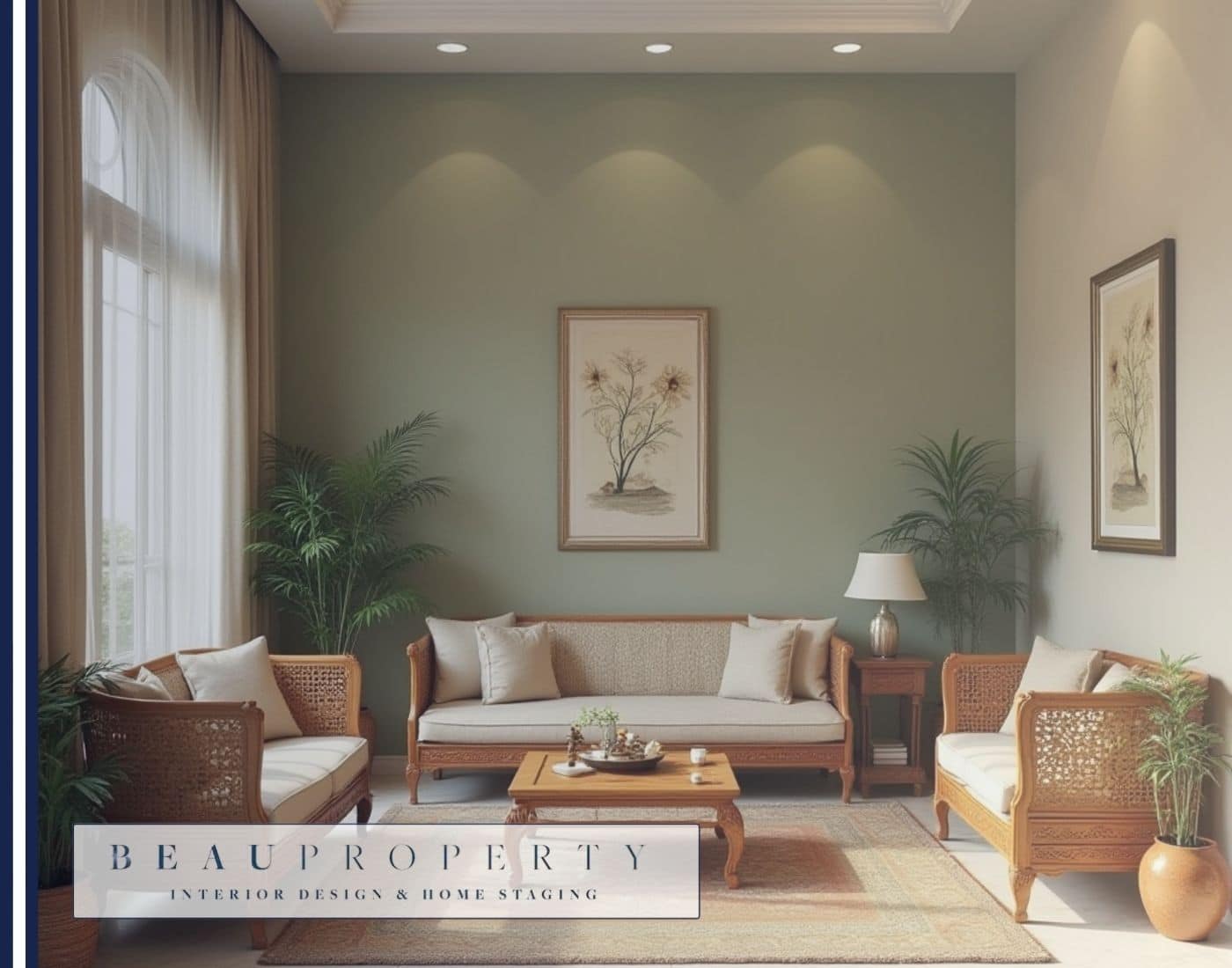
In the competitive landscape of real estate, home staging has emerged as an essential strategy to enhance property appeal and influence potential buyers. One of the most impactful components of this process is the careful selection and placement of art. From paintings and sculptures to photographs and decorative pieces, art serves as a powerful tool that can create inviting atmospheres and foster emotional connections with viewers. This blog will delve into the multifaceted role of art in home staging, exploring how it enhances the aesthetic appeal of spaces, highlights architectural features, resonates culturally with buyers, and tells stories that create a sense of belonging.
The Role of Art in Creating Atmosphere
Art plays a pivotal role in shaping the atmosphere of a home. When potential buyers walk through a property, their first impressions are often influenced by the visual elements present in the space. Art can transform a room’s aesthetic by introducing colour, texture, and personality. Different types of art, such as paintings, sculptures, and photographs, each serve unique functions in establishing the overall vibe of a space.
The Psychological Impact of Colour and Composition
The psychology of colour is a fundamental aspect of art that affects human emotions and perceptions. Warm colours like reds and oranges evoke feelings of warmth and comfort, while cool colours such as blues and greens promote calmness and tranquillity. When staging a home, it’s essential to consider how the colours in the selected art pieces complement the existing colour scheme of the space.
Moreover, the composition of a piece can influence the flow of energy within a room. For example, a large, bold painting can serve as a statement piece that draws attention and creates a focal point, while smaller artworks can be grouped to create a gallery wall, adding interest and depth to the décor. The strategic selection of art can significantly enhance the overall atmosphere, making spaces feel more inviting and appealing to potential buyers.
Transforming Spaces with Different Art Forms
The type of art chosen can also transform the perception of space. For example:
- Paintings: Large, colourful paintings can make a room feel more expansive and vibrant. They can also set the tone for the style of the home—modern, traditional, or eclectic.
- Sculptures: Three-dimensional art pieces can add depth and intrigue to a space. A well-placed sculpture in a corner can elevate the room’s aesthetic and draw the eye.
- Photographs: Personal or themed photography can create a narrative within the home. Family portraits might evoke warmth, while abstract photography can enhance a contemporary setting.
In essence, art is not just an accessory; it is a vital component in creating a cohesive and inviting atmosphere that resonates with potential buyers.
Art as a Tool for Highlighting Space
Effective home staging is about showcasing a property’s best features, and art can be a strategic tool in this endeavour. By using art to highlight architectural elements or specific areas of a room, homeowners and real estate agents can create focal points that draw attention and enhance the overall appeal of the space.
Creating Focal Points with Art
Focal points are essential in interior design, as they guide the viewer’s eye and establish a sense of balance within a room. Art can be used to create or enhance these focal points. Here’s how:
- Highlighting Architectural Features: If a room has unique architectural details, such as a fireplace or large windows, strategically placing art nearby can draw attention to these features. For example, a striking piece above a fireplace can accentuate its prominence, making it a natural gathering spot.
- Defining Spaces: In open-concept homes, art can help define different areas. For instance, positioning a large painting behind a dining table can delineate the dining space from the living area, creating a sense of separation while still maintaining an open feel.
Importance of Scale and Proportion
When selecting art for home staging, scale and proportion are critical considerations. The size of the art piece should be in harmony with the dimensions of the room and the furniture within it. A small piece of art can easily get lost in a large room, while oversized pieces in a small space can feel overwhelming. Here are some guidelines to ensure proper scale:
- Large Rooms: In expansive spaces, opt for larger artworks or a series of smaller pieces that can be grouped together. This will create visual interest and prevent the area from feeling barren.
- Small Rooms: In more compact settings, choose smaller art pieces or a few well-selected items that complement the furniture.
By considering both scale and proportion, sellers can optimise the visual impact of art in their home staging efforts, making spaces feel well-designed and inviting.

Cultural Relevance and Personal Connection
Art is inherently tied to culture and personal expression, which makes it a powerful tool in the home staging process. Understanding the cultural significance of art can help sellers connect with potential buyers on a deeper level.
Reflecting the Target Market
When selecting art for home staging, it’s essential to consider the demographics of the potential buyer. Art that resonates culturally with the target market can create a sense of familiarity and connection. For instance:
- Modern Urban Buyers: They may appreciate contemporary and abstract art that reflects current trends and aesthetics.
- Family-Oriented Buyers: They might prefer art that depicts family-friendly themes or local landscapes, evoking a sense of community and belonging.
Evoking Emotions and Fostering Connections
Art’s ability to evoke emotions cannot be overstated. The right pieces can help potential buyers envision themselves living in the space. For example, a serene landscape painting might inspire thoughts of relaxation and peace, while a vibrant cityscape can evoke excitement and energy.
Additionally, art can foster connections by making a property feel more like a home. Personal touches, such as local artists’ works or culturally significant pieces, can create an emotional resonance that is memorable and impactful, increasing the likelihood of a sale.
Art and Storytelling in Staging
One of the most compelling aspects of art in home staging is its ability to tell a story. Each piece of art can contribute to a narrative that resonates with potential buyers, helping them envision a lifestyle that aligns with the property.
Conveying Lifestyle and Aspirations
Art can create a sense of aspiration, prompting buyers to imagine themselves living in the space. For instance, a beautifully staged home with art depicting an active lifestyle—such as surfing, hiking, or urban exploration—can attract buyers who aspire to that lifestyle. Here’s how staging can tell a story:
- Themed Spaces: By creating themed spaces, such as a relaxing reading nook adorned with literary art, or a vibrant kitchen filled with culinary-themed artwork, sellers can convey a lifestyle that appeals to specific buyer demographics.
- Creating a Narrative: A carefully curated collection of art can weave a narrative throughout the home. For instance, a series of pieces showcasing local history can create a sense of place and community, making the home feel more inviting.
Envisioning a Future
The strategic use of art allows potential buyers to envision a future in the home. By incorporating pieces that align with aspirational lifestyles—such as travel, family, or leisure—sellers can enhance the emotional appeal of the property, making it more likely for viewers to connect and see themselves living there.
Practical Considerations for Selecting Art
While the impact of art in home staging is profound, the selection process requires careful consideration. Here are some practical guidelines for choosing appropriate art that enhances the staging process.
Factors to Consider
- Style of the Home: The art should complement the overall style of the home. For instance, traditional homes may benefit from classic paintings or vintage prints, while modern homes may shine with abstract pieces or contemporary photography.
- Colour Schemes: The colours in the art should harmonise with the existing colour palette of the home. This ensures that the art enhances rather than clashes with the décor, contributing to a cohesive look.
- Intended Demographic: Understanding the potential buyers is crucial. Art that resonates with the target market can foster connections and enhance the property’s appeal.
- Cohesion with Overall Design: It’s vital to choose art that fits within the overall design aesthetic of the space. Art should feel like an integral part of the home rather than an afterthought.
- Neutrality: While it’s important for art to reflect the target demographic, it should also maintain a level of neutrality. This ensures that it appeals to a broader audience, avoiding overly personal or controversial themes that may alienate potential buyers.
Guidelines for Displaying Art
- Placement: Art should be hung at eye level to create an immediate impact. In rooms with varied ceiling heights, consider the overall scale and adjust accordingly.
- Grouping: When displaying multiple pieces, consider grouping them in odd numbers for visual interest. Ensure there’s enough space between pieces to prevent clutter.
- Lighting: Proper lighting can enhance the visual impact of art. Use spotlights or wall sconces to highlight key pieces, adding depth and dimension to the staging.
By following these practical considerations, homeowners and real estate agents can effectively select and display art that elevates the aesthetic appeal of a property and engages potential buyers.

Conclusion
In conclusion, the impact of art in home staging is profound and multifaceted. From creating an inviting atmosphere to highlighting architectural features and fostering emotional connections, art serves as a crucial element in enhancing property appeal. By understanding the psychological effects of colour, the importance of focal points, and the cultural relevance of art, homeowners and real estate professionals can strategically incorporate art into their staging efforts.
Ultimately, art is not merely decorative; it is a powerful medium that can transform spaces, resonate with buyers, and tell compelling stories that inspire a sense of belonging. As the real estate market continues to evolve, the effective use of art in home staging will remain a vital strategy for creating inviting, emotionally resonant spaces that ultimately lead to successful sales.