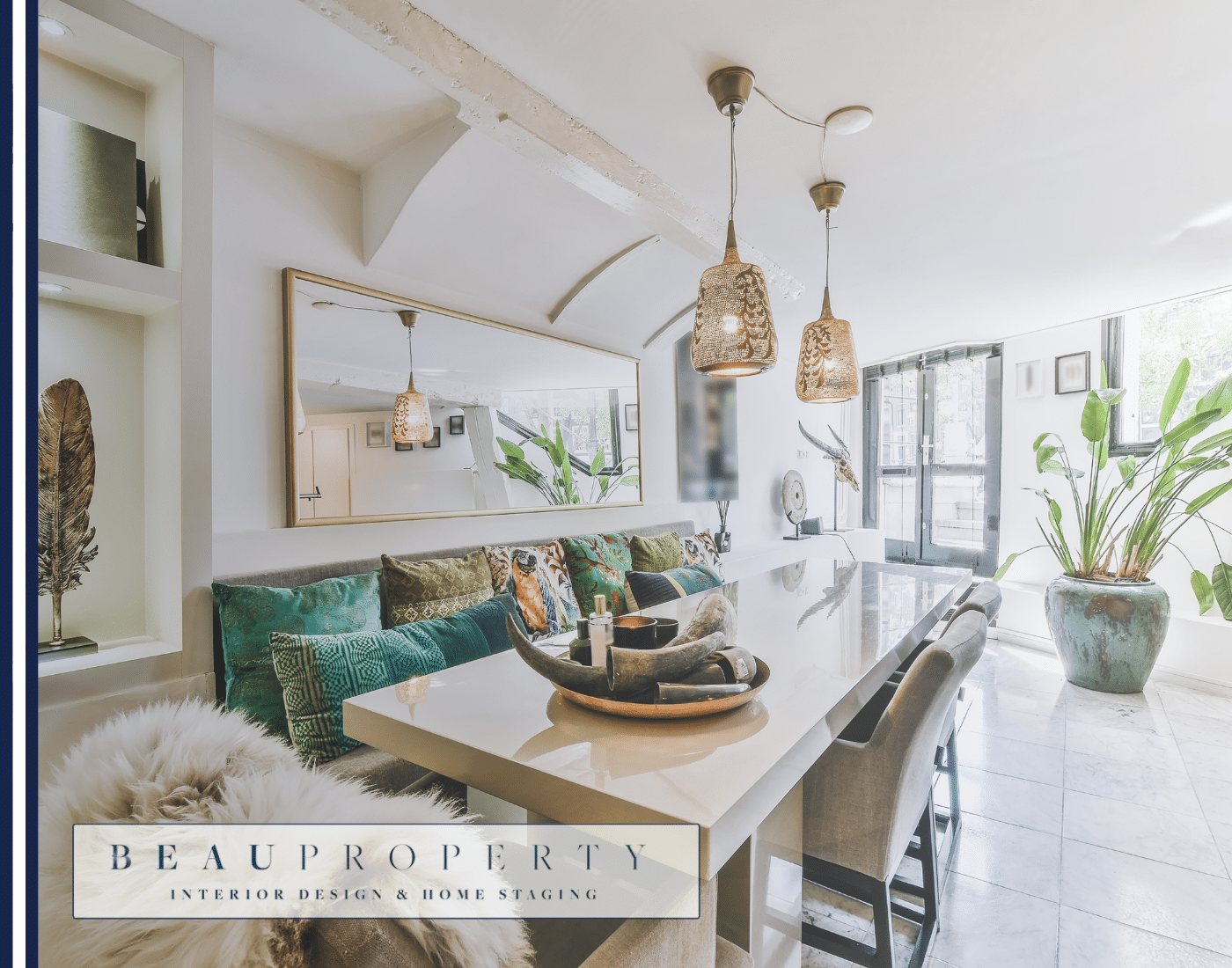
Innovative Decor Elements for Effective Property Staging
Introduction
In today’s fiercely competitive real estate market, property staging has become crucial for homeowners, real estate agents, and property developers aiming to enhance the appeal and value of their properties. A well-staged home not only attracts potential buyers but also creates an emotional connection, leading to quicker sales at higher prices. The decor elements chosen during staging play a vital role in transforming a space from mere walls and floors into a welcoming environment that resonates with various demographics.
The Role of Colour in Property Staging
Understanding Colour Psychology
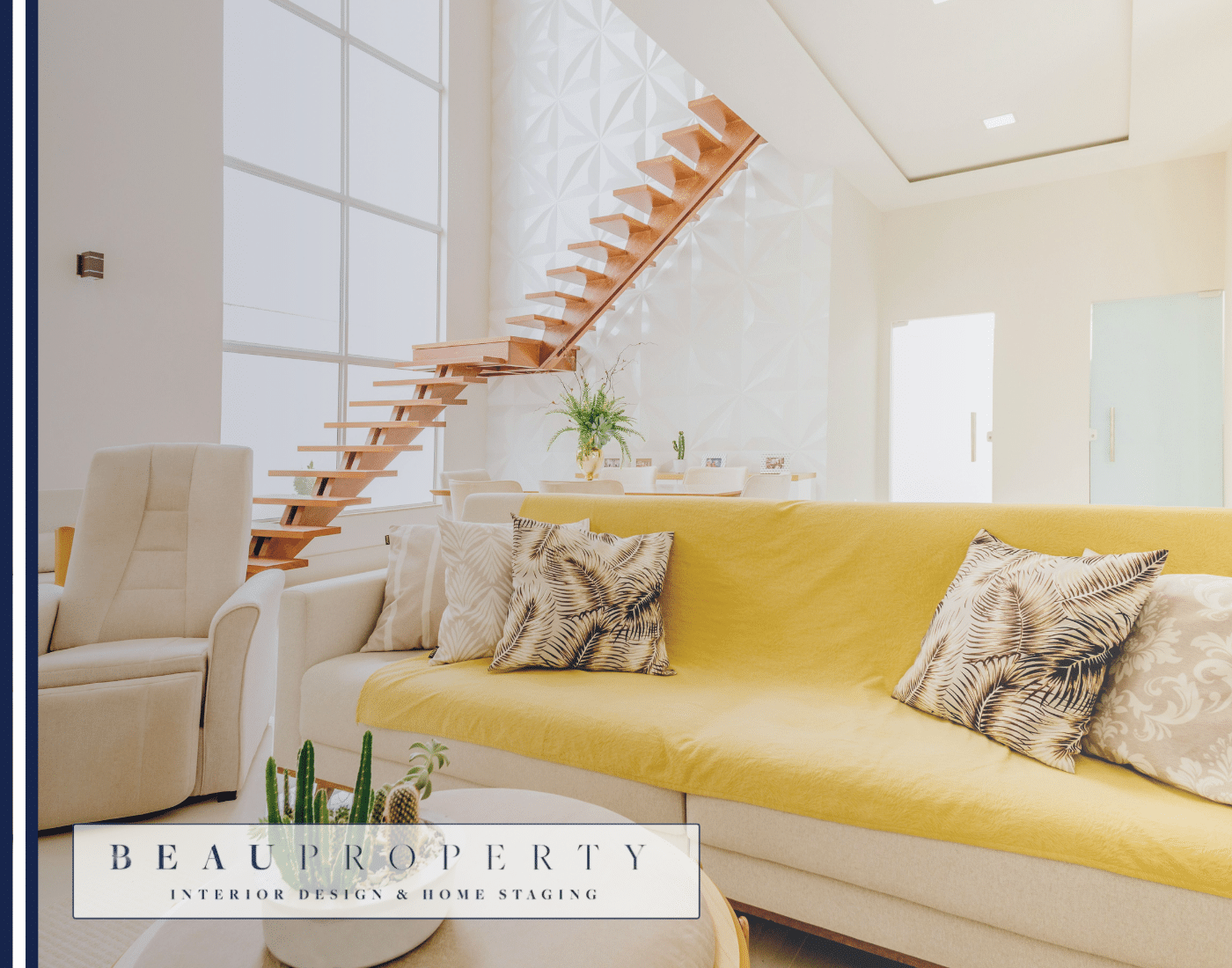
Colour is one of the most powerful decor elements in property staging, influencing perceptions and emotions. The psychology of colour suggests that different shades can evoke particular feelings and reactions in viewers, making it essential to choose colour palettes that appeal to a wide audience.
For instance, warm colours like soft yellows, creams, and light browns can create feelings of warmth and comfort, making spaces feel inviting. In contrast, cool colours such as blues and greens may evoke a sense of calm and tranquillity, ideal for bedrooms or bathrooms.
Popular Colour Palettes for Staging
When staging a property, consider the following popular colour palettes that can enhance appeal:
- Neutral Tones: Shades like beige, taupe, and soft greys serve as a blank canvas, allowing potential buyers to envision their decor. Neutral colours are versatile and can make spaces feel larger and more open.
- Monochromatic Schemes: Using various shades of a single colour can create a sophisticated look that feels cohesive and well-designed. For example, a range of blues can evoke a serene atmosphere, perfect for coastal properties.
- Accent Colours: Incorporating accent colours through decor elements such as cushions, artwork, or rugs can add vibrancy and interest without overwhelming the space. A pop of deep red or navy blue against neutral walls can draw attention and create focal points.
Creating Emotional Connections
Ultimately, effective property staging hinges on creating emotional connections with potential buyers. Using colour strategically can help guide their feelings and perceptions about the home. For example, a light, airy living room painted in soft whites and blues can evoke feelings of relaxation and comfort, making buyers envision themselves enjoying quiet evenings in the space.
Furniture Selection and Arrangement
Choosing the Right Furniture
Selecting the right furniture pieces is critical in showcasing a property’s strengths while minimising its weaknesses. When staging a home:
- Scale Matters: Choose furniture that fits the scale of the room. Oversized furniture in a small space can make it feel cramped, while undersized pieces in a large room can make it feel empty. Opt for appropriately sized items that enhance the room’s dimensions.
- Style Coordination: The style of the furniture should align with the property’s overall aesthetic. For example, a modern apartment may benefit from sleek, contemporary furniture, while a traditional home may look better with classic, timeless pieces.
- Functionality: Ensure that the furniture serves a purpose. Each room should convey its intended use, whether it’s a cosy reading nook or an inviting dining area.
Effective Furniture Arrangement Techniques
The arrangement of furniture is equally important in staging a property. Here are some effective techniques:
- Encourage Flow: Arrange furniture to create a natural flow through spaces. Avoid blocking pathways or doorways, ensuring potential buyers can move freely throughout the property.
- Highlight Focal Points: Use furniture placement to draw attention to architectural features or focal points, such as a fireplace or a large window. For example, position a sofa opposite the fireplace to highlight its warmth and charm.
- Create Intimacy: In larger spaces, grouping furniture can create intimate areas for conversation and relaxation. For instance, a small seating arrangement can make a vast living room feel more inviting.
Practical Examples
To illustrate these concepts, consider a living room staged with a large sectional sofa, a coffee table, and accent chairs. Arranging the chairs in a semi-circle around the coffee table creates a welcoming conversation area. Alternatively, in a smaller room, a couple of armchairs with a compact table may suffice, maintaining an open feel while providing functionality.

Textures and Materials for Depth and Interest
The Importance of Textures
In property staging, textures and materials can add depth and visual interest to a space. Layering different textures creates a dynamic environment that appeals to a wide range of tastes and preferences.
Layering Textures
Here are some ways to incorporate various textures:
- Fabrics: Soft textiles such as throws, cushions, and curtains can introduce warmth and comfort. Consider mixing materials like velvet and linen to create contrast.
- Hard Surfaces: Use materials like wood, metal, and glass to add structure and sophistication. A wooden coffee table paired with plush fabric sofas can create an inviting yet stylish atmosphere.
- Natural Elements: Incorporating plants or natural decor items can enhance the welcoming nature of a space. For instance, a jute rug can bring an earthy touch to a modern room.
Creating Balance
Striking a balance between soft and hard surfaces is key to creating an engaging environment. For example, a room with hardwood flooring can benefit from plush area rugs and soft furnishings to soften the overall look while maintaining visual interest.
Innovative Lighting Solutions
The Critical Role of Lighting
Lighting is a fundamental decor element in property staging that can dramatically alter the perception of a space. The right lighting can highlight the room’s best features, create warmth, and make spaces appear larger and more inviting.
Exploring Innovative Lighting Solutions
- Natural Light: Emphasise natural light by keeping windows unobstructed. Use sheer curtains to allow light in while maintaining privacy. A well-lit space feels more inviting and spacious.
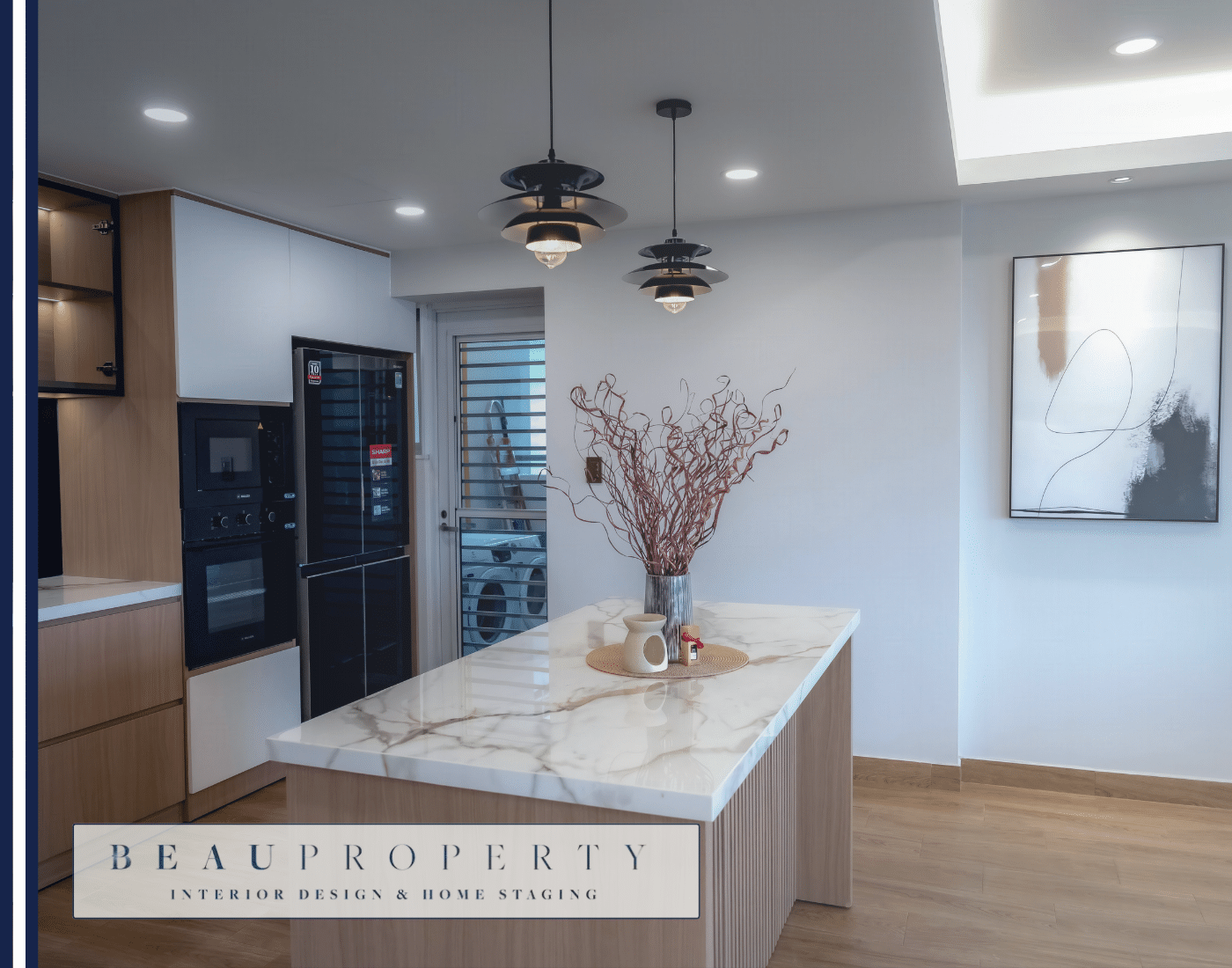
- Statement Fixtures: Incorporate unique or stylish light fixtures to create focal points in a room. A striking pendant light in a dining area or a chic chandelier in a foyer can draw attention and elevate the overall design.
- Layered Lighting: Implement a combination of ambient, task, and accent lighting to create a balanced atmosphere. For example, ceiling lights provide general illumination, while table lamps offer focused light for reading or working.
Highlighting Architectural Features
Effective lighting can also highlight architectural features within a property. Use track lighting to accentuate artwork or architectural details, such as mouldings or built-in shelves, making them stand out to potential buyers.
Accessorising with Purpose
The Role of Accessories
Accessories are the finishing touches that can personalise a staged property without overwhelming it. Thoughtfully selected decor pieces can enhance the overall aesthetic and create thematic continuity throughout the home.
Purposeful Accessory Selection
- Artwork: Choose art pieces that reflect current trends yet remain neutral enough to appeal to a broad audience. Large, bold pieces can serve as focal points, while smaller items can enhance overall decor.
- Plants: Incorporating greenery can bring life to a space. Opt for low-maintenance plants like succulents, which add colour and vibrancy without requiring extensive care.
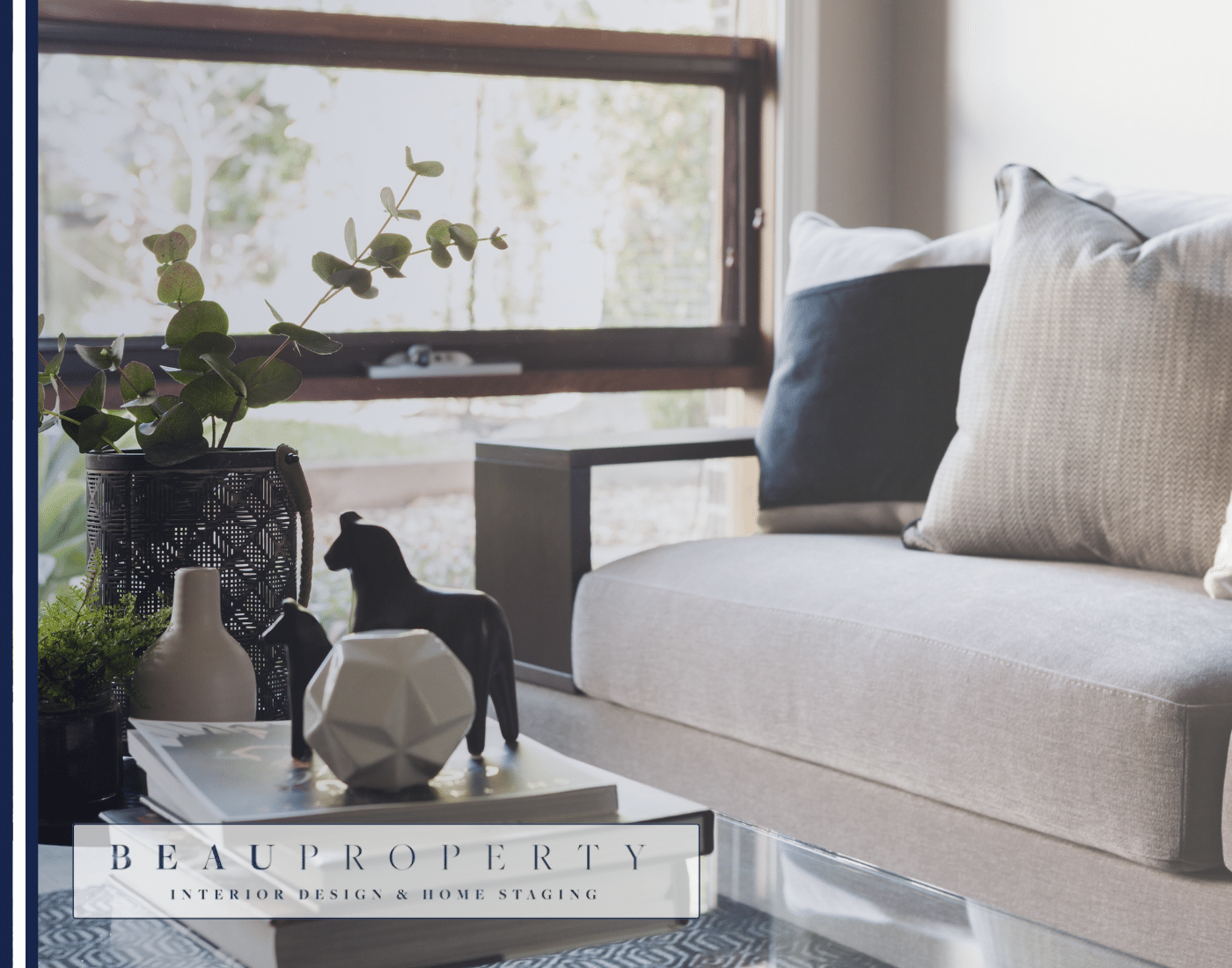
- Decorative Items: Select decorative objects such as vases, books, or sculptures that complement the overall design without cluttering the space. Ensure these pieces align with the property’s style and colour scheme.
Creating Thematic Continuity
Accessories can be used to create a cohesive theme throughout the property. For example, if a coastal theme is desired, use decor elements like seashells, nautical artwork, and soft blues to enhance the seaside vibe.
Outdoor Spaces and Curb Appeal
The Significance of Outdoor Spaces
Outdoor areas are often the first impression potential buyers have of a property, making curb appeal essential in property staging. Well-designed outdoor spaces can extend the living area and create an inviting atmosphere.
Enhancing Curb Appeal
- Landscaping: Well-maintained gardens and landscaping can significantly boost curb appeal. Ensure lawns are mown, flower beds are tidy, and hedges are trimmed to create an attractive exterior.
- Outdoor Furniture: Incorporate comfortable outdoor furniture to create inviting spaces for relaxation or entertaining. A few strategically placed chairs and a small table can transform a patio into a welcoming retreat.
- Decor Elements: Consider adding decorative elements such as outdoor rugs, cushions, or lanterns to enhance the space and create a cohesive aesthetic with the interior.
First Impressions Matter
Remember, first impressions are crucial in property staging. An inviting outdoor space can set the tone for the entire viewing experience, making buyers more likely to envision themselves living in the home.
Incorporating Technology in Staging
The Integration of Technology in Property Staging
In today’s tech-savvy world, incorporating technology into property staging can create a more immersive experience for potential buyers. Modern advancements can enhance convenience and appeal to buyers looking for contemporary living solutions.
Innovative Technological Solutions
- Smart Home Features: Highlighting smart home technologies such as automated lighting, thermostats, and security systems can attract tech-savvy buyers. Ensure these features are easily accessible and showcased during property viewings.
- Virtual Staging: For properties that are empty or lack appeal, virtual staging can be a game-changer. This technology allows potential buyers to visualise the space with digitally added furniture and decor through photographs.
- Augmented Reality Tools: Consider using augmented reality tools that allow buyers to experience the property uniquely, enabling them to envision how their furnishings and decor would fit into the space.
Benefits of Showcasing Technology
Integrating technology thoughtfully can enhance the property’s appeal and reflect a modern lifestyle. Buyers often appreciate convenience and efficiency, making homes with smart features more attractive.
Seasonal Decor Considerations
The Impact of Seasonal Decor
Adapting staging strategies to reflect seasonal changes can make a property feel more relevant and inviting. Seasonal decor can enhance the atmosphere without overshadowing the property’s features.
Seasonal Staging Strategies
- Spring/Summer: Use light, airy colours and incorporate fresh flowers or light fabrics to create a vibrant, inviting atmosphere. Outdoor spaces can be staged with seasonal plants and decor to enhance curb appeal.
- Autumn/Winter: Incorporate warm colours, soft textiles, and seasonal accents such as pumpkins or pinecones to create a cosy environment. Strategic use of lighting can add warmth and comfort during the colder months.
Creating a Welcoming Atmosphere
Subtle seasonal touches can enhance the property’s appeal and help buyers feel at home. However, be cautious not to overwhelm the space with decorations that detract from its features.
Conclusion
In conclusion, effective property staging is an essential strategy for enhancing appeal and value in today’s competitive real estate market. By thoughtfully incorporating innovative decor elements such as colour, furniture arrangement, textures, lighting, accessories, and outdoor spaces, homeowners, real estate agents, and property developers can create inviting environments that resonate with potential buyers.
The careful selection and arrangement of decor elements not only attract attention but also foster emotional connections that can lead to successful sales. By considering the innovative strategies discussed in this blog post, you can elevate your property staging efforts and ultimately increase your property’s value.