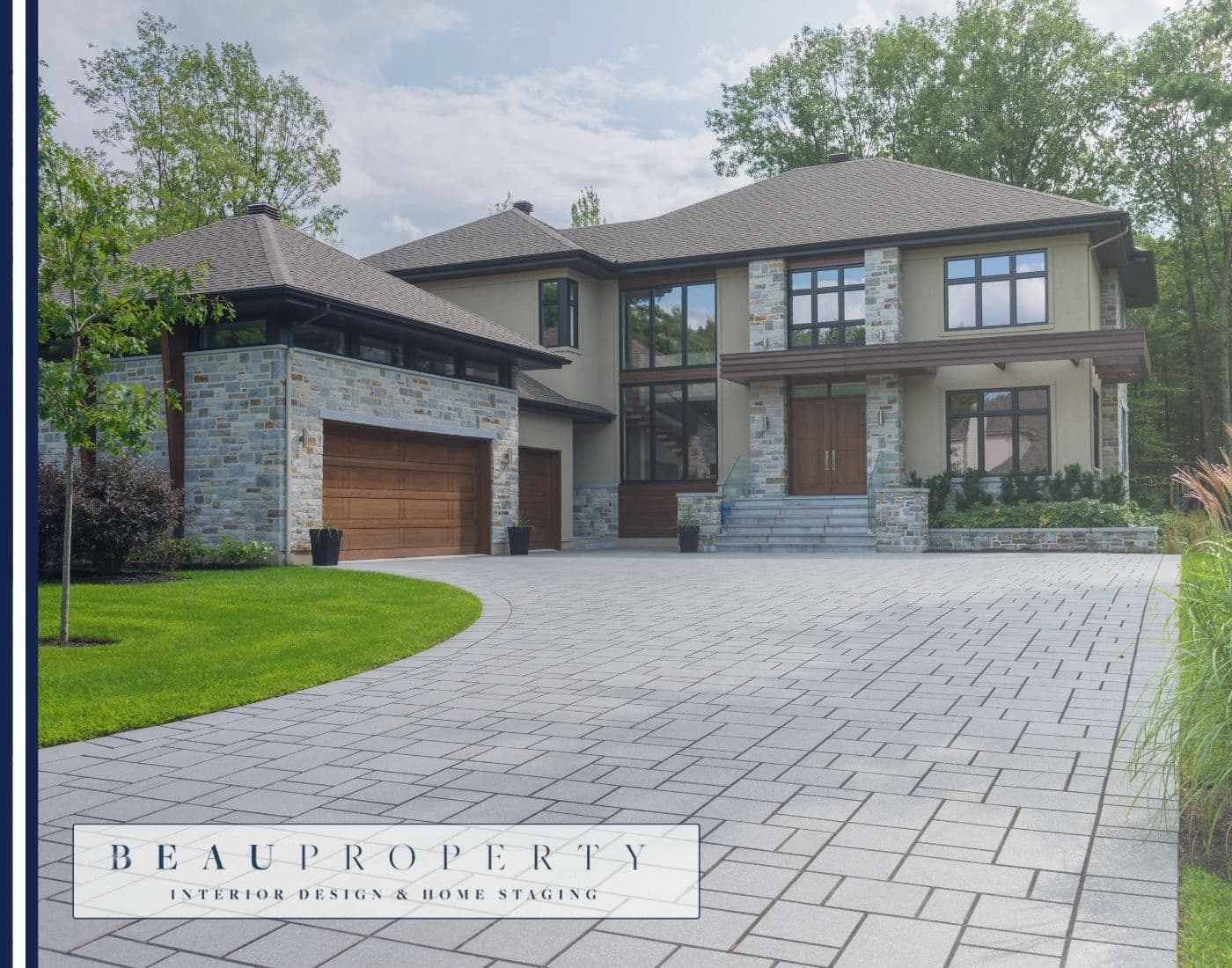
In the world of high-end real estate, how a property is presented can make all the difference when it comes to attracting discerning buyers. Luxury home staging is not just about arranging furniture; it is a sophisticated art that enhances the appeal of a property and influences buyer perception. By effectively staging a luxury home, sellers can create an emotional connection, helping potential buyers envision their lives within the space. This blog explores the essential aspects of staging for the luxury market, equipping affluent homeowners, real estate agents, and interior designers with the knowledge needed to maximise the value of high-end properties.
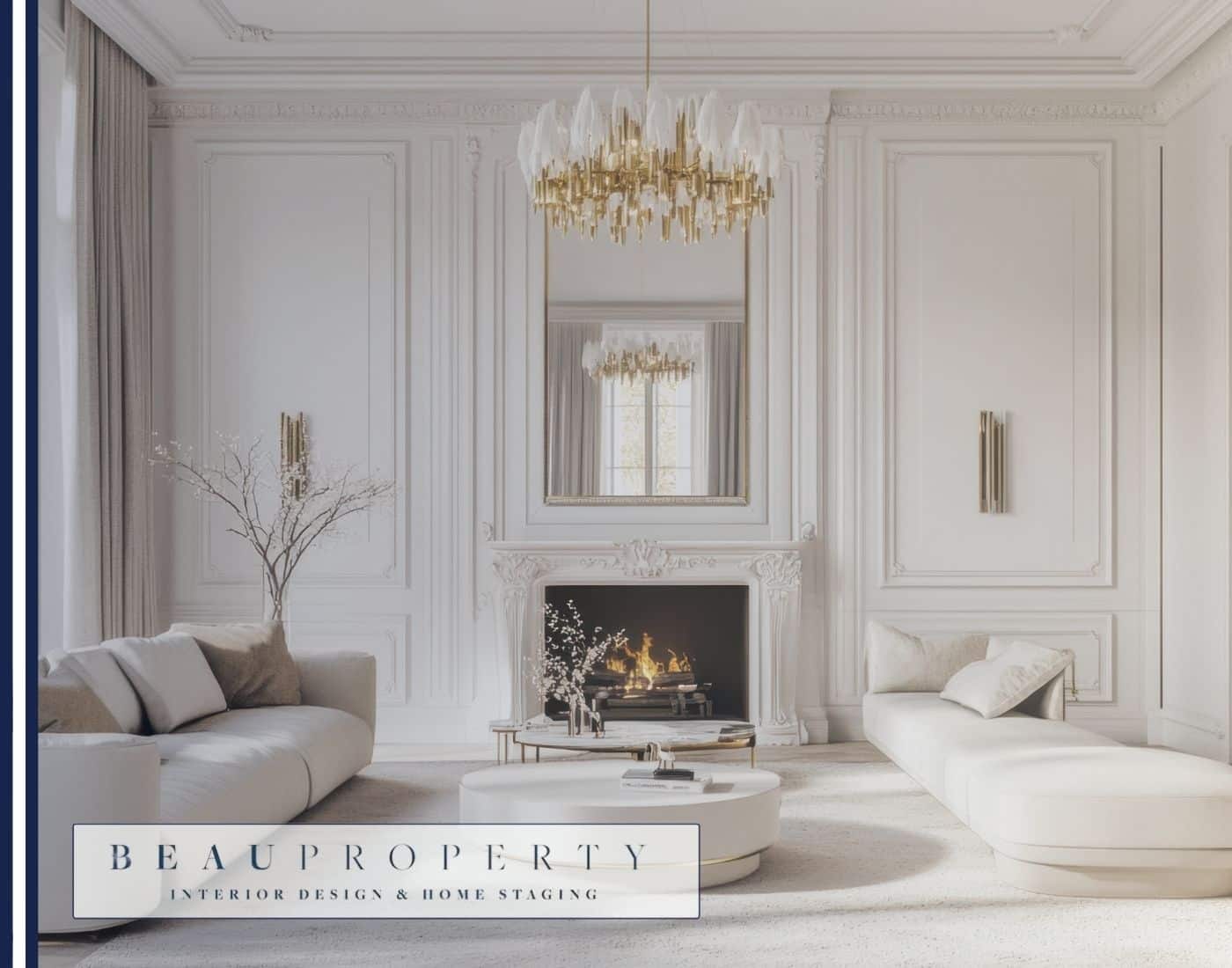
The Importance of Staging in Luxury Real Estate
Staging plays a critical role in the luxury property market, where stakes are higher and expectations are more pronounced. Unlike ordinary homes, luxury properties often feature unique architectural elements, high-end finishes, and expansive outdoor spaces that require a customised approach to staging. The goal is to highlight these features while creating an inviting atmosphere that resonates with affluent buyers.
Emotional Connection
One of the most significant advantages of staging in luxury real estate is its ability to forge emotional connections with potential buyers. When a buyer walks into a beautifully staged home, they are not just seeing a property; they are experiencing a lifestyle. The right staging can evoke feelings of comfort, elegance, and exclusivity, making the buyer feel as though they are stepping into their dream home.
Elevating Perceived Value
Luxury staging techniques can elevate a property’s perceived value, often leading to quicker sales at higher prices. A well-staged home can significantly influence how buyers perceive its worth, making them more willing to invest the asking price. By enhancing the visual appeal and functionality of a property, staging transforms a house into a desirable home, effectively justifying its luxury price tag.
Tailored Approach for Unique Features
Luxury homes come with unique features—grand staircases, expansive kitchens, and opulent outdoor living areas—that require a different staging approach compared to average homes. For instance, a contemporary glass-fronted villa may benefit from minimalistic décor that highlights its clean lines and stunning views, while a historic manor might call for classic furnishings that complement its period details. Understanding these nuances allows for a more effective presentation that aligns with the expectations of high-end buyers.
Key Elements of Luxury Home Staging
Effective luxury home staging hinges on several essential components that collectively create a cohesive and appealing presentation. Below are the key elements to consider:
Choice of Furnishings and Décor
Selecting the right furnishings and décor is critical to align with high-end aesthetics. Luxury furniture should reflect quality and sophistication, often featuring premium materials and finishes. For example, incorporating bespoke or high-end designer items can elevate the overall look and feel of the space.
Practical Example
Imagine staging a luxury penthouse with a stunning view. Choosing a plush sectional sofa in a neutral tone paired with statement pieces, such as a designer coffee table and elegant armchairs, can create a sophisticated yet inviting living area. The goal is to evoke a sense of luxury without overwhelming the senses.
Space Planning and Flow
Space planning is vital for ensuring each area of the home feels inviting and functional. In luxury homes, where space is often abundant, the layout should facilitate flow and accessibility. Effective staging ensures rooms are not overcrowded, allowing potential buyers to envision themselves moving comfortably throughout the space.
Practical Example
Consider a spacious open-plan living area. Arranging furniture to create distinct zones—such as a lounging area, a dining space, and an entertainment section—can help potential buyers understand how to utilise the space effectively. This thoughtful layout not only showcases the size of the home but also enhances its livability.
Lighting
Lighting can dramatically transform spaces, showcasing luxury features while creating an inviting atmosphere. Natural light should be maximised, and strategic artificial lighting should be employed to highlight architectural details and create ambiance.
Practical Example
In a luxury kitchen, under-cabinet lighting can illuminate countertops, showcasing high-end materials and finishes. Pendant lights over a breakfast bar can create a focal point while providing functional lighting, enhancing both aesthetics and usability.
Artwork, Accessories, and Colour Palettes
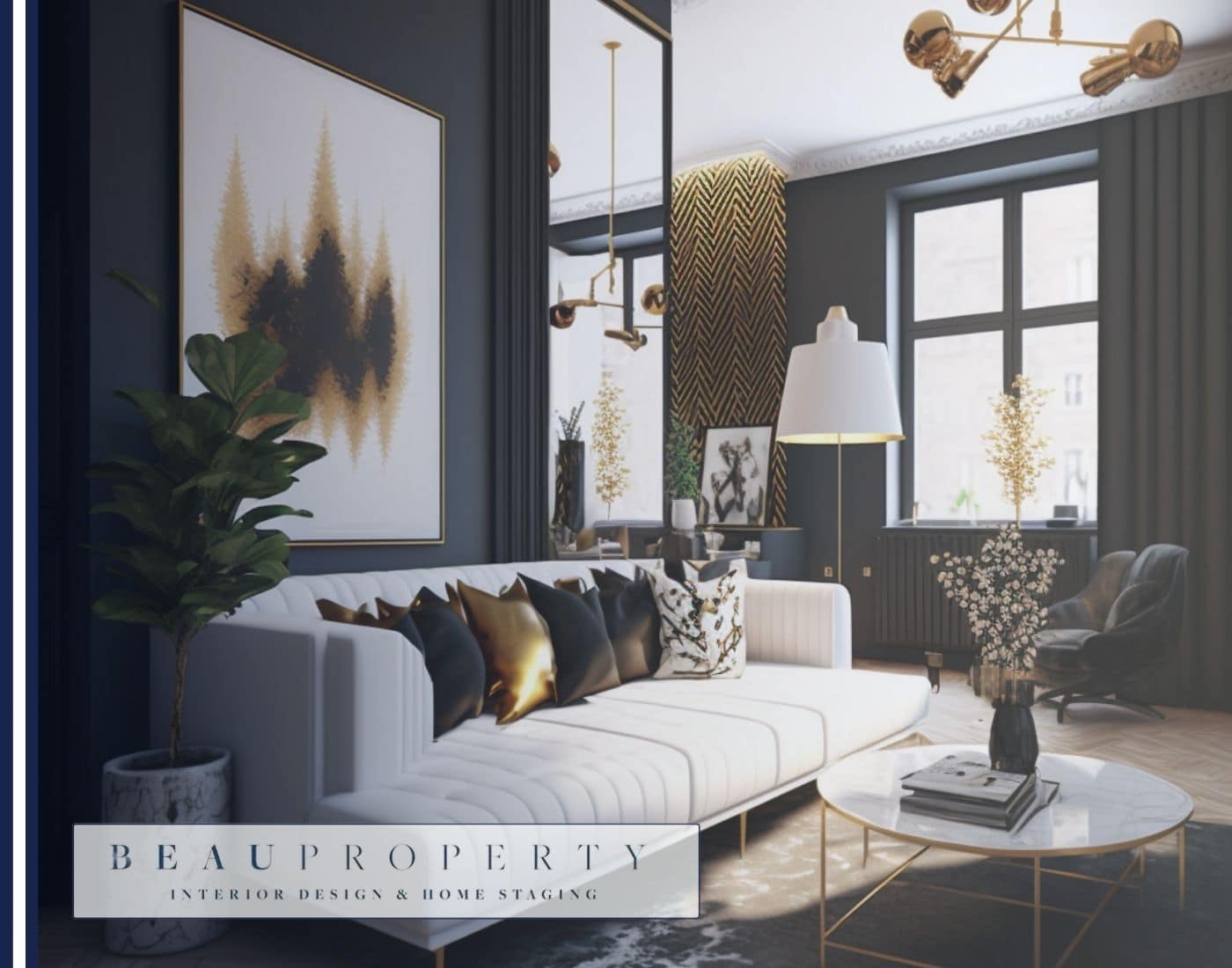
The choice of artwork and accessories can significantly enhance the overall staging of a luxury home. Selecting pieces that resonate with affluent buyers while maintaining a cohesive colour palette is essential. Neutral tones can appeal broadly, while carefully chosen accent colours can draw attention to specific features of the home.
Practical Example
In a luxury living room, a large abstract painting in calming tones can serve as a statement piece above a fireplace, while carefully curated accessories—such as decorative vases and books—can add personality without cluttering the space.
Staging Techniques for Luxury Homes
To effectively stage luxury properties, various techniques can be employed that align with the expectations of high-end buyers. Below are some of the most effective strategies:
Professional Staging Services
Engaging professional staging services can significantly elevate the presentation of a luxury home. Staging experts possess the knowledge and experience to curate spaces that resonate with high-end aesthetics and buyer demographics.
Practical Example
A luxury real estate agent may collaborate with a staging company to design a cohesive scheme that aligns with the property’s architecture and target market. For instance, a modern mansion may benefit from sleek, contemporary furnishings, while a country estate might call for more traditional, rustic elements.
Bespoke Furniture and Décor
Customisation is a powerful tool in luxury staging. Using bespoke furniture or décor tailored to the property’s unique features can create a sense of exclusivity that appeals to high-end buyers.
Practical Example
In a luxury home with historical significance, incorporating custom-made pieces that reflect the property’s character—such as handcrafted cabinetry or artisanal light fixtures—can enhance its appeal. This bespoke approach not only highlights the home’s uniqueness but also positions it as a one-of-a-kind offering in the market.
Neutral Palettes with Unique Selling Points
While maintaining a neutral colour palette can appeal to a broader audience, it is crucial to also highlight the unique selling points of the property. This balance ensures the home feels exclusive while remaining relatable to prospective buyers.
Practical Example
A luxury bathroom may feature neutral tiles and fixtures, but adding a bold splash of colour through luxurious towels or artwork can draw attention to the space without overwhelming it. This approach allows buyers to envision themselves enjoying the amenities while appreciating the luxury of the home.
Creating a Lifestyle with Staging
Staging is not just about making a home look good; it is about creating a lifestyle narrative that appeals to luxury buyers. Lifestyle staging involves presenting the property in a way that evokes a specific way of living, making it more relatable and desirable.
Lifestyle Staging Concepts
Luxury buyers often seek properties that align with their aspirations and lifestyle choices. Staging should reflect this by showcasing spaces that cater to the lifestyle buyers envision for themselves.
Practical Example
In a luxury home with an expansive outdoor terrace, staging could include setting up an elegant dining area with a table, chairs, and tasteful décor, ready for al fresco entertaining. This presentation invites buyers to imagine hosting gatherings and enjoying the outdoors, enhancing the property’s appeal.
Showcasing Outdoor Spaces
The importance of outdoor spaces in luxury homes cannot be overstated. Gardens, terraces, and balconies should be viewed as extensions of the home that contribute to the overall lifestyle experience.
Practical Example
A beautifully landscaped garden could be staged with outdoor furniture, a fire pit, and strategically placed lighting to create a welcoming atmosphere. This approach allows potential buyers to envision themselves enjoying the outdoor space, whether for relaxation or entertaining.
Reflecting Potential Life Within the Home
Staging should evoke a sense of potential life within the home, making it relatable to prospective buyers. By presenting the home as a canvas for their future, buyers can better envision their lives unfolding within the space.
Practical Example
In a luxury family home, staging could include children’s toys in a playroom or a well-set dining table for family gatherings. These elements reflect the lifestyle that buyers may aspire to, making the property feel more inviting and attainable.
The Role of Technology in Luxury Staging
In an increasingly digital world, the integration of technology in the staging process has become essential. From virtual staging to high-quality photography, technology enhances property presentation and broadens reach.
Virtual Staging and 3D Renderings
Virtual staging allows for the enhancement of property listings without the need for physical staging. This innovative approach can be particularly beneficial in showcasing properties that are vacant or under renovation.
Practical Example
A luxury listing may utilise virtual staging to create a visualisation of how a space can be furnished, providing prospective buyers with a clearer understanding of the property’s potential. With 3D renderings, buyers can explore different layouts and design ideas from the comfort of their own homes.
High-Quality Photography and Videography
High-quality photography and videography are paramount in showcasing staged homes effectively. Professional images that highlight the property’s features can make a significant difference in attracting potential buyers.
Practical Example
A luxury home may feature aerial drone photography that captures the grandeur of the property and its surroundings, while a virtual tour can provide an immersive experience for online viewers. This combination of visual tools enhances the property’s appeal and broadens its reach in a competitive market.
Online Listings and Marketing
With most buyers starting their property search online, optimising listings with high-quality images and engaging descriptions is crucial. Staged homes should shine on online platforms, ensuring they stand out among competitors.
Practical Example
A luxury real estate agent might create a dedicated website for a high-end listing, featuring professional photos, virtual tours, and detailed descriptions of the staging elements. This targeted marketing effort can attract serious buyers and facilitate quicker sales.
Conclusion
Staging for the luxury market is a nuanced process that requires careful consideration and expertise. By understanding the importance of luxury home staging, key staging elements, effective techniques, and the role of technology, affluent homeowners, real estate agents, and interior designers can significantly enhance the appeal of high-end properties. Strategic staging not only elevates a property’s perceived value but also creates lasting emotional connections with potential buyers. As the luxury market continues to evolve, embracing the transformative potential of staging will be crucial in achieving successful sales outcomes.
Whether you are preparing a luxury property for the market or advising clients on staging techniques, remember that every detail matters. Start planning your luxury home staging today to unlock the full potential of your high-end property and attract discerning buyers ready to invest in their dream homes.