Understanding Vintage Style in Home Decor
Defining Vintage Decor
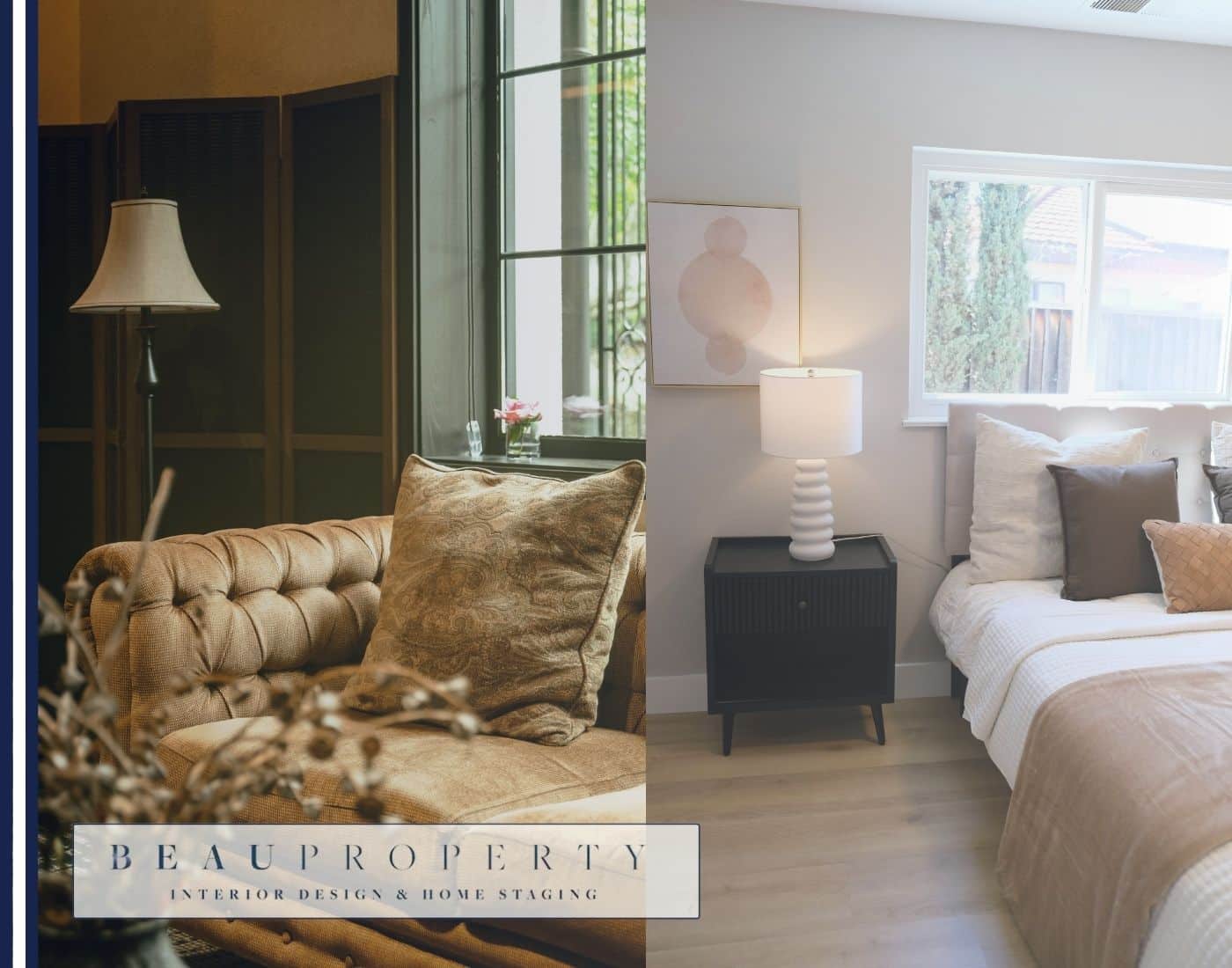
Vintage style in home decor refers to interior design inspired by past decades, typically encompassing styles that are at least 20 years old. This decor style is characterised by its warmth, character, and a sense of history that resonates with many homeowners. The term “vintage” can apply to various design eras, including the elegance of the Art Deco period, the clean lines of mid-century modern design, and the bohemian aesthetics of the 1970s.
Key Characteristics of Vintage Decor
- Colour Palettes: Vintage decor often features muted and earthy colour schemes, with soft pastels and rich jewel tones playing a significant role. Popular palettes include dusty rose, olive green, and mustard yellow, evoking nostalgia.
- Textures and Materials: Vintage decor embraces various textures, including distressed woods, aged metals, and luxurious fabrics such as velvet and silk. These materials add depth and interest, creating a visually rich environment.
- Iconic Vintage Pieces: Certain items have become iconic representations of vintage style. For instance, Eames chairs from the mid-century period or ornate chandeliers from the Art Deco era are sought after for their timeless appeal. These pieces can serve as focal points in a room, offering a glimpse into past design sensibilities.
Historical Context and Influence
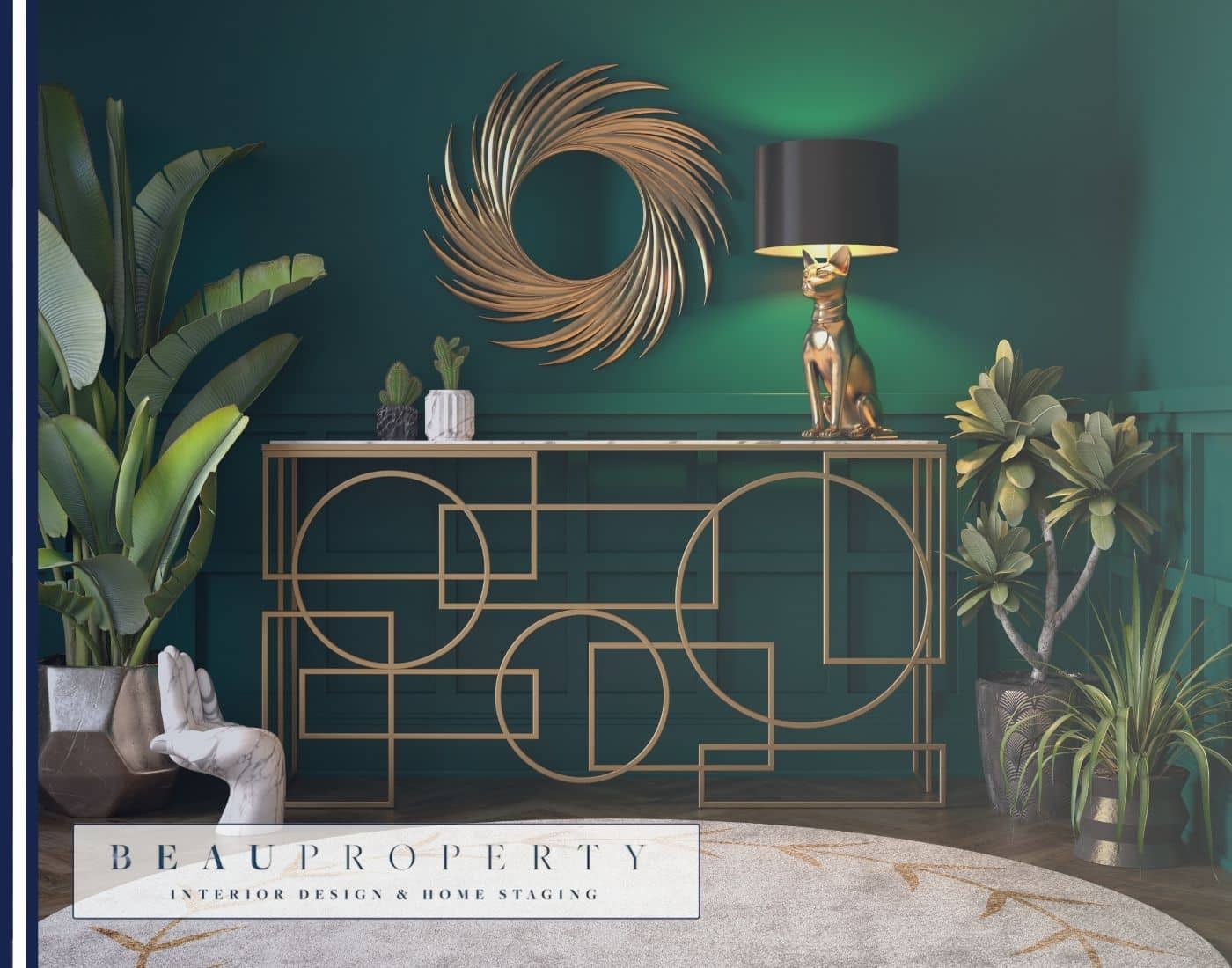
The influence of vintage style is deeply rooted in the cultural and social movements of various eras. For instance, the mid-century modern period, spanning the 1940s to the 1960s, was marked by innovation and a break from traditional design. This era celebrated clean lines, organic shapes, and functionality, which continue to inspire contemporary designs today. Similarly, the Art Deco movement of the 1920s and 1930s introduced glamour and luxury into home decor with bold geometric patterns and opulent materials still relevant in modern interiors.
Characteristics of Contemporary Decor
Defining Contemporary Decor
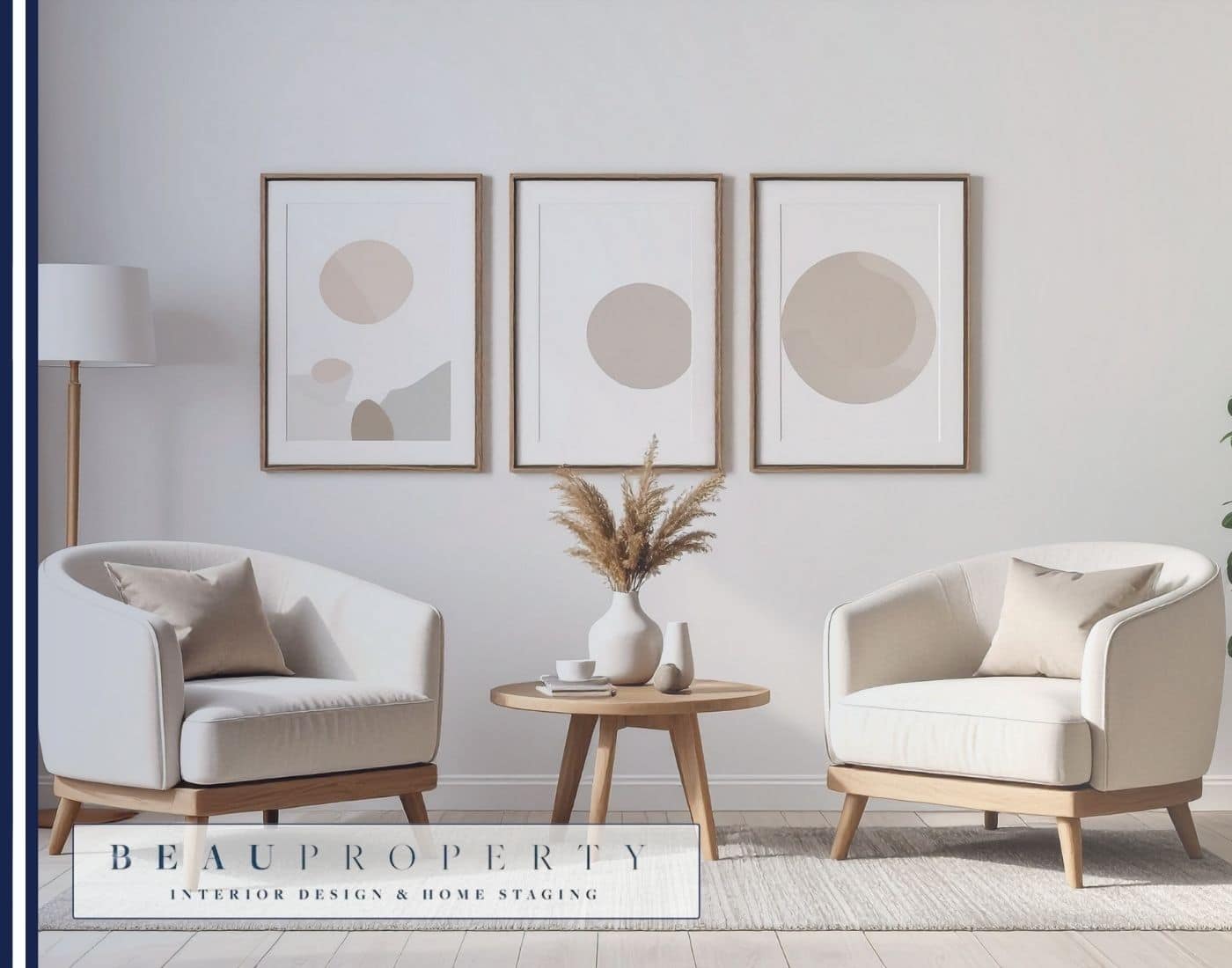
Contemporary decor focuses on the present and reflects current trends in design. Unlike vintage style, which looks to the past, contemporary decor is characterised by its ever-evolving nature, continuously adapting to societal changes and technological advancements.
Key Features of Contemporary Decor
- Sleek Lines and Minimalism: Contemporary decor embraces minimalism, with clean lines and uncluttered spaces promoting calm and order. Furniture tends to have simple, geometric shapes that maximise functionality without sacrificing style.
- Open Spaces: The concept of open-plan living has gained popularity in contemporary design, encouraging fluidity between spaces. This layout fosters connectivity and suits modern lifestyles where social interaction is paramount.
- Innovative Materials: Contemporary decor frequently utilises modern materials such as glass, steel, and engineered woods. These materials enhance aesthetic appeal and contribute to a more sustainable approach to design.
- Focus on Technology and Sustainability: Contemporary decor embraces technological advancements, incorporating smart home features and energy-efficient solutions. This focus on sustainability reflects the growing awareness of environmental issues, encouraging homeowners to make conscious design choices.
The Intersection of Vintage and Contemporary Styles
Blending the Best of Both Worlds
The intersection of vintage and contemporary styles presents exciting opportunities for homeowners to create unique, personalised spaces. The concept of “eclectic design” encourages mixing various styles, allowing individuals to express their personality while enjoying the best elements of both vintage and contemporary decor.
How to Incorporate Vintage Pieces into Contemporary Settings
- Select Statement Pieces: Choose standout vintage items, such as a classic armchair or a retro coffee table, that serve as focal points in a contemporary room. These pieces will add character and interest while complementing the modern aesthetic.
- Layering Textures and Colours: Mixing materials and colours from both styles can create a harmonious environment. For example, pairing a vintage rug with contemporary furniture can soften the space and add warmth.
- Art and Accessories: Vintage artwork or decorative accessories can infuse personality into a contemporary setting. Consider incorporating vintage frames or unique sculptures to create visual intrigue.
- Balancing Proportions: When blending styles, maintaining balance is essential. For instance, if you have a large contemporary sofa, consider pairing it with a smaller vintage side table to create visual contrast without overwhelming the space.
Popular Trends in Vintage Decor
Current Trends Shaping Vintage Decor
In recent years, several trends have emerged within the vintage decor space, reflecting evolving tastes among homeowners:
- Revival of Colour Schemes: Bold colour schemes from past decades are making a comeback. For example, the rich greens and browns of the 1970s are being reinterpreted in modern homes, often paired with contemporary furnishings for a fresh look.
- Patterns and Textiles: Vintage patterns, such as florals, paisleys, and geometric designs, are embraced in textiles and wallpaper. These patterns can add a playful touch to contemporary spaces, creating a sense of nostalgia without overwhelming the design.
- The Rise of Vintage Markets: The popularity of vintage markets and thrift shops has surged, allowing homeowners to source unique pieces that resonate with their style. The thrill of hunting for one-of-a-kind items adds excitement to home decor.
- Upcycling and Repurposing: The trend of upcycling vintage items is gaining traction among modern decorators. By repurposing old furniture or decor elements, homeowners can create sustainable and stylish solutions that add character to their spaces.
Contemporary Trends in Home Decor
Emerging Trends in Contemporary Decor
The world of contemporary decor is ever-changing, with new trends continually emerging. Notable contemporary trends include:
- Minimalism and Decluttering: The minimalist movement encourages homeowners to declutter their spaces and focus on essential items that bring joy. This trend promotes serenity and clarity, allowing individuals to appreciate the beauty of simplicity.
- Biophilic Design: Incorporating natural elements into interior spaces has gained popularity, reflecting a growing desire to connect with nature. Contemporary decor often includes plants, natural light, and organic materials, creating a calming and refreshing atmosphere.
- Multifunctional Furniture: As living spaces become more compact, the demand for multifunctional furniture has increased. Contemporary design embraces versatile pieces, such as sofa beds and extendable dining tables, that adapt to the changing needs of modern households.
- Influence of Social Media: Platforms like Instagram and Pinterest have revolutionised how homeowners approach decor. Design influencers showcase innovative ideas and trends, inspiring homeowners to experiment with their spaces and share their personal style.
Harmonising Vintage and Contemporary in Your Home
Blending Styles for a Cohesive Look
Successfully blending vintage and contemporary decor requires thoughtful consideration and a keen eye for detail. Here are some strategies to achieve a cohesive look:
- Define Your Style: Before integrating different styles, take the time to define your aesthetic preferences. Consider what aspects of vintage and contemporary decor resonate with you and how they can work together.
- Create a Focal Point: Establish a focal point in each room to guide your decor choices. This could be a vintage piece, such as a beautifully restored dresser, complemented by contemporary accessories to create balance.
- Maintain a Consistent Colour Palette: To ensure that various elements harmonise, choose a consistent colour palette that ties everything together. This approach creates visual coherence while allowing for a mix of styles.
- Experiment with Layouts: Don’t hesitate to experiment with different layouts to find the most visually appealing arrangement. Rearranging furniture and decor elements can lead to unexpected combinations that enhance the overall design.
Conclusion
In the vibrant world of home decor, exploring vintage and contemporary styles offers a rich tapestry of design possibilities. While vintage decor evokes nostalgia and warmth through its historical context and unique pieces, contemporary decor embodies modern sensibilities with sleek designs and innovative materials. Both styles have distinct appeal, making them valuable additions to today’s home decor landscape.
By understanding the key characteristics, trends, and intersections of vintage and contemporary styles, homeowners can create spaces that reflect their individuality while embracing the best of both worlds. The beauty of blending these styles lies in the opportunity for personal expression, allowing individuals to curate living environments that are not only aesthetically pleasing but also deeply meaningful.
As you embark on your home decor journey, take the time to explore your preferences, experiment with different styles, and discover how you can harmoniously incorporate vintage and contemporary elements into your home. The result will be a unique and inviting space that tells your story, showcasing the beauty of diverse decor experiences.