Introduction
Interior design plays a pivotal role in shaping our living environments, reflecting our personalities and lifestyles while creating functional and aesthetically pleasing spaces. The right interior design style can significantly influence the mood and functionality of a home, transforming it into a sanctuary that resonates with its inhabitants. As homeowners and design enthusiasts embark on the journey of refreshing their living spaces, understanding the diverse range of interior design styles available becomes essential.
This blog post delves into a variety of interior design styles, from traditional to contemporary, rustic to bohemian, and beyond. Each style will be explored in depth, highlighting its key characteristics, historical roots, and unique elements that contribute to its overall aesthetic. Whether you are looking to create a warm and inviting atmosphere or a sleek and modern vibe, this comprehensive guide will provide valuable insights into decorating ideas that can breathe new life into your home.
Traditional Interior Design
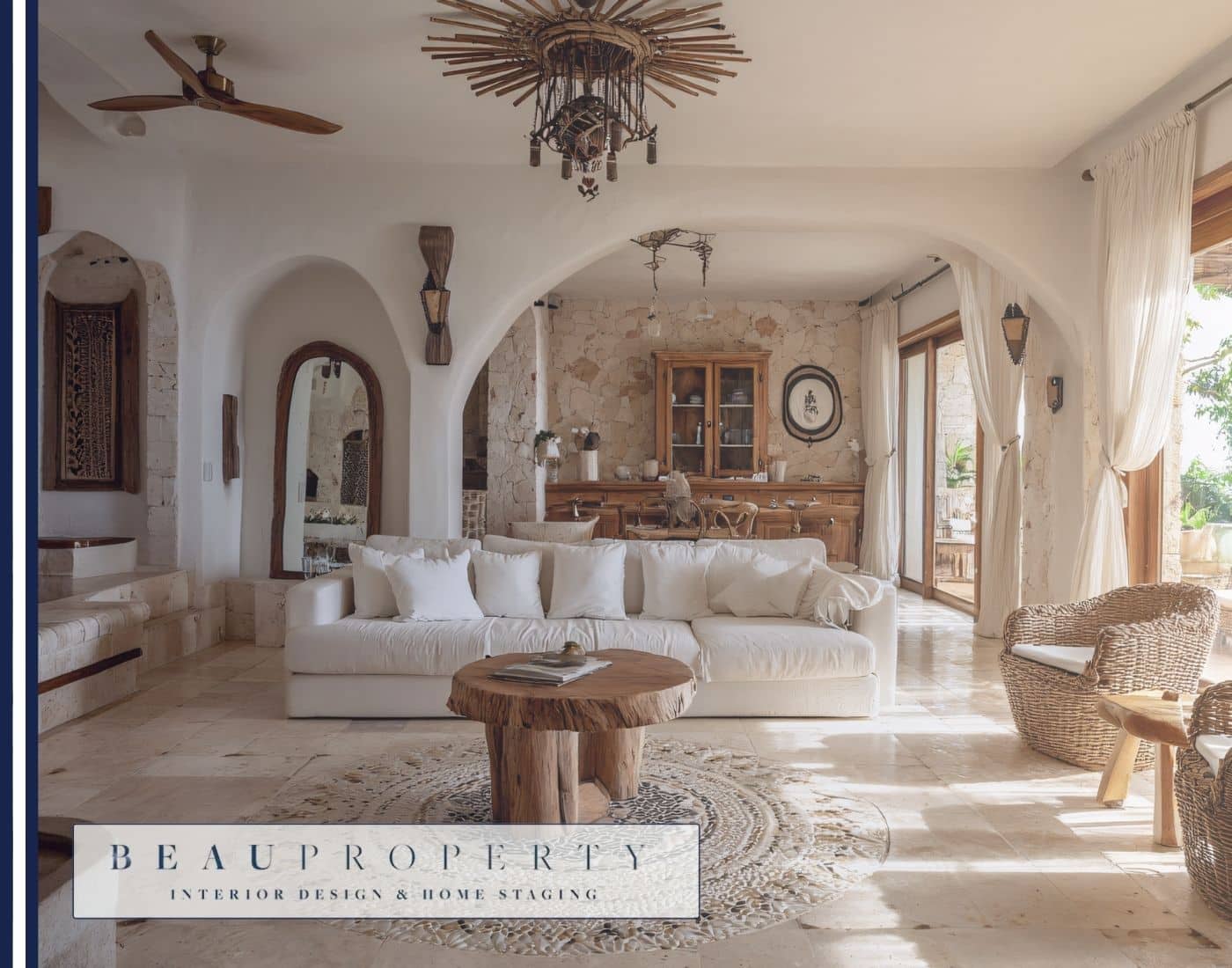
Traditional interior design is steeped in history, drawing inspiration from various periods and cultures to create spaces that evoke a sense of comfort and timelessness. This style typically features classic furnishings, rich textiles, and elaborate details, offering a warm and inviting atmosphere that many homeowners appreciate.
Key Characteristics of Traditional Design
Traditional design is characterised by its emphasis on symmetry and balance. Furniture arrangements are often mirrored, creating a harmonious flow throughout the space. Rich colour palettes typically feature warm tones, including deep reds, golds, and earthy browns, contributing to the overall inviting feel of traditional interiors.
Classic furnishings are a hallmark of this style, with pieces often made from solid wood and adorned with intricate carvings or embellishments. Textiles play a crucial role as well, with luxurious fabrics such as silk, velvet, and brocade often used for upholstery, curtains, and cushions. The use of patterns, such as florals and damasks, can add depth and visual interest to the overall design.
The Importance of Symmetry and Colour
In traditional design, the importance of symmetry cannot be overstated. Furniture pieces are typically arranged in pairs, and artwork is often displayed in matching frames to enhance the sense of balance in the room. This design approach fosters an environment that feels both sophisticated and welcoming.
Warm, inviting tones are prevalent in traditional colour palettes, often complemented by rich wood finishes and soft lighting. This creates a cohesive look that is both elegant and comfortable, making traditional interiors a popular choice for homeowners seeking a classic aesthetic.
Contemporary Interior Design
Contemporary interior design reflects current trends and ideas, prioritising clean lines, open spaces, and minimalistic aesthetics. This style is dynamic and ever-evolving, often incorporating innovative materials and technologies to enhance both form and function.
Characteristics of Contemporary Design
One of the defining features of contemporary design is its emphasis on simplicity. Furniture pieces are often sleek and streamlined, avoiding ornate detailing in favour of a more understated look. Open floor plans are common in contemporary homes, allowing for fluid movement between spaces and promoting a sense of spaciousness.
In contemporary interiors, light plays a crucial role in shaping the atmosphere of a room. Large windows and the use of glass elements allow natural light to flood the space, creating an airy and bright environment. Neutral colour palettes, punctuated by bold accent pieces, are a hallmark of contemporary design, offering homeowners the flexibility to personalise their spaces while maintaining a cohesive look.
Functionality Meets Innovation
Contemporary design not only prioritises aesthetics but also functionality. Multi-purpose furniture, such as sofa beds and extendable dining tables, is often incorporated to maximise space and enhance usability. This focus on innovative materials, such as metal, glass, and concrete, allows for a seamless blend of style and practicality, making contemporary interiors ideal for modern living.
Scandinavian Interior Design
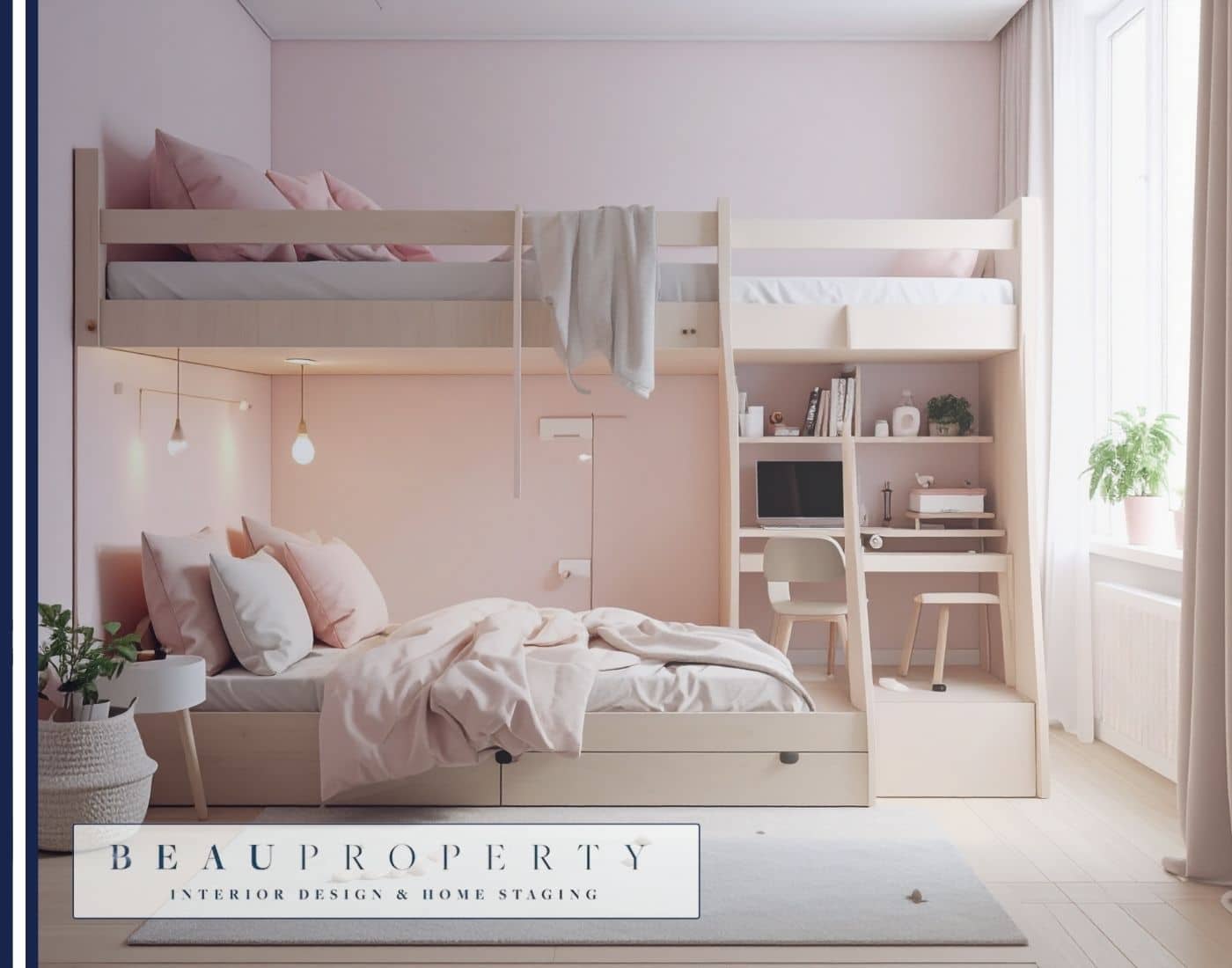
Scandinavian design is renowned for its emphasis on simplicity, functionality, and a deep connection to nature. Originating from the Nordic countries, this style has gained popularity worldwide for its ability to create warm and inviting spaces that foster a sense of well-being.
The Essence of Scandinavian Design
At the heart of Scandinavian design is a commitment to minimalism. Neutral colour palettes dominate, with whites, greys, and soft pastels creating a calm and serene backdrop. Natural materials, such as wood and wool, are frequently used to add warmth and texture, while an abundance of natural light enhances the overall atmosphere of the space.
Thoughtfully curated furniture and decor items are hallmarks of Scandinavian design. Pieces are often functional yet stylish, with an emphasis on clean lines and organic shapes. The use of plants and greenery is also common, bringing a touch of nature indoors and fostering a sense of tranquillity.
Creating Warmth and Comfort
Despite its minimalistic approach, Scandinavian design prioritises comfort and warmth. Layering textiles, such as throws and cushions, creates a cosy atmosphere that invites relaxation. This style often incorporates handmade and artisanal decor, adding a personal touch to living spaces and celebrating craftsmanship.
Industrial Interior Design
Industrial interior design draws inspiration from warehouses and factories, showcasing raw materials such as exposed brick, metal, and wood. This style embraces a utilitarian approach while incorporating elements of vintage charm, resulting in a unique balance between old and new.
Characteristics of Industrial Design
One of the defining features of industrial design is its use of raw materials. Exposed brick walls, metal beams, and reclaimed wood are common elements that contribute to the overall aesthetic. This style often features open spaces with high ceilings and large windows, creating an airy and spacious feel.
Industrial interiors typically incorporate a mix of vintage and modern furnishings, often focusing on functionality. Furniture pieces may feature metal frames and distressed finishes, adding to the overall rugged charm of the space. The use of bold statement pieces, such as oversized light fixtures or abstract artwork, can create focal points that enhance the industrial vibe.
The Significance of Open Spaces
Open floor plans are a hallmark of industrial design, promoting a sense of connectivity and fluidity between spaces. This design approach encourages creativity and experimentation, allowing homeowners to personalise their environments while maintaining a cohesive look. The combination of raw materials and open spaces creates an inviting atmosphere that resonates with those who appreciate a unique aesthetic.
Rustic Interior Design
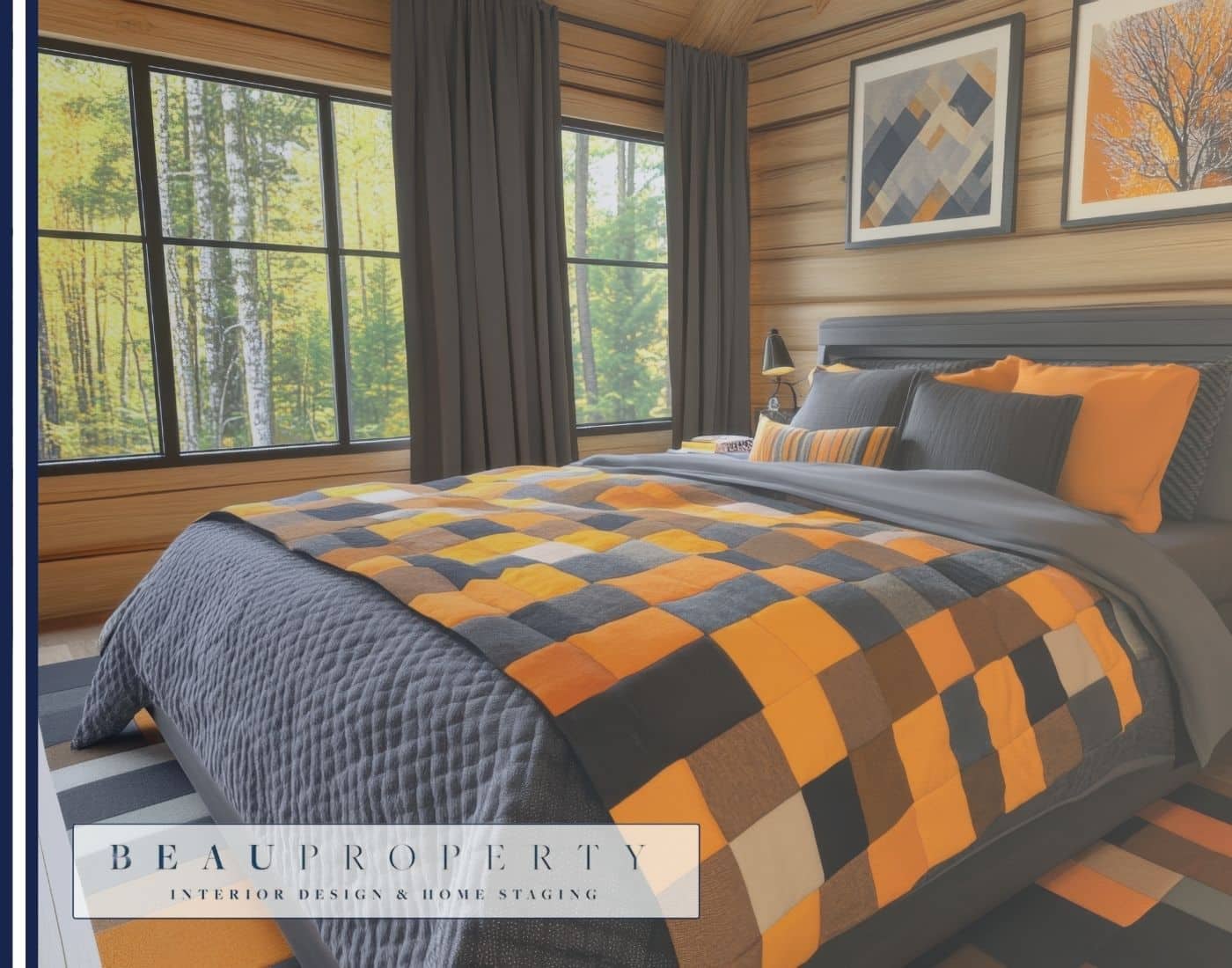
Rustic interior design is characterised by its emphasis on natural materials, earthy tones, and a deep connection to the outdoors. This style evokes a sense of warmth and comfort, making it a popular choice for homeowners seeking a cosy and inviting atmosphere.
Key Features of Rustic Design
At the core of rustic design is the use of reclaimed wood, stone, and handcrafted elements. These materials create a warm and organic feel, contributing to the overall charm of the space. Earthy colour palettes, featuring browns, greens, and rich tones, enhance the connection to nature and foster a sense of tranquillity.
Rustic interiors often incorporate traditional craftsmanship, showcasing artisanal decor that adds a personal touch to living spaces. Furniture pieces may feature distressed finishes, showcasing the beauty of imperfections and the passage of time. The use of natural textiles, such as wool and linen, further enhances the cosy atmosphere that rustic design is known for.
Connecting with Nature
Rustic design often blurs the lines between indoor and outdoor spaces, fostering a sense of connection with nature. Large windows and sliding glass doors allow natural light to flood the interiors, while outdoor elements, such as plants and natural decor, are frequently incorporated to create a seamless transition between spaces.
Bohemian Interior Design
Bohemian interior design is an eclectic and vibrant style that celebrates individuality and creativity. This approach encourages personal expression through a mix of patterns, colours, and textures, resulting in relaxed and inviting environments.
Characteristics of Bohemian Design
At the heart of bohemian design is a love for the unconventional. Homeowners are encouraged to mix and match various decor elements, creating a unique and personalised space that reflects their personalities. Layering textiles, such as rugs, cushions, and throws, adds depth and interest to the overall design.
Bohemian interiors often feature globally inspired decor, showcasing items collected from travels or passed down through generations. This style embraces a vibrant colour palette, combining bold hues with intricate patterns to create a lively atmosphere. Plants play a significant role in bohemian design, bringing life and energy into the space while enhancing the overall aesthetic.
The Importance of Personal Expression
Bohemian design encourages homeowners to express themselves fully, allowing for creativity and experimentation in every aspect of the decor. This style thrives on individuality, showcasing a mix of influences and styles that come together to create a harmonious and inviting environment.
Art Deco Interior Design
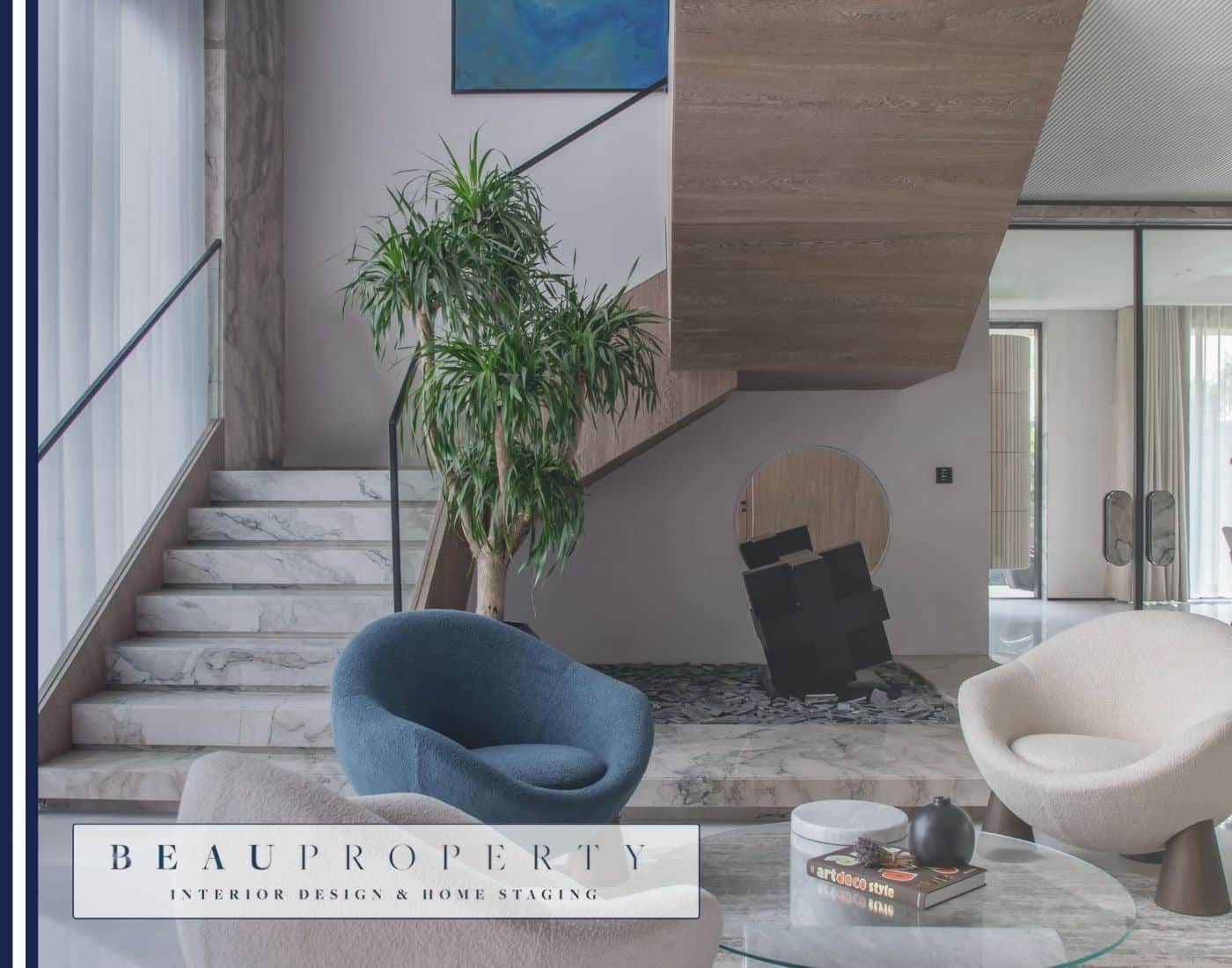
Art Deco design is a luxurious and glamorous style known for its bold geometric patterns and opulent materials. Originating in the 1920s and 1930s, this style reflects the exuberance of the era, incorporating rich colours, metallics, and intricate detailing.
Key Features of Art Deco Design
One of the defining characteristics of Art Deco design is its emphasis on symmetry and bold statement pieces. Geometric patterns are prevalent, often seen in wallpaper, textiles, and decorative elements. Luxurious materials, such as marble, brass, and glass, contribute to the overall opulence of the style.
Art Deco interiors often feature rich colour palettes, including deep blues, golds, and emerald greens. This combination creates a sense of grandeur and sophistication that is synonymous with the era. Ornate detailing and intricate craftsmanship are hallmarks of Art Deco design, showcasing the beauty of the materials and the skill of the artisans.
Embracing Exuberance
Art Deco design invites homeowners to embrace exuberance, allowing for bold choices and statement pieces that enhance the overall aesthetic. This style encourages creativity and self-expression, making it ideal for those who appreciate a touch of glamour in their living spaces.
Mid-Century Modern Interior Design
Mid-century modern design is celebrated for its clean lines, organic shapes, and seamless integration with nature. This style emerged in the mid-20th century and continues to influence contemporary design with its timeless appeal.
Characteristics of Mid-Century Modern Design
At the core of mid-century modern design is a focus on functionality and simplicity. Furniture pieces often feature clean lines and organic shapes, with an emphasis on form and function. Vibrant colours, such as mustard yellow, teal, and orange, are commonly used to create eye-catching accents in the space.
This design style prioritises open spaces and a connection to the outdoors, often incorporating large windows and sliding doors that invite natural light and views of the surrounding environment. The use of natural materials, such as wood and leather, adds warmth and texture to mid-century modern interiors.
Fostering Harmony with Nature
Mid-century modern design encourages a harmonious relationship between indoor and outdoor spaces. The incorporation of plants and greenery enhances the overall atmosphere, fostering a sense of tranquillity and connection to nature. This style is ideal for homeowners seeking a balance between aesthetics and functionality in their living environments.
Eclectic Interior Design
Eclectic interior design celebrates the art of mixing and matching, combining elements from various styles to create personalised and unique spaces. This approach encourages creativity and experimentation, allowing homeowners to express their individuality through their decor.
Characteristics of Eclectic Design
At the heart of eclectic design is the idea that there are no strict rules. Homeowners are encouraged to mix different styles, colours, and patterns to create a space that reflects their personalities and tastes. This approach often results in vibrant and visually stimulating environments.
Finding balance is crucial in eclectic interiors. Despite the diverse influences, a cohesive look can be achieved by incorporating a unifying element, such as a consistent colour palette or similar materials. This ensures that the space feels harmonious and well-curated, rather than chaotic.
Encouraging Creativity
Eclectic design is a celebration of creativity, inviting homeowners to explore their style and experiment with various decor elements. This approach allows for personal expression and the discovery of unique combinations that resonate with individual preferences, making each space truly one-of-a-kind.
Conclusion
Understanding the diverse range of interior design styles is essential for homeowners looking to create spaces that reflect their tastes and lifestyles. From traditional elegance to contemporary minimalism, rustic charm to bohemian vibrancy, each style offers unique characteristics and elements that can enhance the overall aesthetic of a home.
As you explore the various interior design styles discussed in this blog, consider how each approach can influence the mood and functionality of your living spaces. The possibilities are endless, and embracing the style that resonates with you can lead to a beautifully curated environment that feels like home. Whether you prefer the classic comfort of traditional design or the bold statements of Art Deco, there is a style out there waiting to inspire your next decorating ideas. Start your journey of exploration today, and let your living spaces reflect the essence of who you are.