Introduction
In today’s competitive real estate market, first impressions are everything. Capturing potential buyers’ attention right away can significantly impact a property’s sale price and time on the market. This is where effective home staging comes into play, transforming spaces to enhance their appeal. Interior design trends for home staging are crucial in creating environments that resonate with buyers, offering them a glimpse of their future lifestyle within the home.
This blog explores the top 10 interior design trends shaping home staging today. By understanding and implementing these trends, homeowners, real estate agents, and design enthusiasts can elevate their property presentations, making them more inviting and marketable. From calming neutral colour palettes to sustainable design choices that reflect conscientious living, these trends are not only aesthetically pleasing but also strategically impactful.
1. Neutral Colour Palettes
Creating a Blank Canvas
Neutral colour palettes remain a popular trend in home staging, providing a versatile backdrop that appeals to a wide range of buyers. Shades of beige, grey, white, and taupe create a blank canvas, allowing potential buyers to envision their own style within the space. This concept is rooted in the psychological effects of colour, as neutral tones evoke a sense of calm and spaciousness, making rooms feel larger and more inviting.
Enhancing Light and Space
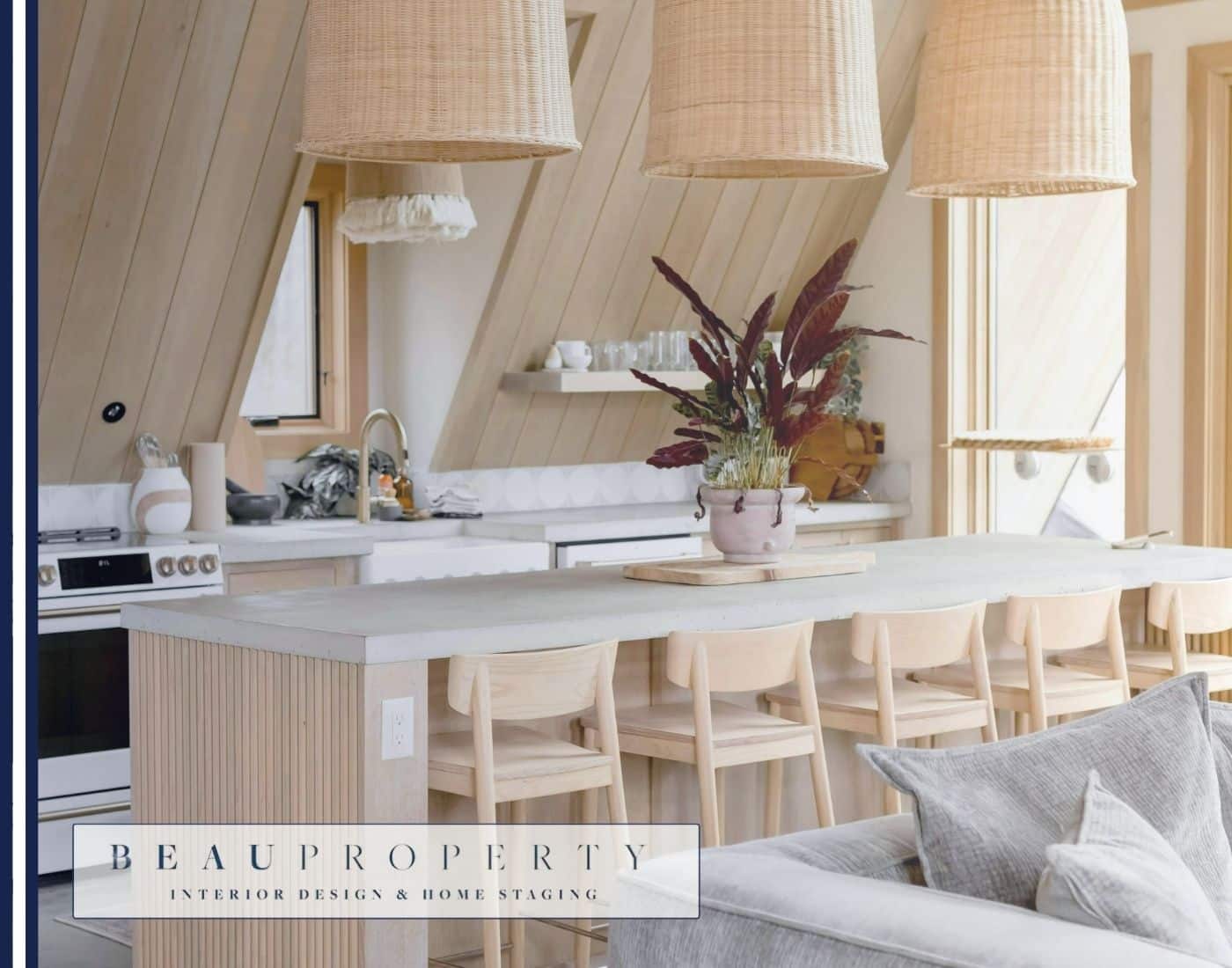
Using neutral colours can significantly enhance natural light, which is essential in home staging. Bright, airy spaces are more appealing than darker, cluttered rooms. For instance, painting walls in a soft off-white can reflect light, making smaller rooms feel more expansive. Incorporating subtle accents—such as light wood furniture or pastel-coloured accessories—can add warmth and depth to a neutral setting, ensuring spaces feel inviting yet sophisticated.
Practical Application
When staging a home, consider using a neutral base for walls and larger furnishings. Then, introduce colourful elements through accessories like cushions, artwork, and plants. This approach not only highlights the room’s features but also allows potential buyers to imagine how their belongings would fit into the space.
2. Sustainable and Eco-Friendly Design
The Rise of Eco-Conscious Choices
As environmental awareness grows, so does the trend for sustainable and eco-friendly design in home staging. Buyers are increasingly drawn to properties that reflect responsible living. This shift is not just a passing trend; it represents a fundamental change in consumer preferences.
Materials and Practices
Using reclaimed wood, recycled materials, and sustainable textiles in home staging can enhance a property’s appeal. For example, staging with reclaimed wooden furniture adds character and tells a story of sustainability. Energy-efficient lighting and appliances can also be highlighted during viewings, showcasing the property’s commitment to eco-friendly practices.
Benefits to Sellers
Staging with sustainability in mind can resonate positively with environmentally conscious buyers, potentially leading to quicker sales and higher prices. Buyers are often willing to pay a premium for homes that reflect their values, making eco-friendly staging a smart investment.
3. Multi-Functional Spaces
The Demand for Versatility
Today’s buyers are looking for homes that offer flexibility and adaptability. With more people working from home and seeking versatile living arrangements, properties that can serve multiple functions are particularly attractive. Multi-functional spaces can act as home offices, guest rooms, or play areas, making them appealing to families and professionals alike.
Design Strategies
To effectively showcase the potential of multi-functional spaces, it’s essential to employ thoughtful furniture arrangements and decor choices. For example, a spare room can be staged with a stylish desk and chair, along with a fold-out sofa bed, illustrating its potential as both a home office and a guest room.
Highlighting Functionality
When staging, consider using furniture that serves dual purposes, such as ottomans with storage or coffee tables that can extend into dining tables. This not only maximises space but also demonstrates the practicality of the home to prospective buyers.
4. Textured Fabrics and Layering
The Power of Texture
Incorporating various textures is crucial for creating visually inviting environments in home staging. Layering fabrics—such as combining different textiles in cushions, throws, and curtains—can add dimension and warmth to a staged home.
Creating Cohesion
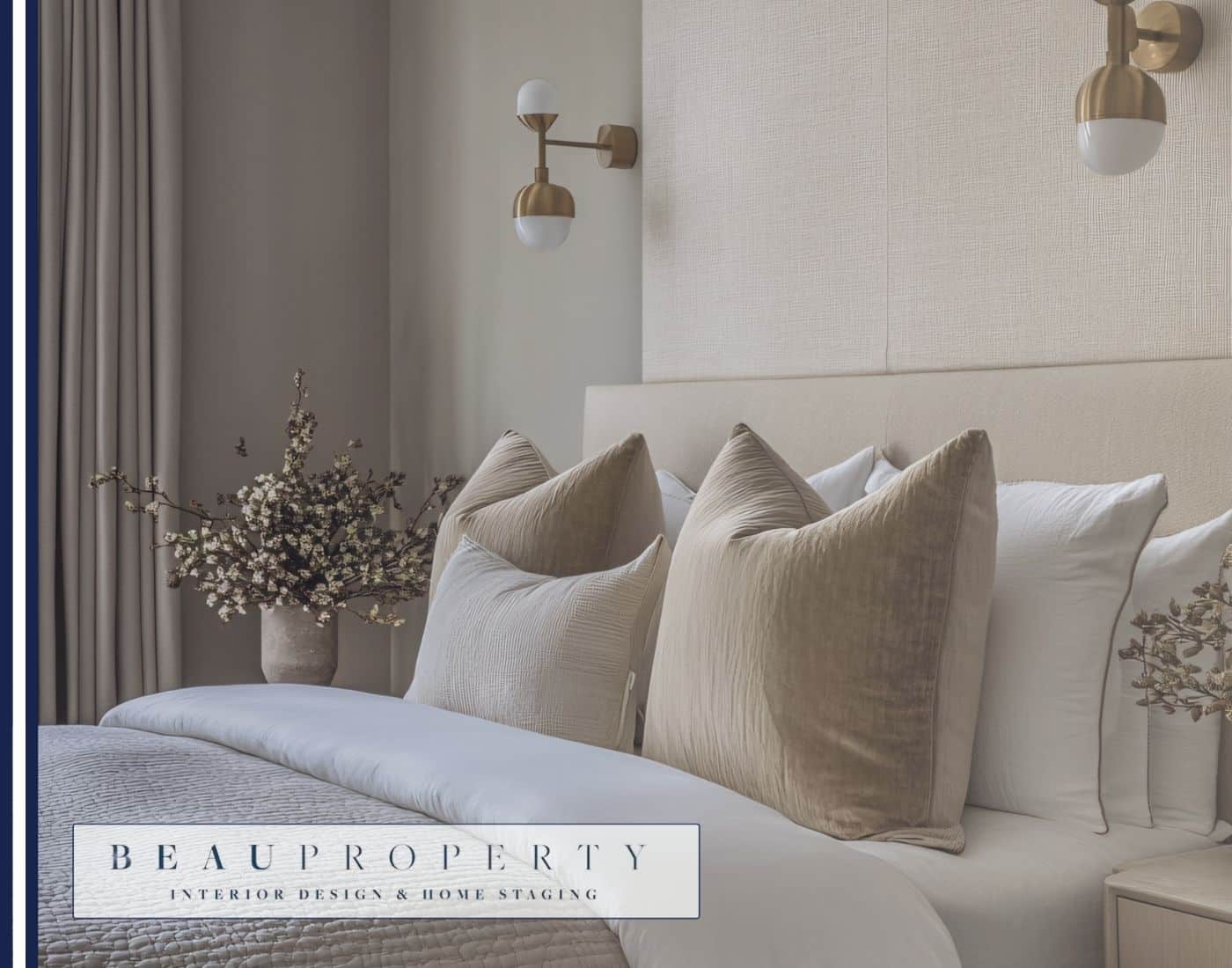
Balancing different textures is vital to ensure the space feels cohesive and harmonious. For instance, pairing a soft velvet sofa with cotton or linen throws can create a comfortable and luxurious atmosphere. Additionally, incorporating natural textures like jute rugs or wooden accents can enhance the sensory experience, making potential buyers feel more at home.
Practical Layering Techniques
When staging, aim to layer textures in key areas like the living room and bedrooms. Use a mix of cushions in different fabrics, varying patterns, and complementary colours to create visual interest. This approach not only enhances the aesthetic appeal but also invites prospective buyers to envision themselves living in the space.
5. Statement Lighting Fixtures
The Impact of Illumination
Lighting is crucial in home staging, with statement fixtures serving as focal points that elevate the overall aesthetic of a property. Unique and stylish lighting options draw attention to key areas, enhancing mood and character.
Types of Lighting Fixtures
From chandeliers to pendant lights and floor lamps, there is a wide array of lighting styles available. For example, a bold chandelier can serve as a stunning centrepiece in a dining room, while elegant pendant lights can define a kitchen island. When staging, choose lighting that complements the overall design style of the home, ensuring a cohesive look.
Strategically Placing Lighting
To maximise the impact of lighting fixtures, consider their placement carefully. Ensure that they are positioned to highlight key features of the home, such as architectural details or artwork. This not only enhances the visual appeal but also creates a warm and inviting atmosphere that resonates with potential buyers.
6. Indoor Plants and Biophilic Design
Bringing Nature Indoors
The trend of biophilic design incorporates natural elements into interior spaces, fostering a connection with nature. Indoor plants play a significant role in this trend, adding vibrancy and life to staged homes. Not only do plants improve air quality, but they also create a sense of tranquillity, which can be particularly appealing to buyers.
Choosing the Right Plants
When selecting indoor plants for staging, consider low-maintenance options that thrive indoors, such as snake plants, pothos, or peace lilies. These plants can be placed strategically throughout the home—on windowsills, in corners, or as centrepieces on dining tables—to enhance the overall appeal of the space.
Enhancing Visual Appeal
In addition to their aesthetic benefits, plants can help soften harsh lines and add colour to neutral palettes. When staging, aim to incorporate greenery in every room to create a cohesive and inviting atmosphere. The presence of plants can evoke feelings of comfort and homeliness, making potential buyers more inclined to envision themselves in the space.
7. Open Spaces and Minimalism
The Appeal of Simplicity
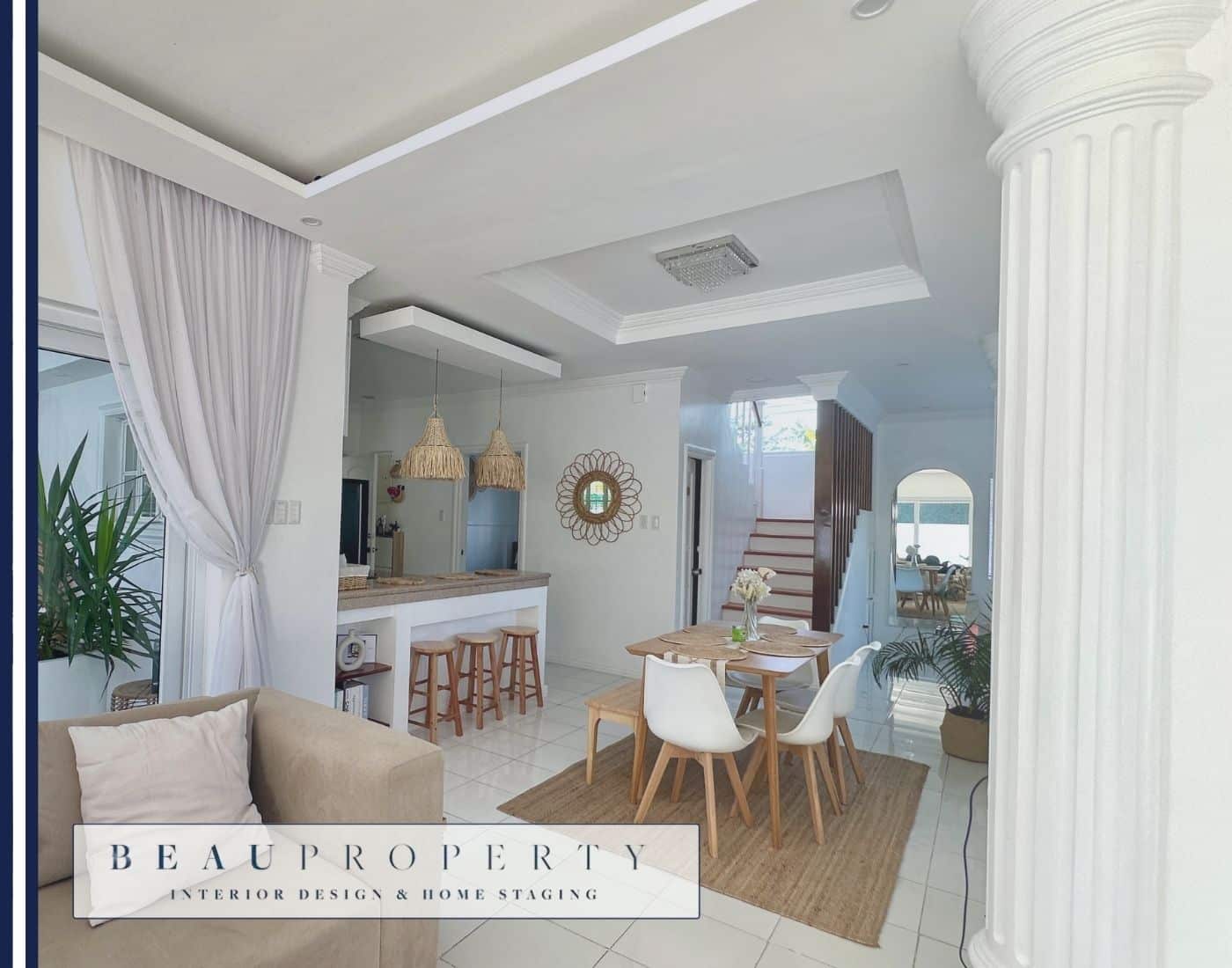
Open spaces and minimalist design are increasingly popular in home staging, as they create an uncluttered and serene environment. By decluttering and simplifying decor, properties can appear more spacious and inviting, appealing to potential buyers who value calm and order.
Principles of Minimalism
Minimalism focuses on functionality and clarity of design, emphasising the importance of each element within a space. When staging, consider removing excess furniture and decor, opting for a few well-placed pieces that enhance the room’s features without overwhelming them.
Practical Staging Tips
To achieve a minimalist look, start by decluttering surfaces and keeping only essential items. Choose a neutral colour palette and select furnishings that complement the space’s architecture. This approach not only enhances the perception of space but also allows potential buyers to envision their own style within the home.
8. Custom Furniture and Artisanal Touches
The Trend for Uniqueness
Using custom furniture and artisanal pieces in home staging can create unique and memorable spaces that stand out in a crowded market. Bespoke items add character and charm, setting a property apart from others.
Selecting High-Quality Pieces
When incorporating custom furniture, focus on high-quality, locally sourced items that resonate with buyers. For example, a handcrafted dining table can serve as a conversation starter and highlight the property’s individuality. Artisanal touches can also extend to decor items, such as handwoven baskets or original artwork, adding layers of interest to the staging.
Enhancing Buyer Connection
The presence of custom and artisanal pieces can foster a deeper connection with potential buyers, who may appreciate the craftsmanship and story behind each item. When staging, ensure that these unique pieces are well-placed and complement the overall design of the home.
9. Smart Home Technology
The Integration of Technology
The integration of smart home technology is becoming increasingly important in home staging. Features such as automated lighting, smart thermostats, and security systems can appeal to tech-savvy buyers, enhancing the property’s modern appeal.
Highlighting Technological Features
When staging a home, it’s essential to showcase these technological advancements during viewings. For instance, ensure that smart lighting systems are set to create an inviting atmosphere or demonstrate how a smart thermostat can optimise comfort and energy efficiency.
Benefits of Smart Features
Highlighting smart home technology not only appeals to buyers’ desire for convenience but also reflects the property’s modernity and relevance. Properties equipped with these features are often perceived as more valuable and may attract higher offers.
10. Outdoor Living Spaces
The Importance of Outdoor Areas
The emphasis on outdoor living spaces in home staging is on the rise, as buyers increasingly seek properties that offer additional usable square footage. Well-designed outdoor areas—such as patios, balconies, and gardens—can create an appealing lifestyle that resonates with potential buyers.
Staging Outdoor Spaces
When staging outdoor areas, focus on creating comfortable and inviting settings. Use stylish outdoor furniture, such as lounge chairs or dining sets, to encourage relaxation and enjoyment of the outdoors. Incorporating decorative elements like planters, outdoor rugs, and lighting can further enhance the atmosphere.
Extending Usable Space
By effectively staging outdoor living spaces, you can demonstrate the property’s full potential, making it more appealing to buyers. A well-designed outdoor area can serve as an extension of the home, promoting a lifestyle that many buyers aspire to.
Conclusion
Staying attuned to the latest interior design trends for home staging is essential for homeowners, real estate agents, and design enthusiasts alike. By incorporating these trends—ranging from neutral colour palettes and sustainable choices to multi-functional spaces and smart technology—sellers can significantly enhance their property appeal. Thoughtful design choices create inviting atmospheres that resonate with potential buyers, ultimately leading to quicker sales and higher prices.
As you prepare your home for sale, consider these interior design trends to ensure your property stands out in a competitive market. Investing in professional staging and keeping current with design trends can have a lasting impact on your success in the real estate arena. Start planning your staging strategy today and watch as these trends transform your property into a buyer’s dream.