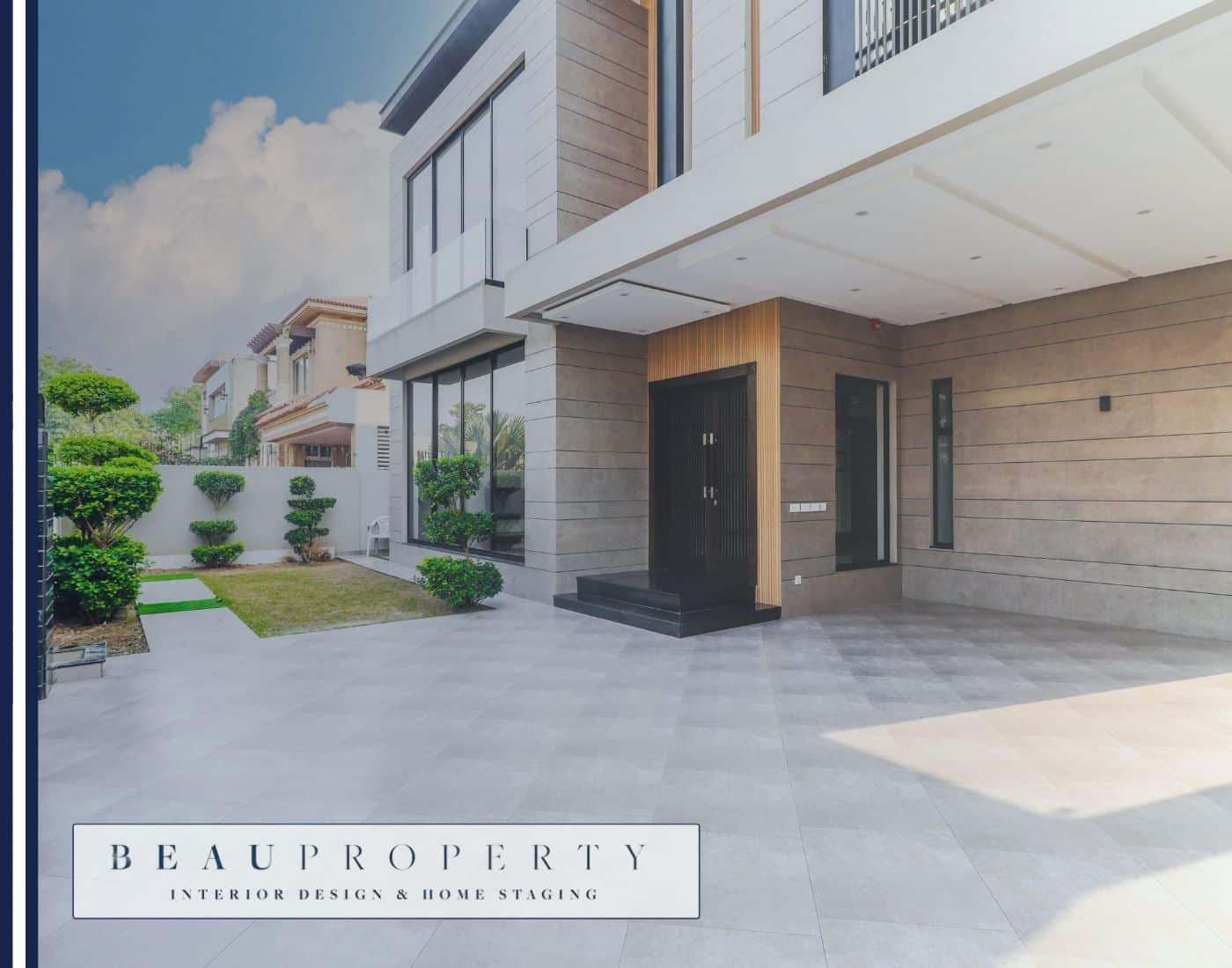
The competition in the real estate market is fierce. For sellers, creating a lasting first impression is crucial. Staging new builds effectively can significantly impact attracting buyers. First impressions play a critical role in influencing potential buyers’ decisions, and the way a property is presented can either enhance or diminish its appeal. This blog will explore essential strategies for staging new builds, focusing on how to highlight a property’s strengths while minimising its weaknesses. By understanding buyer preferences and utilising effective staging techniques, sellers can increase their chances of a successful sale.
The Importance of Staging New Builds
Staging new builds goes beyond decoration; it involves a strategic approach aimed at showcasing a property’s unique features while creating an inviting atmosphere. In a saturated market, effective staging can differentiate a property, enhancing its perceived value and appeal.
Creating an Inviting Atmosphere
The primary aim of staging is to create an environment that allows buyers to envision themselves living in the space. A well-staged new build helps potential buyers feel at home, evoking emotions and creating connections. Here are several key aspects of staging that contribute to this inviting atmosphere:
Highlighting Space and Functionality
A staged home should highlight its layout and functionality. This involves arranging furniture to demonstrate how spaces can be utilised effectively. For instance, showcasing an open-plan living area with designated dining and relaxation spaces helps buyers understand how they might use the area.
Neutral Colour Palettes
Opting for neutral colours broadens appeal and allows buyers to imagine their décor within the space. Shades of beige, grey, or soft pastels create a calming backdrop that enhances the overall aesthetic without overpowering it.
Natural Light
Natural light is a significant selling point for new builds. Staging should emphasise this feature by using light curtains and strategically placed mirrors to reflect light. Ensuring that windows are clean and unobstructed can further enhance the brightness of a room.
Decluttering and Depersonalising
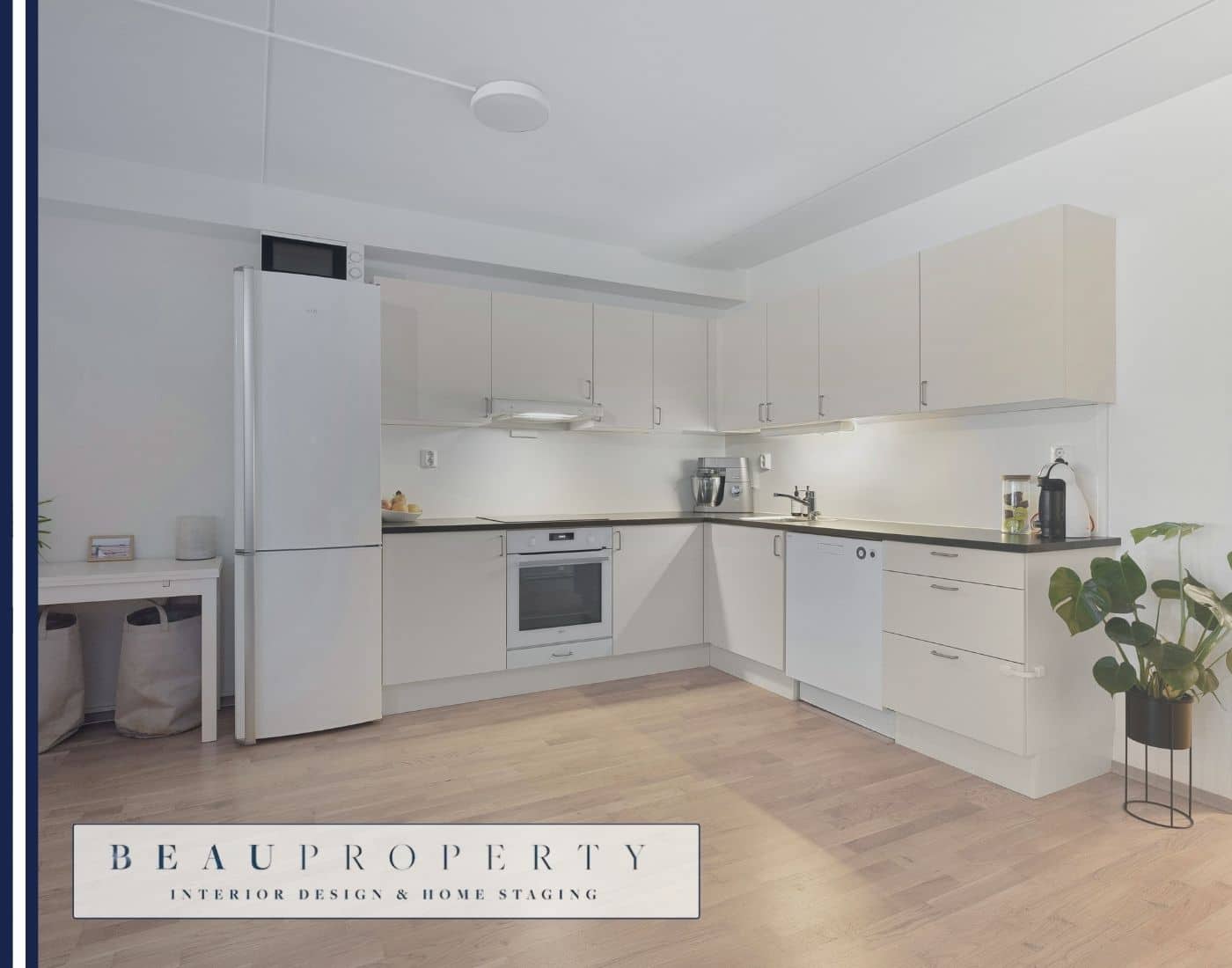
A cluttered space can deter potential buyers. Staging involves removing personal items, excessive furniture, and clutter to create a clean and spacious environment. This allows buyers to envision their lives within the home without distractions.
Functional Layouts
A well-thought-out layout is crucial in new builds. Staging should demonstrate how different areas can flow together, making the space feel larger and more functional. For example, arranging furniture to promote conversation can encourage a sense of community, which is often appealing to buyers.
By understanding the importance of staging new builds, sellers can strategically position their properties in the market, making them more attractive to potential buyers.

Understanding Buyer Preferences
To stage new builds effectively, it is essential to have a deep understanding of buyer preferences. Buyers often have specific desires regarding space, layout, and design aesthetics. Recognising these trends can significantly influence the staging process.
Key Considerations in Buyer Preferences
- Open Spaces: Many buyers prefer open-plan layouts that promote a sense of spaciousness. Staging should highlight these areas, ensuring they appear inviting and functional.
- Functional Spaces: Buyers are increasingly looking for homes that can adapt to their lifestyles, whether that means a home office, gym, or play area. Staging should showcase the versatility of spaces, demonstrating how they can serve multiple purposes.
- Aesthetic Appeal: Design aesthetics play a crucial role in attracting buyers. Trends such as minimalism and biophilic design—incorporating natural elements—are becoming more popular. Staging should reflect these trends to resonate with potential buyers.
- Quality Finishes: High-quality finishes can significantly enhance a property’s appeal. Staging should focus on showcasing these features, such as high-end kitchen appliances, luxurious bathroom fittings, and stylish flooring.
- Outdoor Spaces: With an increasing emphasis on outdoor living, staging should highlight gardens, balconies, and patios. These areas can add significant value to a new build and should be presented as extensions of the living space.
By aligning the staging process with buyer preferences, sellers can create an environment that resonates with potential buyers, making the property more appealing.
Creating an Inviting Atmosphere
Creating an inviting atmosphere is crucial for staging new builds effectively. A warm and welcoming environment can significantly influence a buyer’s perception of a property.
Elements of an Inviting Atmosphere
- Natural Light: Maximising natural light is essential for creating a cheerful environment. Ensure that windows are clean, and curtains are light and airy to allow maximum light penetration. This brightens the space and creates a sense of openness.
- Furniture Arrangement: Thoughtful furniture arrangement can enhance the flow of a space. For example, positioning sofas and chairs to encourage conversation can make a living room feel more inviting. Consider the scale of furniture; oversized pieces can make a room feel cramped, while appropriately sized furniture can open up the space.
- Warm Colour Schemes: Using warm colours in staging can create a more inviting atmosphere. Incorporate soft furnishings, such as cushions and throws, in warm tones to add comfort and warmth to the space.
- Personal Touches: While depersonalising is essential, adding subtle touches can create a homely feel. Consider including tasteful artwork, fresh flowers, or well-placed books to evoke warmth and liveliness.
- Decluttering: A clutter-free space is vital in creating an inviting atmosphere. Remove unnecessary items from surfaces and ensure that all spaces are tidy. This enhances visual appeal and allows potential buyers to envision their belongings in the home.
The combination of these elements can create an inviting atmosphere that resonates with potential buyers, making them more likely to feel at home in the property.
Highlighting Key Features
When staging new builds, it is essential to emphasise the property’s unique features. This enhances overall appeal and helps buyers understand the value of what they are purchasing.
Techniques for Highlighting Features
- Architectural Elements: Draw attention to unique architectural features such as high ceilings, large windows, and open-plan designs. Use furniture or decor that complements these elements and makes them stand out.
- Outdoor Spaces: If the property has a garden, balcony, or patio, these areas should be staged to showcase their potential. Use outdoor furniture and decor to create inviting spaces for relaxation and entertainment.
- Functional Areas: Highlight functional spaces such as home offices or utility rooms by staging them in a way that shows their purpose. For instance, a home office can be staged with a desk, stylish storage solutions, and adequate lighting to demonstrate its potential.
- Photographic Presentation: After staging, professional photography is crucial to capturing the essence of the home. High-quality images can showcase the property in its best light, attracting more potential buyers. Ensure that photographs effectively highlight the staged areas and unique features.
- Showcasing Energy Efficiency: Many buyers are interested in energy-efficient homes. If the new build includes energy-efficient appliances or features, these should be highlighted during the staging process. Consider creating informational materials that showcase these advantages.
By focusing on key features during the staging process, sellers can enhance the perceived value of the property and attract more interest from potential buyers.
Seasonal Considerations in Staging
The time of year can significantly influence buyer preferences and the overall staging approach. Different seasons present unique opportunities and challenges that can be leveraged to enhance the attractiveness of new builds.
Adapting Staging for the Seasons
- Spring and Summer: These seasons are ideal for showcasing outdoor spaces. Use outdoor furniture and decor to create inviting patio or garden areas. Fresh flowers and bright colours can create a vibrant atmosphere that resonates with buyers looking for a home to enjoy during warmer months.
- Autumn: As the weather begins to cool, staging should focus on creating a warm and cosy atmosphere. Incorporate warm colour schemes, soft furnishings, and subtle seasonal decor to evoke comfort.
- Winter: During the winter months, it is crucial to create a sense of warmth and coziness. Use warm lighting, throw blankets, and hot beverage stations to enhance the appeal. Ensure that pathways and access points are clear and safe for viewings, especially in areas that may experience snow or ice.
- Seasonal Decor: Incorporating seasonal decor can enhance the atmosphere without overwhelming the space. Simple touches, such as seasonal flowers or tasteful decorations, can create a welcoming environment.
- Flexible Staging: Consider offering flexible staging options that can be adapted for different seasons. This could include swapping out decor or furniture arrangements to align with seasonal themes and buyer preferences.
By adapting staging techniques to reflect seasonal changes, sellers can create a relevant atmosphere that resonates with buyers, ultimately enhancing their experience during viewings.
Utilising Technology in Staging
In today’s digital age, technology plays a critical role in staging practices. Leveraging modern technology can enhance the presentation of new builds and attract a tech-savvy audience.
Benefits of Technology in Staging
- Virtual Staging: Virtual staging is a cost-effective solution that allows sellers to showcase new builds without the need for physical staging. This technique uses digital tools to insert furniture and decor into photographs of empty spaces, providing potential buyers with a visual representation of how the home can look.
- Augmented Reality: Augmented reality (AR) allows potential buyers to visualise spaces through their devices. By using AR apps, buyers can see how furniture would fit in a room or how different colour schemes would look, providing an interactive experience that enhances engagement.
- 3D Walkthroughs: 3D walkthroughs allow potential buyers to explore a property virtually. This technology provides an immersive experience, enabling buyers to navigate through the home at their own pace. This approach can be particularly beneficial for remote buyers or those unable to attend in-person viewings.
- High-Quality Photography and Videography: Professional photography and videography are essential for showcasing new builds effectively. High-quality images and video tours can capture the essence of the home, highlighting its features and creating a compelling presentation for online listings.
- Social Media Marketing: Utilising social media platforms for marketing staged new builds can enhance visibility. Sharing virtual tours, high-quality images, and engaging content can attract a wider audience and generate interest in the property.
By integrating technology into the staging process, sellers can enhance the overall presentation of new builds and effectively reach potential buyers.
Collaborating with Professionals
Staging new builds can be a complex process, and collaborating with professionals can provide significant advantages. Engaging interior designers and staging experts can elevate the quality of staging and ensure that properties are presented in the best possible light.
Advantages of Professional Collaboration
- Expertise in Design: Professional stagers and interior designers possess the expertise to create appealing and functional spaces. Their knowledge of design trends and buyer preferences can help ensure that the staging aligns with market demands.
- Cohesive Marketing Approach: Collaboration between builders, real estate agents, and staging professionals fosters a cohesive marketing approach. This ensures that all parties are aligned in their vision for the property, enhancing the overall presentation.
- Access to Resources: Professionals often have access to resources, such as furnishings and decor, that may not be available to individual sellers. This can result in a more polished and appealing presentation.
- Time-Saving: Staging can be time-consuming, and working with professionals can save sellers valuable time. This allows sellers to focus on other aspects of the selling process while ensuring that the property is staged effectively.
- Enhanced Buyer Appeal: Ultimately, collaboration with professionals can enhance the appeal of new builds, leading to quicker sales and potentially higher offers. Their expertise can make a significant difference in how a property is perceived in the market.
By recognising the value of professional collaboration, sellers can elevate their staging efforts and increase the chances of attracting buyers.

Conclusion
Staging new builds is an essential strategy for attracting buyers in a competitive real estate market. By creating inviting atmospheres, understanding buyer preferences, and highlighting key features, sellers can enhance the visual appeal of their properties and create emotional connections with potential buyers. Incorporating seasonal considerations, utilising technology, and collaborating with professionals further strengthens staging efforts. As the market continues to evolve, recognising the value of effective staging and its impact on the selling process is crucial. For sellers, embracing these strategies can make all the difference in achieving a successful sale.