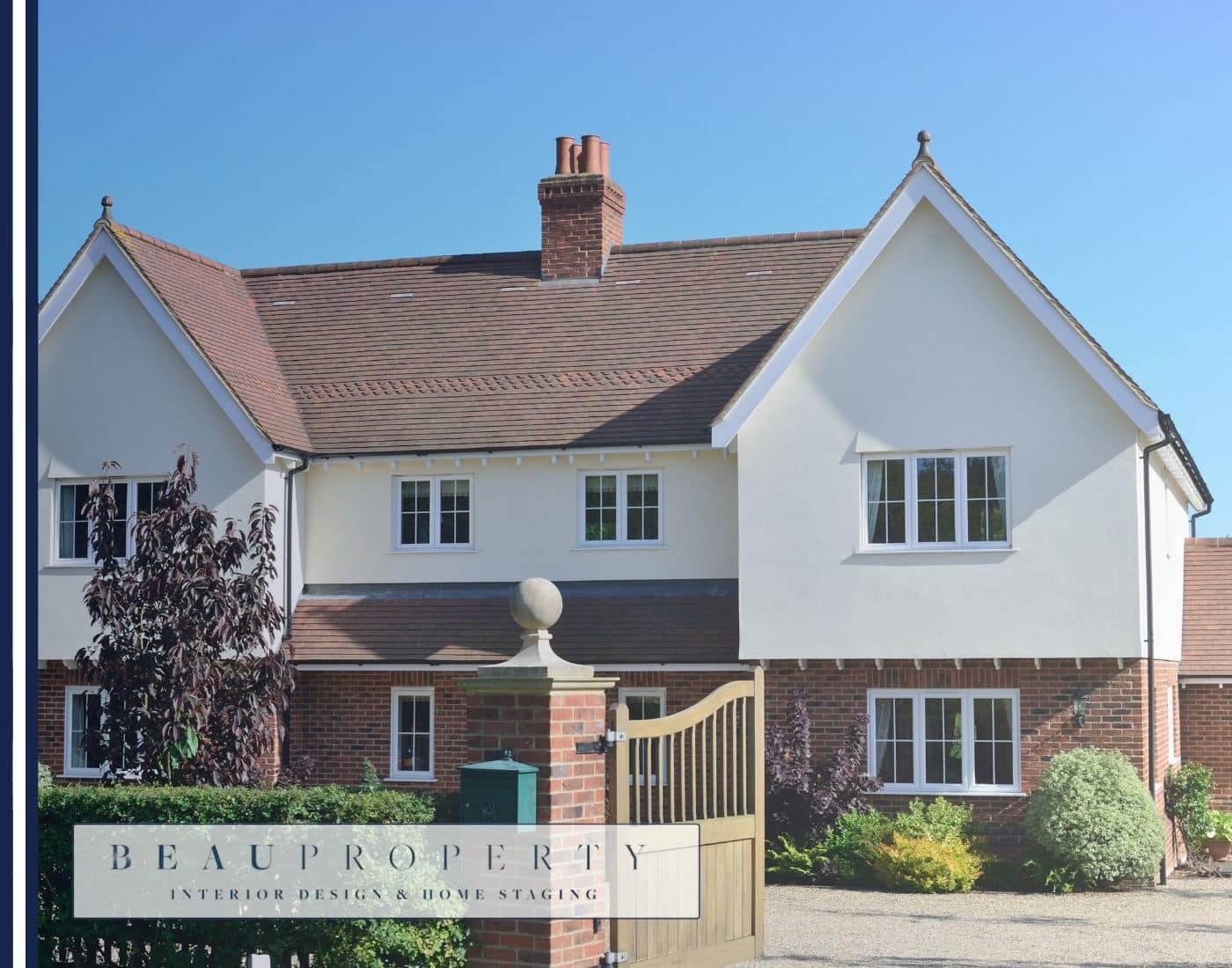
In today’s competitive real estate market, the importance of staging large properties cannot be overstated. Staging is no longer merely a recommendation; it is a necessity for effectively selling expansive homes or luxury estates. When potential buyers step into a property, they need to envision themselves living in that space. This requires an expert blend of design, psychology, and marketing strategies. In this comprehensive guide, we will explore the critical techniques for successfully staging large properties, ensuring they captivate potential buyers and facilitate high-value transactions.
Why Staging Large Properties Is Different
Unique Challenges of Large Property Staging
Staging large properties presents distinct challenges that differ significantly from staging smaller homes. The sheer scale of these spaces often requires a more thoughtful approach to ensure they feel inviting and functional rather than overwhelming or empty.
Scale and Proportion
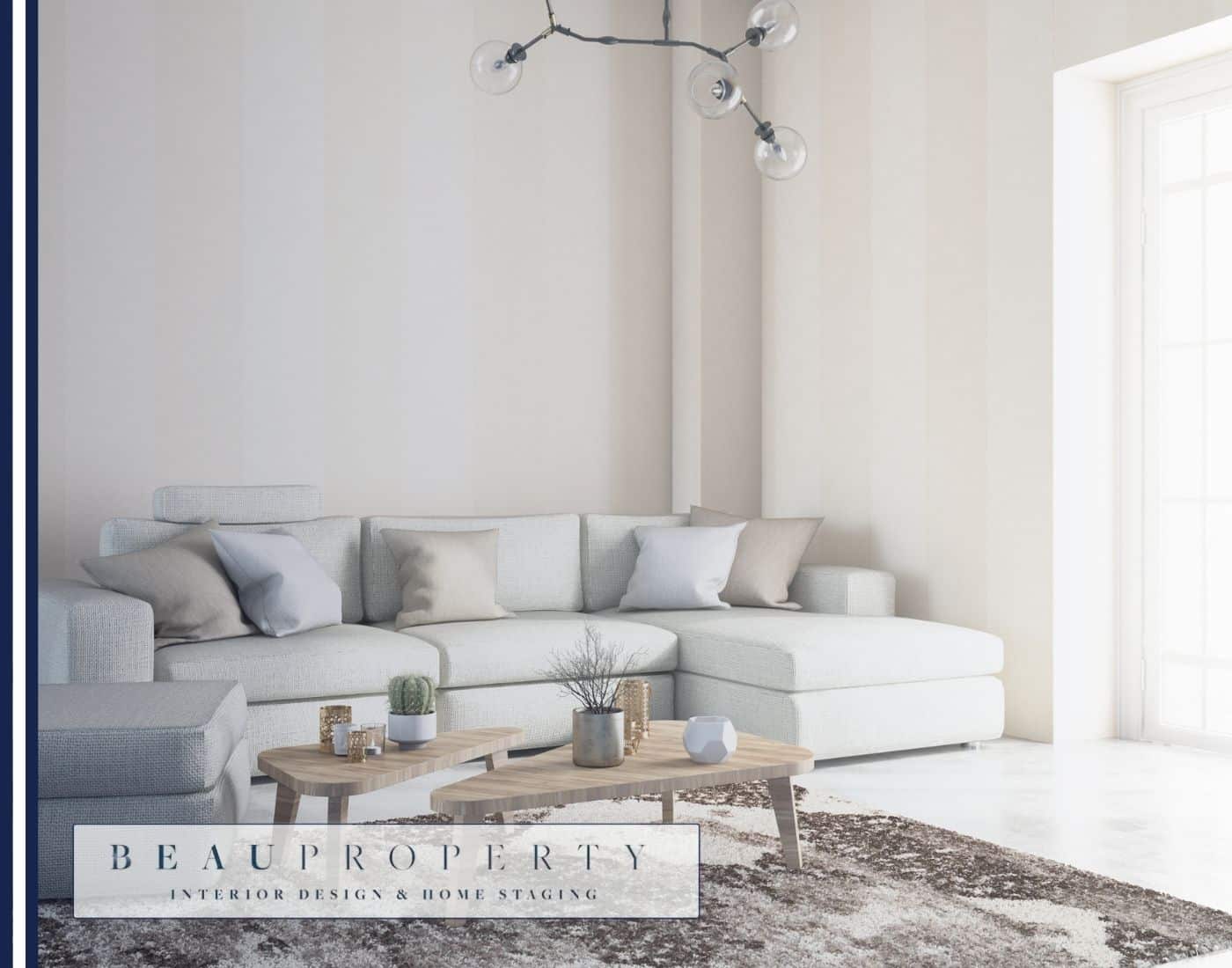
One of the primary challenges in staging large properties is addressing scale and proportion. Large homes can easily appear cavernous, leading to a feeling of emptiness that detracts from the property’s appeal. To combat this, strategic furniture placement is essential. By using appropriately sized furnishings, stagers can create a cohesive look that maintains warmth and intimacy. For instance, oversized sectional sofas may be ideal for large living areas, while smaller pieces scattered throughout can help fill empty corners without overcrowding the space.
Buyer Expectations
Buyers of high-end properties come with specific lifestyle expectations. They anticipate luxury, comfort, and sophistication in every aspect of the home. Staging must reflect these expectations to resonate with potential buyers. This means that every detail, from the choice of decor to the arrangement of furniture, must align with the high standards expected in luxury homes. For example, incorporating high-quality fabrics and finishes can elevate the overall aesthetic and convey a sense of opulence.
Emotional Connection
Creating an emotional connection is perhaps the most crucial aspect of staging a large property. Buyers are more likely to make offers when they can envision themselves living in the space. This requires thoughtful consideration of the design elements that evoke comfort and belonging. Staging should tell a story that allows potential buyers to imagine a lifestyle within the home, whether it be hosting lavish dinner parties or enjoying quiet evenings by the fireplace.
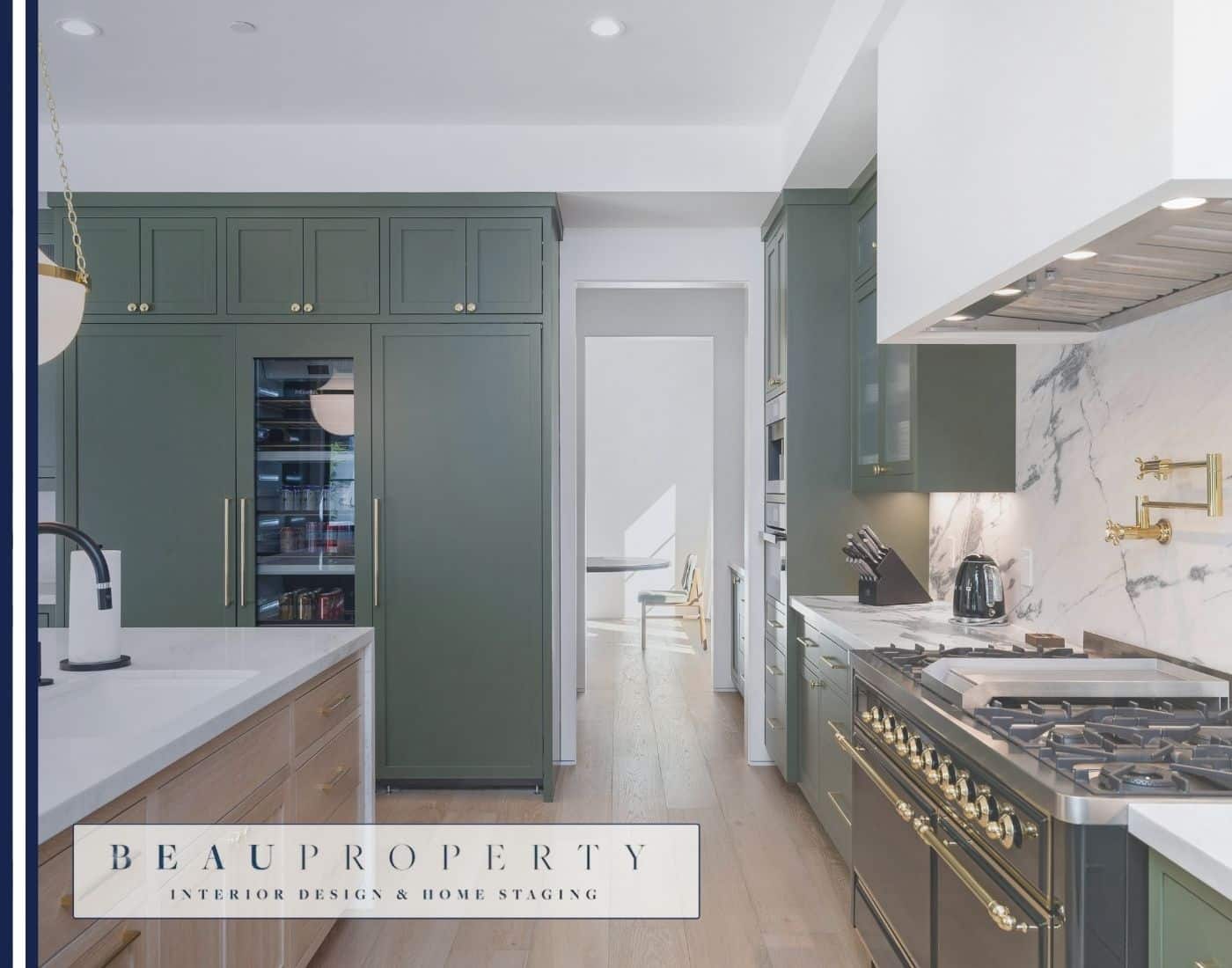
Key Techniques for Staging Large Properties
Define Each Space with Intent
In large homes, it is vital to clearly define spaces to help buyers understand how each area can be used. This can be achieved through the transformation of unused rooms into functional areas. For instance, a large basement can be staged as a home theatre or an exercise room, showcasing its potential.
Use of Rugs and Lighting
Rugs are a powerful tool in delineating zones within an open-concept space. By strategically placing rugs, you can visually segment areas such as the living room, dining area, and even home office. Additionally, appropriate lighting can enhance these defined spaces, creating a warm and inviting atmosphere. Use table lamps, floor lamps, and ambient lighting to highlight specific areas and add depth to the overall staging.
Use Scale-Appropriate Furnishings
Selecting furniture that matches the scale of the home is critical for successful staging. Large properties require furnishings that complement their size and grandeur. For example, oversized dining tables and large sofas can help fill expansive rooms while maintaining visual balance.
Recommendations for Furniture Choices
- Sectional Sofas: These can fill large living areas effectively while providing ample seating.
- Dining Tables: A large, elegant dining table can anchor the dining room, making it feel both functional and inviting.
- Decor: Art pieces and decorative accents should also be proportionate to the space. Large canvases and statement pieces can draw attention and create significant visual impacts.
Highlight Architectural Features
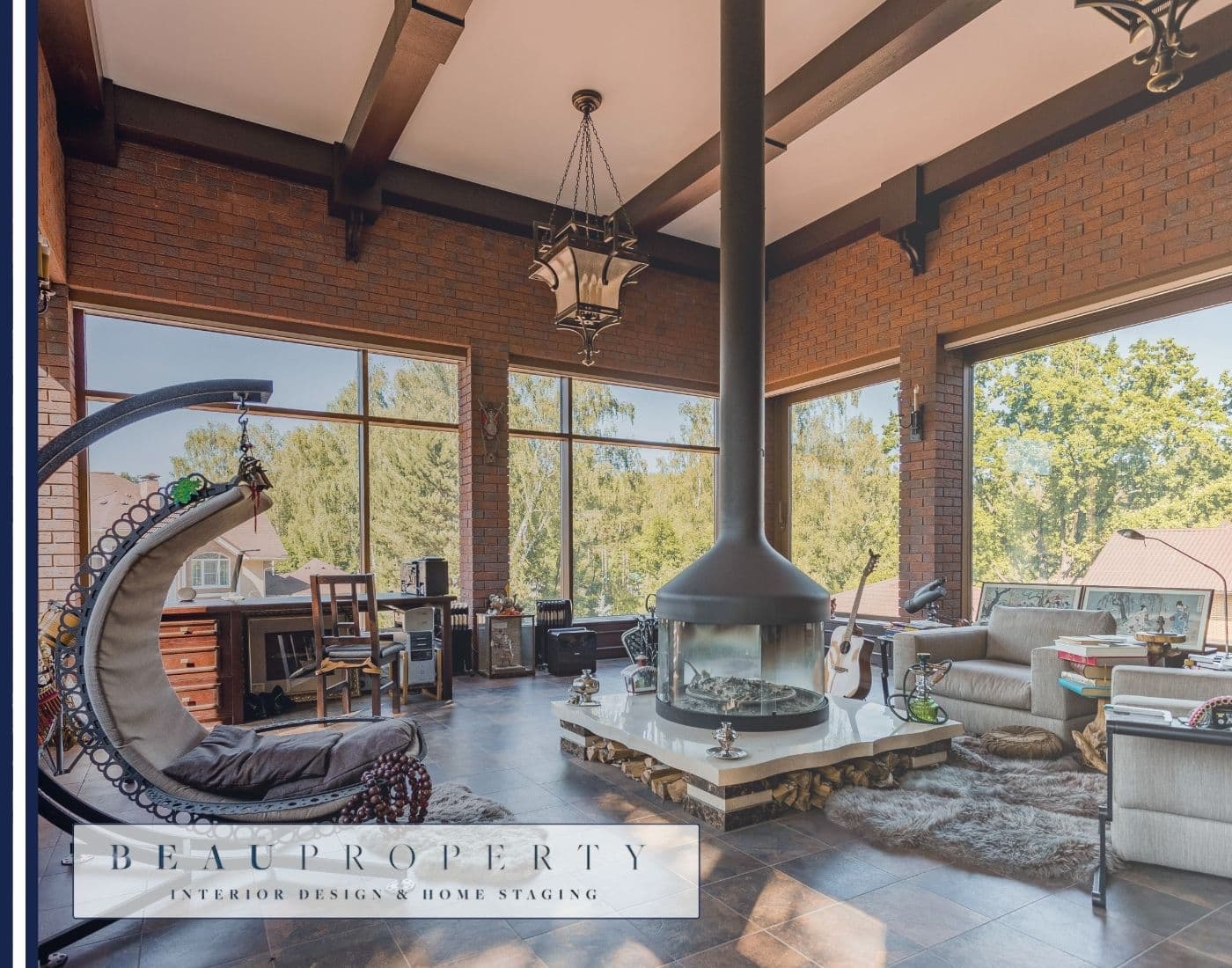
Every large property has unique selling points, such as grand staircases, vaulted ceilings, or expansive windows. Staging should draw attention to these architectural features through deliberate furniture arrangement and lighting choices.
Techniques for Emphasising Features
- Lighting: Use spotlights or pendant lights to draw focus to architectural elements.
- Furniture Arrangement: Position furniture to create sightlines that lead to these features, enhancing their visibility and appeal.
- Window Treatments: Elegant drapes can accentuate large windows, allowing natural light to flood the space while maintaining privacy.
Create Lifestyle Vignettes
Lifestyle vignettes are small, curated displays that evoke a particular lifestyle or emotion. They can be used throughout a large property to help potential buyers envision themselves in the space.
Examples of Lifestyle Vignettes
- Living Room: Stage a cosy reading nook with a plush chair, a side table, and a stack of books to invite a sense of relaxation.
- Dining Area: Set an elegant dining table complete with dinnerware, glasses, and a floral centrepiece to evoke sophistication and the essence of entertaining.
- Outdoor Area: Create an inviting outdoor sitting area with comfortable furniture, cushions, and potted plants, highlighting the potential for relaxation and social gatherings.
Emphasise Flow and Functionality
The arrangement of furniture should facilitate logical pathways and enhance the overall flow of the home. Staging should allow buyers to move comfortably through the space, highlighting its functionality and usability.
Tips for Enhancing Flow
- Logical Pathways: Ensure that furniture placement does not obstruct natural walkways. Buyers should be able to navigate the space effortlessly.
- Zoning: Create zones that serve specific purposes, such as a workspace or leisure area, making it easier for buyers to envision how they would use the space.
- Open Spaces: Avoid overcrowding rooms with too much furniture, allowing for open areas that feel spacious and inviting.
Room-by-Room Staging Strategies
Grand Entryway
The entryway is the first impression potential buyers will have of the property, so it is essential to create an inviting atmosphere. Use impactful decor, such as a statement chandelier, a console table with decorative accents, and a large mirror to enhance the sense of space.
Living Room
In the living room, anchoring the space is crucial. Use a large area rug to define the seating area and position furniture to create visual balance. Incorporate decorative pillows and throws to add warmth and texture.
Kitchen
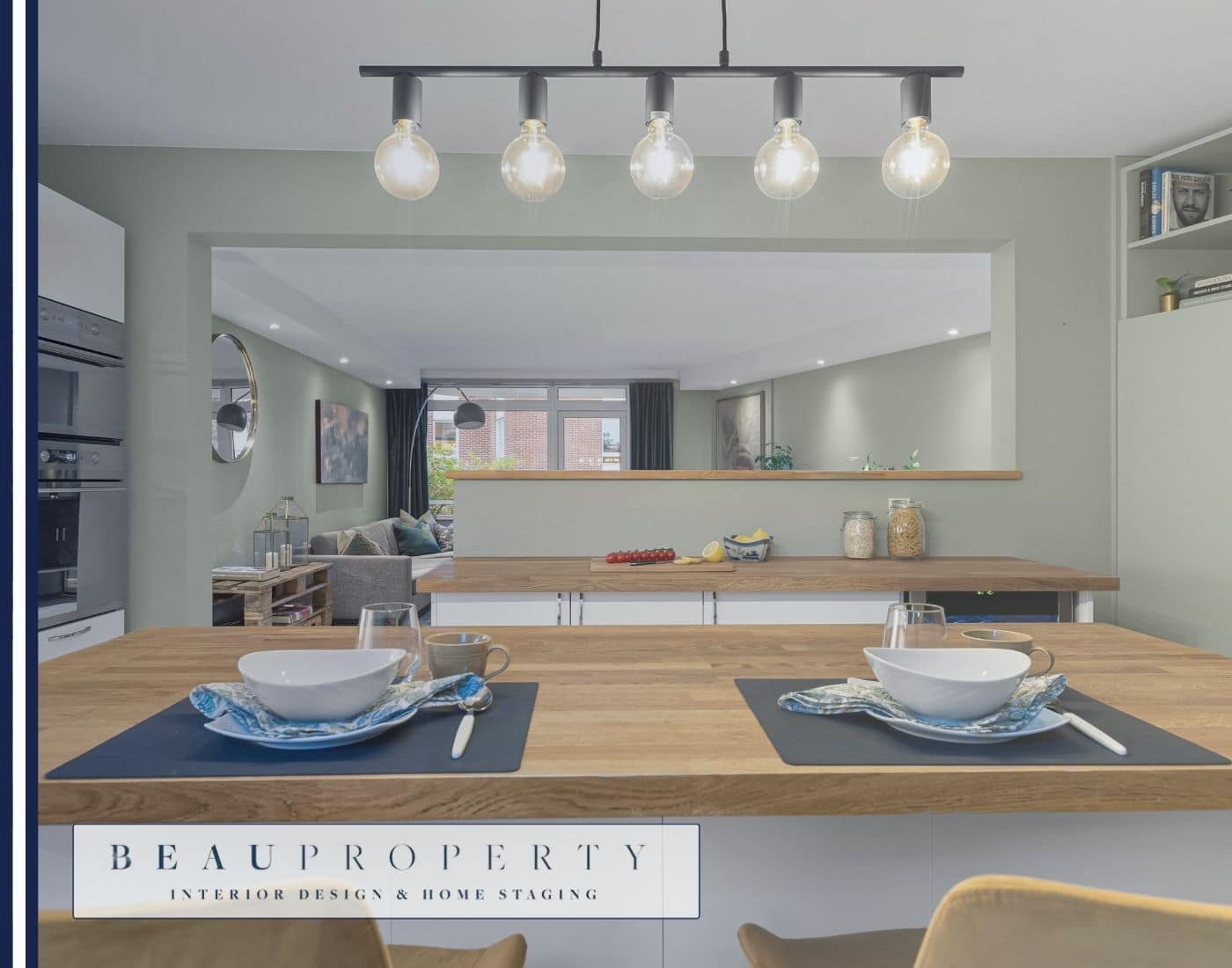
The kitchen is often the heart of the home, so decluttering is essential to enhance its appeal. Clear countertops and highlight functional areas, such as breakfast nooks or cooking spaces. Use fresh flowers or fruit bowls as simple yet effective staging elements.
Dining Room
Set an elegant dining scene with tasteful table settings. Use fine china, glassware, and fresh flowers to create an inviting atmosphere. Make sure the room feels spacious by avoiding overcrowding with excessive decor.
Master Suite
The master bedroom should convey luxury and comfort. Use soft, neutral colours for bedding and decor, and incorporate plush furnishings. Consider adding a sitting area with a small table and chairs to evoke a sense of relaxation.
Outdoor Spaces
Outdoor areas should not be overlooked in staging. Highlight potential for relaxation and entertainment by staging patios or gardens with stylish outdoor furniture and decor. Incorporate elements such as fire pits or outdoor lighting to enhance the appeal.
Common Mistakes to Avoid
Even experienced stagers can make mistakes when staging large properties. Here are some common pitfalls to avoid:
- Using Inappropriate Furniture Sizes: Oversized furniture can overwhelm a space, while undersized pieces may fail to fill it effectively.
- Leaving Rooms Empty: Empty rooms can feel cold and uninviting, making it harder for buyers to envision themselves in the space.
- Over-Personalising Decor: Personal items can distract buyers and prevent them from imagining their own lives in the home. Stick to neutral decor that appeals to a wide audience.
Advanced Tips for Luxury Property Staging
To elevate your staging game, consider these advanced strategies for luxury properties:
Leverage Smart Home Technology
Showcasing integrated smart home systems during showings can be a significant selling point. Ensure these features are visible and highlight their benefits, such as energy efficiency and convenience.
Incorporate Art and Culture
Selecting art that complements the property’s architecture can add sophistication and character to the staging. Consider local artists or culturally relevant pieces that resonate with potential buyers.
Hire Professional Stylists
Collaborating with professional staging stylists can take your staging efforts to the next level. They possess the expertise and resources to create visually stunning spaces that appeal to high-end buyers.
Benefits of Property Staging
Staging serves as a powerful marketing tool, impacting perceived value, time on the market, and the likelihood of receiving higher offers.
Impact on Perceived Value
Well-staged properties often command higher asking prices, as buyers perceive them as more valuable. The aesthetic appeal created through staging can enhance the overall impression of the home.
Reduced Time on Market
Properties that are staged effectively tend to sell faster than those that are not. This is particularly relevant in the luxury market, where buyers expect a certain level of presentation.
Higher Offers
Staged homes often receive multiple offers, leading to competitive bidding situations. This can result in selling prices that exceed the original asking price.
The Role of Virtual Staging in Large Homes
Virtual staging has become increasingly popular as a cost-effective and flexible alternative to traditional staging. While it should complement physical staging, it can provide potential buyers with a visual representation of the property’s potential.
Advantages of Virtual Staging
- Cost-Effective: Virtual staging typically costs less than physical staging, making it an attractive option for homeowners on a budget.
- Flexibility: Virtual staging allows for quick adjustments and changes, ensuring that the presentation can be tailored to different buyer demographics.
Marketing a Staged Luxury Property
To maximise the impact of your staged property, effective marketing strategies are essential. Here are key tactics to consider:
High-Quality Photography
Invest in professional photography to capture the beauty of the staged property. High-quality images can significantly enhance online listings and marketing materials.
Video Tours
Create engaging video tours that showcase the property’s layout and features. This can be particularly effective for large properties, allowing potential buyers to experience the space virtually.
Social Media Promotion
Utilise social media platforms to reach a broader audience. Share stunning visuals, behind-the-scenes staging processes, and success stories to engage potential buyers.
Luxury Real Estate Platforms
List the property on luxury real estate platforms that cater specifically to high-end buyers. This ensures that the property reaches its target audience effectively.
Frequently Asked Questions (FAQ)
Why is staging important for large properties?
Staging enhances the appeal of large properties, helping potential buyers envision themselves in the space while highlighting its best features.
What is the cost of staging a large property?
Costs can vary significantly based on the size of the property and the extent of staging required. A professional staging service can provide a detailed quote tailored to your needs.
Can I stage my property myself, or should I hire a professional?
While DIY staging is possible, hiring a professional can often yield better results, particularly for high-end properties where expert knowledge of design and staging techniques is crucial.
How long does staging take?
The duration of staging can vary based on the size of the property and the complexity of the staging process. Typically, it can take anywhere from a few days to a couple of weeks.
Does staging really impact sale prices?
Yes, staged properties often sell for higher prices and in less time compared to unstaged homes, making it a worthwhile investment for sellers.
Conclusion
In conclusion, mastering the art of staging large properties is essential for captivating potential buyers. By employing the techniques outlined in this guide, real estate agents, home stagers, and homeowners can enhance property appeal and facilitate successful sales. Staging is not merely an aesthetic choice; it is a strategic investment in the future of your property. Start planning your staging approach today to unlock the true potential of your large property!