
Introduction
In the real estate market, selling ex-rental properties can pose specific challenges. Landlords and property investors often need to present spaces that not only attract potential buyers but also showcase their best attributes. Home staging is a practical solution that can significantly enhance a property’s marketability, leading to higher sale prices and quicker transactions. This blog provides landlords, property investors, and real estate professionals with strategies to maximise their sales outcomes through effective home staging.
Understanding the Concept of Home Staging
Home staging is a methodical approach to preparing a property for sale, transforming it into an inviting space that appeals to potential buyers. The main goal of home staging is to emphasise the property’s strengths, minimise its weaknesses, and create an appealing atmosphere that encourages buyers to connect emotionally.
The Psychology Behind Home Staging
Home staging relies on the understanding that buyers are more inclined to form an emotional connection with a property that feels comfortable and lived-in. By showcasing the potential of each room, home staging helps buyers envision themselves in the space, which can significantly influence their purchasing decisions.
Key Elements of Successful Home Staging
Successful home staging involves several key components, including:
- Decluttering: Remove excess items to create a clean and open space, allowing buyers to envision their belongings in the property.
- Depersonalising: Take down family photos and personal items to create a neutral environment that appeals to a wider audience.
- Enhancing Aesthetic Appeal: Update décor, use neutral colour palettes, and ensure the property is well-lit and inviting.
Creating a Welcoming Atmosphere
A welcoming atmosphere is crucial in home staging. It involves designing a space that feels warm and functional. This can be achieved through thoughtful furniture arrangements, effective colour choices, and the use of decorative elements such as artwork and plants.
Understanding home staging is the first step for landlords looking to enhance the sale potential of their ex-rental properties. Recognising the psychological impact of staging and the essential elements of a successful presentation can set the stage for a fruitful sale.

Preparing the Ex-Rental Property for Staging
Before starting the staging process, landlords must prepare their ex-rental properties adequately. This preparation is essential for effective staging and ensures the property showcases its best features.
Conducting a Thorough Inspection
The first step in preparing an ex-rental property for staging is a comprehensive inspection. This involves identifying any maintenance issues that need attention, such as leaks, broken tiles, or peeling paint. Addressing these issues early can prevent distractions during viewings.
Cleaning and Refreshing the Space
After repairs, the next step is to clean and refresh the property. This includes deep cleaning every room, shampooing carpets, and ensuring windows are spotless. A clean home not only looks more appealing but also indicates to buyers that the property has been well maintained.
Painting and Minor Repairs
A fresh coat of paint can significantly alter the perception of a property. Choosing neutral colours can make spaces feel larger and more inviting. Additionally, landlords should address minor repairs, such as fixing cabinet doors or replacing light bulbs, to ensure the property looks its best.
Presenting the Property in Its Best Light
The goal of preparing an ex-rental property for staging is to present it in its best light. A clean, well-maintained, and clutter-free property creates an environment where potential buyers can envision themselves living. This preparation is vital for successful home staging and influences the sale outcome.
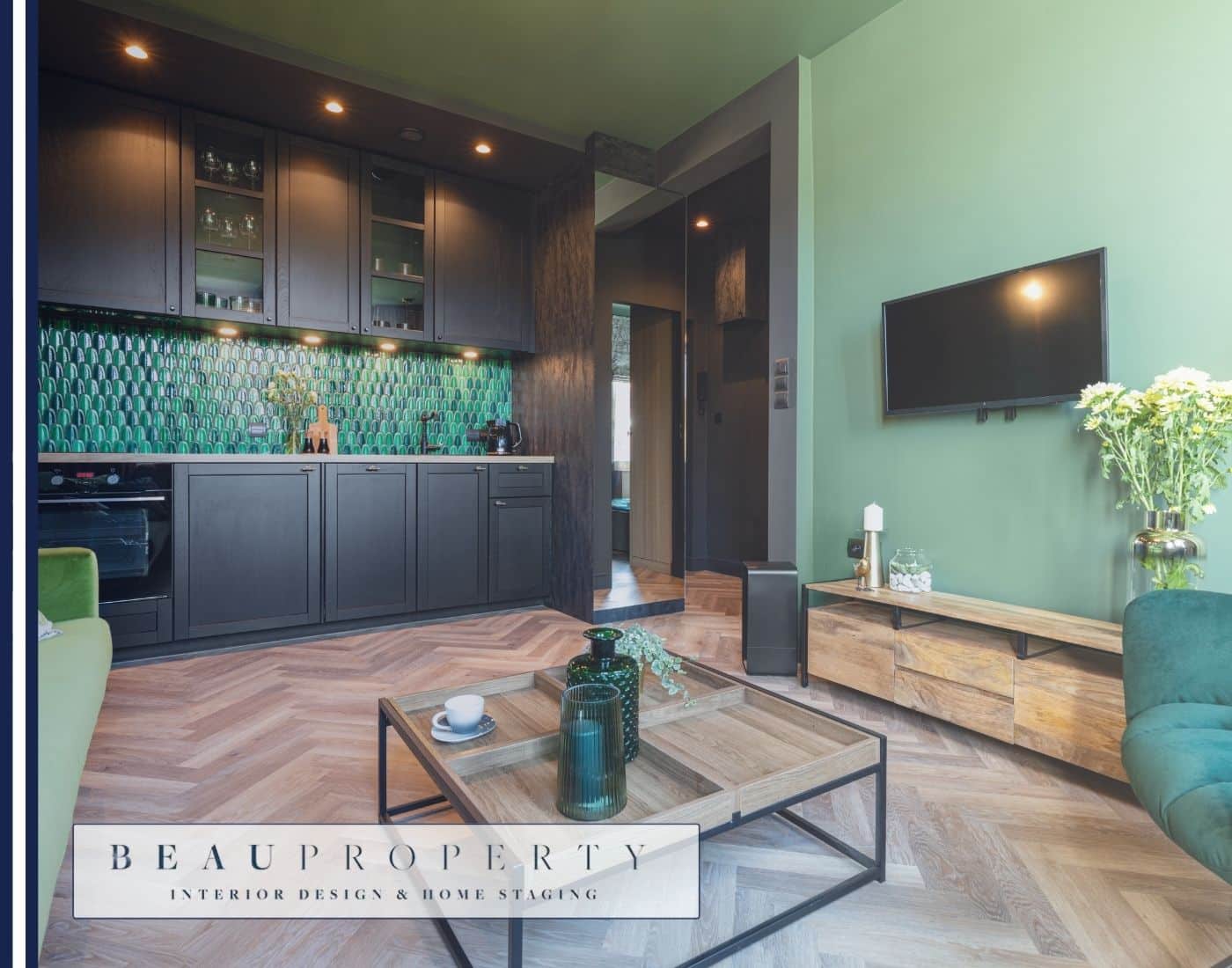
Key Home Staging Techniques
Once the property is prepared, landlords can implement effective home staging techniques designed to maximise appeal and attract potential buyers.
Furniture Arrangement
Strategic furniture arrangement is vital in home staging. The positioning of furniture can affect the flow and functionality of each room. Here are essential tips for arranging furniture:
- Create a Focal Point: Identify a focal point in each room, such as a fireplace or large window, and arrange furniture to highlight it.
- Maximise Space: Ensure that furniture is spaced appropriately to allow easy movement throughout the room. Avoid overcrowding with too much furniture, which can make rooms feel small.
- Define Areas: In open-plan spaces, use furniture to define different areas, such as a living area and a dining area, helping prospective buyers see the potential uses of the space.
Colour and Lighting
The right colour scheme and lighting can greatly enhance a property’s appeal. When staging an ex-rental property, consider the following:
- Use Warm, Neutral Colours: Neutral colours not only make spaces feel larger but also allow potential buyers to envision their décor in the home.
- Maximise Natural Light: Open curtains and blinds to let in natural light, and strategically place mirrors to reflect light, making rooms feel brighter.
- Incorporate Layered Lighting: Use a combination of ambient, task, and accent lighting to create a well-lit atmosphere, ensuring each room feels warm and welcoming.
Accessorising and Decorative Elements
Incorporating decorative elements can add personality and charm to an ex-rental property. Here are effective ways to accessorise:
- Artwork and Wall Décor: Choose artwork that complements the property’s colour scheme and enhances its aesthetic appeal. Consider adding mirrors to create a sense of space and light.
- Plants and Greenery: Adding plants can bring life to a space. Opt for low-maintenance plants that thrive indoors.
- Textiles and Soft Furnishings: Use cushions, throws, and rugs to add texture and warmth. Choose colours that harmonise with the overall palette of the property.
By employing these key home staging techniques, landlords can transform their ex-rental properties into inviting spaces that appeal to a wide range of buyers. Effective staging can significantly impact sale potential, making it a worthwhile investment.
Targeting the Right Audience
Understanding the target audience is crucial when staging an ex-rental property. Different demographics have distinct preferences for aesthetics and functionality, and tailoring staging efforts can enhance the property’s appeal.
Identifying Buyer Demographics
Landlords should identify the demographics of potential buyers for their ex-rental properties. For example:
- Families: Families often prioritise space, safety features, and proximity to schools and parks. Staging should highlight these aspects, showcasing each room’s functionality and the outdoor area’s safety.
- Young Professionals: Young professionals may prefer modern designs, convenience, and proximity to transport links. Staging should reflect a contemporary aesthetic with sleek furniture and minimalistic décor.
- Retirees: Retirees often seek comfort and accessibility. Staging should emphasise ease of movement, with furniture arrangements that promote a relaxed lifestyle.
Tailoring Staging Efforts
Once the target audience is identified, landlords can tailor their staging efforts accordingly. Here are strategies to consider:
- Focus on Functional Spaces: Ensure each room serves a clear purpose, making it easier for potential buyers to envision how they would use the space.
- Incorporate Relevant Features: Highlight features that appeal to the target audience. For example, if the property is near schools, consider staging a room with a study area for children.
- Use Appropriate Décor: Select décor that resonates with the target audience. For instance, families may prefer warm, inviting colours, while young professionals might opt for sleek, modern designs.
By understanding and targeting the right audience, landlords can create compelling staging presentations that resonate with potential buyers, ultimately enhancing the sale potential of their ex-rental properties.
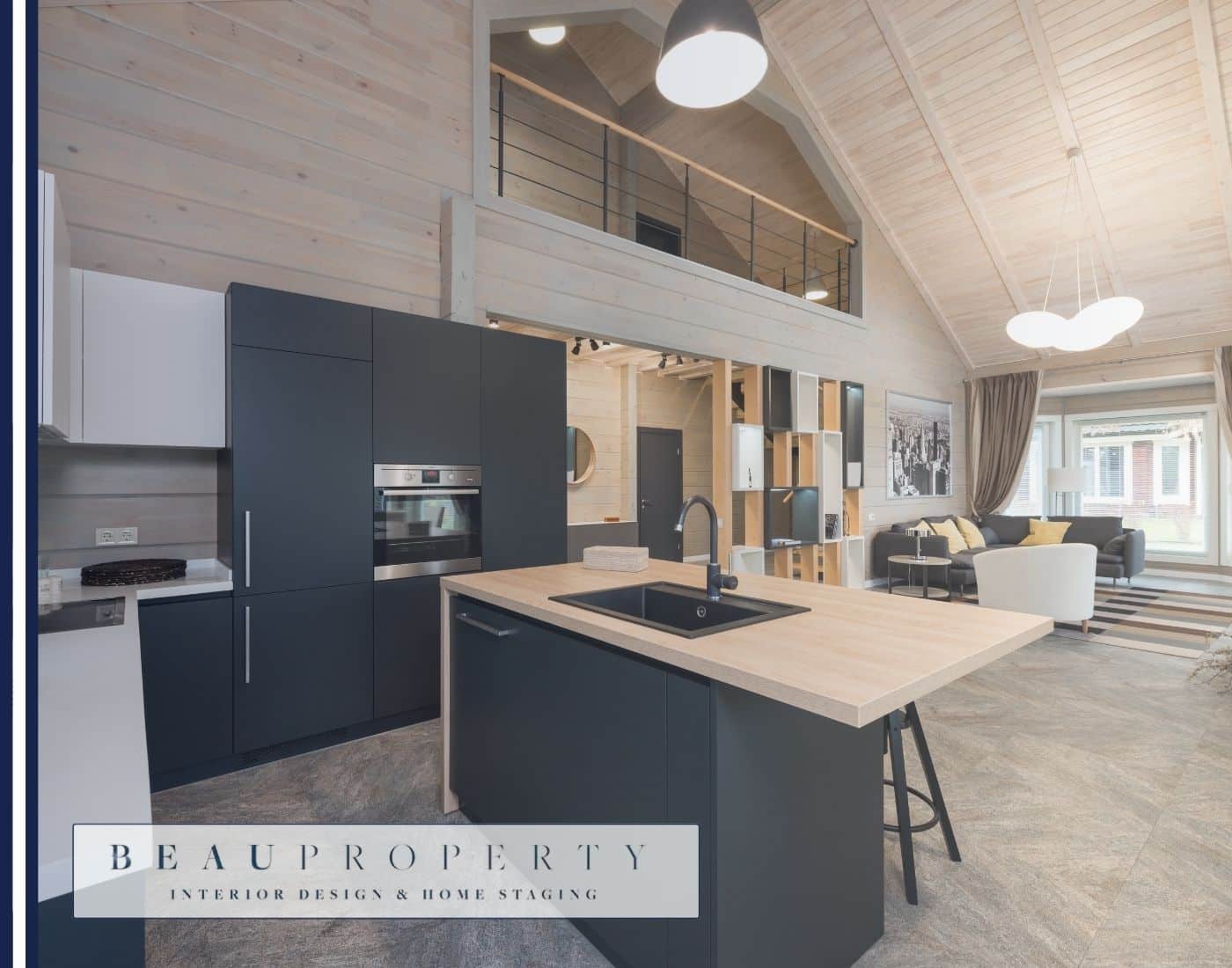
The Impact of Professional Staging Services
While landlords can manage the staging process themselves, enlisting professional staging services can offer significant benefits. Professional stagers possess the expertise and resources to create impactful presentations that elevate the property’s appeal.
Advantages of Professional Staging
- Expertise and Experience: Professional stagers understand design principles and buyer psychology. They can create a cohesive and appealing aesthetic that resonates with buyers.
- Access to Resources: Professional stagers often have access to a wide range of furniture and décor options, allowing for tailored staging solutions that suit the property’s unique characteristics.
- Time Efficiency: Staging can be time-consuming. Professional stagers can efficiently transform spaces, allowing landlords to focus on other aspects of the selling process.
What to Expect from Professional Staging Services
When hiring a professional staging service, landlords can expect:
- Consultations: Stagers will conduct an initial consultation to assess the property and discuss the landlord’s goals and target audience.
- Design Plans: Professional stagers will develop a tailored design plan, outlining furniture arrangements, colour palettes, and decorative elements.
- Rental of Furniture and Décor: Many staging companies offer rental options for furniture and décor, ensuring that the property features high-quality items that enhance its appeal.
By leveraging the expertise of professional staging services, landlords can maximise the sale potential of their ex-rental properties while ensuring a smooth staging process.
Marketing the Staged Property
Once a property has been effectively staged, implementing a robust marketing strategy is essential to showcase the staged ex-rental property to potential buyers. Effective marketing enhances visibility and attracts interested parties.
Effective Marketing Channels
- Online Listings: High-quality online listings are crucial in today’s digital landscape. Ensure listings feature professional photography that captures the essence of the staged property.
- Social Media: Use social media platforms to reach a broader audience. Share images, videos, and virtual tours of the staged property to engage potential buyers.
- Traditional Advertising: Consider traditional advertising methods, such as flyers and brochures, especially for local markets. These can effectively reach demographics less active online.
The Role of High-Quality Photography
High-quality photography is vital for marketing a staged property. Well-staged homes tend to photograph better, attracting more interest from potential buyers. Here are tips for capturing stunning photos:
- Choose the Right Time of Day: Shoot during the golden hour—shortly after sunrise or before sunset—to capture the best natural light.
- Declutter Before Shooting: Ensure the space is clean and free of distractions before taking photos. A clutter-free environment allows the property’s features to shine.
- Highlight Key Features: Focus on the property’s best features, such as spacious rooms, natural light, and unique architectural details.
Utilising Virtual Tours and Video Walkthroughs
Virtual tours and video walkthroughs are increasingly popular. These tools allow potential buyers to engage with the property remotely and appreciate its features from home.
- Create an Immersive Experience: Virtual tours offer an immersive experience, allowing buyers to navigate the property at their own pace.
- Showcase the Flow of the Space: Video walkthroughs can highlight the flow of the property, demonstrating how different rooms connect and the overall layout.
By implementing effective marketing strategies, landlords can showcase their staged ex-rental properties to a wider audience, increasing the likelihood of attracting buyers and achieving a successful sale.
Conclusion
In conclusion, effective home staging is a crucial factor in maximising the sale potential of ex-rental properties. By understanding home staging, preparing the property adequately, employing key techniques, and targeting the right audience, landlords can create compelling presentations that appeal to potential buyers. Additionally, considering professional staging services and implementing robust marketing strategies can further enhance the property’s visibility and attractiveness.
Investing time and resources into home staging not only improves a property’s aesthetic appeal but also fosters emotional connections with potential buyers. This can lead to quicker sales and potentially higher sale prices. As the property market continues to evolve, landlords and property investors must recognise the value of home staging as an essential tool in their sales strategy. Start planning your staging efforts today to unlock the full potential of your ex-rental properties!