Introduction
Colour plays a crucial role in property staging, serving as a powerful tool to enhance the appeal of a home. The right colour schemes can transform a space, evoke emotions, and significantly influence potential buyers’ perceptions. In a competitive real estate market, understanding emerging colour trends in property staging is essential for homeowners, property sellers, real estate agents, and staging professionals aiming to capture buyer interest. This blog delves into the significance of colour in staging, exploring the psychology of colour, current trends, the integration of colour schemes with design elements, the impact of lighting, and the shift towards sustainability in colour choices.
The Psychology of Colour in Property Staging
The psychological effects of colour on human emotions and behaviours are profound. Different colours create distinct atmospheres within a property, directly influencing buyers’ decisions. For instance, warm tones like reds, oranges, and yellows create a sense of warmth and comfort, making a space feel inviting, particularly important in crafting a homey atmosphere that resonates with potential buyers.
Conversely, cooler tones such as blues and greens evoke feelings of calmness and tranquillity. These colours are often associated with serenity and relaxation, making them ideal for spaces intended for rest, like bedrooms or reading nooks. By understanding how colour impacts mood, staging professionals can strategically select hues that accentuate a property’s best features while creating an inviting environment for prospective buyers.
Emotional Resonance of Colour
- Warm Tones: Reds, oranges, and yellows stimulate energy and enthusiasm. They create focal points and make a room feel more dynamic and lively. For example, a bright yellow accent wall in a kitchen can energise the space.
- Cool Tones: Blues, greens, and purples are perceived as calming. A soft blue in a bathroom can evoke feelings of serenity, making it perfect for relaxation spaces.
- Neutrals: Shades like beige, grey, and white provide a versatile backdrop that allows other colours to shine. These tones appeal to a broad audience, ensuring potential buyers can easily envision their own decor within the space.
By leveraging these emotional connections, staging professionals can create environments that resonate with buyers, ultimately enhancing the likelihood of a sale.
Current Colour Trends in Property Staging
As the real estate market evolves, so do the colour schemes that define property staging. Emerging trends reflect changing tastes and preferences, with a growing emphasis on creating spaces that are not only beautiful but also reflective of personal styles. Here are some notable trends shaping the landscape of property staging today.
Earthy Tones: A Connection to Nature
Earthy tones, inspired by nature, are gaining traction in property staging. Shades like terracotta, olive green, and muted browns create a grounded and organic feel that appeals to buyers seeking a connection with the environment. These colours bring warmth and comfort to a home, making it more inviting and harmonious.
Benefits of Earthy Tones:
- Natural Appeal: They resonate with buyers looking for a calming environment.
- Versatility: Earthy tones pair well with various accents to create a cohesive look.
- Timelessness: These shades often have a classic quality that remains appealing over time.
Example: A living room painted in a soft olive green can be complemented with wooden furniture and natural textiles, creating an inviting atmosphere that feels both modern and timeless.
Bold Accents: Making a Statement
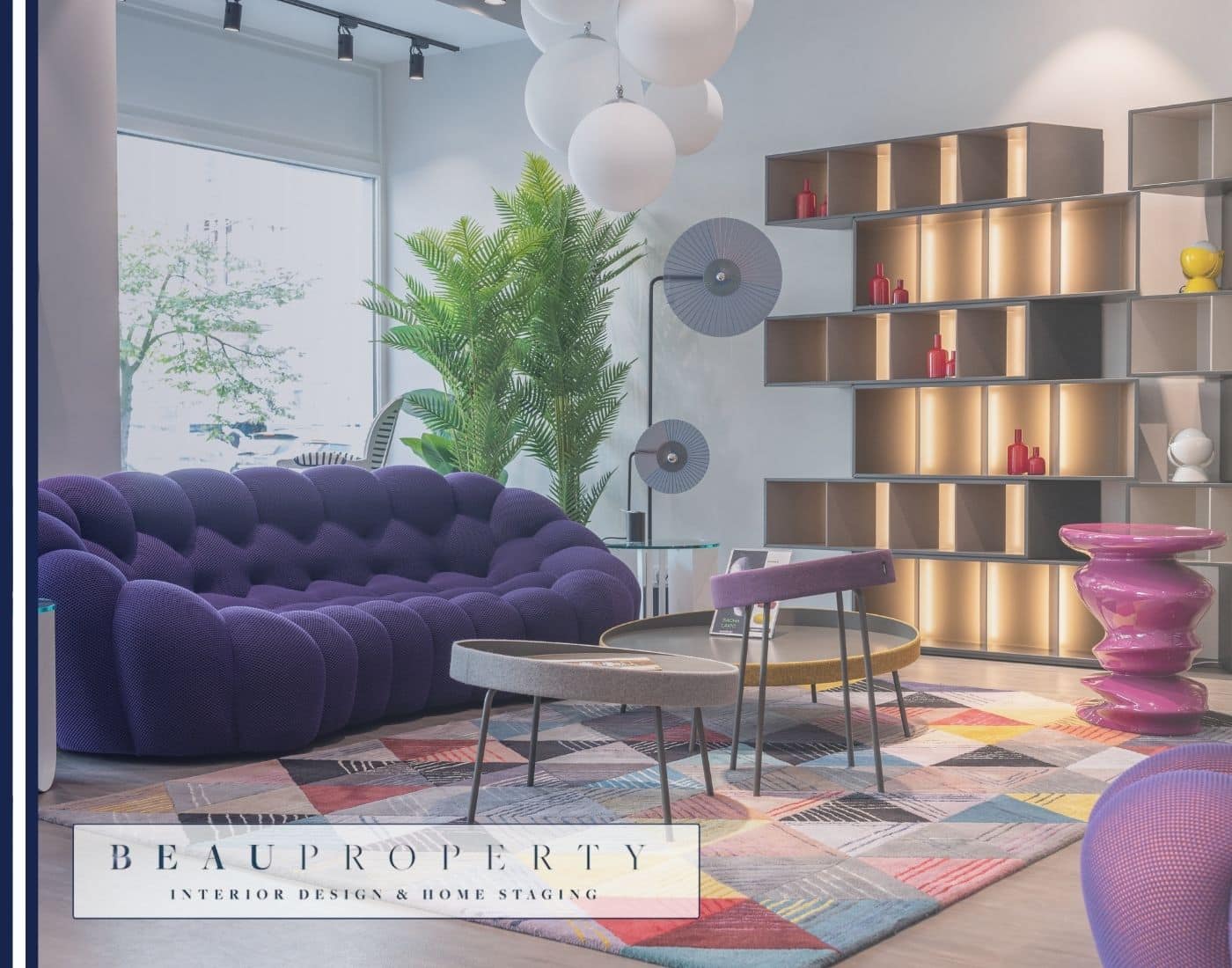
The resurgence of bold accent colours is another exciting trend in property staging. Deep blues, rich emeralds, and vibrant yellows are used strategically against neutral backdrops to create visual interest and draw attention to specific areas of a home. This approach allows for dynamic spaces without overwhelming the senses.
Benefits of Bold Accents:
- Focal Points: Bold colours highlight architectural features or significant areas, such as a fireplace or artwork.
- Personality: They allow homeowners to inject their unique style into the staging without dominating the entire space.
- Modern Appeal: Bold colours align with contemporary design trends, appealing to younger buyers.
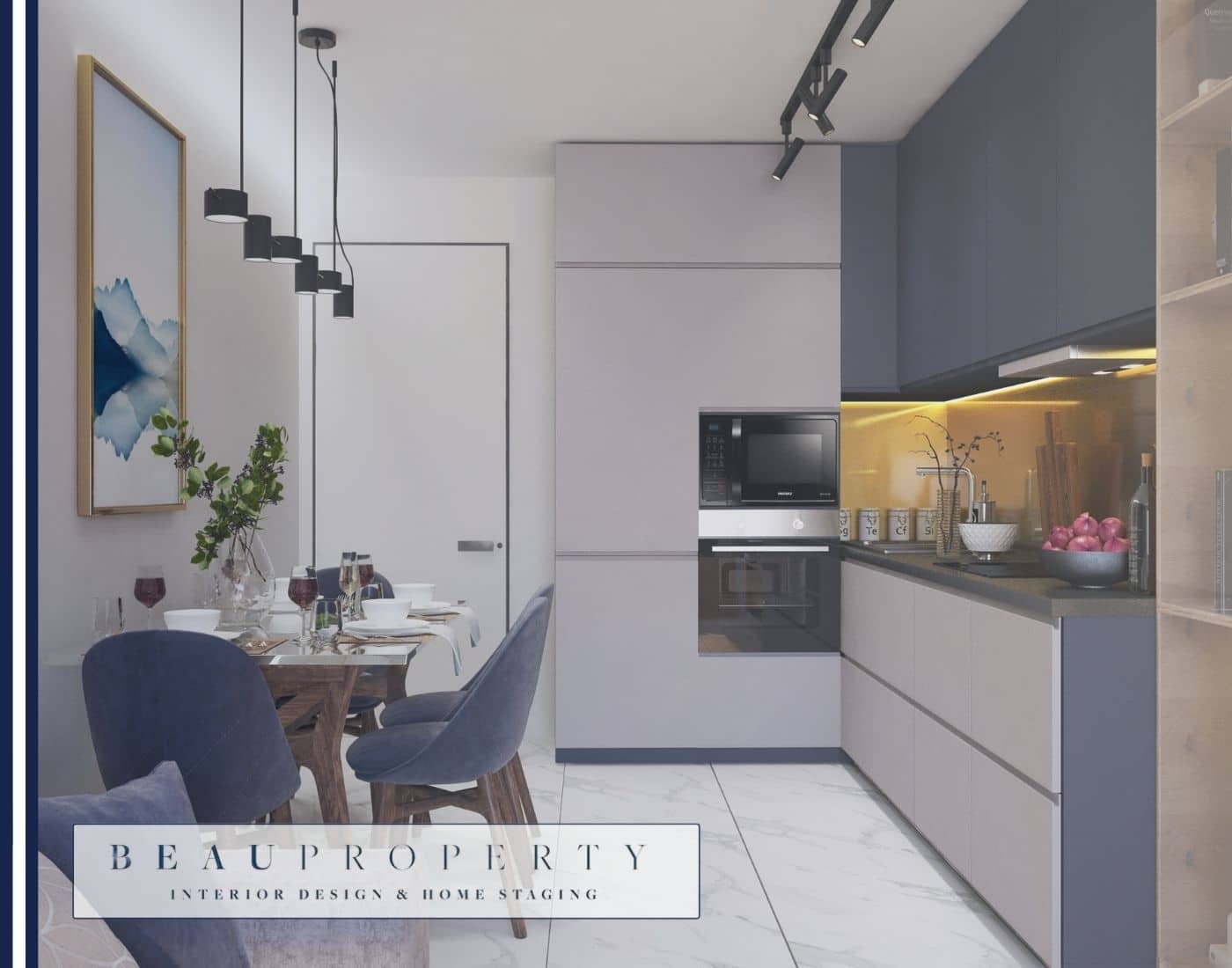
Example: A soft grey living room can be enhanced with deep blue cushions and a vibrant yellow throw, adding layers of colour and personality that resonate with a modern audience.
Monochromatic Schemes: Elegance in Simplicity
Monochromatic colour schemes are characterised by varying shades of a single colour, creating depth and interest while maintaining a cohesive look. This approach can provide a clean and sophisticated aesthetic that appeals to discerning buyers. Monochromatic designs can make spaces appear larger and more organised, which is particularly beneficial in smaller homes.
Benefits of Monochromatic Schemes:
- Cohesion: Creates a seamless flow between rooms, enhancing the overall aesthetic of the property.
- Sophistication: Offers an elegant and timeless quality that appeals to upscale buyers.
- Flexibility: Easy to incorporate various textures and patterns without clashing.
Example: A bathroom designed in varying shades of soft blue, from deep navy to pale sky, can evoke a tranquil, spa-like atmosphere that potential buyers will find appealing.
Pastel Palettes: Softness and Charm
Pastel colours are making a comeback in property staging, offering a soft, inviting atmosphere that can make spaces feel more open and welcoming. Blush pinks, soft lavenders, and muted blues are particularly popular, providing a gentle touch that appeals to a wide range of buyers.
Benefits of Pastel Palettes:
- Airiness: Pastels can make small spaces feel larger and more inviting.
- Versatility: These shades can easily pair with both bold and neutral accents.
- Warmth: Soft colours often evoke feelings of comfort and familiarity, making potential buyers feel at home.
Example: A nursery painted in soft lavender can be complemented with white furniture and colourful accents, creating a cheerful yet soothing environment.
Integrating Colour Schemes with Design Elements
Creating a harmonious environment in property staging requires more than just colour; it involves the thoughtful integration of design elements such as furniture, decor, and lighting. The right colour choices should complement the overall aesthetic of the property, enhancing its features without overwhelming the space.
Harmonising Colour and Design
- Furniture Selection: When selecting furniture, consider how its colour and style will interact with the chosen colour scheme. For instance, a modern grey sofa can serve as a neutral base, allowing for colourful cushions and art pieces to add personality without clashing.
- Decorative Accents: Accessories such as rugs, curtains, and artwork should align with the colour scheme to create a cohesive look. A room with earthy tones can be accessorised with natural materials like wood and stone to reinforce the organic feel.
- Creating Flow: Ensure that the colour scheme flows seamlessly from one room to another. This can be achieved by using similar shades throughout the home, or by selecting complementary colours that enhance the overall aesthetic.
Example: A property staged with a neutral palette can use bold accent colours in decorative items that are spread throughout the rooms, creating a unified yet dynamic environment.
The Role of Lighting in Enhancing Colour Schemes
Lighting significantly affects how colour is perceived in a staged property. Both natural and artificial lighting can alter the mood and feel of a space, making it crucial for staging professionals to understand how to use lighting effectively.
Types of Lighting:
- Natural Lighting: Utilising natural light can enhance the vibrancy of colours, making spaces appear brighter and more inviting. During staging, it’s vital to maximise natural light by opening curtains and blinds and arranging furniture to avoid blocking windows.
- Artificial Lighting: The type of artificial lighting used can also impact colour perception. Warm lighting softens bold colours, making them feel more approachable, while cooler lighting enhances pastel shades, bringing a fresh and airy quality to the space.
- Accent Lighting: Incorporating accent lighting, such as spotlights or floor lamps, can highlight specific features or colour choices in a room. For example, a spotlight on a piece of artwork can draw attention to its colours, enhancing the overall aesthetic of the space.
Example: A living room with large south-facing windows can be staged with light, airy colours that come alive in natural light, while using warm-toned lamps in the evening to create a cosy ambiance.
Sustainability and Eco-Friendly Colours in Property Staging
In recent years, there has been a growing focus on sustainability in property staging, influencing both colour choices and materials used. Eco-conscious buyers are increasingly drawn to homes that reflect sustainable practices, and this trend extends to colour schemes as well.
Eco-Friendly Colour Choices:
- Natural Pigments: Many eco-friendly paints use natural pigments derived from minerals and plants, resulting in colours that are not only beautiful but also sustainable. These colours often have a muted, organic quality that appeals to buyers looking for a connection to nature.
- Low-VOC and Non-Toxic Paints: The rise of low-VOC (volatile organic compounds) paints means that homeowners can create stunning interiors without compromising indoor air quality. These paints are available in various colours, allowing for diverse colour schemes that are both stylish and safe.
- Sustainable Materials: Incorporating sustainable materials into staging, such as reclaimed wood or recycled textiles, can enhance the eco-friendly aesthetic. This approach not only appeals to environmentally conscious buyers but also adds character and uniqueness to a property.
Example: A home staged with non-toxic paint in muted earth tones, paired with reclaimed wooden furniture, can create a warm and inviting atmosphere that resonates with buyers who value sustainability.
Conclusion
In conclusion, colour schemes play a vital role in property staging, influencing potential buyers’ perceptions and emotions. Understanding the psychology of colour, current trends, and the integration of colour with design elements is essential for homeowners, property sellers, real estate agents, and staging professionals. As the real estate market continues to evolve, embracing emerging colour trends, such as earthy tones, bold accents, monochromatic schemes, and pastels, can enhance the appeal of properties.
Moreover, considering the impact of lighting and the importance of sustainable colour choices will further elevate the staging process. By harnessing the power of colour effectively, sellers can create inviting spaces that resonate with potential buyers, ultimately leading to successful sales.
As you embark on your property staging journey, remember the profound influence that colour can have. Explore these emerging trends, integrate them thoughtfully into your staging efforts, and watch as they transform your property into a desirable home that captivates buyers’ hearts and minds.