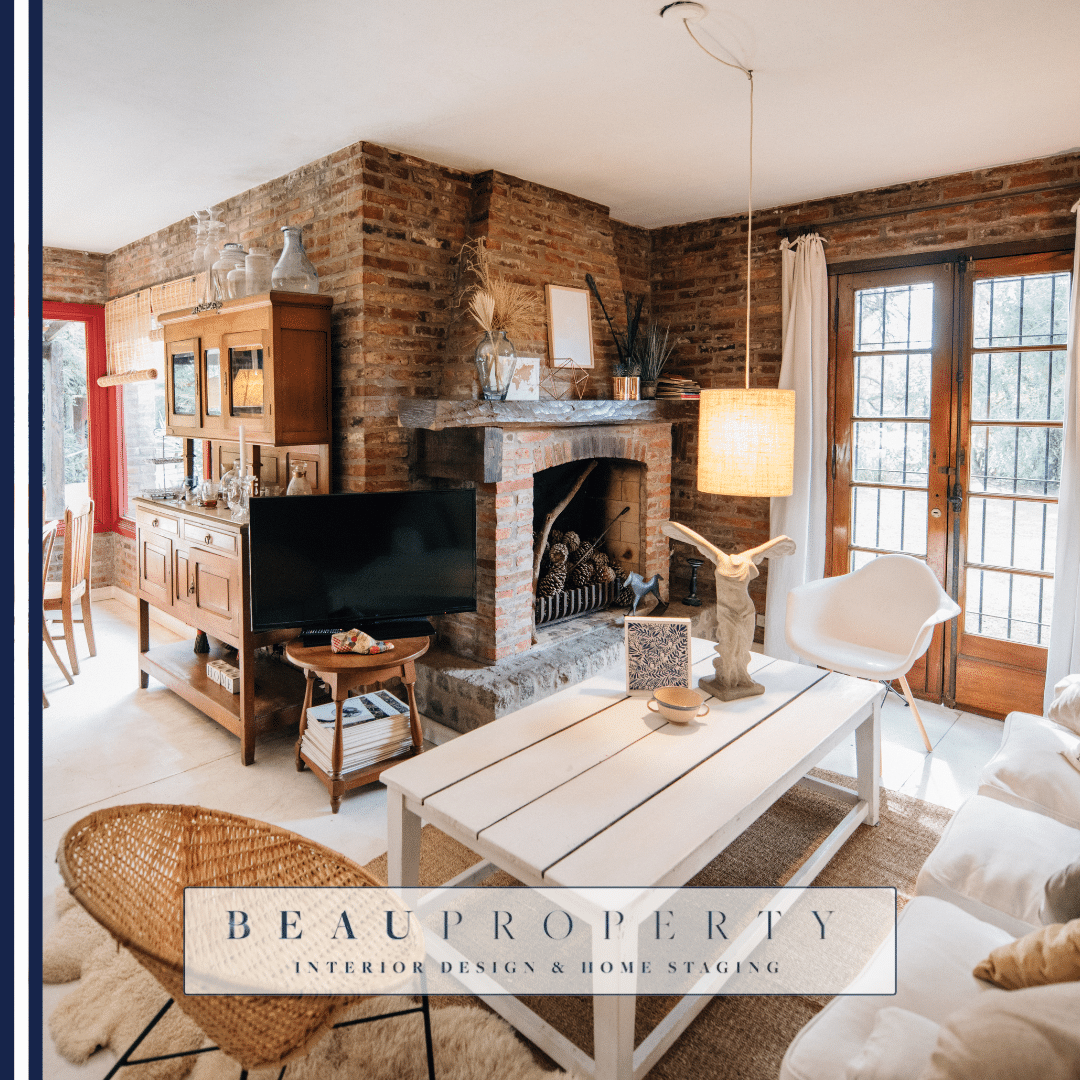
Home staging has become a vital aspect of the property market, especially in the competitive landscape of the UK. As homeowners, real estate agents, and interior decorators seek innovative ways to enhance property appeal, blending old and new elements in home staging has emerged as a prominent trend. This approach not only showcases the unique character of a property but also creates a welcoming atmosphere for potential buyers. In this blog, we will explore the philosophy behind mixing vintage and contemporary styles, key elements of successful staging, practical tips for implementation, and future trends. The goal is to provide you with a comprehensive guide to mastering the art of home staging through a balanced approach.
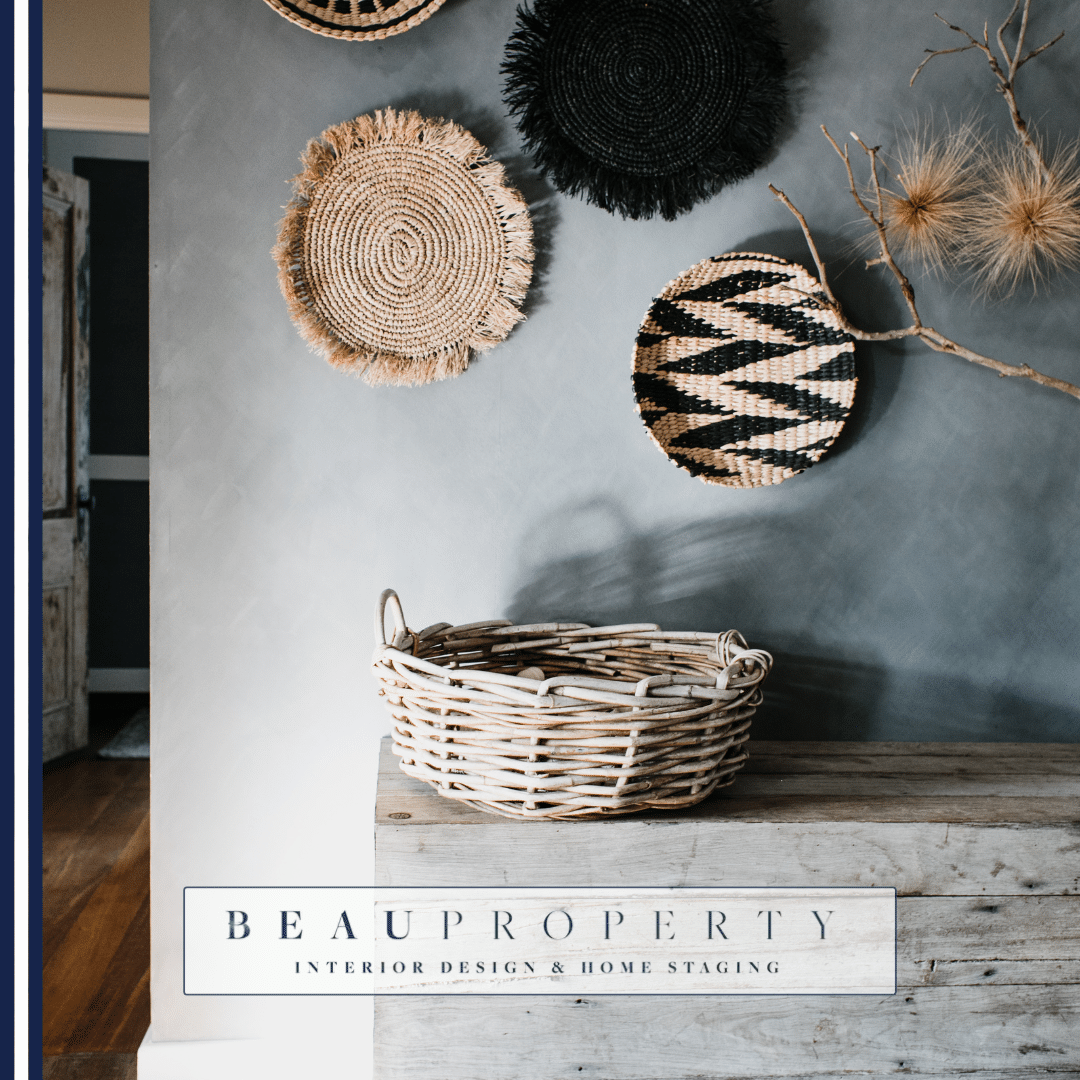
The Philosophy Behind Mixing Old and New in Home Staging
Defining the Concept
Mixing old and new in home staging is about creating a harmonious aesthetic that appeals to a broad audience. Vintage decor, characterised by its historical significance and charm, can be seamlessly integrated with modern furnishings that embody current trends and functionalities. This juxtaposition aims to create an inviting atmosphere that resonates with potential buyers’ emotions, often evoking nostalgia while also appealing to contemporary tastes.
The Psychological Impact
The psychological impact of blending styles cannot be overstated. When potential buyers enter a space that effectively mixes vintage and modern elements, they often feel a sense of warmth and authenticity. This emotional connection can lead to a quicker sale and better valuation of the property. By creating an environment that feels both lived-in and stylish, home stagers can evoke positive feelings and encourage buyers to envision themselves living in the space.
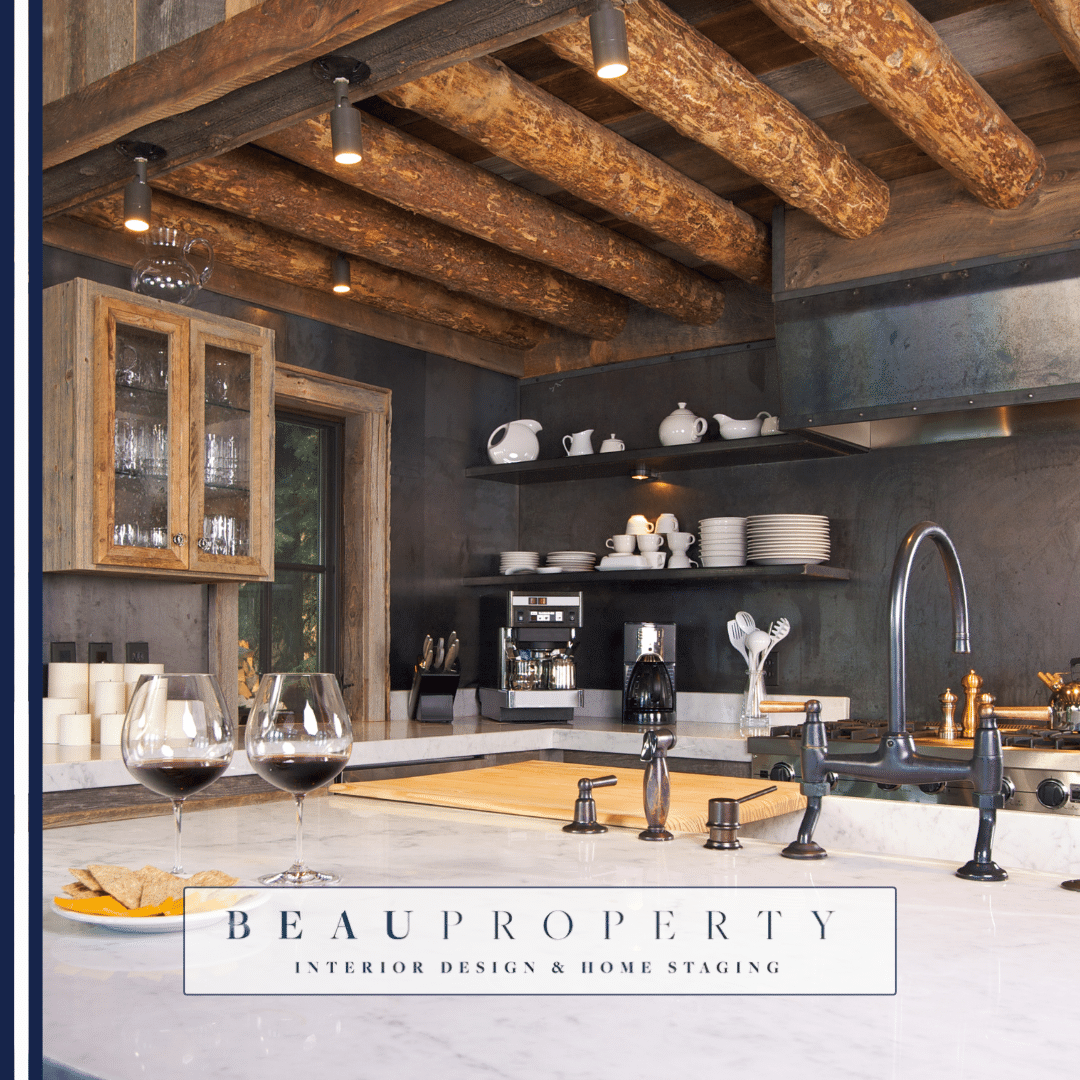
Key Elements of Successful Home Staging
Effective home staging is a blend of art and science, relying on furniture, decor, and layout to create a cohesive look. Understanding the key components that contribute to successful staging is essential for homeowners and real estate professionals alike.
Understanding Vintage Decor
Defining Vintage Decor
Vintage decor typically refers to items that are at least 20 years old but not more than 100. These pieces often possess a unique charm and character that can set a property apart. Incorporating vintage elements into home staging can create a narrative, allowing potential buyers to connect with the history of the space.
Popular Vintage Styles
- Mid-Century Modern: Characterised by clean lines, organic shapes, and a focus on functionality, this style has regained popularity. Incorporating mid-century pieces like chairs or tables can add a unique flair.
- Rustic: This style embodies a warm, homey feel, often featuring natural materials. Vintage wooden beams, antique furniture, and reclaimed wood can create a cosy atmosphere.
- Traditional English Design: Think classic pieces with floral patterns, rich fabrics, and elegant details. Incorporating items such as vintage china or ornate mirrors can evoke a sense of timelessness.
Adding Character and Charm
Vintage pieces can serve as focal points in a room, drawing attention and sparking conversation. Whether it’s a beautifully restored armchair or a collection of vintage books, these items can add layers of depth to a staging project, making the home feel more inviting and lived-in.
The Appeal of Modern Furnishings
Characteristics of Modern Furnishings
Modern furnishings typically feature clean lines, minimalist design, and a focus on functionality. They are often made from materials such as metal, glass, and synthetic fibres, which lend a sleek and contemporary look to a space.
Complementing Vintage Decor
Modern furnishings can provide a striking contrast to vintage decor, helping to highlight the unique characteristics of both styles. For instance, a sleek modern sofa can balance out the intricate details of a vintage armchair, allowing each piece to stand out while contributing to a cohesive look.
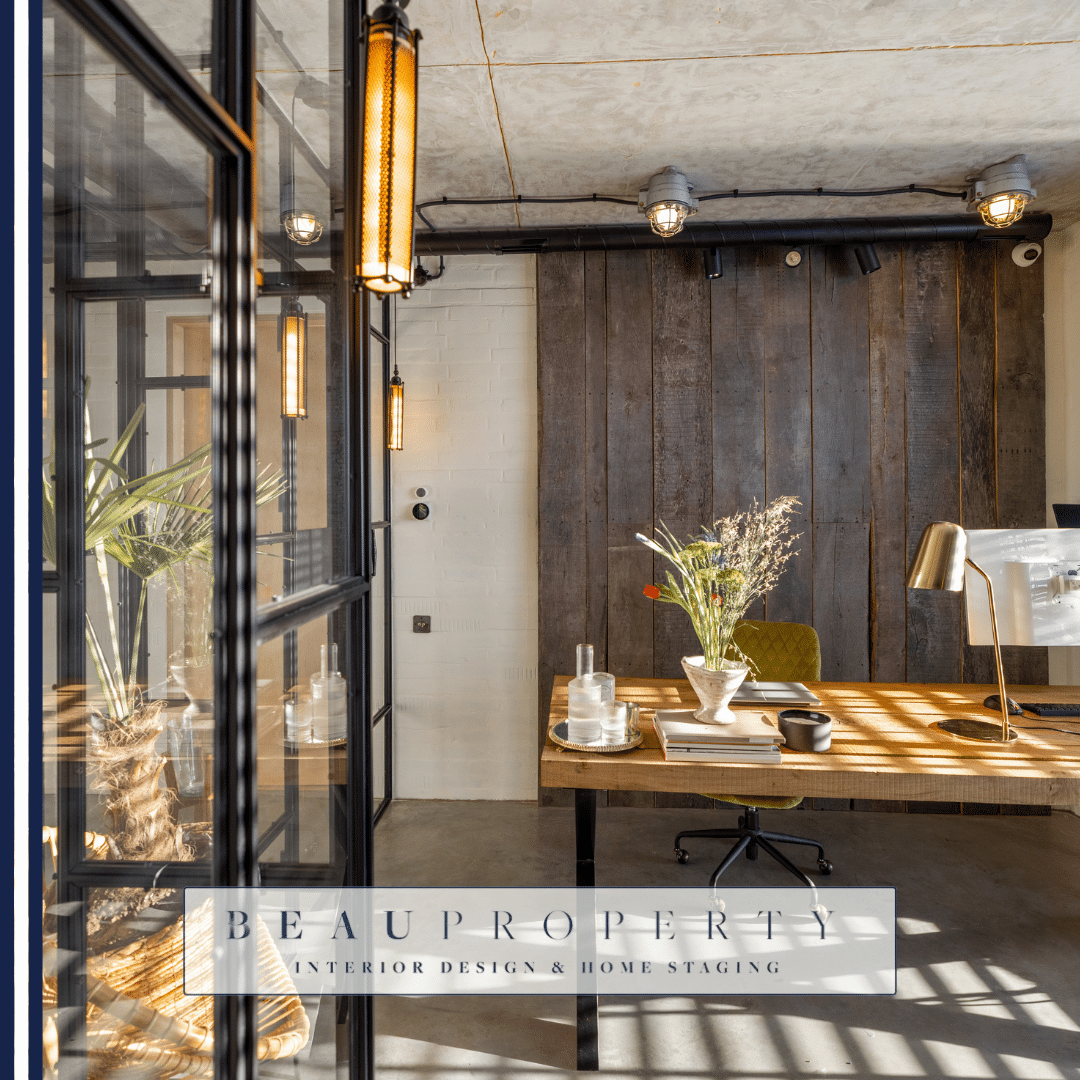
Creating Design Harmony Through Contrast
The Importance of Contrast
When staging a home, contrast can be your best friend. By thoughtfully placing vintage and modern items together, you create visual interest and depth. However, achieving harmony is crucial; the goal is to ensure that the space feels integrated rather than disjointed.
Colour Palettes and Textures
Selecting a cohesive colour palette can help bridge the gap between old and new. Neutral backgrounds are often the best choice, allowing for pops of colour through accessories or artwork. Textures also play a significant role—mixing soft fabrics with sleek finishes can create a balanced sensory experience that draws buyers in.
Achieving a Cohesive Look
To achieve a cohesive look while allowing both styles to shine, consider the following strategies:
- Create Focal Points: Use standout vintage pieces as focal points and surround them with modern furnishings that complement their style.
- Layering: Layering textures through throws, cushions, and rugs can create a rich, inviting environment.
- Accessorising: Carefully chosen accessories can help tie contrasting styles together. For instance, using a vintage vase filled with modern flowers can create a beautiful juxtaposition.
Practical Tips for Mixing Styles in Home Staging
Strategies for Effectively Blending Styles
- Start with a Neutral Base: Begin by selecting a neutral colour palette for walls and larger pieces of furniture. This allows vintage and modern items to stand out without clashing.
- Choose a Signature Style: While mixing styles is encouraged, having a signature style—be it modern, vintage, or eclectic—can help guide your choices, ensuring that the overall look feels intentional.
- Scale and Proportion: Pay attention to the scale and proportion of your furniture. Large vintage pieces can dominate a room if not balanced with appropriately sized modern items.
- Incorporate Accessories: Accessories such as art, cushions, and throws can provide the perfect opportunity to mix styles without overwhelming the space.
Blending in Various Spaces
- Living Rooms: Use a modern sofa paired with vintage armchairs and a rustic coffee table. Incorporate a contemporary rug to unify the space.
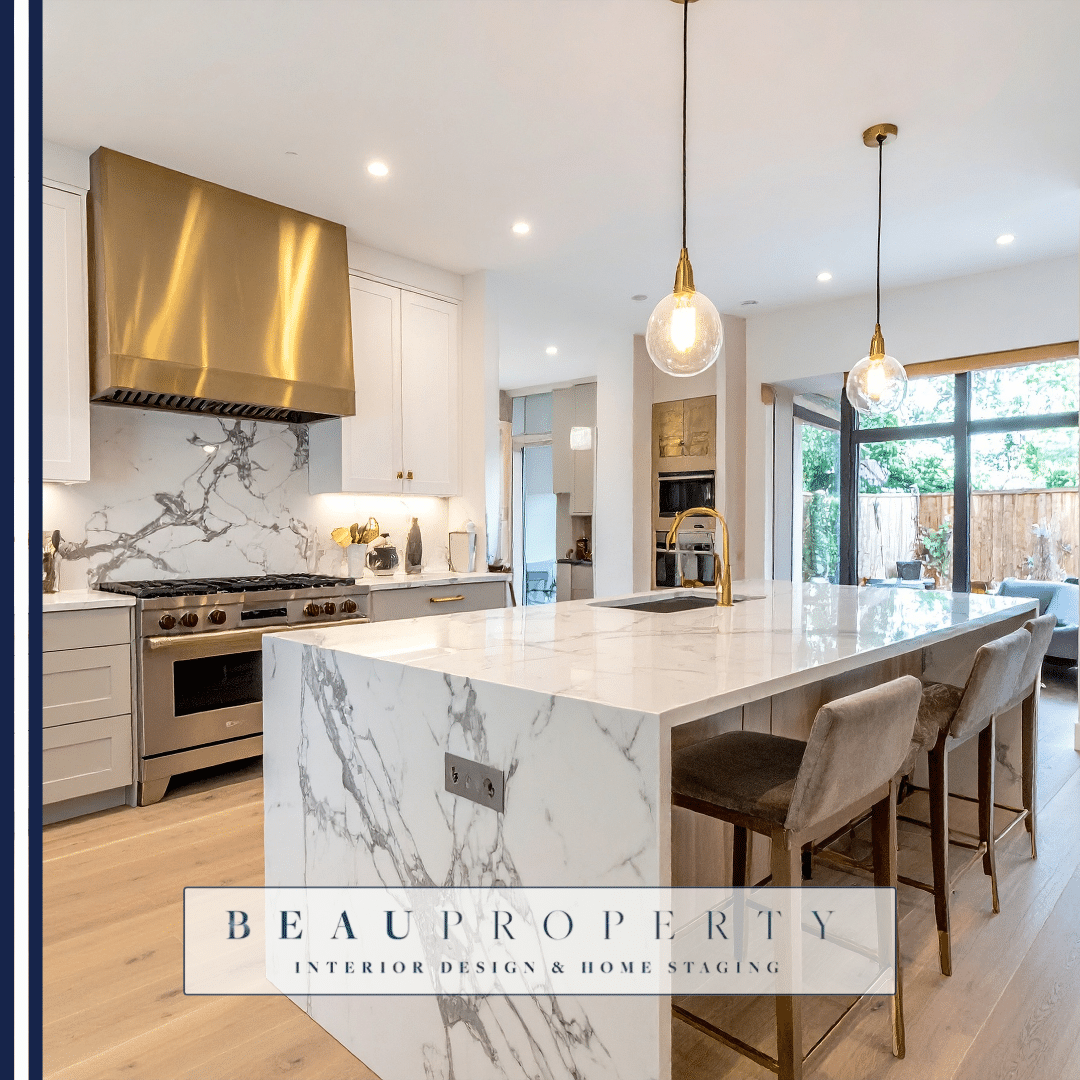
- Kitchens: Mix vintage kitchenware, such as a retro tea set, with modern appliances. Consider using a vintage dining table surrounded by sleek modern chairs.
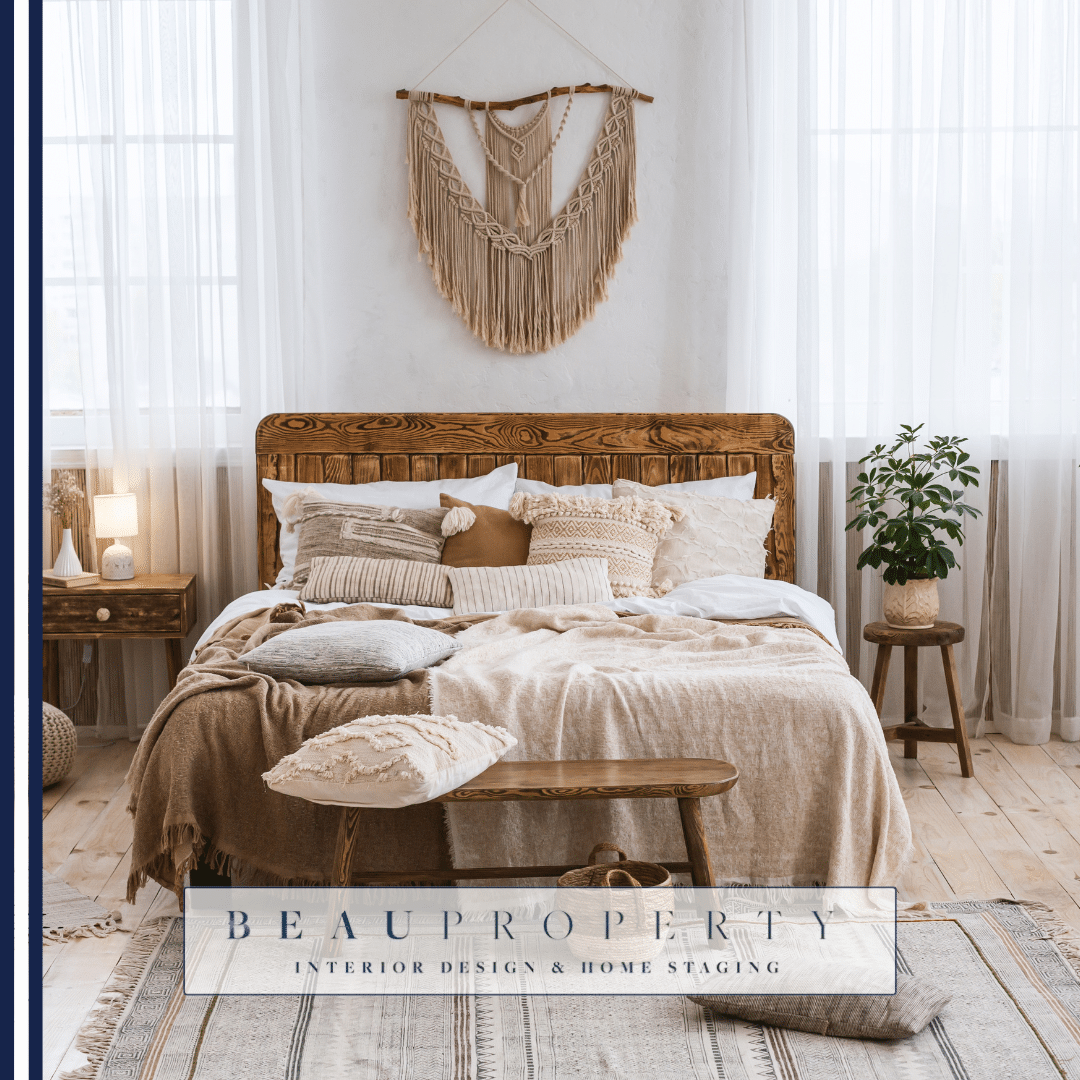
- Bedrooms: A vintage bedframe can be complemented with modern bedding and accessories. Layering different textures can create a cosy, inviting atmosphere.
The Future of Home Staging Trends
Emerging Trends
As the property market continues to evolve, so do the trends in home staging. The trend of mixing old and new is expected to persist, driven by the desire for authenticity and uniqueness. Homeowners and stagers alike are increasingly seeking ways to showcase character while remaining contemporary.
Sustainability and Eco-Friendly Choices
Sustainability is becoming a central theme in home staging, with many stagers opting for vintage pieces as a way to promote eco-friendly practices. Using reclaimed wood, antique furniture, and vintage decor not only contributes to a more sustainable approach but also aligns with the growing consumer demand for environmentally conscious choices.
Predictions for the Future
Looking ahead, we can expect the trend of mixing styles to evolve further with advancements in technology and changing consumer preferences. Virtual staging techniques may allow for more innovative blends, providing potential buyers with a unique visual experience that showcases the endless possibilities of both vintage and modern design.
Conclusion
In conclusion, mixing old and new elements in home staging is not merely a trend; it is a thoughtful approach that can significantly enhance the appeal of a property. By understanding the philosophy behind this practice, utilising key elements effectively, and applying practical tips, homeowners and real estate agents can create inviting spaces that resonate with potential buyers. Embracing this balanced approach can lead to quicker sales and higher valuations, making it a valuable strategy in today’s competitive market. Start blending those vintage and modern pieces to create a home that tells a story and invites buyers to envision their future within its walls.