Introduction
Incorporating plants into your home décor is more than just a trend; it’s a lifestyle choice that brings numerous aesthetic and health benefits. As UK homeowners and interior design enthusiasts, embracing the concept of “Styling with Plants” can transform your living spaces into vibrant, inviting environments. The right greenery techniques can enhance your home’s visual appeal while promoting well-being through improved air quality and stress reduction.
This blog post aims to provide you with 20 creative greenery techniques that you can easily implement in your home. From vertical gardens to seasonal plant swaps, you will discover practical examples, actionable insights, and the benefits of houseplants that make a significant difference. Whether you have a sprawling garden or a small flat, there’s something here for everyone looking to breathe life into their interiors.
The Benefits of Incorporating Plants into Your Home
Enhancing Aesthetics and Ambience
One of the most immediate benefits of houseplants is their ability to elevate the aesthetic of any space. They add colour, texture, and depth, breaking the monotony of furniture and walls. For instance, a well-placed fern can soften the sharp lines of modern furniture, while flowering plants like orchids can serve as stunning focal points in a room.
Improving Air Quality
Numerous studies have shown that indoor plants can improve air quality by filtering harmful toxins and releasing oxygen. The Royal Horticultural Society notes that certain plants, such as spider plants and peace lilies, are particularly effective in removing pollutants like formaldehyde and benzene, which are commonly found in household items. This is especially relevant in the UK, where homes are often sealed tightly to retain heat, resulting in poor air circulation.
Stress Reduction and Well-Being
Having plants in your living environment can significantly reduce stress and enhance mood. Research published by the Journal of Physiological Anthropology indicates that interacting with indoor plants can lower blood pressure and produce a calming effect. This is particularly beneficial for those living in urban areas, where the hustle and bustle can lead to increased anxiety.
Connection to Nature
Incorporating greenery into your home allows you to maintain a connection to nature, even in the heart of the city. Studies have shown that exposure to nature positively affects mental health, reducing feelings of depression and improving overall well-being. For those in the UK, where weather can be unpredictable, indoor plants provide a way to bring the outdoors in, regardless of the season.
20 Creative Greenery Techniques
Here are 20 greenery techniques for styling your home with plants:
- Vertical Gardens: Maximising Space with Style
Vertical gardens, or living walls, are an ingenious way to introduce greenery into compact spaces. They consist of plants that grow vertically, often mounted on walls or specially designed panels. This technique not only utilises wall space but also creates a stunning visual statement. - Using Plants as Natural Dividers
Plants can serve as effective dividers in open-plan spaces, creating zones without the need for physical barriers. Larger plants, such as rubber trees or fiddle leaf figs, can block sight lines and offer privacy while adding a lush feel to the décor. - Hanging Plants: Adding Dimension to Your Decor
The trend of hanging plants has surged in popularity, providing a stylish way to incorporate greenery at different heights. Hanging planters can be installed near windows or in corners, creating visual interest and dimension. - Window Sills: Bringing the Outdoors In
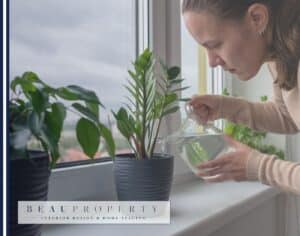
Window sills provide an excellent opportunity for displaying plants while benefiting from natural light. This is particularly advantageous for the UK’s often cloudy weather, where bright spots can be limited. - Creating a Plant Shelfie: Styling Shelves with Greenery
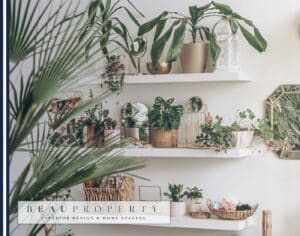
Incorporating plants into shelving units creates a dynamic ‘plant shelfie’ that adds character and life to your interiors. Mixing books, decorative items, and plants can create visual harmony. - Seasonal Plant Swaps: Keeping Your Decor Fresh
Rotating your plants seasonally can keep your décor fresh and vibrant. Different plants thrive in varying conditions, and seasonal swaps allow for variety throughout the year. - Incorporating Terrariums
Terrariums are mini ecosystems that can be displayed on tables or shelves. They not only look beautiful but also create a self-sustaining environment for small plants. - Using Plant Stands for Height Variation
Elevating plants using stands can add layers to your décor. Choose stylish or decorative plant stands to enhance the overall look. - Grouping Plants Together
Grouping plants in clusters can create a lush, garden-like feel. Varying the heights and leaf shapes within the grouping enhances visual interest. - Creating a Focal Point with Larger Plants
Use larger plants like palm trees or monstera to create a striking focal point in a room. Position them strategically to draw the eye. - Incorporating Edible Plants
Consider styling with edible plants, such as herbs or dwarf fruit trees. They are both functional and aesthetic, adding a unique flair to your kitchen or dining area. - Utilising Plant Hangers
Macramé plant hangers can add a bohemian touch while allowing you to hang plants from ceilings or walls, saving space and adding dimension. - Designing a Green Entryway
Make a great first impression by styling your entryway with plants. Tall plants can frame the entrance, while smaller ones can create a welcoming vibe. - Creating Plant Corners
Dedicate a corner of a room to plants, using various sizes and types to create a mini indoor garden. This can become a relaxing retreat within your home. - Using Plants in Bathrooms
Add humidity-loving plants to your bathroom for a spa-like environment. Ferns and peace lilies thrive in these moist conditions. - Integrating Plants into Artwork
Combine artwork with plants by hanging framed botanical prints alongside real plants. This creates a cohesive and refreshing look. - Designing a Plant Ladder
Use a wooden ladder as a unique plant display. Arrange pots on the rungs for an eye-catching and functional piece of décor. - Incorporating Plant Wall Decals
Wall decals designed like plants can add greenery without the maintenance. This is perfect for renters or those who prefer low-maintenance options. - Using Planters with Built-in Lighting
Planters equipped with LED lights not only illuminate your plants but also serve as stylish décor, especially in darker rooms. - Creating a Green Office Space
Incorporate plants into your home office to boost productivity and reduce stress. Desk plants like succulents or snake plants are ideal for this setting.
Choosing the Right Plants for Your Space
Selecting the right plants for your home is crucial for successful styling. Consider factors such as light availability, humidity, and the specific environment of each room.
Plant Types Based on Environment
- Low Light Areas: For rooms with minimal natural light, select plants like:
- ZZ Plant: Tolerates neglect and thrives in low light.
- Cast Iron Plant: Extremely hardy and suitable for darker spaces.
- Bright, Sunny Rooms: In areas with abundant light, consider:
- Cacti: Love the sun and require minimal watering.
- Succulents: Perfect for sunny windowsills.
- Humidity: For bathrooms or kitchens, opt for:
- Boston Fern: Thrives in humid conditions.
- Spider Plant: Prefers humidity and is easy to care for.
Advantages and Disadvantages of Popular Houseplants
- Spider Plant:
- Advantages: Easy to propagate, air-purifying.
- Disadvantages: Can become leggy if not pruned.
- Peace Lily:
- Advantages: Beautiful blooms, thrives in low light.
- Disadvantages: Toxic to pets if ingested.
- Fiddle Leaf Fig:
- Advantages: Striking foliage, makes a statement.
- Disadvantages: Requires specific care and can struggle with changes in environment.
Maintenance Tips for Healthy Plants
To ensure your plants thrive, regular maintenance is essential. Here are some actionable insights tailored for UK homeowners:
Watering Guidelines
- Frequency: Most indoor plants prefer to dry out slightly between watering. Check soil moisture by inserting a finger an inch deep; if it feels dry, it’s time to water.
- Winter Care: During the colder months, reduce watering as plants typically enter a dormant phase.
Light Requirements
- Placement: Position plants based on their light needs. For instance, shade-loving plants should be placed away from direct sunlight, while succulents thrive in bright conditions.
- Seasonal Adjustments: As daylight hours change, consider rotating plants or adjusting their positions to maximise exposure.
Pest Control
- Regular Checks: Inspect plants regularly for pests such as aphids or spider mites. Early detection can prevent infestations.
- Natural Remedies: Use insecticidal soap or neem oil as organic solutions to combat pests without harmful chemicals.
Actionable Tips Section
Here are some practical steps for styling your home with plants:
- Assess Your Space: Determine which areas of your home can benefit most from greenery, consider light levels and available space.
- Choose Your Plants: Based on your assessment, select plants that will thrive in those conditions.
- Design Your Layout: Experiment with different arrangements. Try grouping plants in odd numbers for a more natural look.
- Incorporate Accessories: Use decorative pots that complement your interior style. Consider macramé hangers or stylish plant stands.
- Maintain Regular Care: Set reminders for watering, pruning, and checking for pests to ensure your plants remain healthy.
Conclusion
Incorporating plants into your home décor through various greenery techniques is a rewarding endeavour that enhances both aesthetics and well-being. From the benefits of improved air quality to the soothing effects of nature, styling with plants can transform your living space.
As you explore these 20 creative techniques, you’ll find that each plant you introduce adds life and character to your home. Start styling your space with plants today, and enjoy the vibrant environment you create.