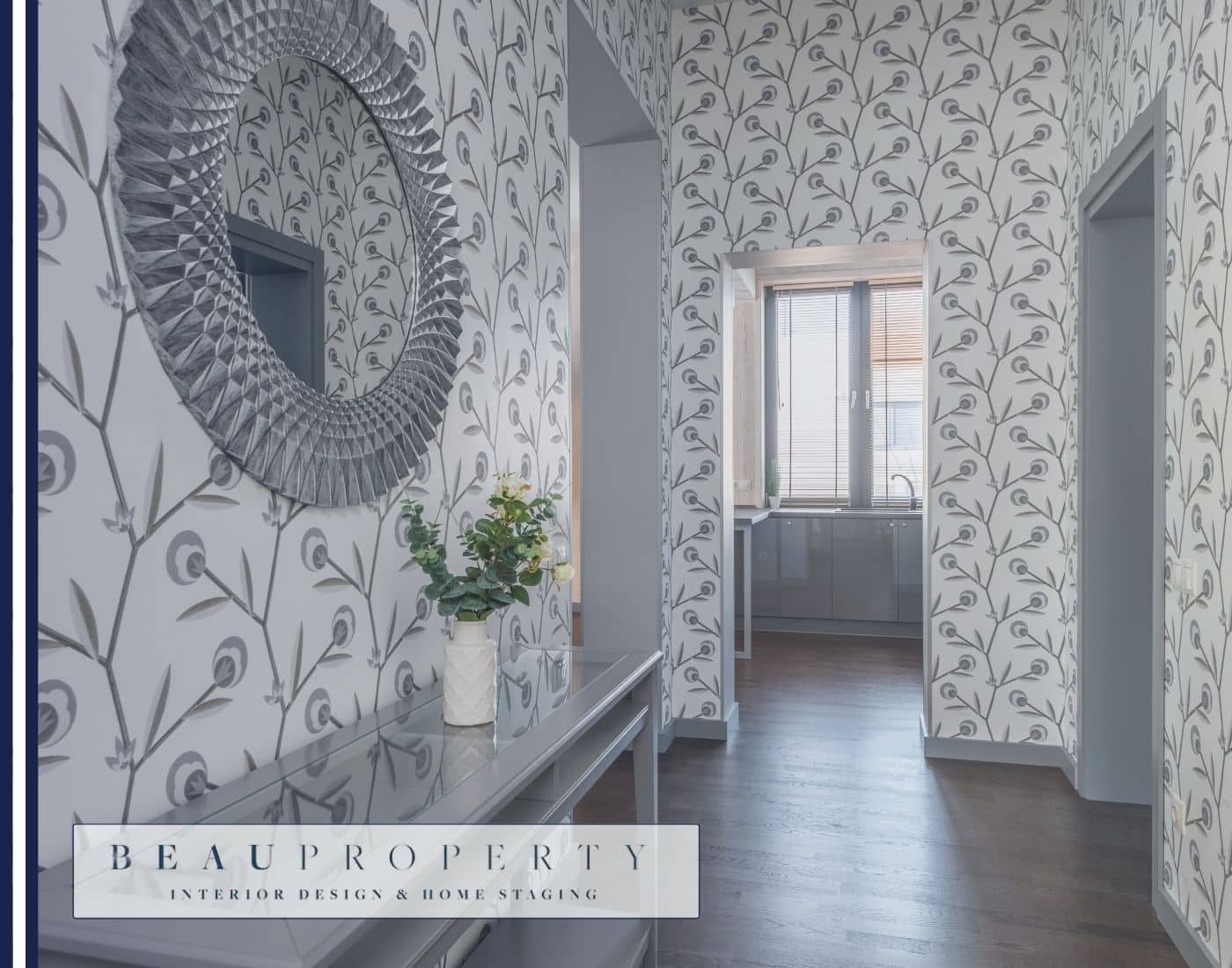
Patterns are one of the most versatile and expressive tools in interior design. Whether used subtly or boldly, they bring life to a space, adding personality, contrast, and rhythm in ways that solid colours often can’t achieve alone. From soft florals to sharp geometrics, patterns can make a home feel curated, layered, and full of character.
If you’re a homeowner or interior design enthusiast looking to refresh your living space, learning how to style with patterns is a valuable skill. This guide covers 20 tried and tested techniques for incorporating patterns into your home with confidence. Whether you’re just dipping your toes into print or ready to go all-in with pattern mixing, there’s something here for every comfort level.
Why Patterns Matter in Interior Design
Before we dive into the techniques, it’s worth understanding why patterns are so impactful. Patterns do more than decorate, they direct the eye, divide spaces, create mood and texture, and give context to a room’s theme or story.
Used wisely, they can:
- Enlarge or reduce the perceived size of a room
- Add visual interest to monochrome or neutral spaces
- Reflect the personality and taste of the homeowner
- Tie together colour schemes and furniture styles
- Provide seasonal flexibility through easy-to-swap accessories
Beau Property Staging, an interior styling brand with a refined approach, often uses pattern as an anchor point in their property dressing. By carefully mixing prints, textures, and tones, they create homes that feel both polished and lived-in.
Let’s explore how you can do the same.
Part One: Understanding Pattern Fundamentals
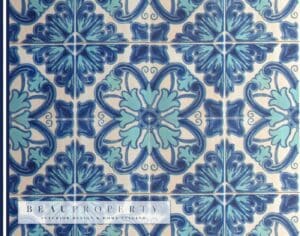
1. Know Your Pattern Families
It helps to identify the types of patterns commonly used in interiors:
- Stripes: Linear, clean, and timeless. Horizontal stripes widen a space; vertical stripes elongate it.
- Florals: Organic and soft, ranging from small ditsy prints to oversized botanicals.
- Geometric: Structured and modern. Think chevrons, hexagons, or grid designs.
- Abstract: Non-repeating, artistic forms that add a designer edge.
- Animal Prints: Bold and glamorous, used sparingly, they can elevate a room instantly.
- Ethnic or Global Prints: Inspired by traditional designs, Moroccan, Ikat, Aztec, etc. – these bring a worldly, eclectic feel.
You don’t have to stick to just one. Mixing pattern types adds dynamism, as long as you follow some basic principles.
2. Learn to Balance Scale
Perhaps the most important aspect of pattern styling is scale. Large-scale patterns (like a big floral wallpaper) create focal points. Medium and small-scale patterns (like a geometric cushion or striped runner) support the main feature without overwhelming it.
Pro tip: Aim to mix three scales, one large, one medium, and one small, for a layered yet balanced result.
3. Choose a Cohesive Colour Palette
It’s easier to mix patterns when they share a unified colour story. Start with a base colour (often a neutral or soft tone), then build in two or three complementary shades. When the colours connect, even clashing patterns can look intentional.
Part Two: Pattern Styling Room by Room
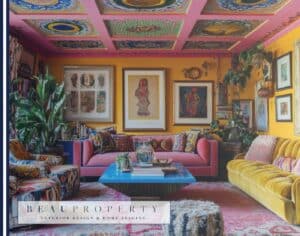
4. Living Room Layers
The living room is often the most flexible space for pattern experiments. Start with a patterned rug or curtains, then add printed cushions in varying sizes. Mix floral, stripe, and abstract prints using the same colour families.
To avoid visual noise, balance busy patterns with solid-colour upholstery or neutral walls.
5. Bedroom Balance
Bedrooms benefit from a calm and cohesive look, but that doesn’t mean they have to be boring. Use a patterned duvet cover with a subtle bed throw and cushions in coordinating prints.
You might even try a feature wall behind the bed in a soft, repeating motif. Keep surrounding elements minimal to allow the print to shine.
6. Kitchen Character
In kitchens, patterns can appear through tiling, splashbacks, and textiles. Consider patterned floor tiles, a statement tablecloth, or even open shelving with patterned dishware on display.
Alternatively, use a patterned roman blind or café curtain to add colour and softness to the space.
7. Bathroom Statements
Bathrooms are ideal for bold patterns because of their smaller footprint. Opt for patterned floor tiles, wallpaper behind the sink, or a geometric shower curtain.
If storage allows, mix in some patterned towels or accessories to echo the print elsewhere.
8. Entryway Impressions
The entryway sets the tone for your home. A patterned runner rug, wallpapered alcove, or vintage print bench cushion can create a welcoming focal point.
Mirrored or metallic accessories add contrast and reflect the pattern, enhancing the space.
Part Three: Mixing Patterns with Style
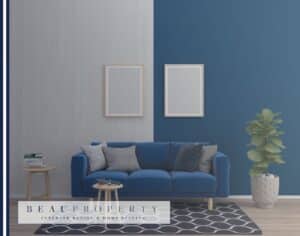
9. Use the 60-30-10 Rule
This rule applies to colours and patterns alike:
- 60%: Dominant pattern (e.g. wallpaper, large rug)
- 30%: Secondary pattern (e.g. curtains, armchair)
- 10%: Accent pattern (e.g. cushions or accessories)
This proportion keeps the visual hierarchy clear and avoids overwhelming the eye.
10. Anchor with Neutrals
Too many patterns without a break can feel cluttered. Neutrals such as white, grey, beige, and natural wood tones act as a grounding element. Use them on walls, furniture, or large textiles to balance patterned elements.
11. Repeat Elements for Cohesion
Using the same pattern or motif in different areas creates consistency. For example, a leafy print might appear on curtains, cushions, and artwork, tying the theme together without feeling repetitive.
12. Mix Opposites: Organic vs. Structured
Pairing soft, organic shapes (like florals) with rigid, geometric patterns (like chevrons or grids) creates tension in the best way. The contrast animates the space and keeps it from feeling too uniform.
13. Vary Pattern Orientation
Experiment with the direction of your patterns. Vertical stripes on curtains paired with a horizontal striped rug can complement each other while adding a sense of movement to the room.
14. Try Pattern Blocking
Pattern blocking involves placing two or more patterns next to each other in blocks, like colour blocking but with prints. You might upholster a chair in two fabrics or hang curtains with contrasting leading edges.
Use solid-colour borders to separate patterns and define the space.
15. Use Solids as Breathing Space
In a pattern-rich room, solid colours act as visual rest points. A solid sofa, wall, or headboard can allow surrounding patterns to take centre stage.
Part Four: Creative Ideas and Advanced Techniques
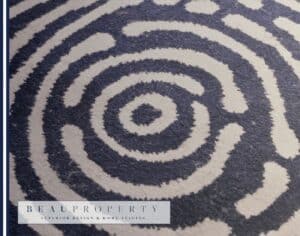
16. Mix Textures Alongside Patterns
Texture adds subtle variety even when the colour palette is restrained. Try velvet cushions with linen curtains, or jute rugs with embroidered cushions. The interplay between texture and pattern adds richness and depth.
17. Let Rugs Ground the Room
A patterned rug can define a seating or dining area, especially in open-plan spaces. Coordinate colours with surrounding furniture and accessories for a cohesive look.
For layering, try a smaller patterned rug over a larger jute or sisal base.
18. Wallpaper: Statement or Subtle
Wallpaper is one of the most transformative tools in a designer’s kit. You can wrap a whole room or create a feature wall behind a bed, fireplace, or bookshelf.
Choose bolder patterns for powder rooms or hallways, and subtler ones for bedrooms or studies.
19. Patterned Accessories for Flexibility
Accessories are the easiest way to add or change patterns. Lampshades, trays, ceramics, picture frames, and even planters now come in a wide variety of designs.
They’re cost-effective, easy to rotate seasonally, and allow you to experiment without permanent commitment.
20. Seasonal Pattern Switch-Ups
Pattern trends often follow the seasons. In spring and summer, opt for lighter patterns, florals, nautical stripes, or tropical prints. In autumn and winter, introduce deeper tones and cosier patterns like plaids, tartans, or rich damasks.
Rotate cushion covers, throws, table linens, and even art prints to reflect the season without a full redesign.
Common Mistakes to Avoid
Even with the best intentions, pattern styling can go awry. Here are a few pitfalls to steer clear of:
- Overloading the same scale: Too many medium-scale patterns can make a space feel visually busy.
- Ignoring the room’s purpose: Loud patterns in a bedroom may feel overstimulating; use calming prints instead.
- Neglecting light: Dark patterns in poorly lit spaces can feel heavy. Balance with lighter tones.
- Forgetting white space: Leave some areas pattern-free to allow the eye to rest and appreciate each design.
Conclusion: Patterns with Purpose
Styling with patterns is both an art and a science. With the right balance of scale, colour, and texture, you can transform any room into a layered, inviting, and unique space. Whether you’re experimenting with cushions and rugs or going bold with wallpaper and upholstery, these techniques will help you use patterns with confidence.
Remember: patterns are playful by nature. Don’t be afraid to try unexpected combinations or break a few ‘rules’ once you know them. The most memorable interiors often come from those brave enough to mix a polka dot with a paisley, or a stripe with a floral.
And if you’re looking for expert guidance, brands like Beau Property Staging offer outstanding examples of how thoughtful pattern use can elevate a home. From subtle layering to dramatic statements, patterns are essential tools in creating spaces that feel warm, stylish, and lived in.
So open up your swatch book, trust your instincts, and let patterns tell your story.