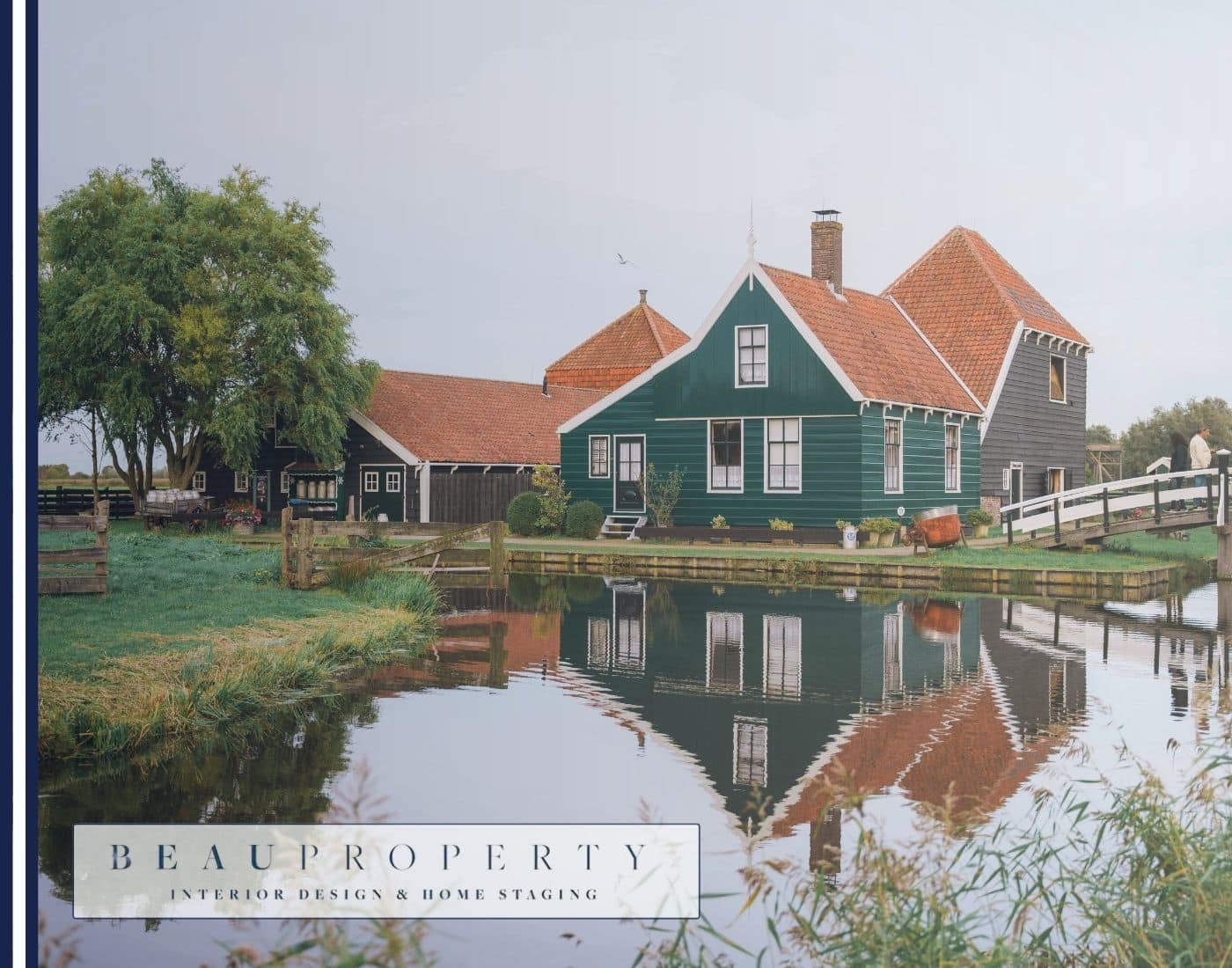
Introduction to Modern Farmhouse Design
Defining the Modern Farmhouse Look
Modern farmhouse design blends the nostalgic charm of traditional farmhouses with the simplicity of contemporary homes. It’s all about clean lines, uncluttered spaces, and the warm, welcoming atmosphere reminiscent of country living. You’ll see this style in open floor plans, large windows that flood rooms with natural light, and the clever use of sustainable materials like reclaimed wood and wrought iron. The look is never fussy, just relaxed, tactile, and practical, often with neutral foundations in white, greige, or cream.
The Heart of the Style: Old Meets New
At its core, modern farmhouse celebrates the art of mixing. Rustic beams and barnboard accents sit comfortably next to modern furnishings with effortless grace. Key elements include comfy, oversized furniture, vintage-inspired pieces, and a healthy dose of texture from wood, metal, and soft textiles. This blend ensures spaces feel cosy yet up-to-date, never too old-fashioned or overly sleek.
Timeless Appeal
Modern farmhouse style is popular because it delivers both sophistication and comfort. People are drawn to interiors that invite you to relax without feeling cluttered or chaotic. The style’s flexibility means you can personalise it, favouring either crisp modern lines or a bit more rustic character, making it accessible and enduring.
As design evolves, the next consideration is what truly makes a home feel like a modern farmhouse, from the architecture to the subtle use of colour and texture.
The Essential Elements of Modern Farmhouse Style
Architectural Features
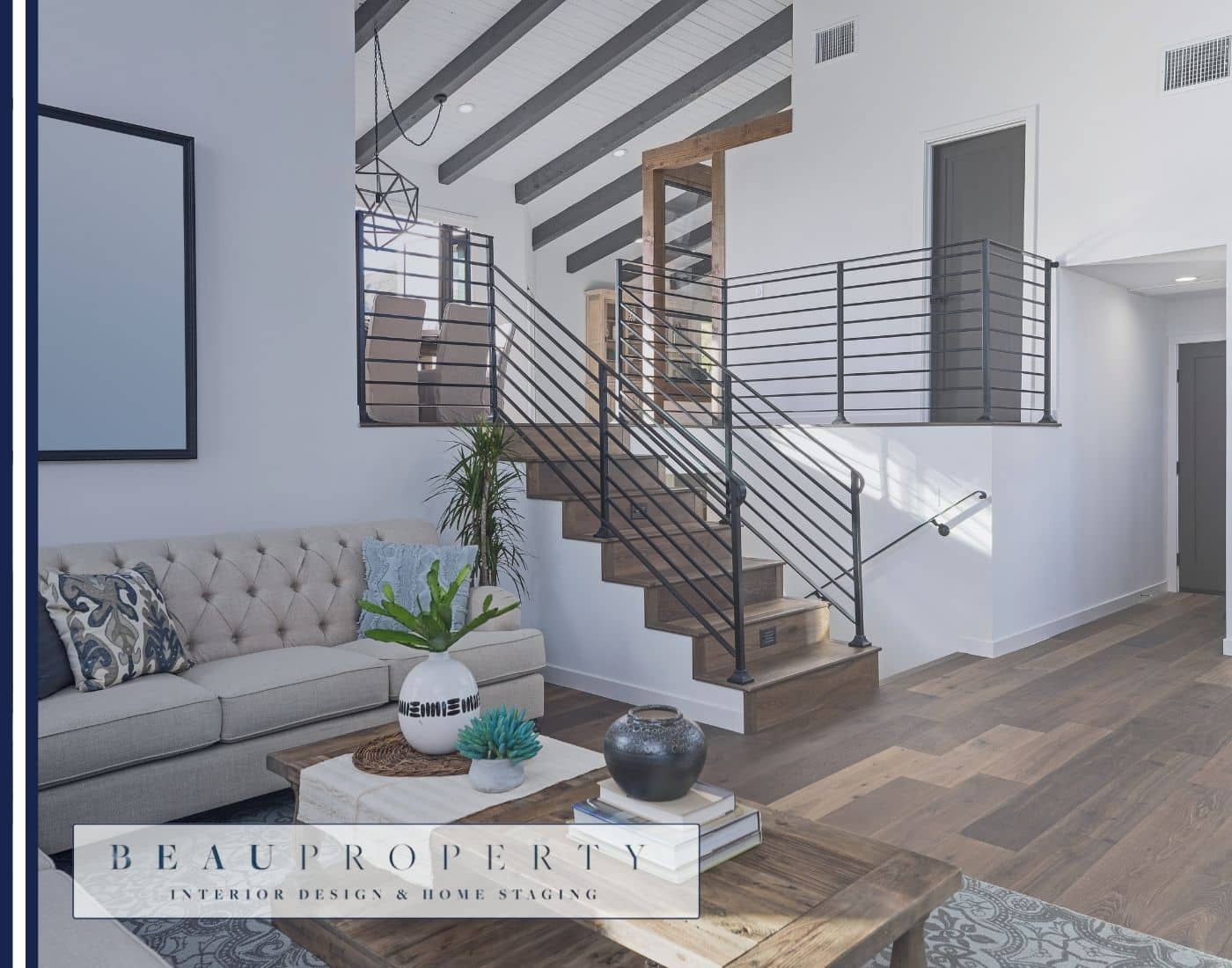
At the heart of modern farmhouse style are distinct architectural details. High ceilings provide a sense of openness, helping spaces feel airy and bright. Large windows invite plenty of natural light, softening the rustic edge and letting the landscape become part of the home. Exposed wooden beams overhead add a touch of timeless countryside character, whether left raw or finished for a sleeker look, they anchor the design.
Open Floor Plans
Modern farmhouse living thrives on a sense of flow. Open floor plans replace cramped, segmented interiors with large, connected living spaces. This not only makes the home feel more inviting but also encourages easy movement and togetherness. Spaces blend seamlessly, kitchen flows into dining, which spills into the lounge. The result is a versatile and social environment that feels relaxed yet thoughtfully structured.
Neutral Colour Palettes
The modern farmhouse look begins with a calm palette. Whites, soft greys, and gentle beiges form the foundation. These tones help showcase natural materials and architectural features, creating an elegant backdrop that never feels stark. Subtle shades keep the focus on texture, light, and line, supporting both rustic accents and modern touches.
Building on these hallmarks, the style continues to evolve, balancing comfort with a refined edge.
Modern vs. Contemporary Farmhouse: Understanding the Difference
What Sets These Styles Apart?
Modern farmhouse design keeps hold of classic rustic touches, think exposed beams, shiplap walls, and the inviting warmth of natural materials. These features balance with clean lines and simple styling for a fresh, comfortable look. Contemporary farmhouse, on the other hand, is sleeker. It leans into minimalism, favouring open spaces, smooth surfaces, and just a hint of countryside charm for a look that feels more urban and polished.
Mixing Sleek and Rustic
The modern farmhouse approach is all about blending. Imagine a chunky wooden table paired with minimalist chairs or a stone fireplace next to crisp white walls. Both styles celebrate neutral palettes, soft whites, warm greys, and beiges, but modern farmhouse highlights contrast: old meets new, rugged alongside refined. In comparison, contemporary farmhouse tries to simplify. It often skips ornamentation and focuses on the most streamlined features, showcasing just enough rustic detail to keep things cosy.
Why the Difference Matters
Knowing the distinction helps you shape your vision and avoid clashing styles. Are you drawn to homely vibes with just a hint of edge? Or is your dream space calm, pared back, and open? This clarity makes choosing your materials, colours, and furnishings feel much easier, leading to a space with harmony and character.
With the differences in mind, it’s time to get practical about how specific design choices define your kitchen, the true heart of the farmhouse home.
Creating the Perfect Modern Farmhouse Kitchen
Farmhouse Sink Choices
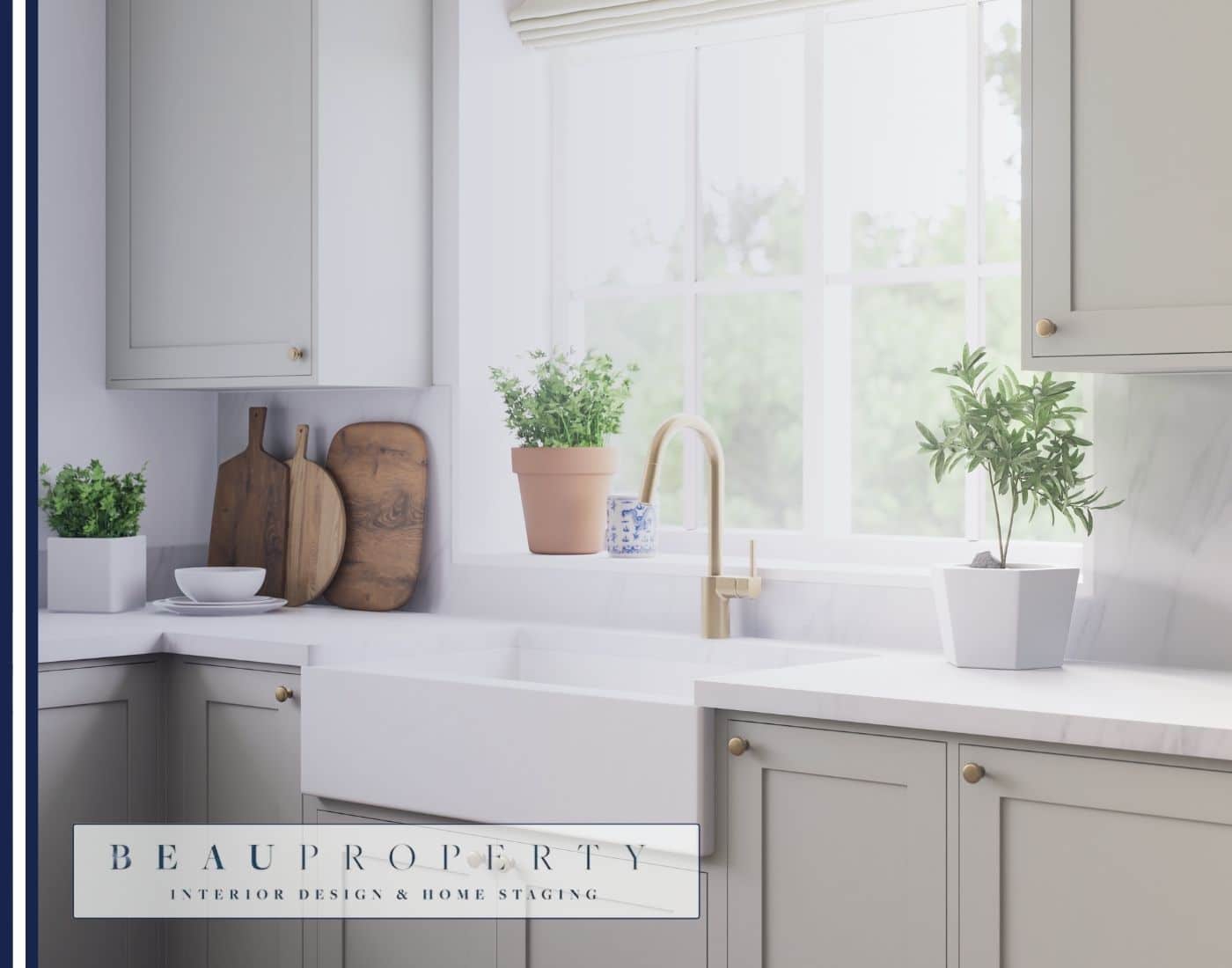
One of the most recognisable features in a modern farmhouse kitchen is the sink. Traditional porcelain butler sinks evoke rustic charm, blending seamlessly with wooden worktops and vintage taps. On the flip side, stainless steel sinks are gaining popularity. They offer a sleek, modern edge whilst being practical for busy households. The choice between porcelain and stainless steel often comes down to your preference for classic warmth or contemporary style.
Functionality Meets Style
Modern farmhouse kitchens shine when they balance everyday function and inviting design. Spacious layouts with wide islands or chunky farmhouse tables encourage gathering and easy movement. Open shelving makes frequently used items accessible and doubles as a chance to display beautiful crockery or vintage finds. Practicality is always at the forefront, with deep drawers and clever storage keeping clutter out of sight.
Evolving the Colour Palette
The traditional all-white farmhouse kitchen remains popular, but deeper, moodier tones are cropping up. Soft greys and warm beiges create a grounded look, while navy, sage, or even charcoal add depth without losing the inviting essence. Pops of colour can appear in tiles, bar stools, or even the cabinetry itself, making the space both classic and fresh.
With the heart of your home blending warmth and clean lines, the rest of the house can flow naturally from this welcoming anchor.
Incorporating Signature Farmhouse Elements with a Modern Twist
Refreshing Shiplap for Contemporary Spaces
Shiplap has become a symbol of farmhouse style, but the secret to keeping it current is how you use it. Classic white shiplap creates a clean, timeless backdrop, perfect for that bright and airy feel. For a bolder approach, opt for shiplap painted in deep charcoals or navy. This adds sophistication and contrasts beautifully with modern furnishings, giving traditional lines a graphic update.
Sliding Barn Doors, Streamlined
Sliding barn doors are still a go-to for combining farmhouse warmth with modern flair. Skip ornate carvings for doors featuring sleek panels and minimal hardware in matte black or brushed steel. These doors save space and work anywhere, from bathrooms to closets, while the modern fixtures keep the look crisp. Consider glass inserts for a light, spacious effect that feels innovative yet classic.
Reclaimed Wood: Fresh, Not Fussy
Reclaimed wood is central to farmhouse character, but in today’s designs, it’s all about restraint. Use it as an accent wall in a bedroom or a feature beam in an open-plan living area. Pairing weathered textures with smooth, neutral finishes strikes a careful balance. The result? Interiors that feel collected and curated, rather than overly themed.
These updated farmhouse touches keep your space feeling welcoming and modern, setting the scene for blending rustic and contemporary furniture.
Furniture Selection: Mixing Rustic and Contemporary Pieces
Pairing Farmhouse Tables with Modern Charm
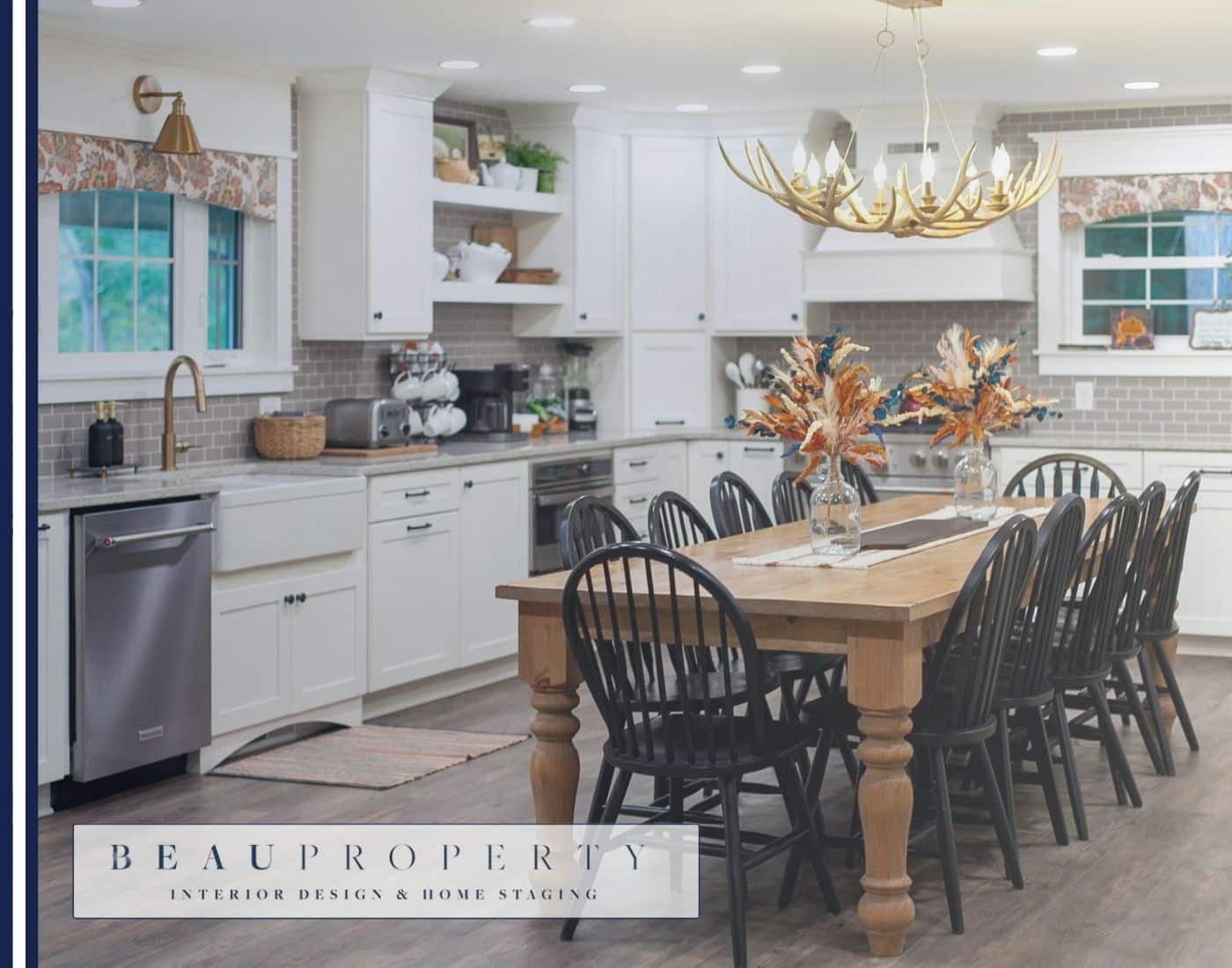
Mixing a rustic farmhouse table with modern, minimalist chairs is a favourite trick for a reason: it grounds the space with history while keeping it fresh and relevant. A chunky reclaimed wood table sets a warm, inviting tone, while slim, metal-framed or mid-century-inspired chairs introduce a clean, current edge. This contrast adds character and intrigue, especially when finishes or colours are coordinated for cohesion, think black chairs paired with rich brown wood, or grey undertones matched throughout the seating and table legs.
Finding Balance in Texture and Tone
The secret to a well-blended look lies in balancing textures. Mix tactile fabrics like woven seats or soft upholstery with the hard surfaces of wood and metal. Remember the rule: combine larger textures, such as a raw wood tabletop, with smaller, more delicate elements like a textured linen runner or smooth chair backs. This approach keeps the room inviting and layered.
Achieving Effortless Harmony
To avoid a look that feels forced, establish common ground through complementary finishes, similar colour palettes, or repeated lines and shapes. Let your farmhouse table be the statement piece and keep other furniture choices simple. Don’t be afraid to experiment, but always step back to ensure your choices feel cohesive and collected rather than crowded.
With these simple strategies, your space will feel both timeless and tailored, setting the stage for more design creativity to come.
Materials and Textures: The Foundation of Modern Farmhouse Design
The Role of Natural Materials
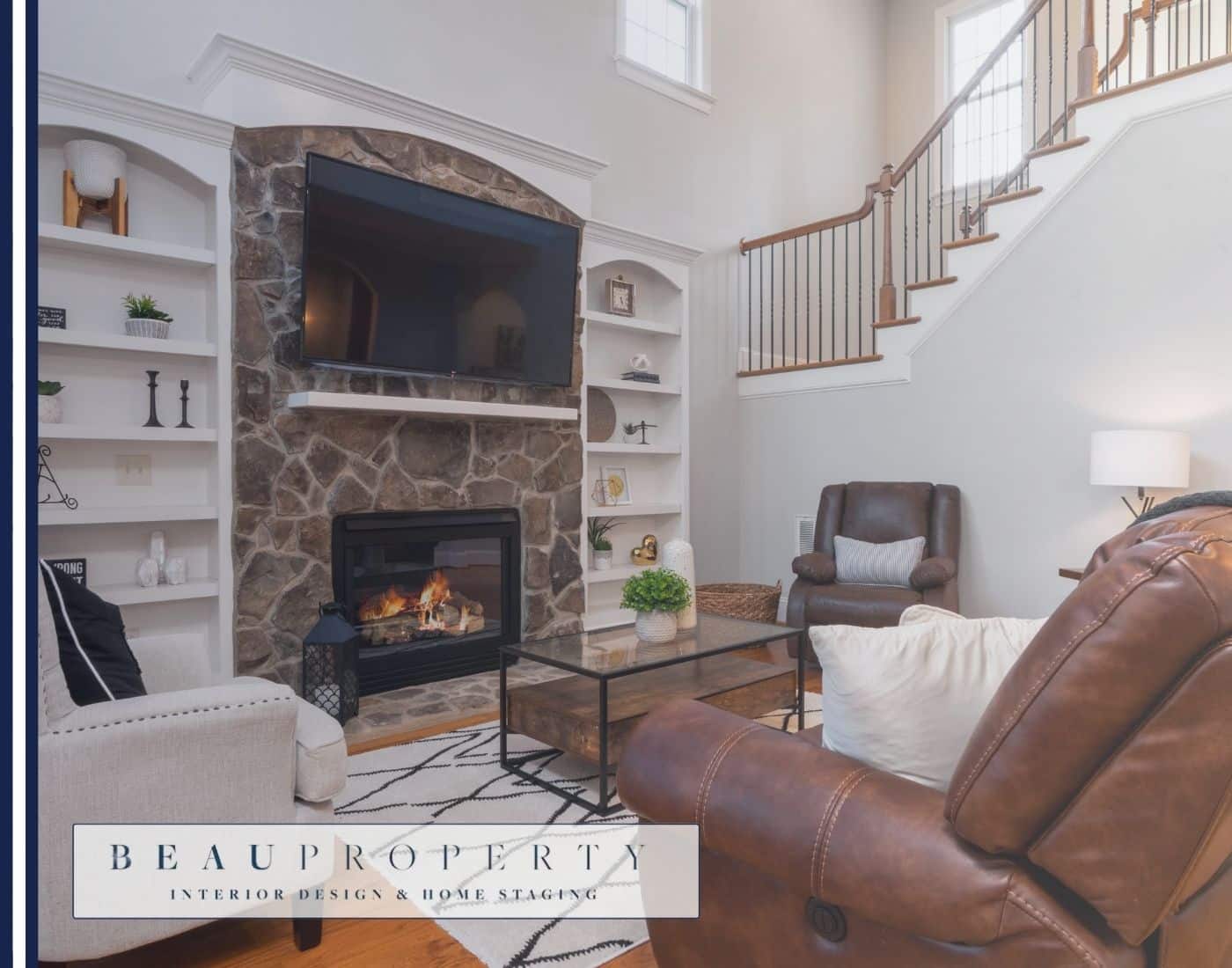
Modern farmhouse design shines when it celebrates honest, natural materials. Wood, stone, and metal are at the heart of this look, bringing a warm and welcoming feel to any space. Exposed beams, wide plank floors, or a stone-clad fireplace add character and a strong link to nature. Hardwearing finishes like these aren’t just practical, they give the home depth and soul.
Creating Excitement with Textural Contrast
Variety in texture is what keeps farmhouse interiors from feeling too plain. Layering materials, such as wool throws on metal-framed beds, linen curtains against timber window frames, and jute rugs over smooth hardwood, invites you to see and touch. Combining contrasting surfaces helps different features stand out. The result is a home that feels visually rich while remaining calm and uncluttered.
Embracing Industrial Touches
A splash of industrial style adds a modern vibe to rustic spaces. Think metal pendant lights, concrete worktops, exposed piping, or iron hardware. The key is using these accents with restraint, let them complement the softness of wood and stone rather than compete. When done right, these elements keep the farmhouse look fresh without sacrificing warmth.
Moving forward, let’s explore how lighting choices play a key role in shaping the unique atmosphere of a modern farmhouse.
Lighting Choices for the Modern Farmhouse
Black Industrial Fixtures: Setting the Mood
Lighting can make or break the character of a modern farmhouse. One of the most effective choices is to use industrial-style fixtures with bold black elements. These lights look crisp against both light and dark backgrounds, offering an edgy nod to the past while staying firmly in the present. Think of pendant lights with matte black hardware or black metal sconces. These are not just functional, they’re statement pieces that give any room a bit of drama and modern flair. Outdoors, black lanterns or gooseneck sconces bring rustic charm and make the exterior pop with sharp contrast, especially on lighter walls.
Oversized Pendants: Eye-Catching and Inviting
Oversized pendants are another hallmark of this style. Whether placed above the kitchen island or in dining areas, these fixtures anchor a space visually. They provide generous light and help maintain an open, welcoming atmosphere. Choose simple shapes and materials ,such as metal or glass, to keep the look clean yet inviting.
Layered Lighting: Practical Ambiance
Layering light is key for both function and mood. Use a mix of ceiling, wall, and table lights to create depth, highlight textures, and soften harsh edges. This approach allows you to adapt the ambiance, making your home feel cosy or lively, whatever the moment needs.
Lighting does more than brighten a space; it shapes atmosphere and highlights the blend of old and new that defines the modern farmhouse.
Colour Strategies for Modern Farmhouse Interiors
Evolving from Bright White Foundations
Modern farmhouse interiors are moving past the ever-popular crisp white. Creamier whites, soft beiges, and light greys now set a warm and welcoming base. These shades keep spaces bright but introduce a cosier, lived-in feel that’s a step away from sterility. Walls painted in mellow neutrals help natural textures, like wood beams and stonework, truly shine.
Introducing Moody Earth Tones
Adding muddier hues brings modern farmhouse rooms to life. Moody colours such as mushroom, rich burgundy, and sage green introduce subtle drama. For instance, a sage green accent wall in a dining area, as seen in some standout modern farmhouse designs, pairs perfectly with dark timber and black fixtures, elevating the space without overwhelming it.
Layering Colour for Depth
Strategic placement of these tones is key. Apply deeper colours to cabinetry, feature walls, or doors for visual interest, while reserving lighter shades for larger surfaces like ceilings and trim. Mixing muted colours and crisp neutrals adds depth, letting textures and materials stand out, yet keeping the room feeling fresh.
With thoughtful use of colour, you can create a space that’s both classic and softly sophisticated, setting the stage for further expression through accessories and finishing touches.
Accessorising Without Overdoing It
Choosing Meaningful Vintage Pieces
To give your space character without feeling forced, choose vintage items with a story or real patina. Seek out old wooden ladders, vintage art, or even antique baskets for shelves or tabletops. A single, authentic piece holds more impact than many mass-produced ‘farmhouse’ signs or trinkets. Instead of clichéd slogans, look for unique finds at flea markets or local sales.
The Art of Restraint
A successful modern farmhouse interior relies on editing. Too many accessories can overwhelm and detract from the calm, curated aesthetic. Stick to the 80/20 rule: keep about 80% of your decor modern, while allowing 20% to be vintage or antique. This ensures your vignette feels personal, not chaotic. Let open shelving breathe, and display only your favourite items.
Using Antiques in Contemporary Ways
Blend old and new by pairing antique items, such as pantry signs or faded textiles, with modern surroundings. Place an antique sign above a sleek console, or drape a vintage quilt over a minimalist sofa. This approach emphasises contrast, making both styles shine without creating clutter or losing modern freshness.
This balance allows your home’s personality to come through, effortlessly blending nostalgia with clean, open living.
Outdoor Spaces: Extending the Modern Farmhouse Aesthetic
Creating Seamless Indoor-Outdoor Flow
Modern farmhouse style doesn’t end at the back door. To continue this inviting look outdoors, it’s key to bridge the gap between inside and out. Use similar materials and tones on patios, decks, and garden paths as you do inside for a sense of unity. Large doors, like bi-fold or sliding styles, invite natural light and create easy flow during get-togethers.
Comfort Meets Rustic in Outdoor Living Areas
Outdoor spaces should feel as cosy as your living room. Add comfy lounge seating made from weather-resistant wood or rattan. Layer in chunky knit throws and textured cushions for warmth when the evenings turn cool. Details like a stone or brick firepit, wooden pergolas, and outdoor rugs keep the vibe welcoming and relaxed. Oversized planters with native greenery highlight the farmhouse connection to nature.
Landscape Choices for a Modern Farmhouse Look
Landscaping should echo the calm, curated mix of your interior. Choose simple lines in garden beds and opt for hardy materials like gravel, timber, and local stone. Wildflower patches, clipped hedges, or a few fruit trees add both colour and utility. Modern black planters and fencing inject a new edge, pulling the look right up to date while keeping the rural heart.
With this approach, your outdoor areas become a true extension of your home, rooted in modern farmhouse ease and style.
Conclusion: Creating Your Own Modern Farmhouse Blend
Finding Your Authentic Style
Modern farmhouse design is at its best when it reflects you. Rather than copying every trend, focus on what feels right for your home’s architecture and your way of living. Authenticity is central to the farmhouse aesthetic; every choice should make sense for your space and your story. Blend tradition and modernity in a way that feels genuine, not forced.
Balancing Rustic and Contemporary Touches
Mix rustic warmth, think reclaimed wood beams and stonework, with streamlined furniture or industrial lighting. Don’t be afraid to let your home’s bones show, like original floors or exposed brick, while choosing clean lines or bold metals to keep things fresh. Always opt for comfort and simplicity over excess and fussiness. A few thoughtful details will speak louder than a room full of trinkets.
Making Modern Farmhouse Your Own
Let your home evolve with you. Interiors that feel layered and personal are always more inviting. Start with a neutral base, then add texture, rich tones, and meaningful vintage pieces at your own pace. Your home should tell your story, one that’s welcoming, balanced and truly unique.